Kate Elswit – författare
Visar alla böcker från författaren Kate Elswit. Handla med fri frakt och snabb leverans.
5 produkter
5 produkter
Inbunden, Engelska, 2014
2 059 kr
Skickas inom 5-8 vardagar
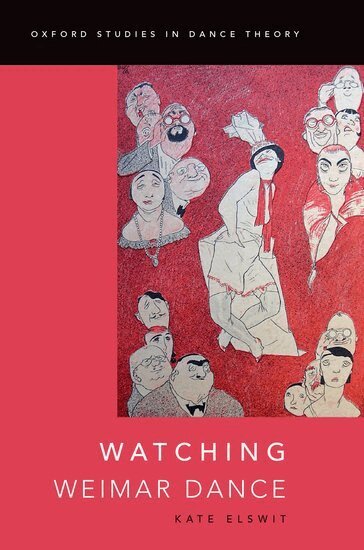
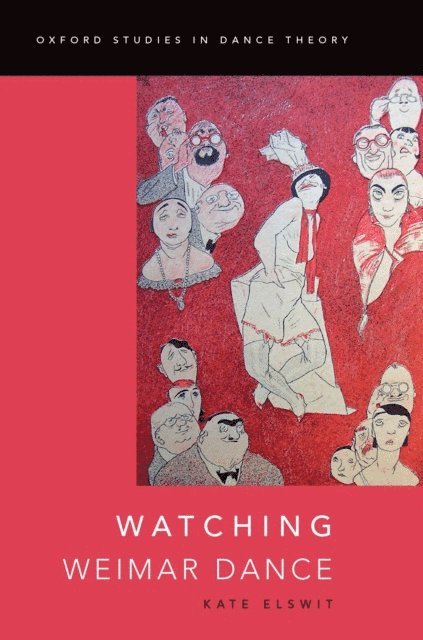
Watching Weimar Dance asks what audiences saw in the peculiarly turbulent and febrile moment of the Weimar Republic. It closely analyses the reception of various performances, from cabaret to concert dance and experimental theatre, in their own time and place - at home in interwar Germany, on tour, and later returning from exile after World War II. Spectator reports that performers died or became half-machine archived not only the physicality of past performance, but also the ways audiences used the temporary world of the stage to negotiate pressing social issues, from female visibility within commodity culture to the functioning of human-machine hybrids in an era of increasing technologization. These accounts offer offer limit cases for the body on stage and, in so doing, speak to the preoccupations of the day. Approaching a range of performance artists, including Oskar Schlemmer, Valeska Gert, Kurt Jooss, Mary Wigman, Bertolt Brecht, Anita Berber, and the Tiller Girl troupes, through archives of watching, the reception of these performances also revises and complicates understandings of Ausdruckstanz as the representative dance of this moment in Germany. They further reveal how such practices came to be reconfigured and imbued with new significance in the post-war era. By bringing insights from theatre, dance, and performance studies to German cultural studies, and vice versa, Watching Weimar Dance develops a culturally-situated model of watching that not only offers a revisionist narrative, but also demonstrates new methods for dance scholarship to shape cultural history.
E-bok
PDF, Engelska, 2014496 kr
Läs direkt efter köp
Watching Weimar Dance asks what audiences saw on stages from cabaret and revue to concert dance and experimental theatre in the turbulent moment of the Weimar Republic. Spectator reports that performers died or became half-machine archive not only the physicality of past performance, but also the ways audiences used the temporary world of the theatre to negotiate pressing social issues, from female visibility within commodity culture to human functioning in an era of increasing technologization. Archives of watching a range of performance artists, including Oskar Schlemmer, Valeska Gert, Kurt Jooss, Mary Wigman, Bertolt Brecht, Anita Berber, and the Tiller Girl troupes also revise and complicate our understanding of Ausdruckstanz as the representative dance of this moment in Germany. They further reveal how such practices came to be imbued with different significance in the postwar era as well as in transnational context. By bringing insights from theatre, dance, and performance studies to German cultural studies, and vice versa, Watching Weimar Dance develops a culturally-situated model of spectatorship that not only offers a new narrative but also demonstrates new methods for dance scholarship to shape cultural history.
Häftad, Engelska, 2014
652 kr
Skickas inom 5-8 vardagar
Watching Weimar Dance asks what audiences saw in the peculiarly turbulent and febrile moment of the Weimar Republic. It closely analyses the reception of various performances, from cabaret to concert dance and experimental theatre, in their own time and place - at home in interwar Germany, on tour, and later returning from exile after World War II. Spectator reports that performers died or became half-machine archived not only the physicality of past performance, but also the ways audiences used the temporary world of the stage to negotiate pressing social issues, from female visibility within commodity culture to the functioning of human-machine hybrids in an era of increasing technologization. These accounts offer offer limit cases for the body on stage and, in so doing, speak to the preoccupations of the day. Approaching a range of performance artists, including Oskar Schlemmer, Valeska Gert, Kurt Jooss, Mary Wigman, Bertolt Brecht, Anita Berber, and the Tiller Girl troupes, through archives of watching, the reception of these performances also revises and complicates understandings of Ausdruckstanz as the representative dance of this moment in Germany. They further reveal how such practices came to be reconfigured and imbued with new significance in the post-war era. By bringing insights from theatre, dance, and performance studies to German cultural studies, and vice versa, Watching Weimar Dance develops a culturally-situated model of watching that not only offers a revisionist narrative, but also demonstrates new methods for dance scholarship to shape cultural history.
Häftad, Engelska, 2018
131 kr
Skickas
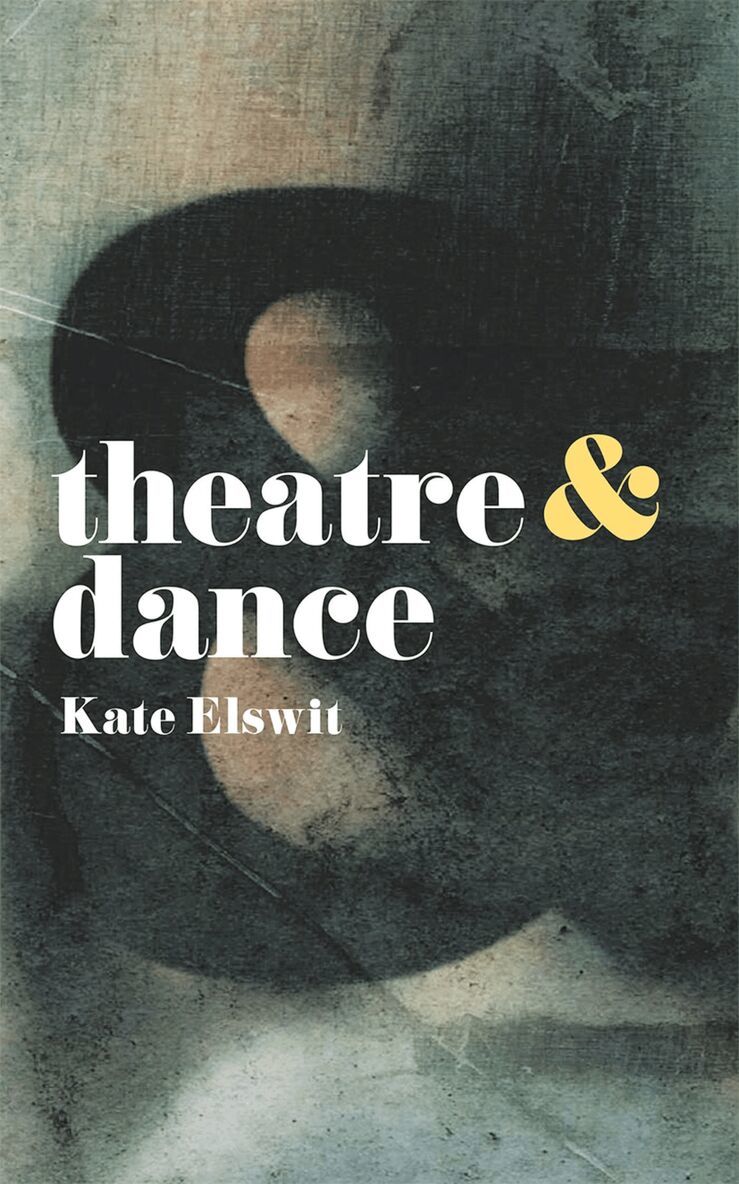
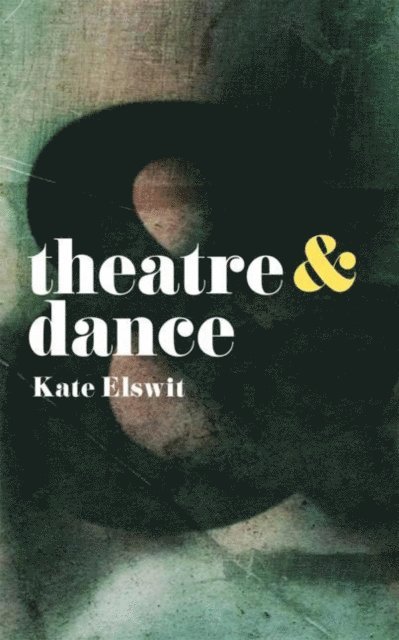
This succinct and engaging text explores the interdependence between theatre and dance. Making a compelling case for the significance of resisting genre distinctions in the arts, Kate Elswit demonstrates why and how the ampersand between theatre and dance needs to be understood as the rule, rather than the exception. This illuminating guide focuses on the interconnected ecosystems of practice that constitute performance history, the expansion of theatre and dance forms on contemporary North American and European stages, and the disciplinary methods that scholars use today to understand such practices, both past and present. Accessible and affordable, this is an ideal resource for theatre students and lovers everywhere.
E-bok
PDF, Engelska, 2017136 kr
Läs direkt efter köp
This succinct and engaging text explores the interdependence between theatre and dance. Making a compelling case for the significance of resisting genre distinctions in the arts, Kate Elswit demonstrates why and how the ampersand between theatre and dance needs to be understood as the rule, rather than the exception. This illuminating guide focuses on the interconnected ecosystems of practice that constitute performance history, the expansion of theatre and dance forms on contemporary North American and European stages, and the disciplinary methods that scholars use today to understand such practices, both past and present. Accessible and affordable, this is an ideal resource for theatre students and lovers everywhere.