Katharina Uhde - Böcker
Visar alla böcker från författaren Katharina Uhde. Handla med fri frakt och snabb leverans.
4 produkter
4 produkter
695 kr
Skickas inom 7-10 vardagar
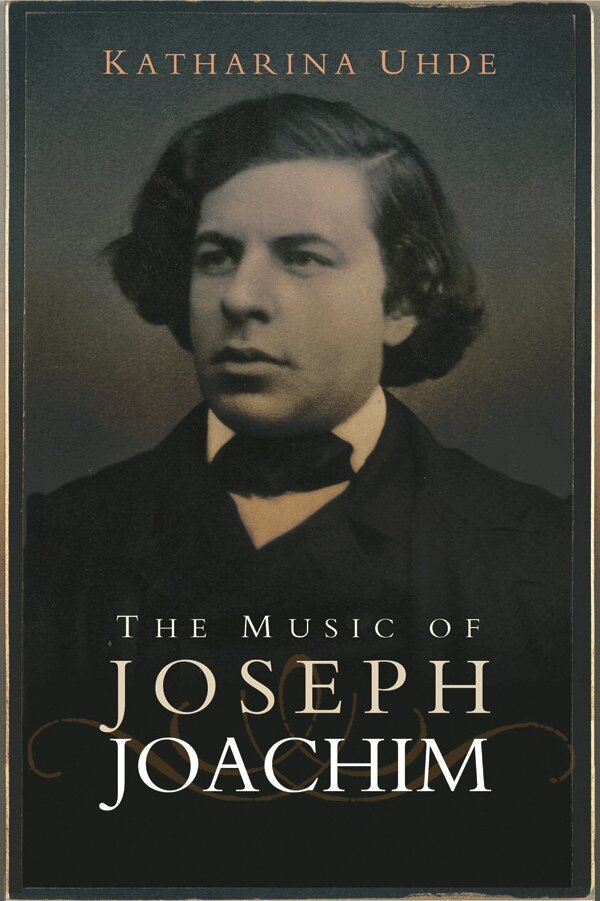
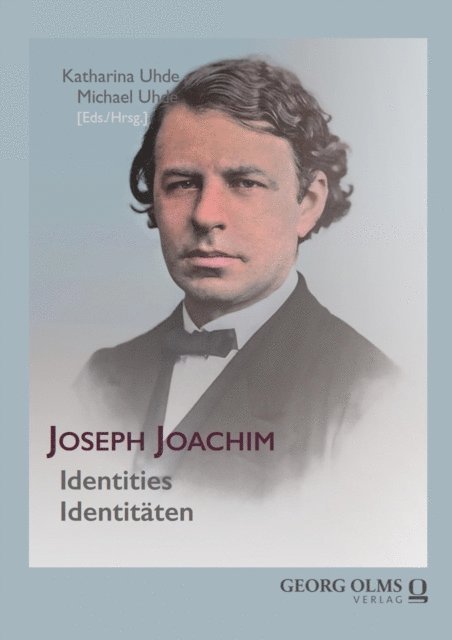
Joseph Joachim (1831-1907) was arguably the greatest violinist of the nineteenth century. But Joachim was also a composer of virtuoso pieces, violin concertos, orchestral overtures and chamber music works. Uhde's book will be thestandard work on the music of Joseph Joachim for many years to come.Joseph Joachim (1831-1907), of Jewish-Hungarian descent, was arguably the greatest violinist of the nineteenth century. His performing career in Berlin transformed the aesthetics and interpretation of German music. But Joachim wasalso a composer of virtuoso pieces, violin concertos, orchestral overtures, and chamber music works, all written between 1847 and 1864 in one intense outpouring of creativity.Katharina Uhde follows Joachim's compositionalpath through a changing cultural milieu. Joachim's compositions display intimate knowledge of the works of Mendelssohn, Wagner, Liszt, Schumann, and Brahms, yet he was no mere imitator. Joachim's style, classically conceived yetseasoned with a preference for dark, melancholy soundscapes and, in the earlier years, ciphers, virtuosity, and 'psychological' programmaticism, emerges as the product of various personal and socio-cultural currents: his search for national, religious, and cultural identity and a mature compositional style.Joachim's music drew on a wealth of treasures accumulated in his process of 'enculturation', which began with Mendelssohn in Leipzig. Joachim'saesthetic evolved from a deeply subjective approach, not insignificantly inspired by his muse, Gisela von Arnim. Her circle - the von Arnim and Grimm families - became Joachim's cultural and literary haven. But unforeseen events also impacted his output, among them Schumann's death, the ascent of the young Brahms, and the 'War of the Romantics'. Joachim's music throws light onto a vibrant decade, colored by realism, naturalism, new visual technologies, andemerging academic disciplines including psychology. Uhde's book will be the standard work on the music of Joseph Joachim for many years to come.KATHARINA UHDE is Assistant Professor for Violin and Musicology at Valparaiso University, IN.
1 617 kr
Skickas inom 7-10 vardagar
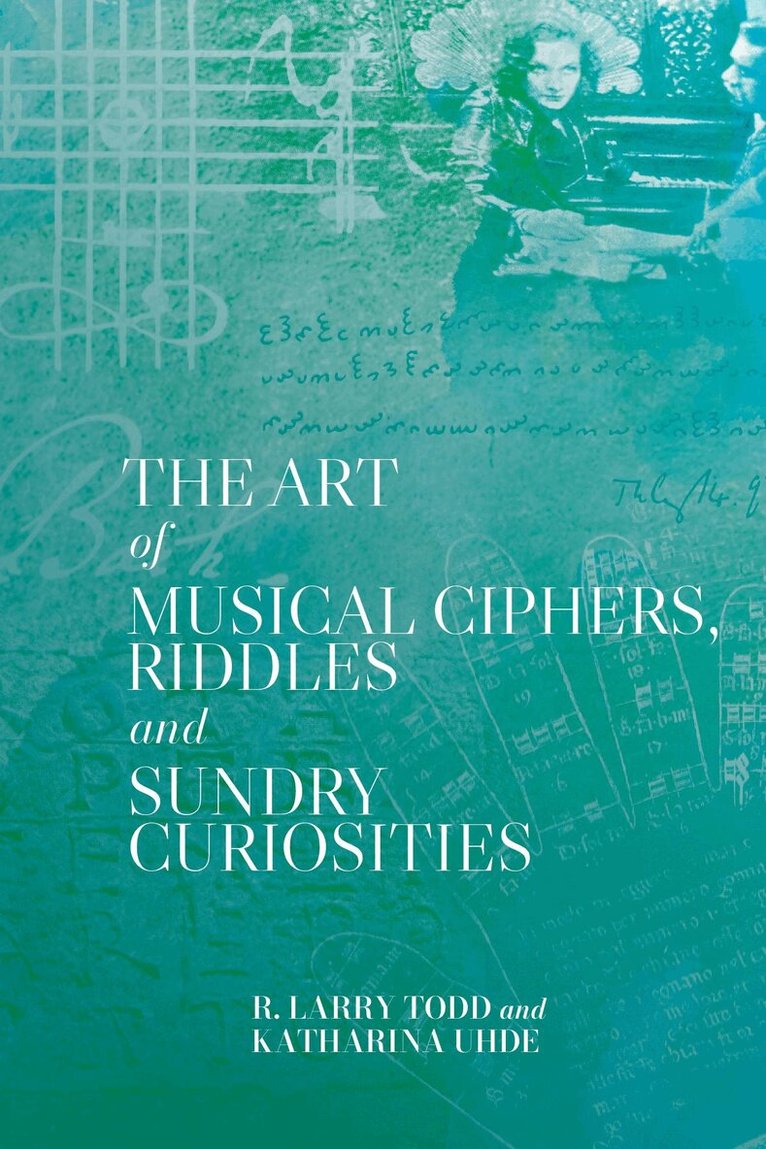
Offers the first comprehensive account of a centuries-old tradition of encrypting covert messages into music, from the Middle Ages to the present day.What do J. S. Bach, beef cabbage, coffee, the SATOR Square, and Marlene Dietrich have in common? Composers have enciphered these and many other words into music.Since time immemorial riddles have intrigued us, partly for their mirthful manner of connecting incongruous ideas, partly for their arresting way of opening fresh perspectives on our shared human condition. When we think of riddles, we normally recall verbal conundrums from cultures around the globe. But riddles can penetrate non-verbal aspects of our existence as well. Masking messages in music so that they lurk beneath the sonorous surface is an august Western tradition spanning the Middle Ages to the present. Known as musical cryptography, these puzzling pursuits form the subject of this book, construed broadly enough to capture not just musical ciphers and codes but also a curiosity shop of related techniques, which arguably can advance the greater virtue. They entertain, edify, and enthral, but also bewitch and bewilder, and, when unsolved, perplex and perturb.
507 kr
Skickas inom 7-10 vardagar
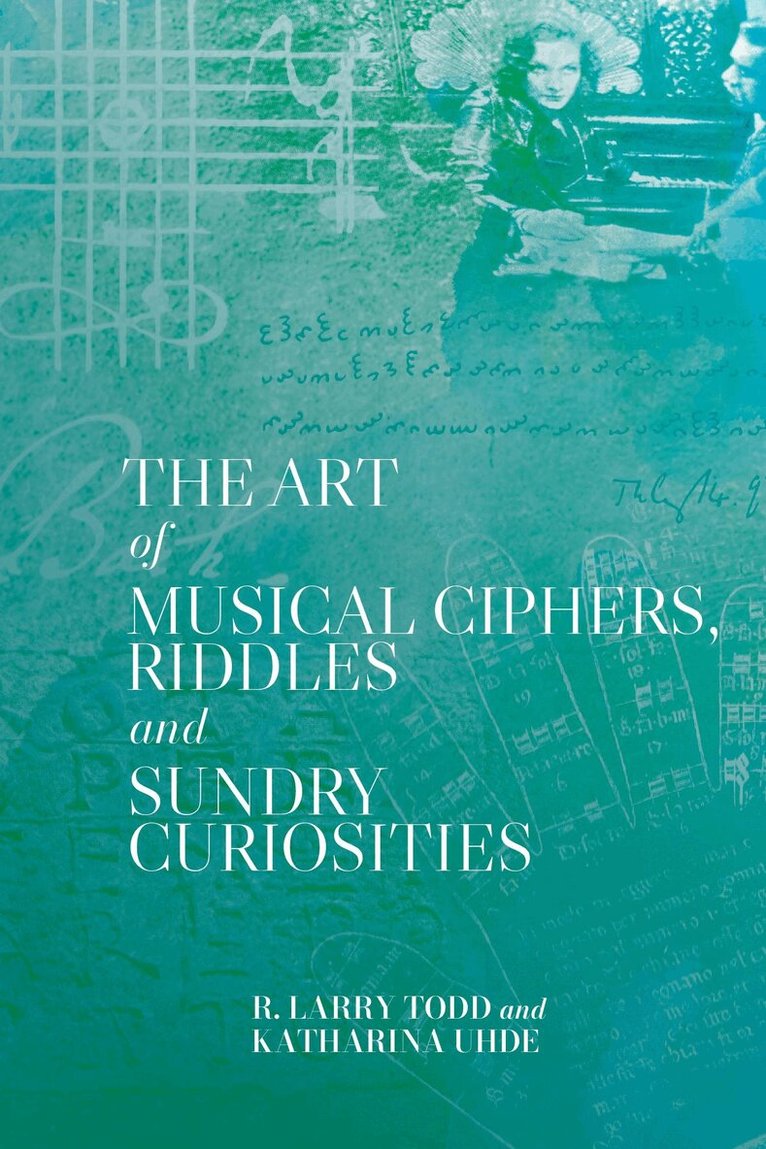
Offers the first comprehensive account of a centuries-old tradition of encrypting covert messages into music, from the Middle Ages to the present day.What do J. S. Bach, beef cabbage, coffee, the SATOR Square, and Marlene Dietrich have in common? Composers have enciphered these and many other words into music.Since time immemorial riddles have intrigued us, partly for their mirthful manner of connecting incongruous ideas, partly for their arresting way of opening fresh perspectives on our shared human condition. When we think of riddles, we normally recall verbal conundrums from cultures around the globe. But riddles can penetrate non-verbal aspects of our existence as well. Masking messages in music so that they lurk beneath the sonorous surface is an august Western tradition spanning the Middle Ages to the present. Known as musical cryptography, these puzzling pursuits form the subject of this book, construed broadly enough to capture not just musical ciphers and codes but also a curiosity shop of related techniques, which arguably can advance the greater virtue. They entertain, edify, and enthral, but also bewitch and bewilder, and, when unsolved, perplex and perturb.
405 kr
Skickas
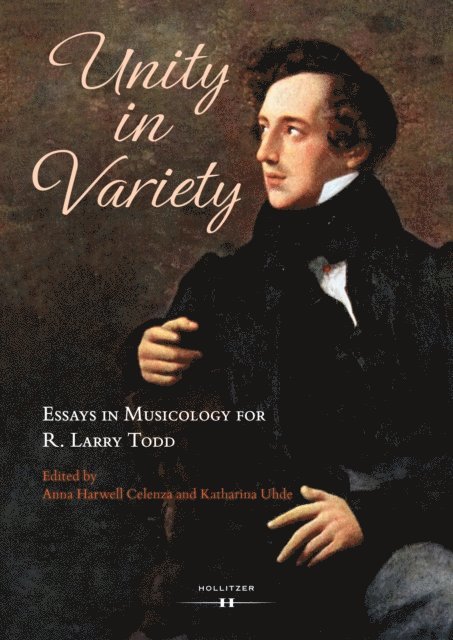
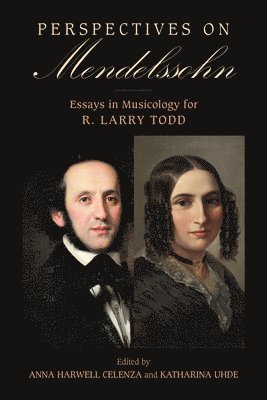
New essays on the Mendelssohns and their circle, illuminating their lives, works, and influence.Perspectives on Mendelssohn presents newly commissioned essays by a group of distinguished international music historians on the Mendelssohns' life, work, and influence on their contemporaries. In four sections, the book addresses Felix Mendelssohn's works and their reception by contemporary critics, Fanny Mendelssohn's works, and the circle of composers and performers who were influenced by them both. Among the essays are Douglass Seaton's discussion of Felix Mendelssohn's aesthetics, Leon Botstein's examination of the shadow of "German guilt" that has colored Mendelssohn's critical reception, Anna Harwell Celenza's discussion of Mendelssohn's presence in popular American music and film during the early twentieth century, Marcia J. Citron's discussion of Fanny Mendelssohn's lieder, and Katharina Uhde’s essay on Joseph Joachim. Many of these essays feature close analysis of musical examples from key works by these composers. This volume will appeal to serious listeners, musicologists, and students of the history and reception of the Romantic musical era.