Katharina Van Cauteren - Böcker
Visar alla böcker från författaren Katharina Van Cauteren. Handla med fri frakt och snabb leverans.
6 produkter
6 produkter
920 kr
Skickas inom 5-8 vardagar
Politics as Painting
Hendrick De Clerck (1560-1630) and the Archducal Enterprise of Empire
Inbunden, Nederländska, 2016
1 331 kr
Skickas inom 5-8 vardagar
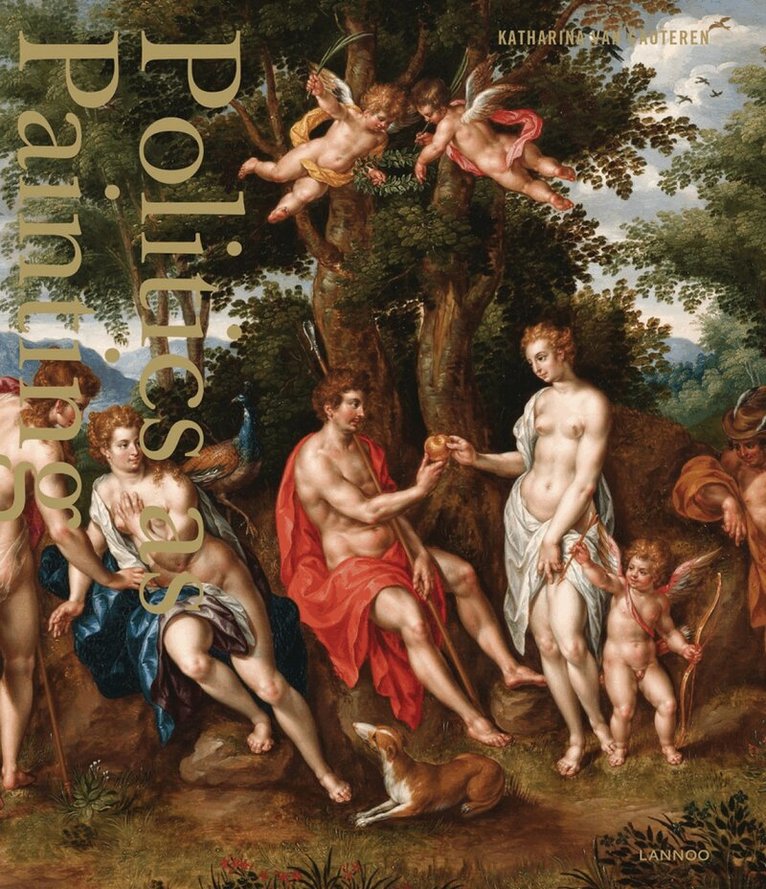
Apart from a handful of art historians no one has ever heard of the Brussels painter Hendrick De Clerck (1560-1630). Nevertheless, De Clerck was a contemporary of Peter Paul Rubens, the latter having gone down in history as an artistic trailblazer and painting powerhouse, while Hendrick De Clerck has quietly faded into oblivion. Yet the subtly coded, vibrantly coloured pictures that De Clerck painted for Archduke Albert of Austria and his wife Isabella are political propaganda of the highest order. In creating a mode of archducal representation that could help to gain an empire, the sky is quite literally the limit. De Clerck represents Isabella as wise Minerva, chaste Diana, the Virgin Mary. And that's nothing compared to her husband, for in De Clerck's paintings Albert is transformed into the sun god Apollo or even into Jesus Christ himself. Hendrick De Clerck's mastery of ingenious pictorial strategy made him a leading player in one of the most ambitious projects history has ever seen. For those who know how to read them, his paintings tell a story of power, political promises, and grandiose ambition. Most of all, they are supreme examples of image-building; for as the Archdukes were well aware, even as a monarch you're only as important as you make yourself.Text in English and Dutch.
554 kr
Skickas inom 5-8 vardagar
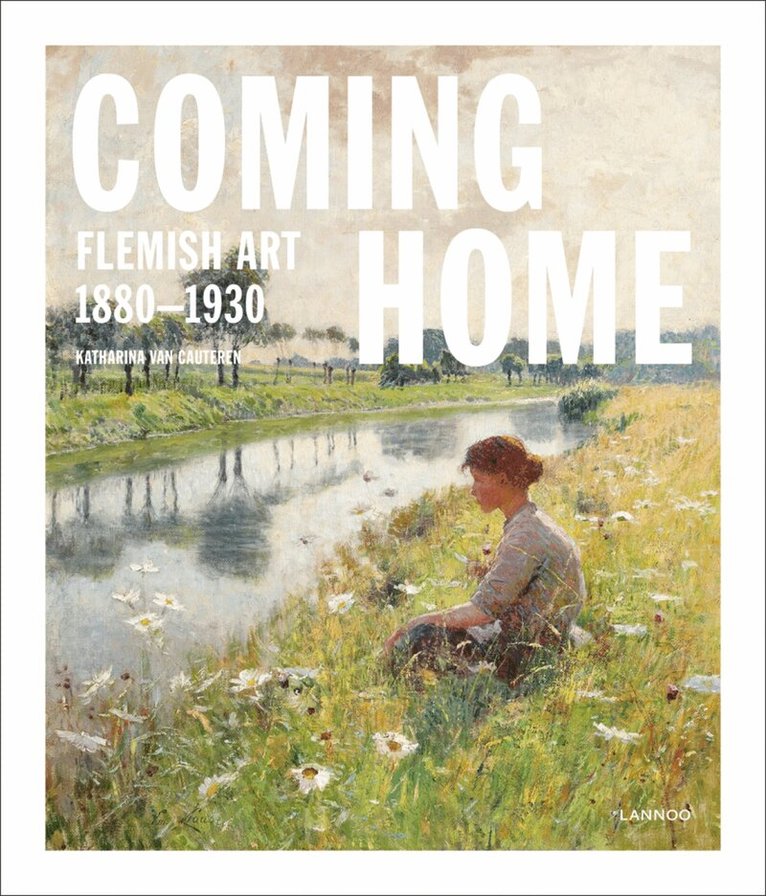
This beautifully illustrated book explores the artistic roots of Flemish identity during the last decades of the 19th century and the first decades of the 20th century. Through art, essays, poems, and reflections by artists, academics and collectors, it revives the cultural context of the Flemish Belle Eqoque. Featured here are works by Emile Claus, Valerius De Saedeleer, George Minne and Gustave Van de Woestyne, James Ensor, Rik Wouters and Léon Spilliaert, Constant Permeke, Gust De Smedt, Frits Van den Berghe and Edgard Tytgat.
519 kr
Skickas inom 7-10 vardagar
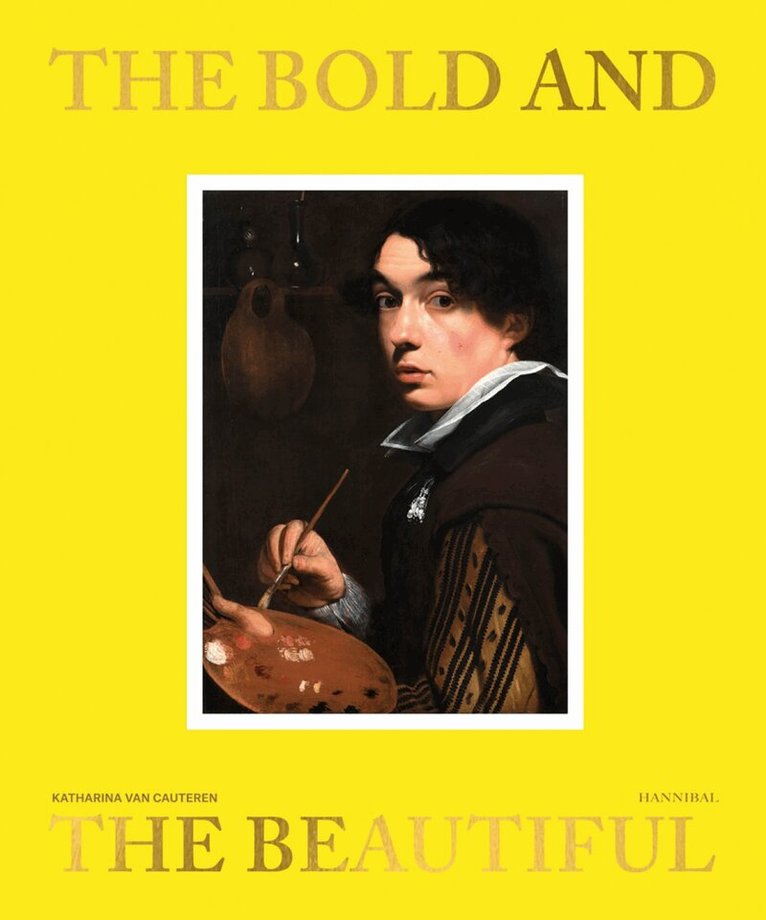
Men in stately black, women with huge ruffs, children with golden rattles, old women with wizened faces, and self-satisfied artists... These are the main players in just about every portrait ever painted in the Southern Netherlands. From the15th tothe 17th centuries, the tract of land that we today call Flanders was the economic, cultural, intellectual and financial heart of Europe. And money flows - with everyone who could afford it investing in a portrait.Today,these cherished status symbols of the past have largely lost their original significance. But beyond their functional and emotional aspects, these portraits turn their subjects into gateways to the past. This book takes masterpieces from the collection of The Phoebus Foundation and outlines the broad context in which they came into being,peeling back levels of meaning like the layers of an onion. Whether captured in an impressive Rubens or Van Dyck, or an intimate portrait bya forgotten artist, the persons portrayed were once flesh and blood, each with their own peculiarities, hidden agendas and ambitions. Some portraits are very personal and hyper-individual. Others are a little dusty, the ladies and gentleman being children of their time. In most cases, however, their dreams and aspirations are surprisingly timeless and soberingly recognisable.The Bold and the Beautifulis an appointment with history: a meeting through portraiture with men and women from bygone centuries. But for those willing to look closely, the border between the present and the past is paper-thin.Published on the occasion of the exhibition Blind Date.Portretten met blikken en blozen, Autumn 2020, in Snijders&Rockoxhuis Antwerp, curated by Dr. Katharina Van Cauteren & Hildegard Van de Velde with a scenography by Walter Van Beirendonck.
519 kr
Skickas inom 7-10 vardagar
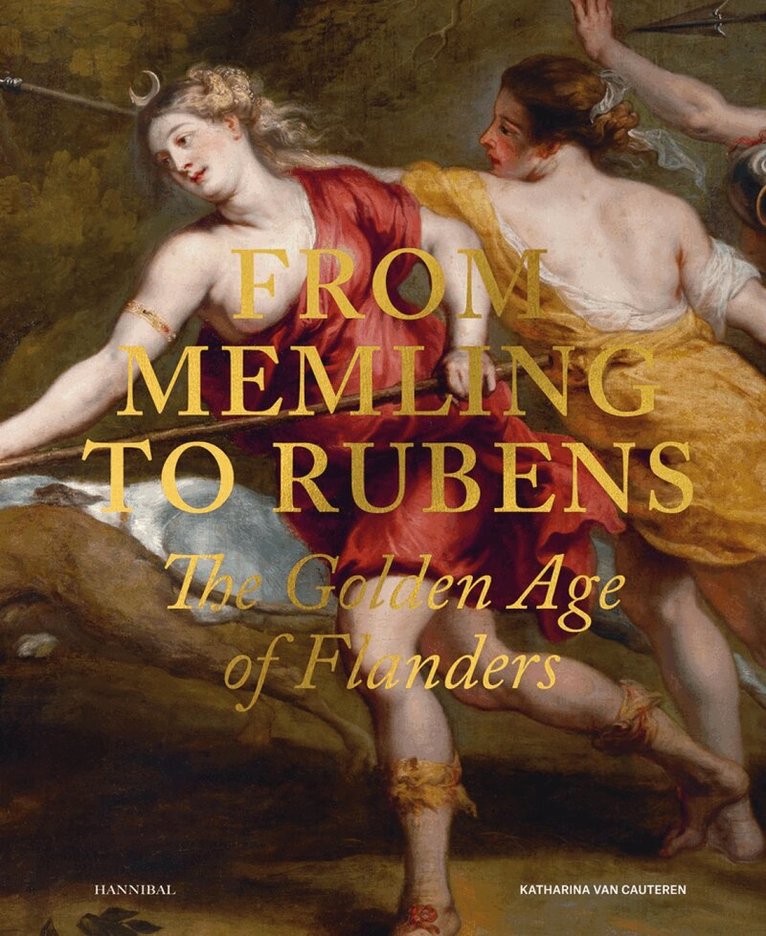
Why did Hans Memling paint everything in such minute detail? How did Rubens, in just a few brushstrokes, create special effects that Steven Spielberg would envy? And why was the Southern Netherlands the artistic centre of the world for three centuries?From Memling to Rubens: The Golden Age of Flanderstells the story of Flemish art from the 15th, 16th and 17th centuries, as you've never read it before. It's a rollercoaster ride through 300 years of cultural history. Leading the charge are breathtaking masterpieces from the collection of The Phoebus Foundation, unknown gemsby the likes of Hans Memling, Quinten Metsys, Peter Paul Rubens and Anthony Van Dyck that plunge you into a world full of folly and sin, fascination and ambition. Along the way you'll bump into dukes and emperors, rich citizens and poor saints, picture galleries like wine cellars, and Antwerp as Hollywood on the Scheldt.This is a stirring tale about the image and its meaning, and the link between culture and society. Above all, it's about us, and about who we are today - as people.Published on the occasion of the exhibition From Memling to Ruben - The Golden Age of Flanders,during Autumn 2020, in the Kadriorg Palace in Tallinn (Estonia).
587 kr
Kommande
Princess – Fifty Feisty Noblewomen is not a gallery of tiaras and fairytales. It is a book about power – and the price of wearing a crown. In fifty sharp, vividly researched portraits Dr Katharina Van Cauteren and Dr Leen Kelchtermans bring to life women who were far more than decorative consorts. Some ruled outright. Others governed through letters, lovers, wardrobes, or wombs. All of them manoeuvred within systems that were never designed for them – and bent those systems to their will. From Habsburg archduchesses to Bourbon rebels, from queens who carried empires in their dowries to widows who turned mourning into political theatre, these women lived where blood, faith and strategy collided. Their bodies were battlegrounds. Their marriages were treaties. Their jewels were propaganda. Yet within the strict choreography of court ritual, they found room for audacity, wit and sheer survival instinct. This is a book about dynasties, desire, and diplomacy – but also about loneliness, ambition, and resilience. It explores how a princess could be at once a pawn and a player, a mother and a monarch, an ornament and an architect of history. Written with scholarly precision and narrative flair, Princess dismantles the myth of passive royalty and replaces it with something far more compelling: women of flesh and blood, who refused to dissolve into courtly foam. Because a title was never just a title. It was a destiny.