Katherine Franke – författare
Visar alla böcker från författaren Katherine Franke. Handla med fri frakt och snabb leverans.
5 produkter
5 produkter
Häftad, Engelska, 2017
319 kr
Skickas inom 5-8 vardagar
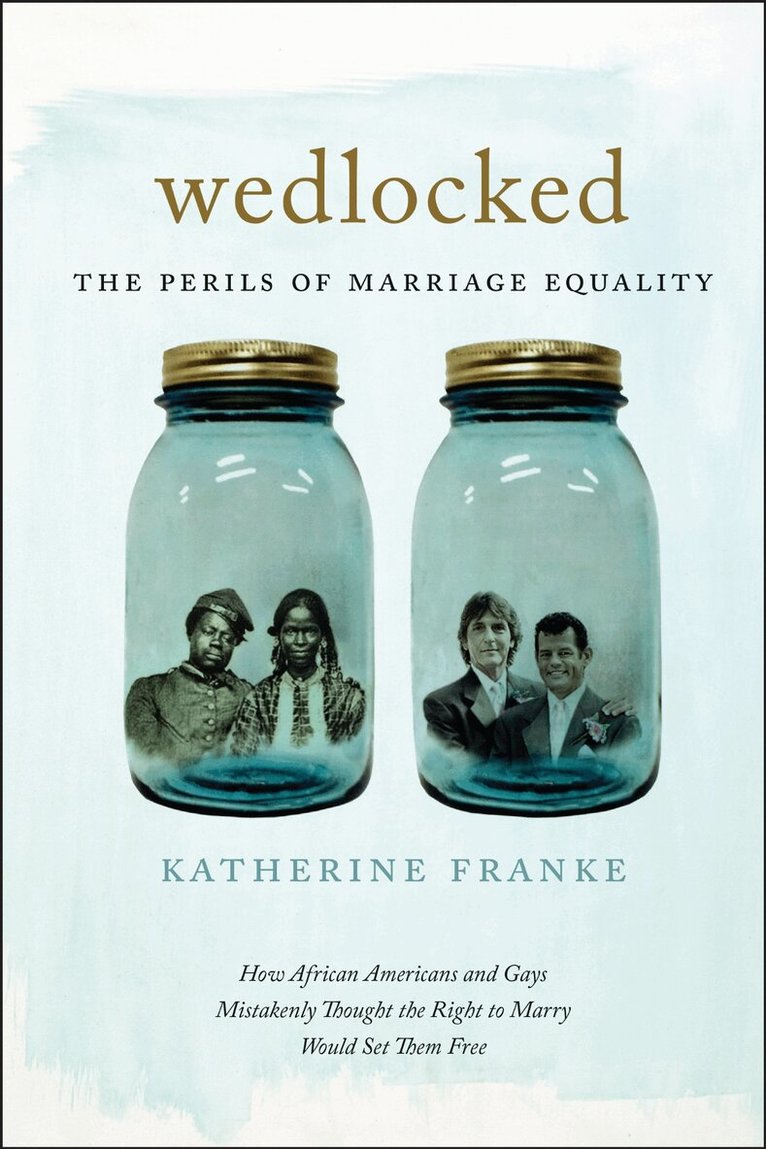
Compares today's same-sex marriage movement to the experiences of black people in the mid-nineteenth century. The staggering string of victories by the gay rights movement's campaign for marriage equality raises questions not only about how gay people have been able to successfully deploy marriage to elevate their social and legal reputation, but also what kind of freedom and equality the ability to marry can mobilize.Wedlocked turns to history to compare today's same-sex marriage movement to the experiences of newly emancipated black people in the mid-nineteenth century, when they were able to legally marry for the first time. Maintaining that the transition to greater freedom was both wondrous and perilous for newly emancipated people, Katherine Franke relates stories of former slaves' involvements with marriage and draws lessons that serve as cautionary tales for today's marriage rights movements. While "be careful what you wish for" is a prominent theme, they also teach us how the rights-bearing subject is inevitably shaped by the very rights they bear, often in ways that reinforce racialized gender norms and stereotypes. Franke further illuminates how the racialization of same-sex marriage has redounded to the benefit of the gay rights movement while contributing to the ongoing subordination of people of color and the diminishing reproductive rights of women.Like same-sex couples today, freed African-American men and women experienced a shift in status from outlaws to in-laws, from living outside the law to finding their private lives organized by law and state licensure. Their experiences teach us the potential and the perils of being subject to legal regulation: rights—and specifically the right to marriage—can both burden and set you free.
Inbunden, Engelska, 2015
930 kr
Skickas inom 5-8 vardagar
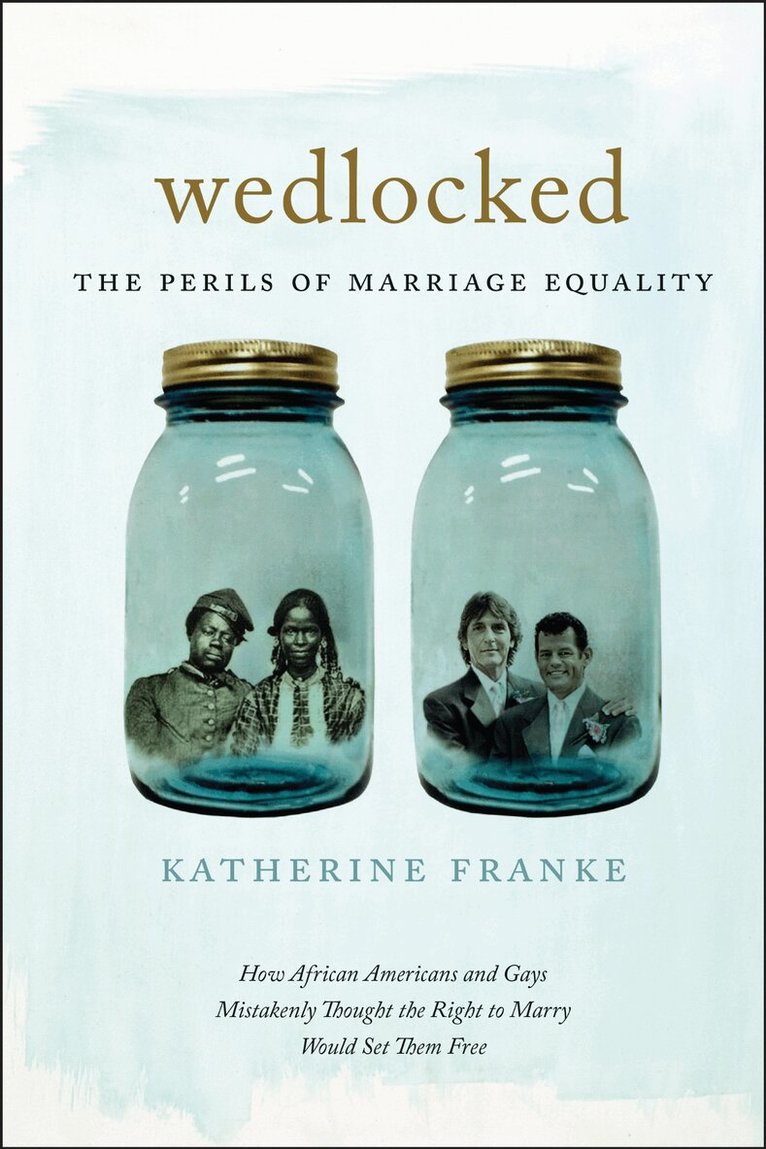
Compares today's same-sex marriage movement to the experiences of black people in the mid-nineteenth century. The staggering string of victories by the gay rights movement's campaign for marriage equality raises questions not only about how gay people have been able to successfully deploy marriage to elevate their social and legal reputation, but also what kind of freedom and equality the ability to marry can mobilize.Wedlocked turns to history to compare today's same-sex marriage movement to the experiences of newly emancipated black people in the mid-nineteenth century, when they were able to legally marry for the first time. Maintaining that the transition to greater freedom was both wondrous and perilous for newly emancipated people, Katherine Franke relates stories of former slaves' involvements with marriage and draws lessons that serve as cautionary tales for today's marriage rights movements. While "be careful what you wish for" is a prominent theme, they also teach us how the rights-bearing subject is inevitably shaped by the very rights they bear, often in ways that reinforce racialized gender norms and stereotypes. Franke further illuminates how the racialization of same-sex marriage has redounded to the benefit of the gay rights movement while contributing to the ongoing subordination of people of color and the diminishing reproductive rights of women.Like same-sex couples today, freed African-American men and women experienced a shift in status from outlaws to in-laws, from living outside the law to finding their private lives organized by law and state licensure. Their experiences teach us the potential and the perils of being subject to legal regulation: rights—and specifically the right to marriage—can both burden and set you free.
Inbunden, Engelska, 2019
285 kr
Skickas inom 5-8 vardagar
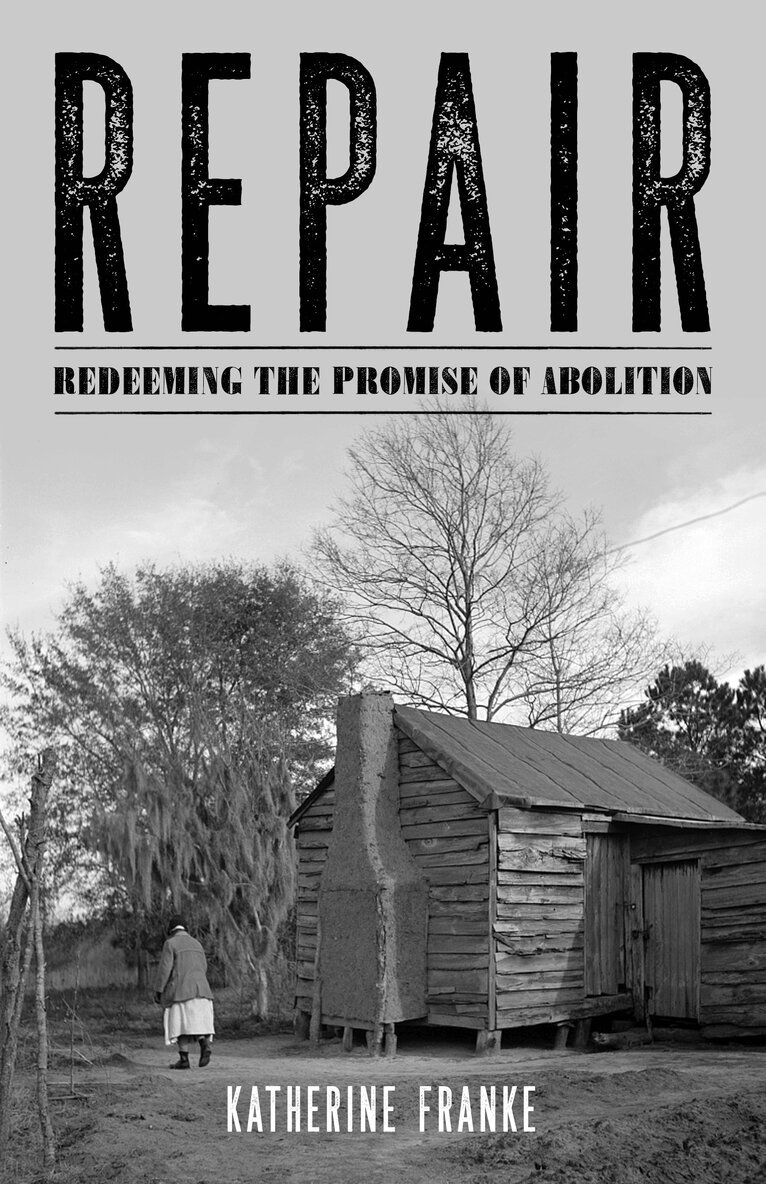
Katherine Franke makes a powerful case for reparations for Black Americans by amplifying the stories of formerly enslaved people and calling for repair of the damage caused by the legacy of American slavery. Repair invites readers to explore the historical context for reparations, offering a detailed account of the circumstances that surrounded the emancipation of enslaved Black people in two unique contexts, the Sea Islands of South Carolina and Davis Bend, Mississippi, Jefferson Davis’ former plantation. This is an updated second edition of the original book with new material from the author.
E-bok
Spanska, 2020121 kr
Läs direkt efter köp
¿Cuáles son las vinculaciones entre los feminismos y el derecho? ¿Qué entendemos por "feminismos jurídicos"? ¿Cuáles son las implicancias de pensar y hacer derecho desde este anclaje político? ¿Qué supone una lectura feminista jurídica situada? ¿Cómo se articulan las vías de recepción e inventiva feminista entre textos y problemas del Norte y Sur globales? Estas cuestiones, entre tantas otras, sustentan la arquitectura del libro. La traducción al castellano de cuatro artículos centrales del feminismo jurídico estadounidense, en las plumas de Kimberlé Crenshaw, Mary Joe Frug, Katherine Franke, Dean Spade y Craig Willse, revelan una apuesta por expandir los canales de circulación de discusiones labradas por los Feminist Legal Studies. Los comentarios que prosiguen a esas traducciones resguardan que esa expansión se dirija hacia recepciones posibles y a nuevas escrituras en estudios feministas del derecho en América Latina. Cada uno de los textos, las traducciones y sus comentarios delimita y propone asuntos dilemáticos que nos interpelan y nos mueven a pensar en las continuidades y disrupciones de los feminismos jurídicos según las latitudes, los momentos, los escenarios jurídico-políticos y los encuadres de la academia legal. Cada conjunto de problemas señala diversos recorridos de la producción jurídica feminista y marca una serie de contenidos y preguntas vigentes que ayudan a delinear la práctica docente, la praxis activista, la escritura y los debates iusfeministas.
Häftad, Engelska, 2021
206 kr
Tillfälligt slut
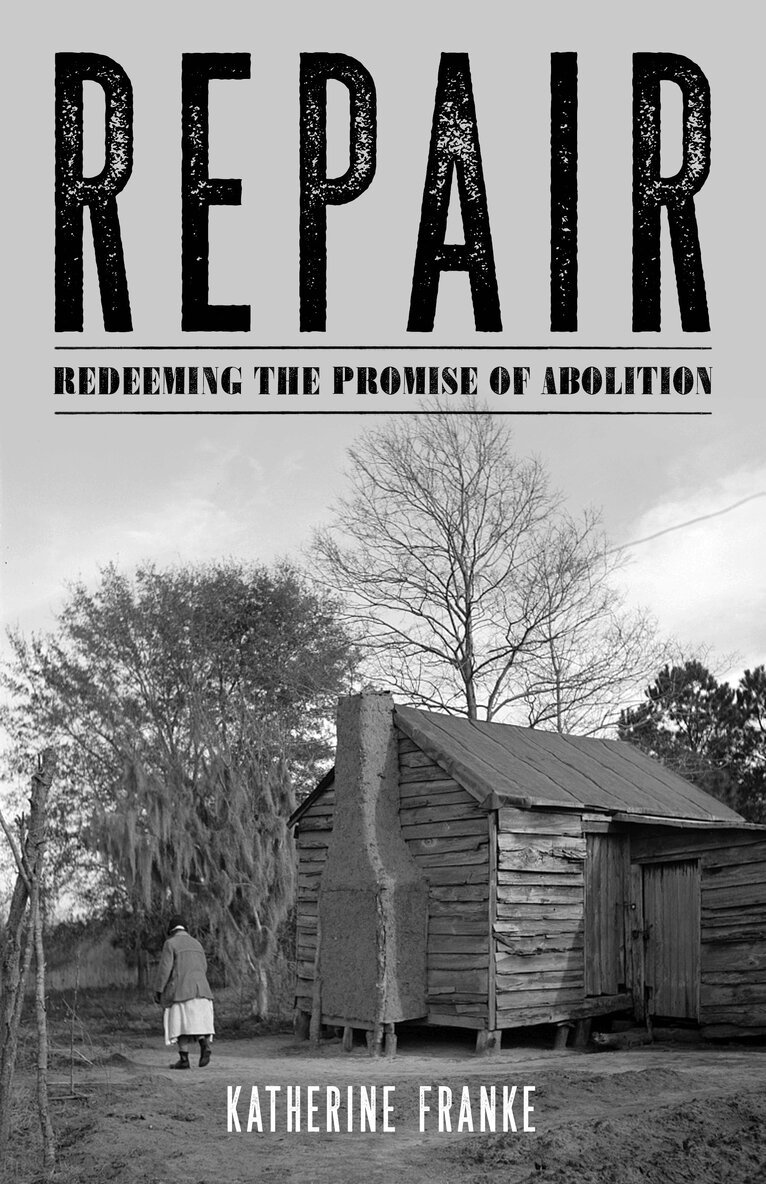
Katherine Franke makes a powerful case for reparations for Black Americans by amplifying the stories of formerly enslaved people and calling for repair of the damage caused by the legacy of American slavery. Repair invites readers to explore the historical context for reparations, offering a detailed account of the circumstances that surrounded the emancipation of enslaved Black people in two unique contexts, the Sea Islands of South Carolina and Davis Bend, Mississippi, Jefferson Davis’ former plantation. This is an updated second edition of the original book with new material from the author.