Katherine S. Newman – författare
Visar alla böcker från författaren Katherine S. Newman. Handla med fri frakt och snabb leverans.
21 produkter
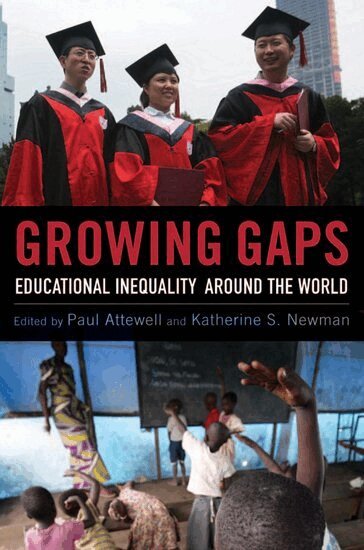
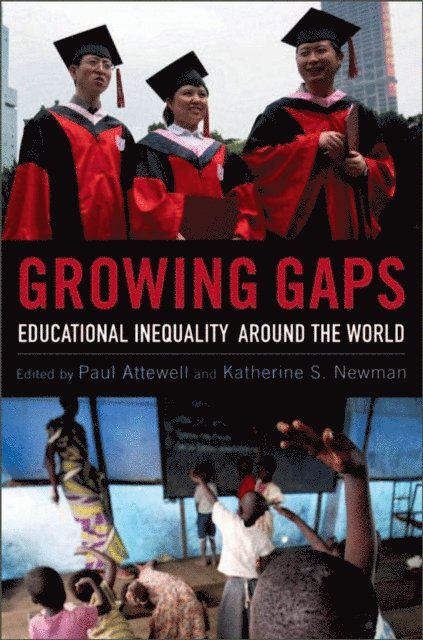
Growing Gaps
Educational Inequality around the World
Av Paul Attewell, Katherine S. Newman
Inbunden, 2010
1297 kr
Lägg i varukorg
As inequality grows rapidly both in post-industrial societies and in the high-growth economies of the developing world, its centrality and ubiquity among problems of interest to social scientists is becoming only more apparent. And among all of inequality's causes and manifestations, access to …
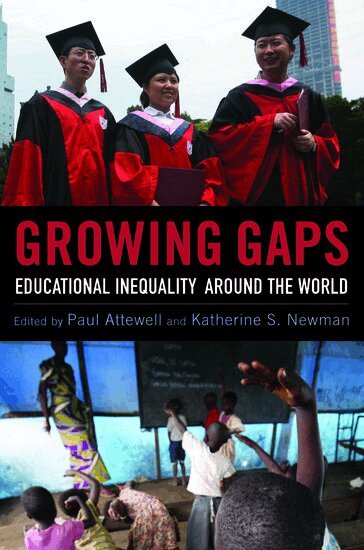
Growing Gaps
Educational Inequality around the World
Av Paul Attewell, Katherine S. Newman
Häftad, 2010
584 kr
Lägg i varukorg
As inequality grows rapidly both in post-industrial societies and in the high-growth economies of the developing world, its centrality and ubiquity among problems of interest to social scientists is becoming only more apparent. And among all of inequality's causes and manifestations, access to …
Discrimination in an Unequal World
Av Katherine S. Newman, Miguel Angel Centeno
E-bok, 2010
365 kr
Lägg i varukorg
Discrimination in an Unequal World explores the relationship between discrimination and inequality by comparing and examining what effect globalization has had on discrimination. Investigating a broad variety of social relations and practices with an equally broad array of methods, it establishes a …
Growing Gaps
Educational Inequality around the World
Av Katherine S. Newman, Paul Attewell
E-bok, 2010
380 kr
Lägg i varukorg
The last half century has seen a dramatic expansion in access to primary, secondary, and higher education in many nations around the world. Educational expansion is desirable for a country''s economy, beneficial for educated individuals themselves, and is also a strategy for greater social harmony. …
Growing Gaps
Educational Inequality around the World
Av Katherine S. Newman, Paul Attewell
E-bok, 2010
380 kr
Lägg i varukorg
The last half century has seen a dramatic expansion in access to primary, secondary, and higher education in many nations around the world. Educational expansion is desirable for a country''s economy, beneficial for educated individuals themselves, and is also a strategy for greater social harmony. …
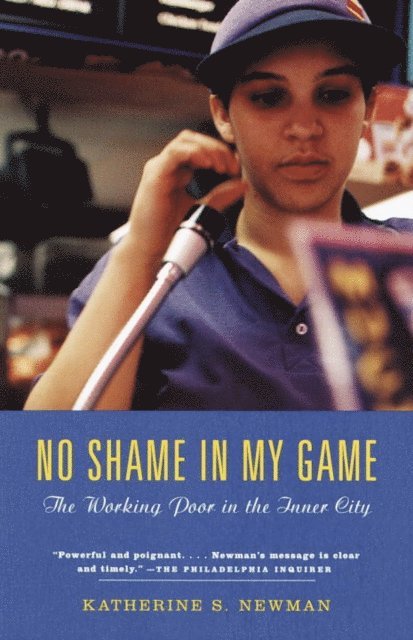
No Shame in My Game
The Working Poor in the Inner City
E-bok, 2009
99 kr
Lägg i varukorg
"Powerful and poignant.... Newman''s message is clear and timely." -- The Philadelphia Inquirer In No Shame in My Game , Harvard anthropologist Katherine Newman gives voice to a population for whom work, family, and self-esteem are top priorities despite all the factors that make earning a living …
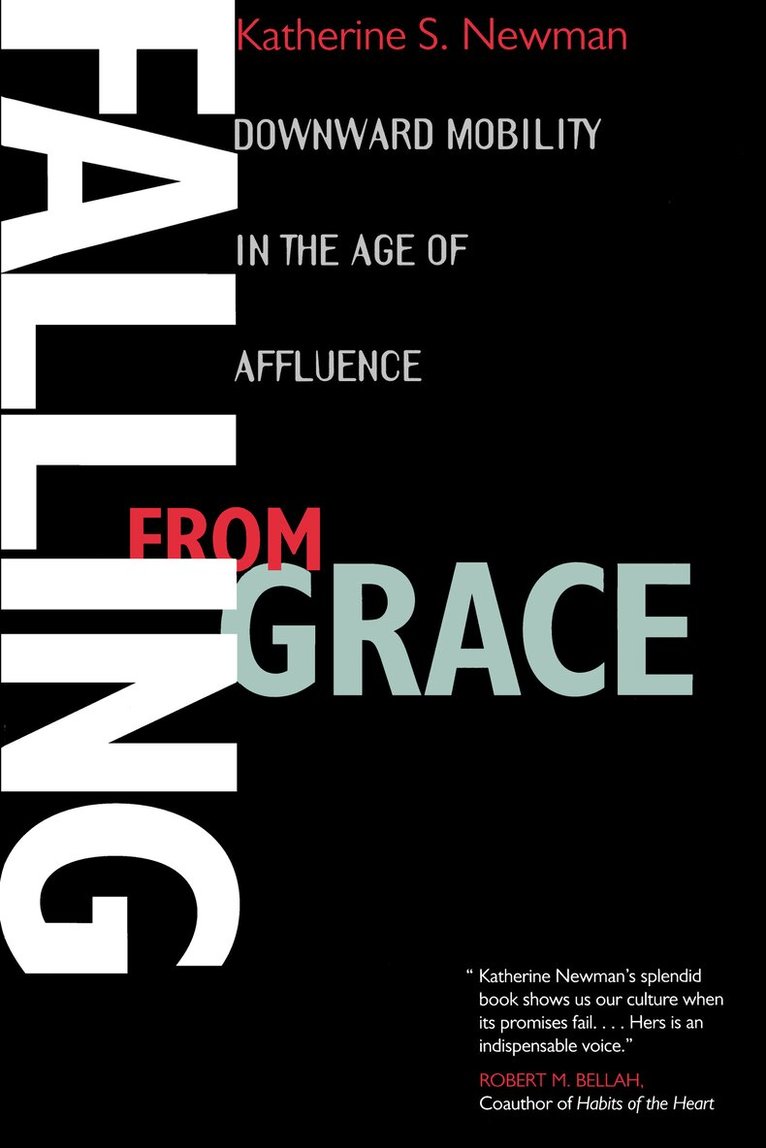
Falling from Grace
Downward Mobility in the Age of Affluence
Häftad, 1999
400 kr
Lägg i varukorg
Over the last three decades, millions of people have slipped through a loophole in the American dream and become downwardly mobile as a result of downsizing, plant closings, mergers, and divorce: the middle-aged computer executive laid off during an industry crisis, blue-collar workers phased out …
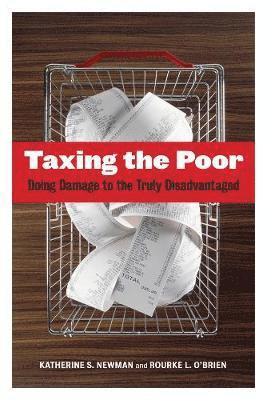
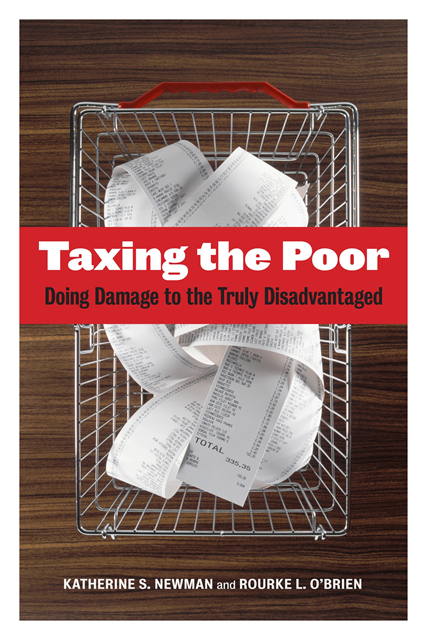
Taxing the Poor
Doing Damage to the Truly Disadvantaged
Av Katherine S. Newman, Rourke O'Brien
Häftad, 2011
263 kr
Lägg i varukorg
This book looks at the way we tax the poor in the United States, particularly in the American South, where poor families are often subject to income taxes, and where regressive sales taxes apply even to food for home consumption. Katherine S. Newman and Rourke L. O'Brien argue that these policies …
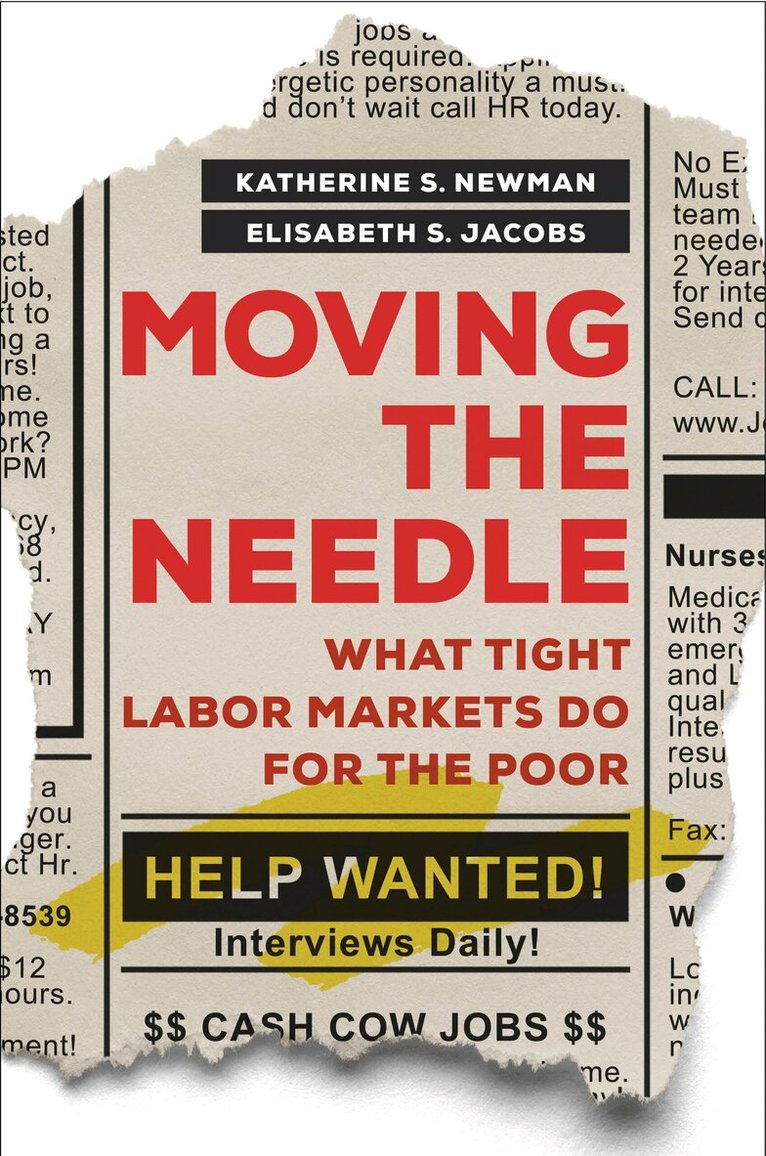
Moving the Needle
What Tight Labor Markets Do for the Poor
Av Katherine S. Newman, Elisabeth S. Jacobs
Inbunden, 2023
263 kr
Lägg i varukorg
This timely investigation reveals how sustained tight labor markets improve the job prospects and life chances of America’s most vulnerable households.Most research on poverty focuses on the damage caused by persistent unemployment. But what happens when jobs are plentiful and workers are hard to …
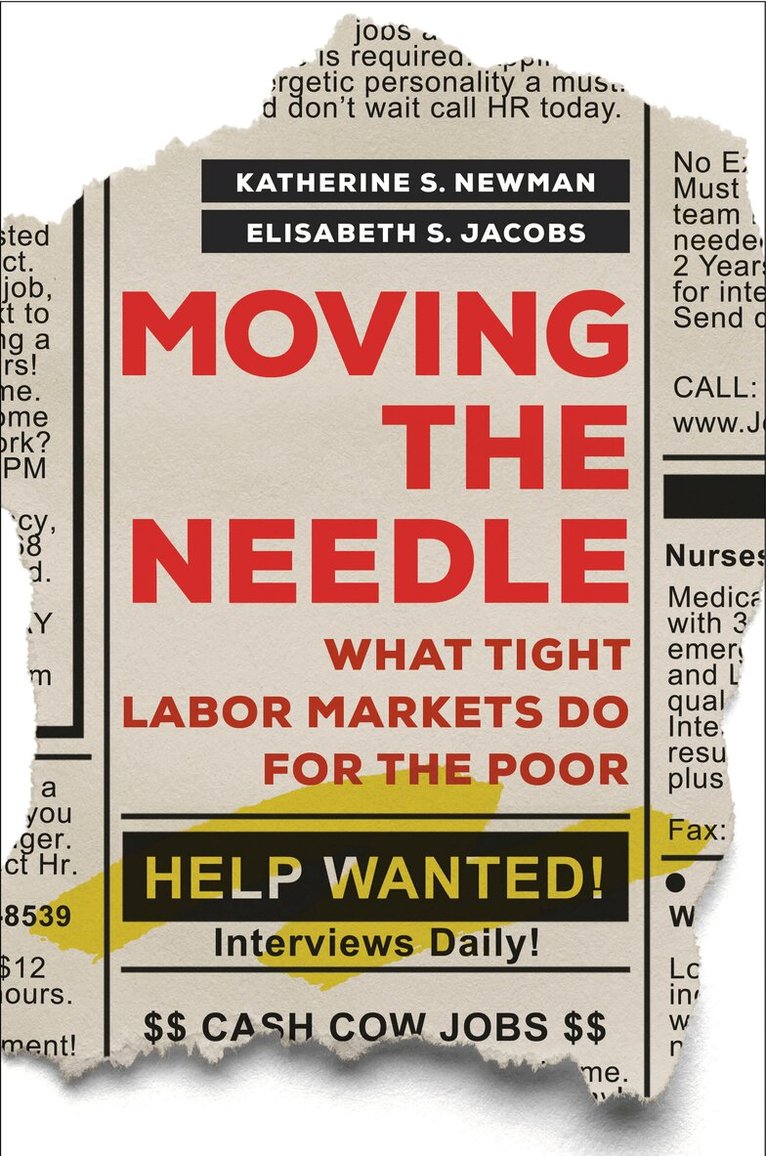
Moving the Needle
What Tight Labor Markets Do for the Poor
Av Katherine S. Newman, Elisabeth S. Jacobs
Häftad, 2025
220 kr
Lägg i varukorg
This timely investigation reveals how sustained tight labor markets improve the job prospects and life chances of America’s most vulnerable households.Most research on poverty focuses on the damage caused by persistent unemployment. But what happens when jobs are plentiful and workers are hard to …
Taxing the Poor
Doing Damage to the Truly Disadvantaged
Av Rourke O'Brien, Katherine S. Newman
E-bok, 2011
433 kr
Lägg i varukorg
This book looks at the way we tax the poor in the United States, particularly in the American South, where poor families are often subject to income taxes, and where regressive sales taxes apply even to food for home consumption. Katherine S. Newman and Rourke L. O’Brien argue that these policies …
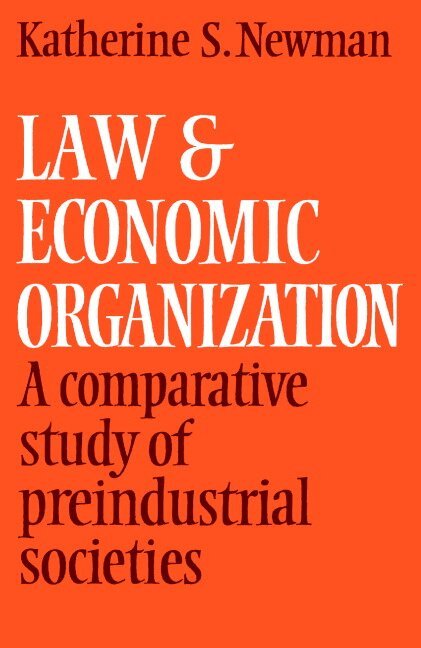
Law and Economic Organization
A Comparative Study of Preindustrial Studies
Häftad, 1983
487 kr
Lägg i varukorg
The question why certain kinds of legal institutions are found in certain kinds of societies has been little explored by anthropologists. In this book Katherine Newman examines a sample of some sixty different preindustrial societies, distributed across the world, in an attempt to explain why their …
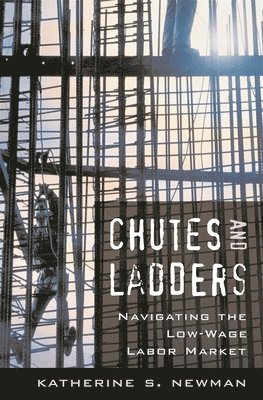
Chutes and Ladders
Navigating the Low-Wage Labor Market
Häftad, 2008
314 kr
Lägg i varukorg
Now that the welfare system has been largely dismantled, the fate of America's poor depends on what happens to them in the low-wage labor market. In this timely volume, Katherine S. Newman explores whether the poorest workers and families benefited from the tight labor markets and good economic …
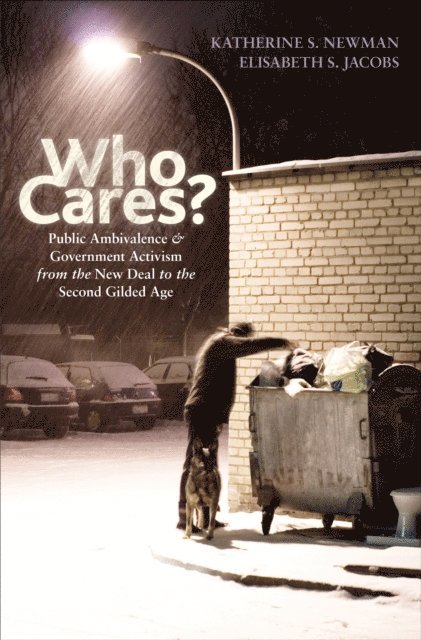
Who Cares?
Public Ambivalence and Government Activism from the New Deal to the Second Gilded Age
Av Katherine S. Newman, Elisabeth S. Jacobs
Inbunden, 2010
383 kr
Lägg i varukorg
Americans like to think that they look after their own, especially in times of hardship. Particularly for the Great Depression and the Great Society eras, the collective memory is one of solidarity and compassion for the less fortunate. Who Cares? challenges this story by examining opinion polls …
Accordion Family
Boomerang Kids, Anxious Parents,and the Private Toll of Global Competition
E-bok, 2012
203 kr
Lägg i varukorg
Why are adults in their twenties and thirties boomeranging back to or never leaving their parents'' homes in the world''s wealthiest countries? Acclaimed sociologist Katherine Newman addresses this phenomenon in this timely and original book that uncovers fascinating links between globalization and …
Accordion Family
Boomerang Kids, Anxious Parents, and the Private Toll of Global Competition
Häftad, 2013
187 kr
Lägg i varukorg
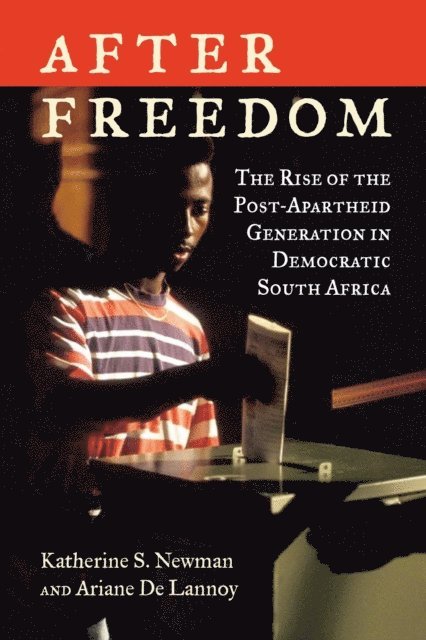
After Freedom
The Rise of the Post-Apartheid Generation in Democratic South Africa
Av Ariane De Lannoy, Katherine S. Newman
E-bok, 2014
261 kr
Lägg i varukorg
Twenty years after the end of apartheid, a new generation is building a multiracial democracy in South Africa but remains mired in economic inequality and political conflict. The death of Nelson Mandela in 2013 arrived just short of the twentieth anniversary of South Africa’s first free election, …
After Freedom
The Rise of the Post-Apartheid Generation in Democratic South Africa
Av Katherine S. Newman, Ariane De Lannoy
Häftad, 2015
372 kr
Lägg i varukorg
Who Cares?
Public Ambivalence and Government Activism from the New Deal to the Second Gilded Age
Av Elisabeth S. Jacobs, Katherine S. Newman
E-bok, 2010
514 kr
Lägg i varukorg
Why major changes to America''s social safety net have always required bold presidential leadership Americans like to think that they look after their own, especially in times of hardship. Particularly for the Great Depression and the Great Society eras, the collective memory is one of solidarity …
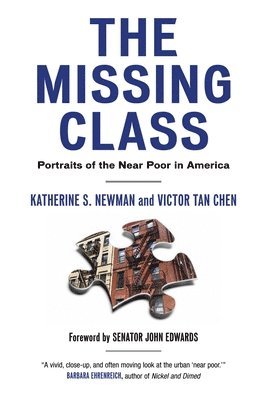
The Missing Class: Portraits of the Near Poor in America
Av Katherine S. Newman, Victor Tan Chen
Häftad, 2008
258 kr
Tillfälligt slut