Kathleen M. Vogel – författare
Visar alla böcker från författaren Kathleen M. Vogel. Handla med fri frakt och snabb leverans.
6 produkter
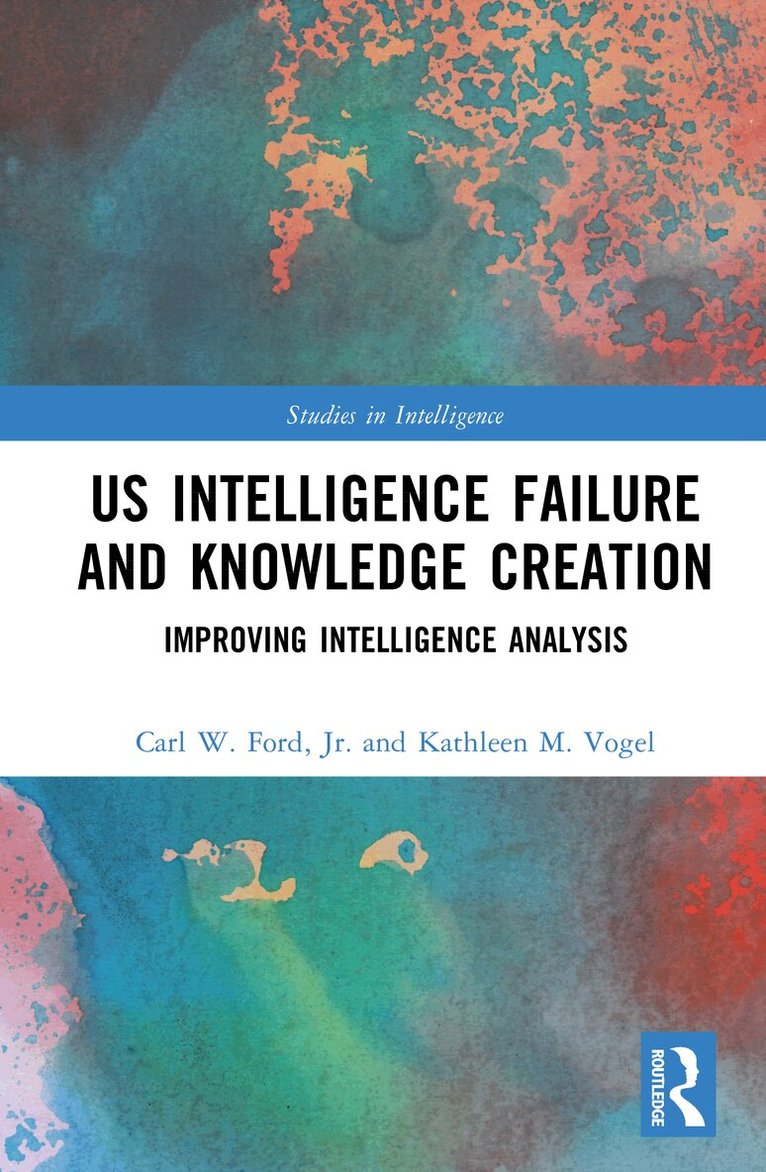
US Intelligence Failure and Knowledge Creation
Improving Intelligence Analysis
Av Carl W. Ford, Jr., Kathleen M. Vogel
Inbunden, 2025
2513 kr
Lägg i varukorg
This book examines the roots and elements of the research and knowledge-generation problems in US intelligence.The work identifies the crux of the problem as the lack of a research capability in US intelligence, which has developed over the past 40 years due to a variety of organizational decisions …
US Intelligence Failure and Knowledge Creation
Improving Intelligence Analysis
Av Kathleen M. Vogel, Jr. Carl W. Ford
E-bok, 2025
745 kr
Lägg i varukorg
This book examines the roots and elements of the research and knowledge-generation problems in US intelligence.The work identifies the crux of the problem as the lack of a research capability in US intelligence, which has developed over the past 40 years due to a variety of organizational decisions …
US Intelligence Failure and Knowledge Creation
Improving Intelligence Analysis
Av Kathleen M. Vogel, Jr. Carl W. Ford
E-bok, 2025
745 kr
Lägg i varukorg
This book examines the roots and elements of the research and knowledge-generation problems in US intelligence.The work identifies the crux of the problem as the lack of a research capability in US intelligence, which has developed over the past 40 years due to a variety of organizational decisions …
BioGovernance Commons and China’s Role in Global Risk Governance
Av Joy Y. Zhang, Kathleen M. Vogel m. fl.
Inbunden, 2026
1534 kr
Lägg i varukorg
This volume addresses the critical question of how scientific collaboration can remain possible in an era of deepening geopolitical tension, without denying difference or enforcing false consensus. It is the outcome of an ongoing, real transnational forum on biogovernance commons, and offers a …
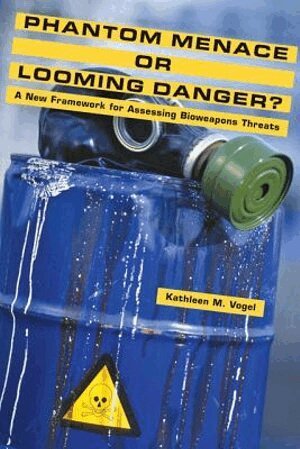
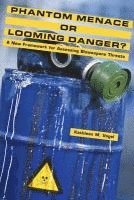
Phantom Menace or Looming Danger?
A New Framework for Assessing Bioweapons Threats
Inbunden, 2013
633 kr
Tillfälligt slut
The horrifying terrorist attacks on September 11, 2001, and the anthrax strikes that soon followed gave the United States new reason to fear unconventional enemies and atypical weapons. These fears have prompted extensive research, study, and planning within the U.S. military, intelligence, and …
Phantom Menace or Looming Danger?
A New Framework for Assessing Bioweapons Threats
Häftad, 2013
326 kr
Tillfälligt slut
The horrifying terrorist attacks on September 11, 2001, and the anthrax strikes that soon followed gave the United States new reason to fear unconventional enemies and typical weapons. These fears have prompted extensive research, study, and planning within the U.S. military, intelligence, and …