Kausik Bandyopadhyay – författare
677 kr
Skickas inom 10-15 vardagar
2 313 kr
Skickas inom 10-15 vardagar
677 kr
Skickas inom 10-15 vardagar
2 313 kr
Skickas inom 10-15 vardagar
677 kr
Skickas inom 10-15 vardagar
1 450 kr
Skickas inom 10-15 vardagar
2 179 kr
Skickas inom 10-15 vardagar
231 kr
Skickas inom 10-15 vardagar
1 338 kr
Skickas inom 10-15 vardagar
525 kr
Skickas inom 10-15 vardagar
1 338 kr
Skickas inom 10-15 vardagar
2 313 kr
Skickas inom 10-15 vardagar
584 kr
Läs direkt efter köp
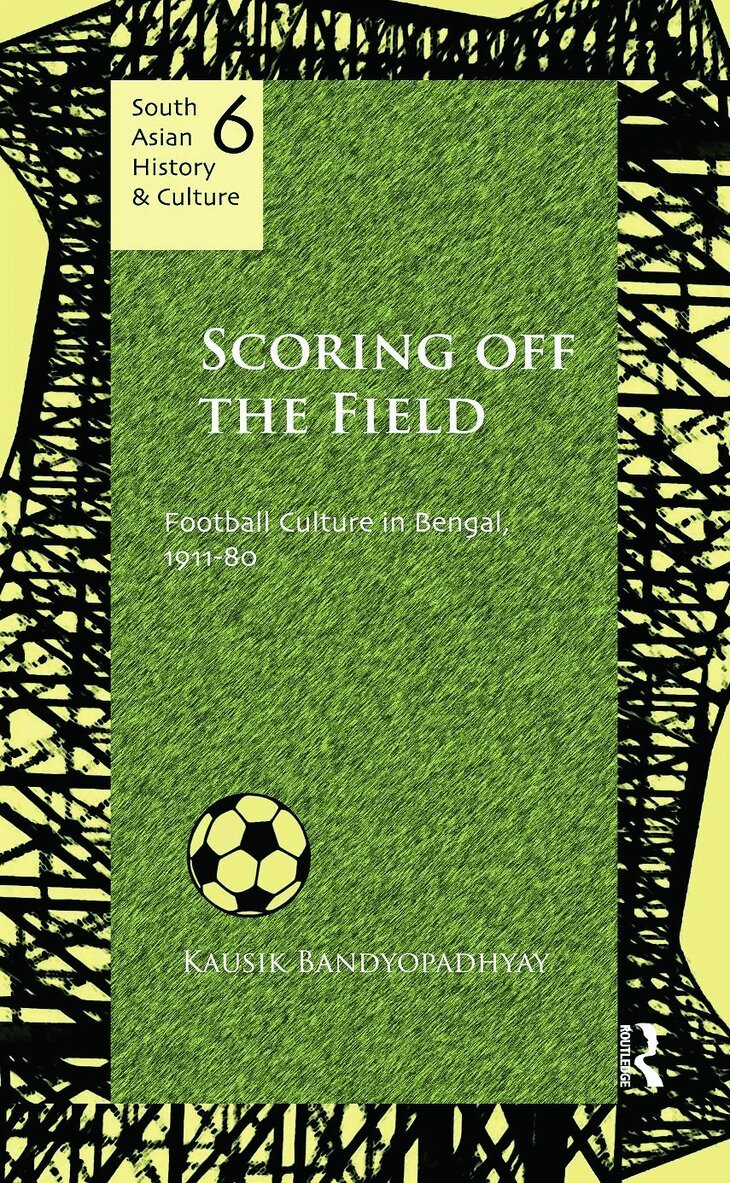
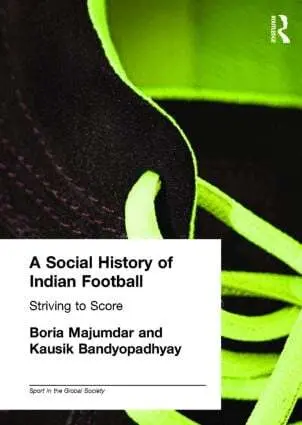
This book examines how football, as a mass spectator sport, came to represent a novel, unique cultural identity of Bengali people in terms of nation, community, region/locality and club, contributing to the continuity of everyday socio-cultural life. It explains how football became a viable popular social force with a rare emotional spontaneity and peculiar self-expressive fan culture against the background of anti-imperial nationalist movement and postcolonial political tension and social transformation. In the process, it investigates certain key questions and problems in the social history of football in Bengal, which have hitherto been ignored in the existing works on the subject.
The author offers some original arguments in treating football as a cultural phenomenon, setting it squarely in the context of Bengali politics and society. It strengthens the premise that social history of South Asian sport can be meaningfully understood only by looking beyond the sports field. The study, using sport as a lens, has tried to consider some relevant themes of social history, and brings forth important issues of political and cultural history of 20th-century Bengal. Simultaneously, it highlights the transformed role of football as an instrument of reaction, resistance and subversion. It indicates that the football field of Bengal proves to be a mirror image of what society experiences in its cultural and political field, through a series of historical projections of identity, difference and culture.
584 kr
Läs direkt efter köp
This book examines how football, as a mass spectator sport, came to represent a novel, unique cultural identity of Bengali people in terms of nation, community, region/locality and club, contributing to the continuity of everyday socio-cultural life. It explains how football became a viable popular social force with a rare emotional spontaneity and peculiar self-expressive fan culture against the background of anti-imperial nationalist movement and postcolonial political tension and social transformation. In the process, it investigates certain key questions and problems in the social history of football in Bengal, which have hitherto been ignored in the existing works on the subject.
The author offers some original arguments in treating football as a cultural phenomenon, setting it squarely in the context of Bengali politics and society. It strengthens the premise that social history of South Asian sport can be meaningfully understood only by looking beyond the sports field. The study, using sport as a lens, has tried to consider some relevant themes of social history, and brings forth important issues of political and cultural history of 20th-century Bengal. Simultaneously, it highlights the transformed role of football as an instrument of reaction, resistance and subversion. It indicates that the football field of Bengal proves to be a mirror image of what society experiences in its cultural and political field, through a series of historical projections of identity, difference and culture.
775 kr
Läs direkt efter köp
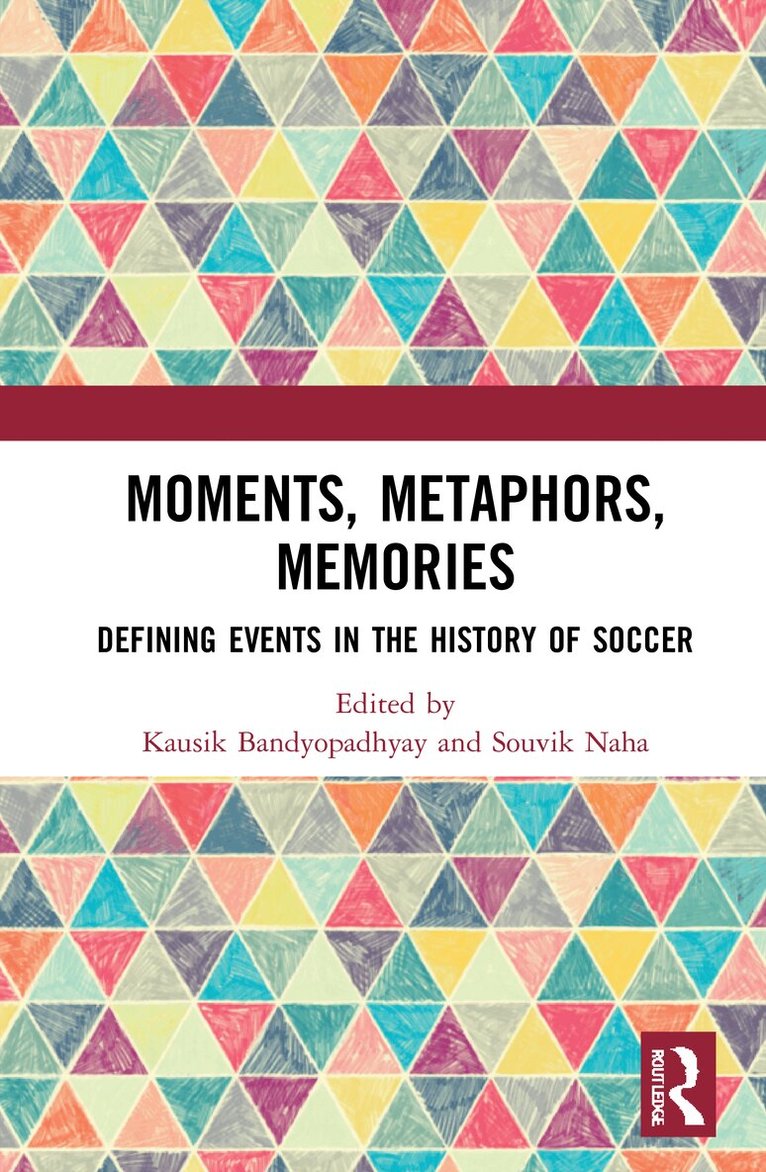
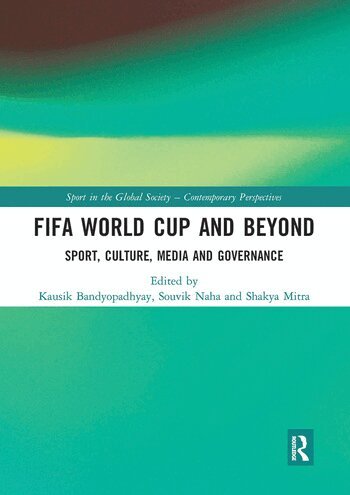
As the most popular mass spectator sport across the world, soccer generates key moments of significance on and off the field, encapsulated in events that create metaphors and memories, with wider social, cultural, psychological, political, commercial and aesthetic implications. Since its inception as a modern game, the history of soccer has been replete with events that have changed the organization, meanings and impact of the sport. The passage from the club to the nation or from the local to the global often opens up transnational spaces that provide a context for studying the events that have ‘defined’ the sport and its followers. Such defining events can include sporting performances, decisions taken by various stakeholders of the game, accidents and violence among players and fans, and invention of supporter cultures, among other things.
The present volume attempts to document, identify and analyse some of the defining events in the history of soccer from interdisciplinary and comparative perspectives. It revisits the discourses of signification and memorialization of such events that have influenced society, culture, politics, religion, and commerce.
This book was originally published as a special issue of the journal Soccer & Society.
775 kr
Läs direkt efter köp
As the most popular mass spectator sport across the world, soccer generates key moments of significance on and off the field, encapsulated in events that create metaphors and memories, with wider social, cultural, psychological, political, commercial and aesthetic implications. Since its inception as a modern game, the history of soccer has been replete with events that have changed the organization, meanings and impact of the sport. The passage from the club to the nation or from the local to the global often opens up transnational spaces that provide a context for studying the events that have ‘defined’ the sport and its followers. Such defining events can include sporting performances, decisions taken by various stakeholders of the game, accidents and violence among players and fans, and invention of supporter cultures, among other things.
The present volume attempts to document, identify and analyse some of the defining events in the history of soccer from interdisciplinary and comparative perspectives. It revisits the discourses of signification and memorialization of such events that have influenced society, culture, politics, religion, and commerce.
This book was originally published as a special issue of the journal Soccer & Society.
775 kr
Läs direkt efter köp
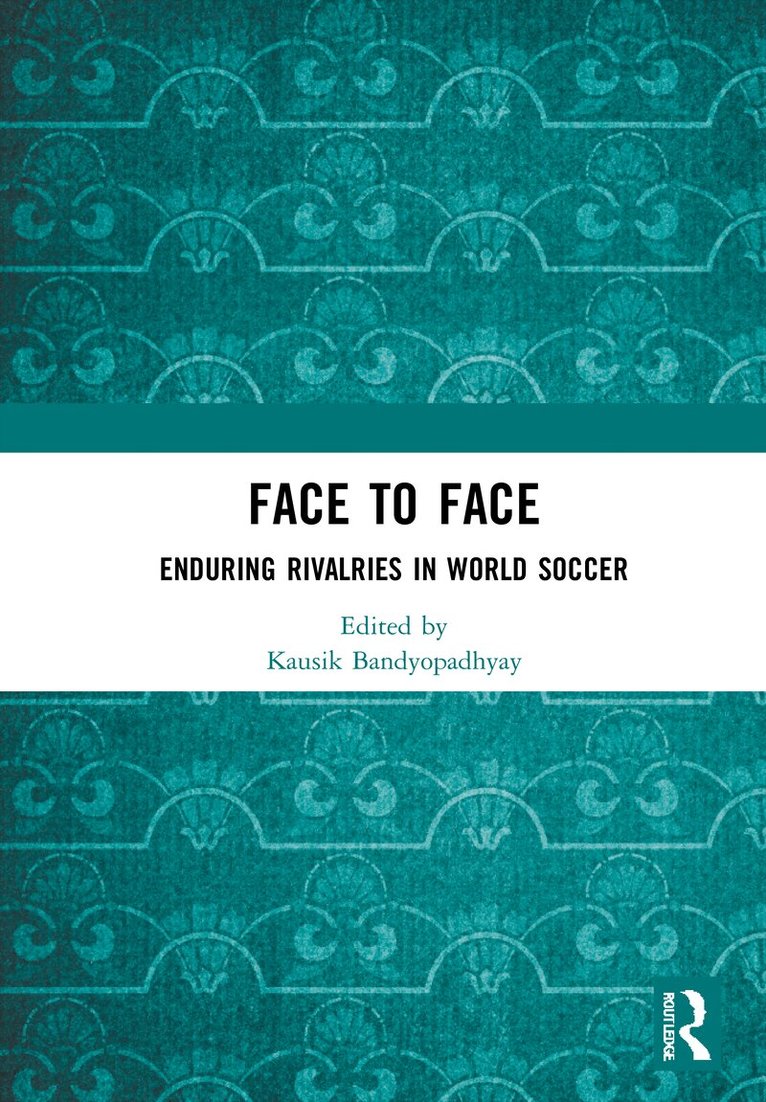
While rivalry is embedded in any sporting event or performance, soccer, the world’s most popular mass spectator sport, has been an emblem of such rivalries since its inception as an organized sport. Some of these rivalries grow to become long-term and perennial by their nature, extent, impact and legacy, from the local to the global level. They represent identities based on widely diverse affiliations of human life—locality, region, nation, continent, community, class, culture, religion, ethnicity, and so on. Yet, at times, such rivalries transcend barriers of space and time, where soccer-clubs, -nations, -personalities, -organizations, -styles and -fans float and compete with intriguing identities.
The present volume brings into focus some of the most fascinating and enduring rivalries in the world of soccer. It attempts to encapsulate, analyse and reconstruct those rivalries—between nations, between clubs, between personalities, between styles of play, between fandoms, and between organizations—in a historical perspective in relation to diverse identities, competing ideologies, contestations of power, psychologies of attachment, bonds of loyalty, notions of enmity, articulations of violence, and affinities of fan culture—some of the core manifestations of sporting rivalry.
The chapters in this book were originally published as a special issue of Soccer & Society.
775 kr
Läs direkt efter köp
While rivalry is embedded in any sporting event or performance, soccer, the world’s most popular mass spectator sport, has been an emblem of such rivalries since its inception as an organized sport. Some of these rivalries grow to become long-term and perennial by their nature, extent, impact and legacy, from the local to the global level. They represent identities based on widely diverse affiliations of human life—locality, region, nation, continent, community, class, culture, religion, ethnicity, and so on. Yet, at times, such rivalries transcend barriers of space and time, where soccer-clubs, -nations, -personalities, -organizations, -styles and -fans float and compete with intriguing identities.
The present volume brings into focus some of the most fascinating and enduring rivalries in the world of soccer. It attempts to encapsulate, analyse and reconstruct those rivalries—between nations, between clubs, between personalities, between styles of play, between fandoms, and between organizations—in a historical perspective in relation to diverse identities, competing ideologies, contestations of power, psychologies of attachment, bonds of loyalty, notions of enmity, articulations of violence, and affinities of fan culture—some of the core manifestations of sporting rivalry.
The chapters in this book were originally published as a special issue of Soccer & Society.
723 kr
Läs direkt efter köp
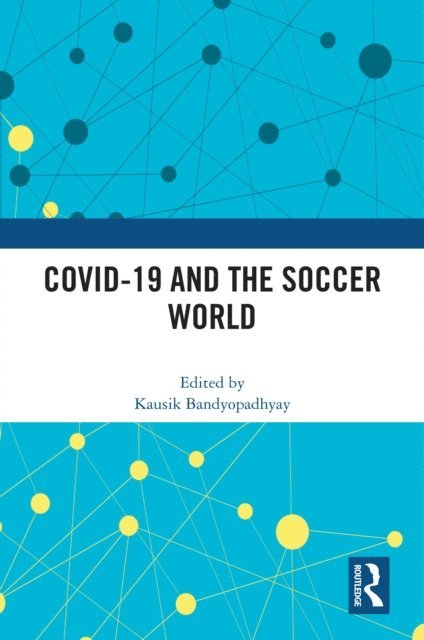
The spread of COVID-19 and the consequent pandemic since early 2020 have brought about unprecedented changes in all spheres of global life, creating a new sense of (in)security with social distancing, physical isolation, quarantine and lockdown becoming buzzwords to combat the disease. As in all spheres of life, the first wave of the pandemic posed serious challenges to the world of soccer, with diverse and intriguing responses across the globe.
This book documents the early impressions and initial responses of various stakeholders of the soccer world to the challenges of COVID-19 in 2020. It reveals how the process of confrontation, negotiation, adjustment and overcoming against such challenges necessitated and inspired novel responses and strong improvisations from soccer bodies to players, referees to spectators, and journalists to sponsors. This process has revealed abrupt as well as radical changes in the organization, rules, spectatorship and telecast of the game, thereby affecting the game’s cultural dimensions, commercial prospects and political implications. The volume points out that the way soccer has adjusted to the ‘new normal’ standard of the ‘COVID Regime’ has elicited newer meanings and nuanced representations of the game.
The chapters in this book were originally published as a special issue of the journal, Soccer & Society.
723 kr
Läs direkt efter köp
The spread of COVID-19 and the consequent pandemic since early 2020 have brought about unprecedented changes in all spheres of global life, creating a new sense of (in)security with social distancing, physical isolation, quarantine and lockdown becoming buzzwords to combat the disease. As in all spheres of life, the first wave of the pandemic posed serious challenges to the world of soccer, with diverse and intriguing responses across the globe.
This book documents the early impressions and initial responses of various stakeholders of the soccer world to the challenges of COVID-19 in 2020. It reveals how the process of confrontation, negotiation, adjustment and overcoming against such challenges necessitated and inspired novel responses and strong improvisations from soccer bodies to players, referees to spectators, and journalists to sponsors. This process has revealed abrupt as well as radical changes in the organization, rules, spectatorship and telecast of the game, thereby affecting the game’s cultural dimensions, commercial prospects and political implications. The volume points out that the way soccer has adjusted to the ‘new normal’ standard of the ‘COVID Regime’ has elicited newer meanings and nuanced representations of the game.
The chapters in this book were originally published as a special issue of the journal, Soccer & Society.
2 313 kr
Skickas inom 10-15 vardagar
632 kr
Skickas inom 10-15 vardagar
2 164 kr
Skickas inom 10-15 vardagar
691 kr
Skickas inom 10-15 vardagar
965 kr
Läs direkt efter köp
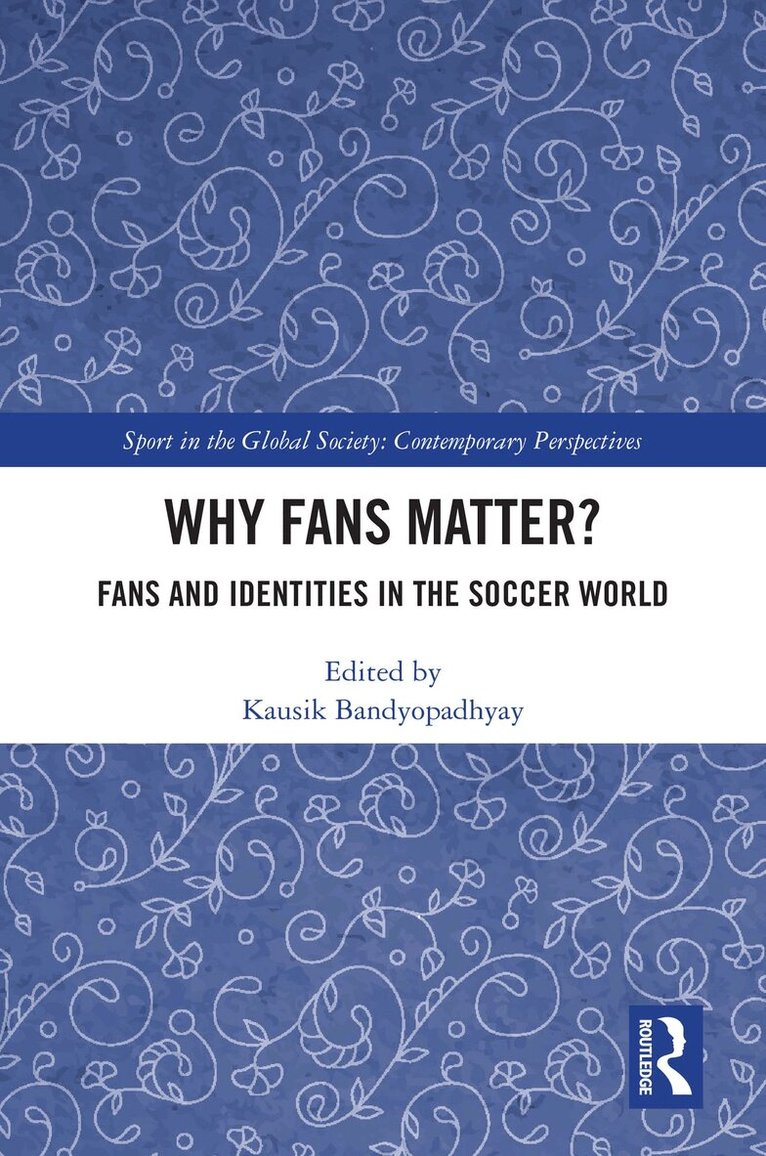
This book explores the meanings, significances, and impacts of the complex identities that soccer fans, especially those of men''s soccer, represent worldwide. The chapters in this volume construct and reconstruct fandom in terms of diverse fan affiliations from local to global level, and from national to transnational spaces.
Soccer or (association) football is a game where fans come alive with one goal. It is soccer’s fanbase that has made it the most popular mass spectator sport in the world. Since the sport’s growth and its codification in the late nineteenth century, soccer and its followers became markers of varied identities. This volume is an attempt to understand the soccer fan’s tryst with such identities, mostly at the level of professional men’s football in different parts of the world. Fans create, represent, break, recreate, transcend, complicate and confuse diverse identities in their attachments with and loyalties to particular clubs, nations, continents, spaces, communities, races, ethnicities, and players. These identities are given shape through the display and observance of diverse forms of fandom and fan subcultures. Against this wider backdrop, the book brings out the commonalities, conflicts and tensions within these fan identities.
Why Fans Matter? Fans and Identities in the Soccer World will be a fascinating read for anybody with an interest in sport and its intersection with disciplines such as sociology, political science, history, media studies, or cultural studies.
The chapters in this book were originally published as a special issue of Soccer & Society.
965 kr
Läs direkt efter köp
This book explores the meanings, significances, and impacts of the complex identities that soccer fans, especially those of men''s soccer, represent worldwide. The chapters in this volume construct and reconstruct fandom in terms of diverse fan affiliations from local to global level, and from national to transnational spaces.
Soccer or (association) football is a game where fans come alive with one goal. It is soccer’s fanbase that has made it the most popular mass spectator sport in the world. Since the sport’s growth and its codification in the late nineteenth century, soccer and its followers became markers of varied identities. This volume is an attempt to understand the soccer fan’s tryst with such identities, mostly at the level of professional men’s football in different parts of the world. Fans create, represent, break, recreate, transcend, complicate and confuse diverse identities in their attachments with and loyalties to particular clubs, nations, continents, spaces, communities, races, ethnicities, and players. These identities are given shape through the display and observance of diverse forms of fandom and fan subcultures. Against this wider backdrop, the book brings out the commonalities, conflicts and tensions within these fan identities.
Why Fans Matter? Fans and Identities in the Soccer World will be a fascinating read for anybody with an interest in sport and its intersection with disciplines such as sociology, political science, history, media studies, or cultural studies.
The chapters in this book were originally published as a special issue of Soccer & Society.
2 225 kr
Kommande
2 225 kr
Kommande
543 kr
Skickas inom 10-15 vardagar
511 kr
Skickas inom 10-15 vardagar