Keith D. Stanglin – författare
Visar alla böcker från författaren Keith D. Stanglin. Handla med fri frakt och snabb leverans.
15 produkter
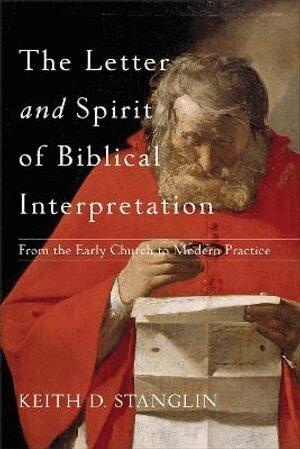
Letter and Spirit of Biblical Interpretation – From the Early Church to Modern Practice
Häftad, 2018
289 kr
Lägg i varukorg
For the better part of fifteen centuries, Christians read Scripture on two complementary levels, the literal and the spiritual. In the modern period, the spiritual sense gradually became marginalized in favor of the literal sense. The Bible came to be read and interpreted like any other book. This …
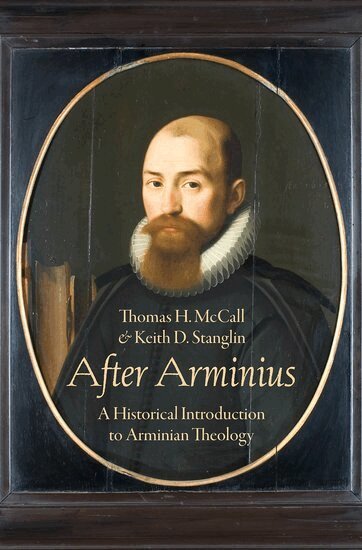
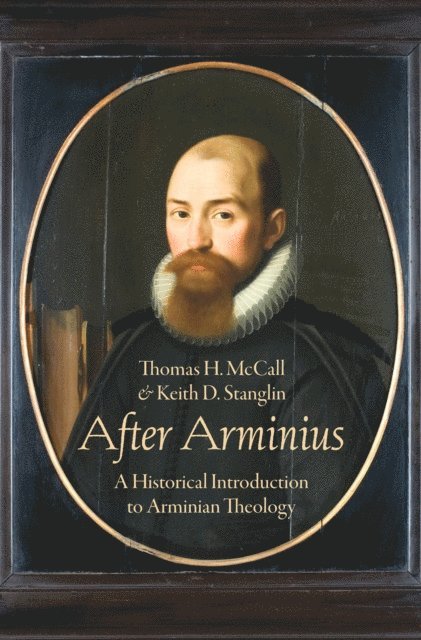
After Arminius
A Historical Introduction to Arminian Theology
Av Thomas H. McCall, Keith D. Stanglin
Inbunden, 2020
1540 kr
Lägg i varukorg
Inspired by the ideas of the Dutch theologian Jacob Arminius, Arminianism was the subject of important theological controversies in the seventeenth and eighteenth centuries, and still today remains an important position within Protestant thought.What became known as Arminian theology was held by …
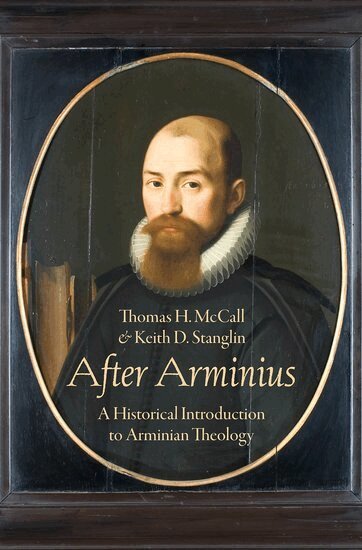
After Arminius
A Historical Introduction to Arminian Theology
Av Thomas H. McCall, Keith D. Stanglin
Häftad, 2021
520 kr
Lägg i varukorg
Inspired by the ideas of the Dutch theologian Jacob Arminius, Arminianism was the subject of important theological controversies in the seventeenth and eighteenth centuries, and still today remains an important position within Protestant thought.What became known as Arminian theology was held by …
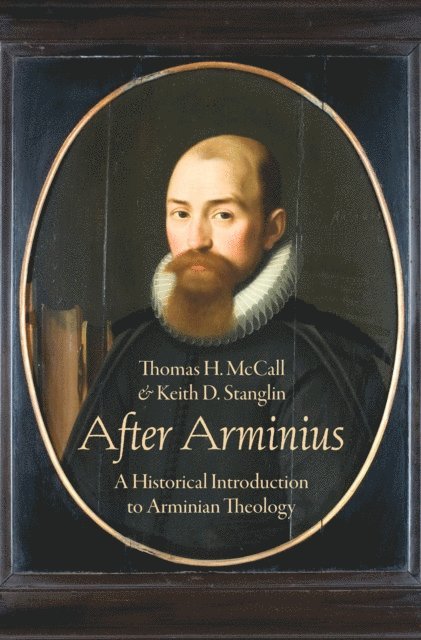
After Arminius
A Historical Introduction to Arminian Theology
Av Keith D. Stanglin, Thomas H. McCall
E-bok, 2020
459 kr
Lägg i varukorg
Inspired by the ideas of the Dutch theologian Jacob Arminius, Arminianism was the subject of important theological controversies in the seventeenth and eighteenth centuries, and still today remains an important position within Protestant thought.What became known as Arminian theology was held by …
After Arminius
A Historical Introduction to Arminian Theology
Av Keith D. Stanglin, Thomas H. McCall
E-bok, 2020
459 kr
Lägg i varukorg
Inspired by the ideas of the Dutch theologian Jacob Arminius, Arminianism was the subject of important theological controversies in the seventeenth and eighteenth centuries, and still today remains an important position within Protestant thought.What became known as Arminian theology was held by …
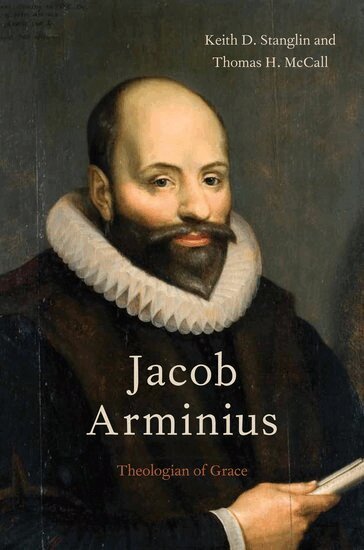
Jacob Arminius
Theologian of Grace
Av Keith D. Stanglin, Thomas H. McCall
Inbunden, 2012
2306 kr
Lägg i varukorg
Jacob Arminius (1559-1609) is one of the few theologians in the history of Christianity who has lent his name to a significant theological movement. The dissemination of his thought throughout Europe, Great Britain, and North America, along with the appeal of his ideas in current Protestant …
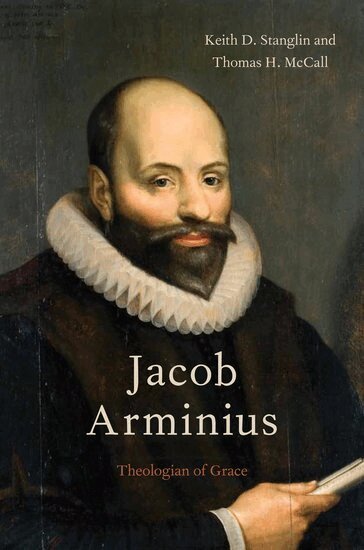
Jacob Arminius
Theologian of Grace
Av Keith D. Stanglin, Thomas H. McCall
Häftad, 2012
764 kr
Lägg i varukorg
Jacob Arminius (1559-1609) is one of the few theologians in the history of Christianity who has lent his name to a significant theological movement. The dissemination of his thought throughout Europe, Great Britain, and North America, along with the appeal of his ideas in current Protestant …
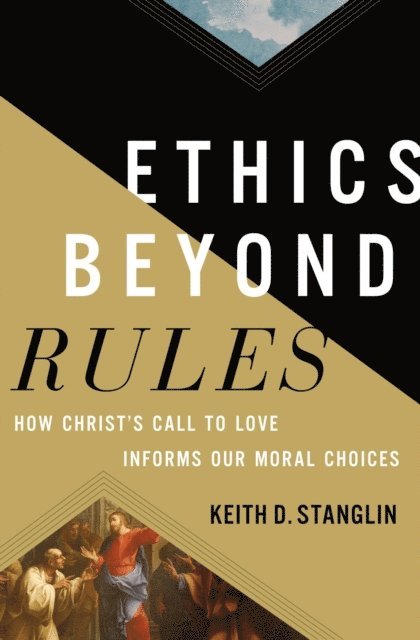
Ethics beyond Rules
How Christ’s Call to Love Informs Our Moral Choices
E-bok, 2021
147 kr
Lägg i varukorg
An introduction to ethics that will help Christians rediscover a moral reasoning rooted in Scripture and navigate the ethical crises of our time. How should Christians live? How should we interact with one another? Why do we think the way we do about right and wrong? How should we approach today''s …
Reconsidering Arminius
Beyond the Reformed and Wesleyan Divide
Av Mark H. Mann, Mark G. Bilby m. fl.
E-bok, 2014
467 kr
Lägg i varukorg
The theology of Dutch theologian Jacob Arminius has been misinterpreted and caricatured in both Reformed and Wesleyan circles. By revisiting Arminius’s theology, the book hopes to be a constructive voice in the discourse between so-called Calvinists and Arminians. Traditionally, Arminius has been …
Letter and Spirit of Biblical Interpretation
From the Early Church to Modern Practice
E-bok, 2018
294 kr
Lägg i varukorg
For the better part of fifteen centuries, Christians read Scripture on two complementary levels, the literal and the spiritual. In the modern period, the spiritual sense gradually became marginalized in favor of the literal sense. The Bible came to be read and interpreted like any other book. This …
Super-Abundant Grace
Reflections on Romans
E-bok, 2022
376 kr
Lägg i varukorg
What is the apostle Paul''s message in his Letter to the Romans? And how does it apply to us today? Is there more to learn about Romans, and is there more for the church to hear today? Keith Stanglin takes this familiar epistle and makes sense of its author''s original intent and its meaning for …
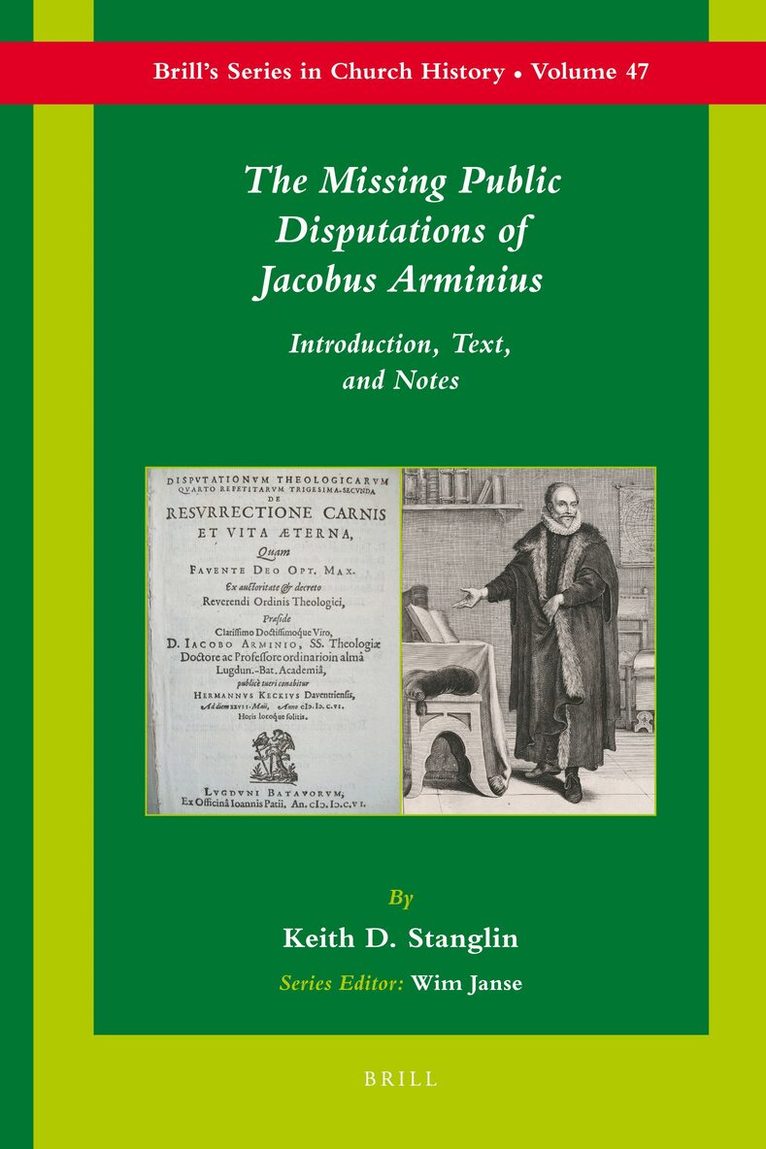
Missing Public Disputations of Jacobus Arminius
Introduction, Text, and Notes
Inbunden, 2010
3548 kr
Lägg i varukorg
Jacobus Arminius (1559-1609) composed 61 public disputations during his brief tenure as professor of theology at Leiden University, 36 of which have never before been collected and published, and have been neglected by scholars for four centuries. This critical edition supplements the works of …