Ken Dark - Böcker
Visar alla böcker från författaren Ken Dark. Handla med fri frakt och snabb leverans.
10 produkter
10 produkter
406 kr
Skickas
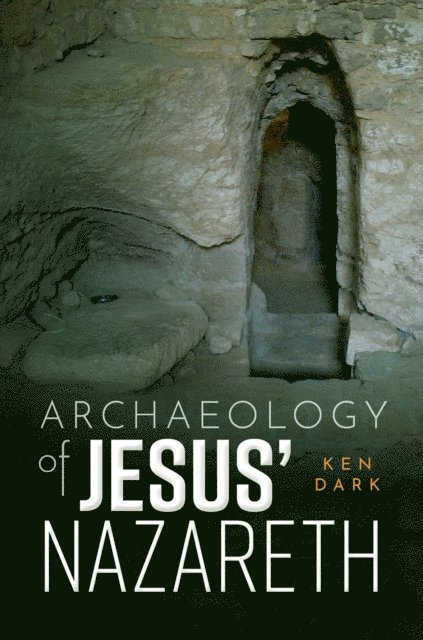
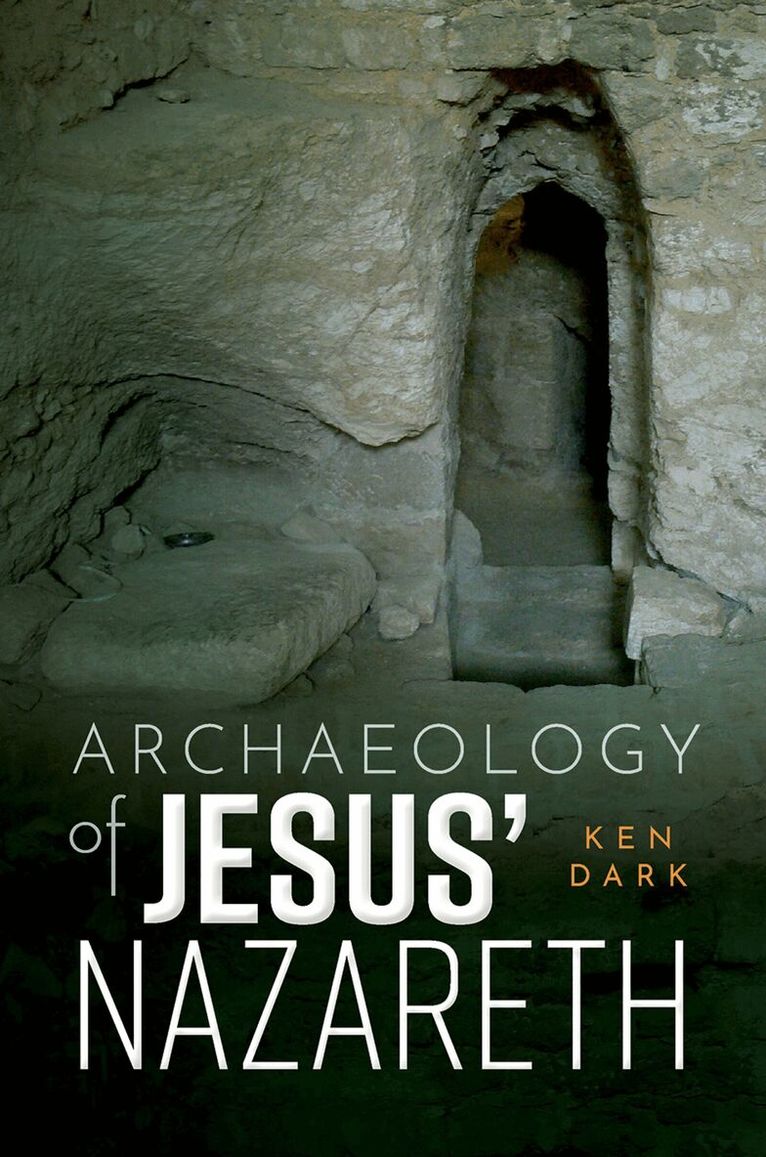
Archaeology of Jesus' Nazareth is the first book on the archaeology of first-century Nazareth: Jesus' hometown in Galilee. Requiring no previous knowledge of biblical history or archaeology, it outlines the latest archaeological evidence, placing the Gospels' account of Jesus' youth in the Bible, and origins of Christian pilgrimage, in a new context. The book concentrates on the fascinating Sisters of Nazareth site in the centre of the present city. There, twenty-first century archaeological research identified a Byzantine pilgrimage church, which is likely to be the Church of the Nutrition - dedicated to the upbringing of Christ - the most important previously 'lost' early Christian church in the Holy Land. A seventh-century pilgrim said that a vaulted area under the Church of the Nutrition contained the actual house where Jesus was brought up by Mary and Joseph. Intriguingly, below the Byzantine church at the Sisters of Nazareth site a vaulted area preserved what are probably the ruins of a first-century house. Even before the Byzantine church was built, a - probably fourth-century - cave-church was constructed next to the first-century ruins, suggesting that they were assigned Christian religious importance. The similarities with the pilgrim's description raise the question of whether the Sisters of Nazareth house really could have been the childhood home of Jesus. The book draws to its conclusion by means of a discussion of this historical existence for Jesus and the implications of the archaeology of Nazareth for understanding the Gospels.
2 159 kr
Skickas inom 10-15 vardagar
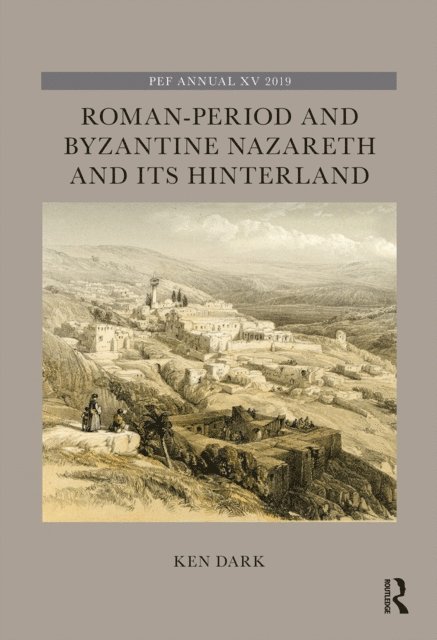
Roman-Period and Byzantine Nazareth and its Hinterland presents a new social and economic interpretation of Roman-period and Byzantine Nazareth and its hinterland as a whole, showing the transformation of a Roman-period Jewish village into a major Byzantine Christian pilgrimage centre.Although Nazareth is one of the most famous places in the world, this is the first book on Roman-period and Byzantine Nazareth by a professional archaeologist, the only book to consider the archaeology of Nazareth in the context of its adjacent landscape, and the first to use contemporary archaeological methods and theory to explore Nazareth’s archaeology. Taking as his starting point a systematic survey of the valley between Nazareth and the Roman town of Sepphoris, Dark offers an interpretation of communities elsewhere in the Roman world as networks of interlocking cells, with interactions along routeways being more important in cultural and economic terms than the relationship between urban centres and their surrounding countryside. His conclusions have implications for the wider archaeology of the Roman and Byzantine worlds, as well as for archaeological theory, and demonstrate the importance of Nazareth to world archaeology.This unique book will be invaluable to those interested in Nazareth and its surrounding landscape, as well as to archaeologists and scholars of the Roman and Byzantine worlds.
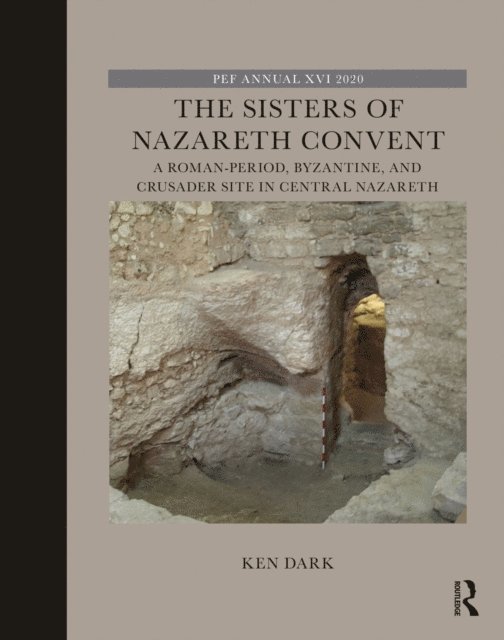
Sisters of Nazareth Convent
A Roman-period, Byzantine, and Crusader site in central Nazareth
Inbunden, Engelska, 2020
2 162 kr
Skickas inom 10-15 vardagar
This book transforms archaeological knowledge of Nazareth by publishing over 80 years of archaeological work at the Sisters of Nazareth convent, including a detailed re-investigation in the early twenty-first century under the author's direction.Although one of the world's most famous places and of key importance to understanding early Christianity, Nazareth has attracted little archaeological attention. Following a chance discovery in the 1880s, the site was initially explored by the nuns of the convent themselves – one of the earliest examples of a major programme of excavations initiated and directed by women – and then for decades by Henri Senès, whose excavations (like those of the nuns) have remained almost entirely unpublished. Their work revealed a complex sequence, elucidated and dated by twenty-first century study, beginning with a partly rock-cut Early Roman-period domestic building, followed by Roman-period quarrying and burial, a well-preserved cave-church, and major surface-level Byzantine and Crusader churches. The interpretation and broader implications of each phase of activity are discussed in the context of recent studies of Roman-period, Byzantine, and later archaeology and contemporary archaeological theory, and their relationship to written accounts of Nazareth is also assessed.The Sisters of Nazareth Convent provides a crucial archaeological study for those wishing to understand the archaeology of Nazareth and its place in early Christianity and beyond.
Sisters of Nazareth Convent
A Roman-period, Byzantine, and Crusader site in central Nazareth
Häftad, Engelska, 2022
646 kr
Skickas inom 10-15 vardagar
This book transforms archaeological knowledge of Nazareth by publishing over 80 years of archaeological work at the Sisters of Nazareth convent, including a detailed re-investigation in the early twenty-first century under the author's direction.Although one of the world's most famous places and of key importance to understanding early Christianity, Nazareth has attracted little archaeological attention. Following a chance discovery in the 1880s, the site was initially explored by the nuns of the convent themselves – one of the earliest examples of a major programme of excavations initiated and directed by women – and then for decades by Henri Senès, whose excavations (like those of the nuns) have remained almost entirely unpublished. Their work revealed a complex sequence, elucidated and dated by twenty-first century study, beginning with a partly rock-cut Early Roman-period domestic building, followed by Roman-period quarrying and burial, a well-preserved cave-church, and major surface-level Byzantine and Crusader churches. The interpretation and broader implications of each phase of activity are discussed in the context of recent studies of Roman-period, Byzantine, and later archaeology and contemporary archaeological theory, and their relationship to written accounts of Nazareth is also assessed.The Sisters of Nazareth Convent provides a crucial archaeological study for those wishing to understand the archaeology of Nazareth and its place in early Christianity and beyond.
61 kr
Tillfälligt slut
What was it like in Imperial Rome? Peter Street takes us on a historical tour around this ancient city. With clear, readable text, this book will provide you with an exciting insight into people's lives thousands of years ago. See the glorious Colloseum, thrill at the excitement of the Circus Maximus, discover what happened in a Roman market and find out about food, homes, farming and daily life. Peter Street explores the colour, life and bustle of this ever-fascinating ancient city.
214 kr
Tillfälligt slut
646 kr
Skickas inom 10-15 vardagar
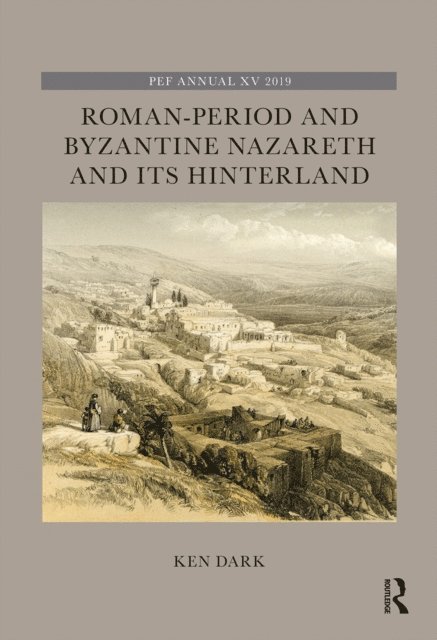
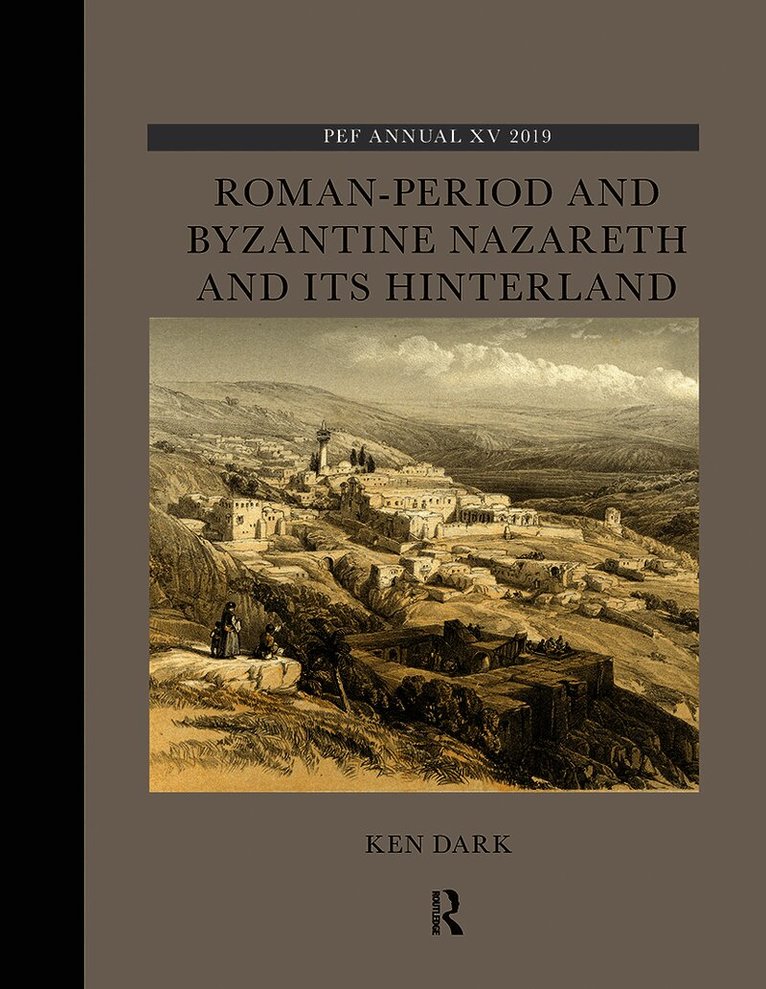
Roman-Period and Byzantine Nazareth and its Hinterland presents a new social and economic interpretation of Roman-period and Byzantine Nazareth and its hinterland as a whole, showing the transformation of a Roman-period Jewish village into a major Byzantine Christian pilgrimage centre.Although Nazareth is one of the most famous places in the world, this is the first book on Roman-period and Byzantine Nazareth by a professional archaeologist, the only book to consider the archaeology of Nazareth in the context of its adjacent landscape, and the first to use contemporary archaeological methods and theory to explore Nazareth’s archaeology. Taking as his starting point a systematic survey of the valley between Nazareth and the Roman town of Sepphoris, Dark offers an interpretation of communities elsewhere in the Roman world as networks of interlocking cells, with interactions along routeways being more important in cultural and economic terms than the relationship between urban centres and their surrounding countryside. His conclusions have implications for the wider archaeology of the Roman and Byzantine worlds, as well as for archaeological theory, and demonstrate the importance of Nazareth to world archaeology.This unique book will be invaluable to those interested in Nazareth and its surrounding landscape, as well as to archaeologists and scholars of the Roman and Byzantine worlds.
298 kr
Kommande
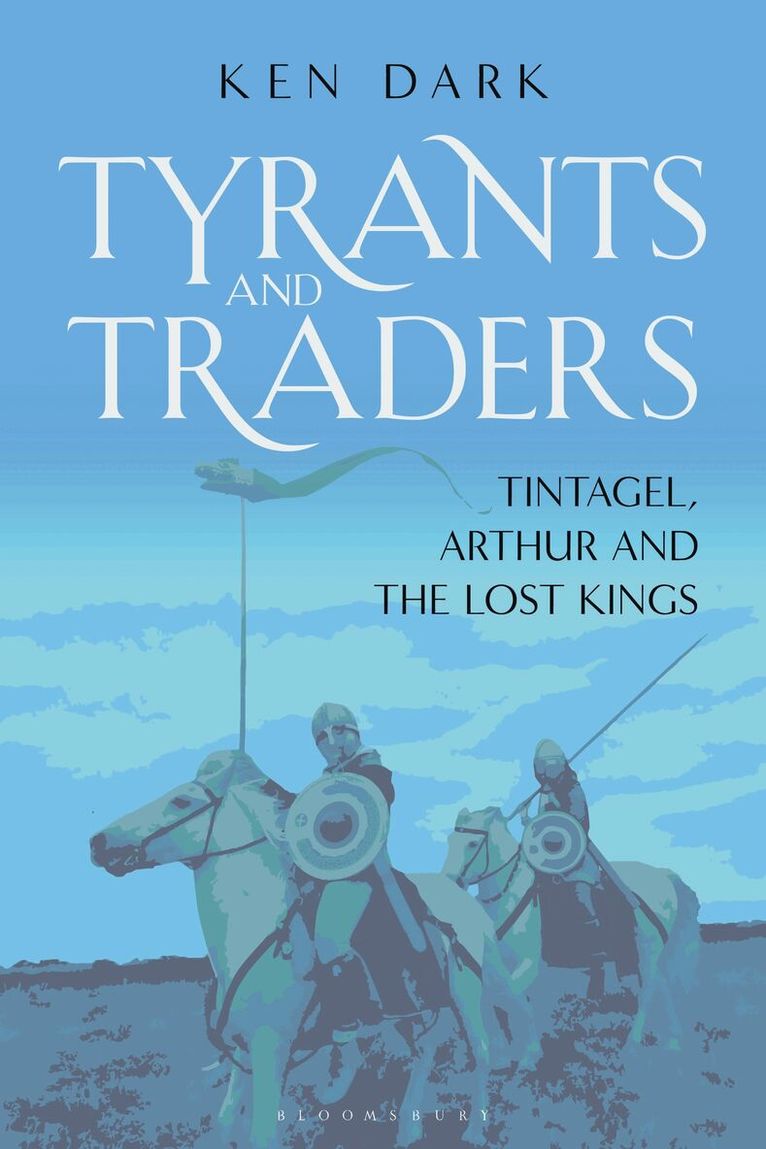
Discover exciting new research illuminating the most mysterious centuries of British history.How Roman Britain ended is one of the most controversial questions in British history. Unique among former Roman citizens in Western Europe, the Britons established long-lived kingdoms, resisting ‘barbarian’ political takeover for centuries. Yet so little is known of them from written records that even the names of most of their kings are effectively lost to history. Packed with the latest discoveries and ground-breaking research, Professor Ken Dark brings the fascinating, but mysterious, world of these rulers and their kingdoms to life. Archaeological evidence, along with re-analysis of the few existing texts, reveals an unexpectedly sophisticated society, connected to a wider international network of trade and cultural contacts than might until recently have seemed imaginable. Ken Dark demonstrates through the latest archaeological discoveries that Tintagel – an eroded coastal stronghold in Cornwall, closely associated with the later legend of King Arthur – was a royal fortress and trading centre of one of the most important British kingdoms of this period.This is a historical period filled with memorable characters and stories: from the outraged churchman Gildas, attempting to reform the corrupt rulers he thought threatened civilized life itself, to St. Patrick, who played a major part in converting Ireland to Christianity, to no less than King Arthur – whose historical existence Dark shows to be much more likely than usually supposed.
466 kr
Skickas
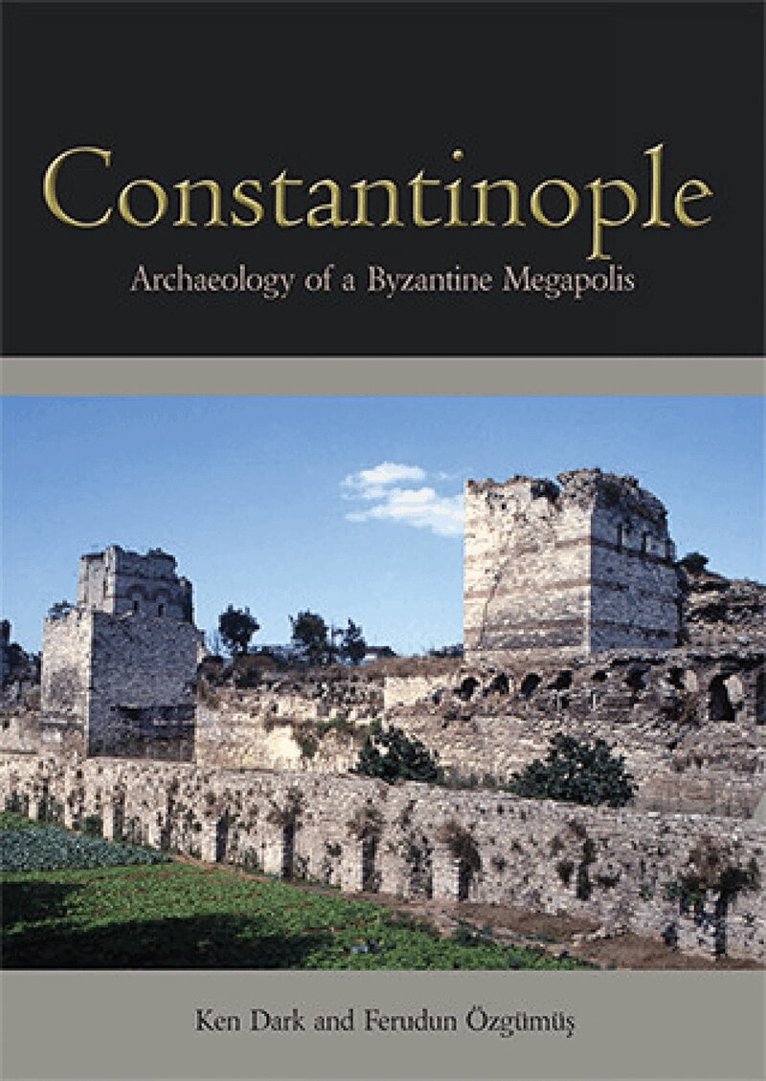
Istanbul, Europe's largest city, became an urban centre of exceptional size when it was chosen by Constantine the Great as a new Roman capital city. Named after him, the city has been studied through its rich textual sources and surviving buildings, but its archaeology remains relatively little known compared to other great urban centres of the ancient and medieval worlds. Constantinople: Archaeology of a Byzantine Megapolis is a major archaeological assessment of a key period in the development of this historic city. It uses material evidence, contemporary developments in urban archaeology and archaeological theory to explore over a thousand years of the city's development. Moving away from the scholarly emphasis on the monumental core or city defences, the volume investigates the inter-mural area between the 5th-century land walls and the Constantinian city wall – a zone which encompasses half of the walled area but which has received little archaeological attention. Utilising data from a variety of sources, including the 'Istanbul Rescue Archaeology Project', created to record material threatened with destruction, the analysis proposes a new model of Byzantine Constantinople. A range of themes are explored including social, economic and cognitive development, Byzantine perceptions of the city, the consequences of imperial ideology, and the impact of 'self-organization' brought about by many minor decisions. Constantinople casts new light on the transformation of an ancient Roman capital to an Orthodox Christian holy city and will be of great importance to archaeologists and historians.
Hagia Sophia in Context
An Archaeological Re-examination of the Cathedral of Byzantine Constantinople
Häftad, Engelska, 2023
482 kr
Skickas
The Byzantine cathedral of Hagia Sophia has been a source of wonder and fascination since its sixth-century construction. It was the premier monument of the Byzantine capital, Constantinople, and remains one of the most recognisable symbols of modern Istanbul. Often seen as encapsulating Byzantine history and culture, the building has been the subject of much scholarly interest since the Renaissance. However, while almost all previous archaeological work has focussed on the church itself, the surrounding complex of ecclesiastical buildings has been largely neglected. The research project presented here (co-directed by the authors) is the first to focus on the archaeology of the immediate environs of the church in order to understand the complex as a whole. Previously unrecorded material includes parts of the Patriarchal complex, from which the Orthodox Church was governed for almost a millennium, what may be the ‘Great Baptistery’ north of the church, and what are perhaps the first fragments of the fourth-century phase of the cathedral yet identified. The discovery of an unrecognised porch, surviving to its full height within the standing building, changes the known plan of the famous sixth-century church. This new information provides fresh evidence about the appearance and function of the complex, illustrating its similarities to, and dissimilarities from, Episcopal centers elsewhere in the Byzantine world. Combined with other archaeological sources, these discoveries enable us to place the sixth-century cathedral in its urban context and to reconsider what Hagia Sophia can tell us about the wider Byzantine world.