
Kevin Adonis Browne – författare
Visar alla böcker från författaren . Handla med fri frakt och snabb leverans.
4 produkter
4 produkter
Inbunden, Engelska, 2025
1 362 kr
Skickas inom 5-8 vardagar
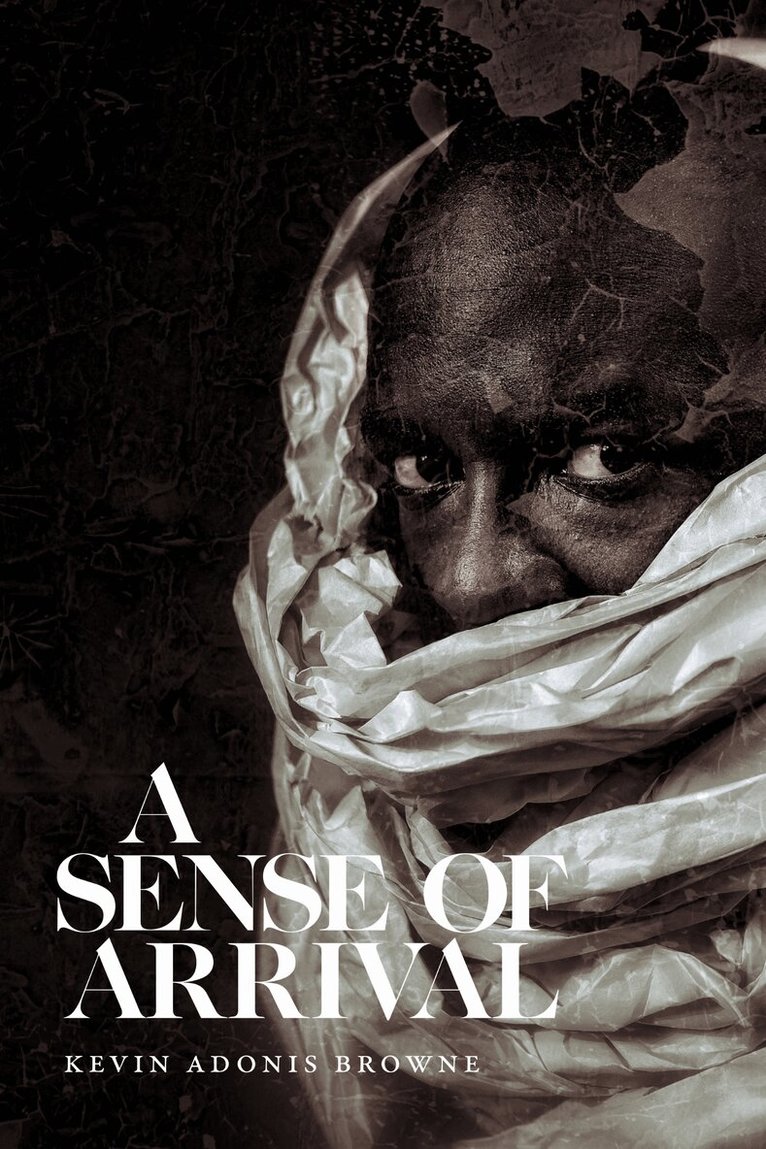
In A Sense of Arrival, Kevin Adonis Browne blends literary, visual, and material forms to present a narrative of Caribbean blackness. Arguing that the story of Caribbeanness cannot be told through words alone, Browne interweaves essays, memoir, autotheory, and narrative verse with documentary photography, portraiture, Rorschach blots, and images of his own sculptures and art installations. Browne labels this multimodal approach and rhetorical form “Caribbean nonfiction,” and he uses it to conceptualize arrival as a theory of being. Arrival is practiced through forms of status, return, belonging, nomadism, self-exile, love, loss, presence, and haunting, each of which expresses the vast complexity and urgency of Caribbeanness. At the same time, arrival emphasizes and extends Caribbean ways of being, knowing, and doing. Throughout, Browne challenges readers to follow the archipelagic sensibilities of the Caribbean to look beyond black death and apprehend the inherent optimism and beauty of arrival. A singular meditation on the art and process of Caribbeanness, A Sense of Arrival is a statement on how the black Caribbean self comes to be.
Häftad, Engelska, 2025
351 kr
Skickas
In A Sense of Arrival, Kevin Adonis Browne blends literary, visual, and material forms to present a narrative of Caribbean blackness. Arguing that the story of Caribbeanness cannot be told through words alone, Browne interweaves essays, memoir, autotheory, and narrative verse with documentary photography, portraiture, Rorschach blots, and images of his own sculptures and art installations. Browne labels this multimodal approach and rhetorical form “Caribbean nonfiction,” and he uses it to conceptualize arrival as a theory of being. Arrival is practiced through forms of status, return, belonging, nomadism, self-exile, love, loss, presence, and haunting, each of which expresses the vast complexity and urgency of Caribbeanness. At the same time, arrival emphasizes and extends Caribbean ways of being, knowing, and doing. Throughout, Browne challenges readers to follow the archipelagic sensibilities of the Caribbean to look beyond black death and apprehend the inherent optimism and beauty of arrival. A singular meditation on the art and process of Caribbeanness, A Sense of Arrival is a statement on how the black Caribbean self comes to be.
E-bok
PDF, Engelska, 2024537 kr
Läs direkt efter köp
In A Sense of Arrival, Kevin Adonis Browne blends literary, visual, and material forms to present a narrative of Caribbean blackness. Arguing that the story of Caribbeanness cannot be told through words alone, Browne interweaves essays, memoir, autotheory, and narrative verse with documentary photography, portraiture, Rorschach blots, and images of his own sculptures and art installations. Browne labels this multimodal approach and rhetorical form “Caribbean nonfiction,” and he uses it to conceptualize arrival as a theory of being. Arrival is practiced through forms of status, return, belonging, nomadism, self-exile, love, loss, presence, and haunting, each of which expresses the vast complexity and urgency of Caribbeanness. At the same time, arrival emphasizes and extends Caribbean ways of being, knowing, and doing. Throughout, Browne challenges readers to follow the archipelagic sensibilities of the Caribbean to look beyond black death and apprehend the inherent optimism and beauty of arrival. A singular meditation on the art and process of Caribbeanness, A Sense of Arrival is a statement on how the black Caribbean self comes to be.
Inbunden, Engelska, 2018
572 kr
Skickas inom 5-8 vardagar
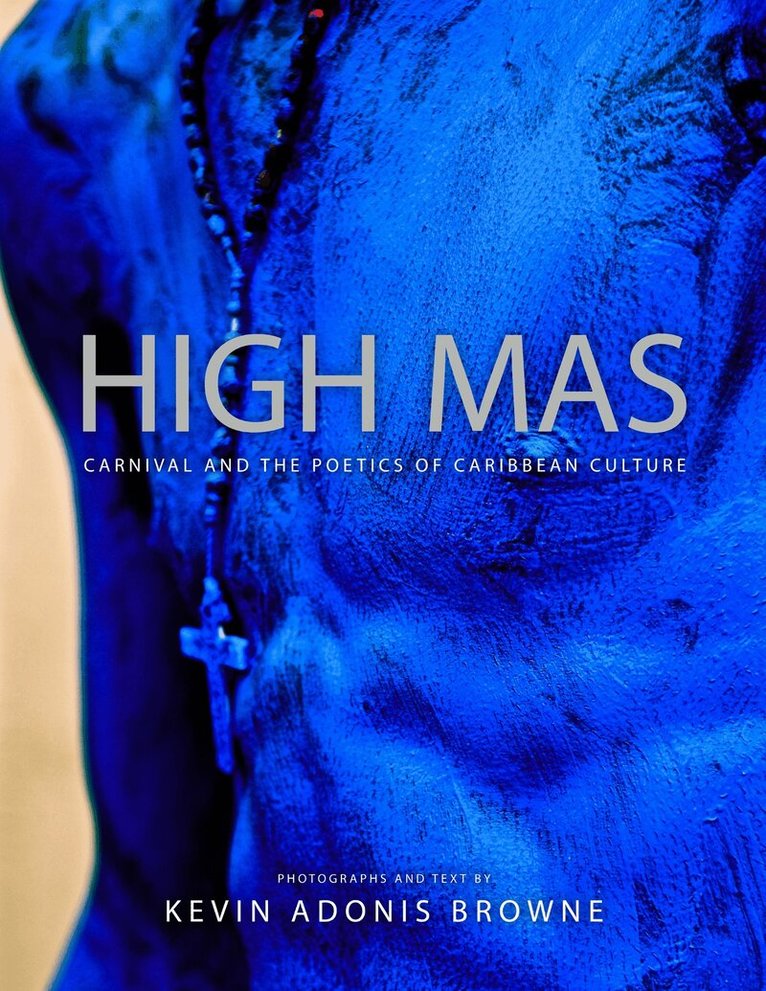
Overall Winner of the 2019 OCM Bocas Prize for Caribbean Literature High Mas: Carnival and the Poetics of Caribbean Culture explores Caribbean identity through photography, criticism, and personal narrative. Taking a sophisticated and unapologetically subjective Caribbean point of view, the author delves into Mas-a key feature of Trinidad performance-as an emancipatory practice. The photographs and essays here immerse the viewer in carnival experience as never before. Kevin Adonis Browne divulges how performers are or wish to be perceived, along with how, as the photographer, he is implicated in that dynamic. The resulting interplay encourages an informed, nuanced approach to the imaging of contemporary Caribbeanness. The first series, ""Seeing Blue,"" features Blue Devils from the village of Paramin, whose performances signify an important revision of the post-emancipation tradition of Jab Molassie (Molasses Devil) in Trinidad. The second series, ""La Femme des Revenants,"" chronicles the debut performance of Tracey Sankar's La Diablesse, which reintroduced the ""Caribbean femme fatale"" to a new audience. The third series, ""Moko Jumbies of the South,"" looks at Stephanie Kanhai and Jonadiah Gonzales, a pair of stilt-walkers from the performance group Touch de Sky from San Fernando in southern Trinidad. ""Jouvay Reprised,"" the fourth series, follows the political activist group Jouvay Ayiti performing a Mas in the streets of Port of Spain on Emancipation Day in 2015. Troubling the borders that persist between performer and audience, embodiment and spirituality, culture and self-consciousness, the book interrogates what audiences understand about the role of the participant-observer in public contexts. The book probes the multiple dimensions of vernacular experience, representing the uneasy embrace of tradition; the reappropriation of complementary cultural expressions; and, through Mas performance, suggests an explicit refusal to fully submit to the lingering traumas of slavery, colonialism, and the myth of independence.