Khoo Ying Hooi – författare
Visar alla böcker från författaren Khoo Ying Hooi. Handla med fri frakt och snabb leverans.
8 produkter
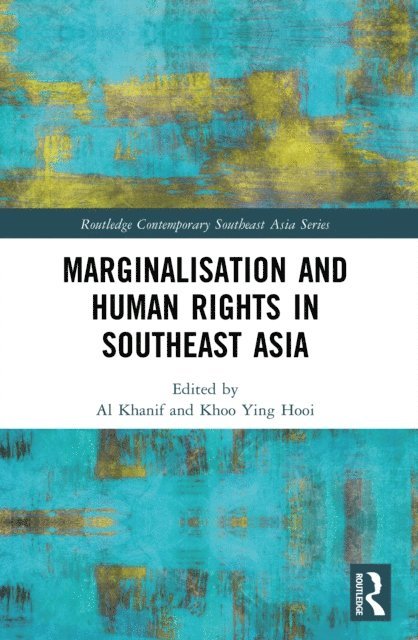
Marginalisation and Human Rights in Southeast Asia
E-bok, 2022
701 kr
Lägg i varukorg
This book analyses marginalisation and human rights in Southeast Asia and offers diverse approaches in understanding the nuances of marginalisation and human rights in the region. Throughout the region, a whole range of similarities and differences can be observed relating to the Southeast Asian …
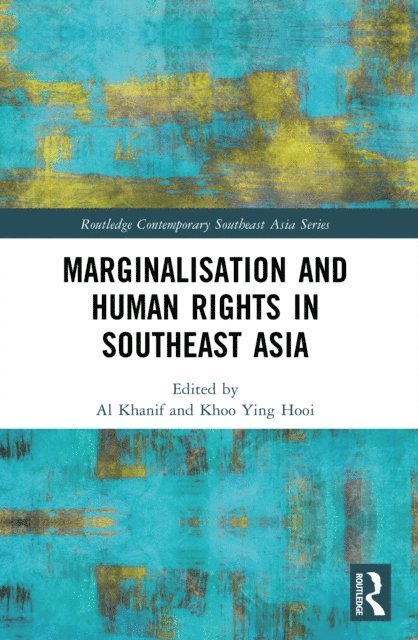
Marginalisation and Human Rights in Southeast Asia
E-bok, 2022
701 kr
Lägg i varukorg
This book analyses marginalisation and human rights in Southeast Asia and offers diverse approaches in understanding the nuances of marginalisation and human rights in the region. Throughout the region, a whole range of similarities and differences can be observed relating to the Southeast Asian …
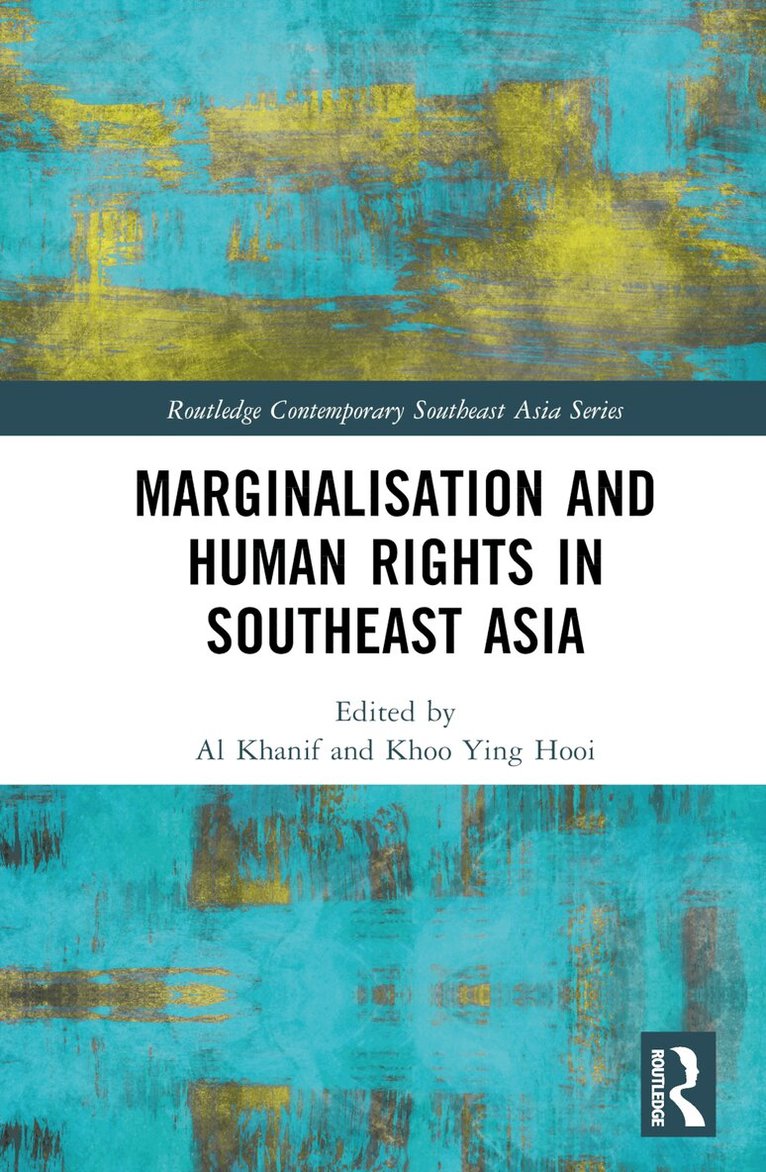
Marginalisation and Human Rights in Southeast Asia
Inbunden, 2022
1961 kr
Lägg i varukorg
This book analyses marginalisation and human rights in Southeast Asia and offers diverse approaches in understanding the nuances of marginalisation and human rights in the region.Throughout the region, a whole range of similarities and differences can be observed relating to the Southeast Asian …
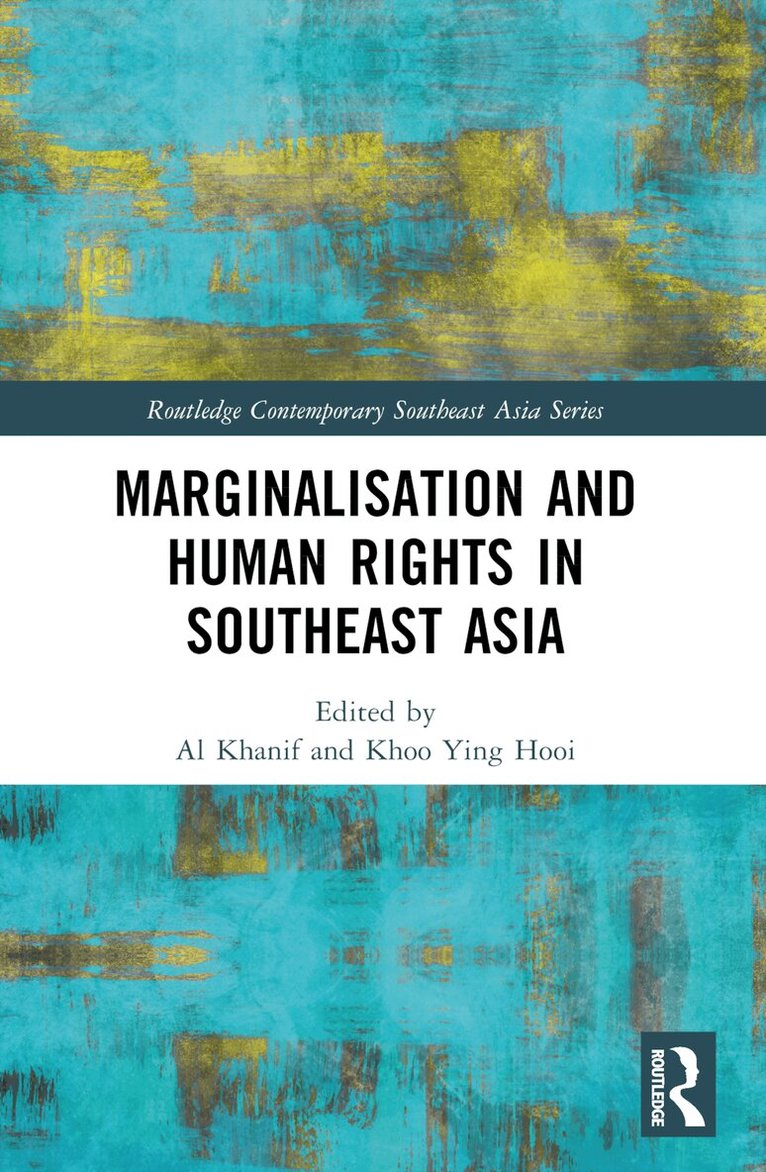
Marginalisation and Human Rights in Southeast Asia
Häftad, 2024
647 kr
Lägg i varukorg
This book analyses marginalisation and human rights in Southeast Asia and offers diverse approaches in understanding the nuances of marginalisation and human rights in the region.Throughout the region, a whole range of similarities and differences can be observed relating to the Southeast Asian …
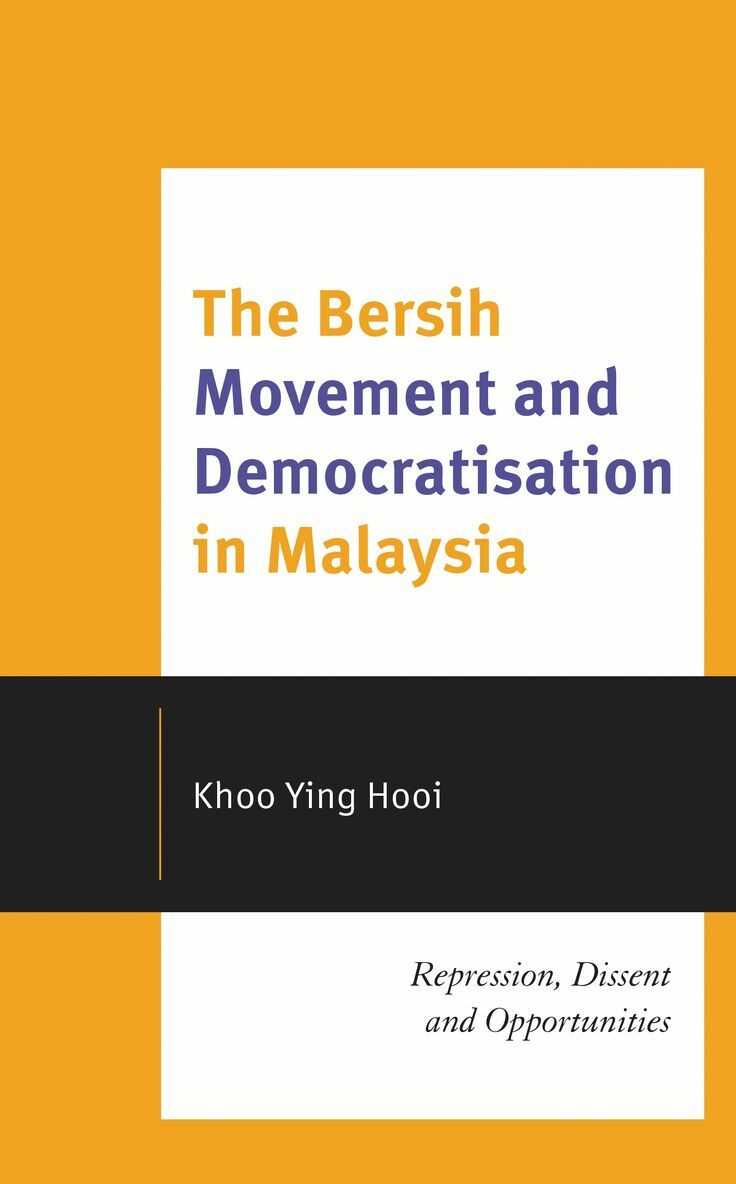
Bersih Movement and Democratisation in Malaysia
Repression, Dissent and Opportunities
Inbunden, 2020
1243 kr
Lägg i varukorg
Beginning in 2005 as a small electoral reform initiative, the Coalition for Clean and Fair Elections, known as Bersih, became the most prominent social movement in Malaysia. Based on participant observation approach and first-hand interviews with key actors, this book examines how Bersih became a …
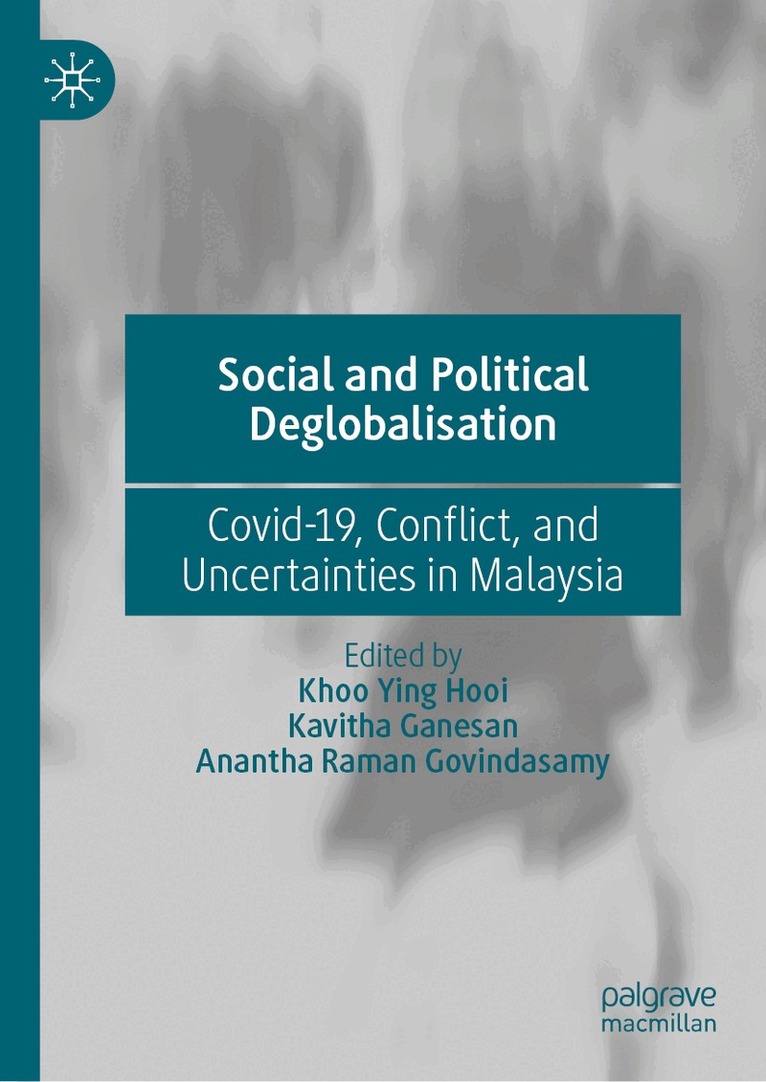
Social and Political Deglobalisation
Covid-19, Conflict, and Uncertainties in Malaysia
Av Khoo Ying Hooi, Kavitha Ganesan m. fl.
Inbunden, 2024
1423 kr
Lägg i varukorg
This book focuses on the discourse of de-globalisation in Malaysia by looking at the implications of this process politically, economically, socially, and environmentally. The rise of right-wing political parties and a decline in global economic interdependence have rapidly fuelled the …
Social and Political Deglobalisation
Covid-19, Conflict, and Uncertainties in Malaysia
Av Anantha Raman Govindasamy, Kavitha Ganesan m. fl.
E-bok, 2024
1746 kr
Lägg i varukorg
This book focuses on the discourse of de-globalisation in Malaysia by looking at the implications of this process politically, economically, socially, and environmentally. The rise of right-wing political parties and a decline in global economic interdependence have rapidly fuelled the …
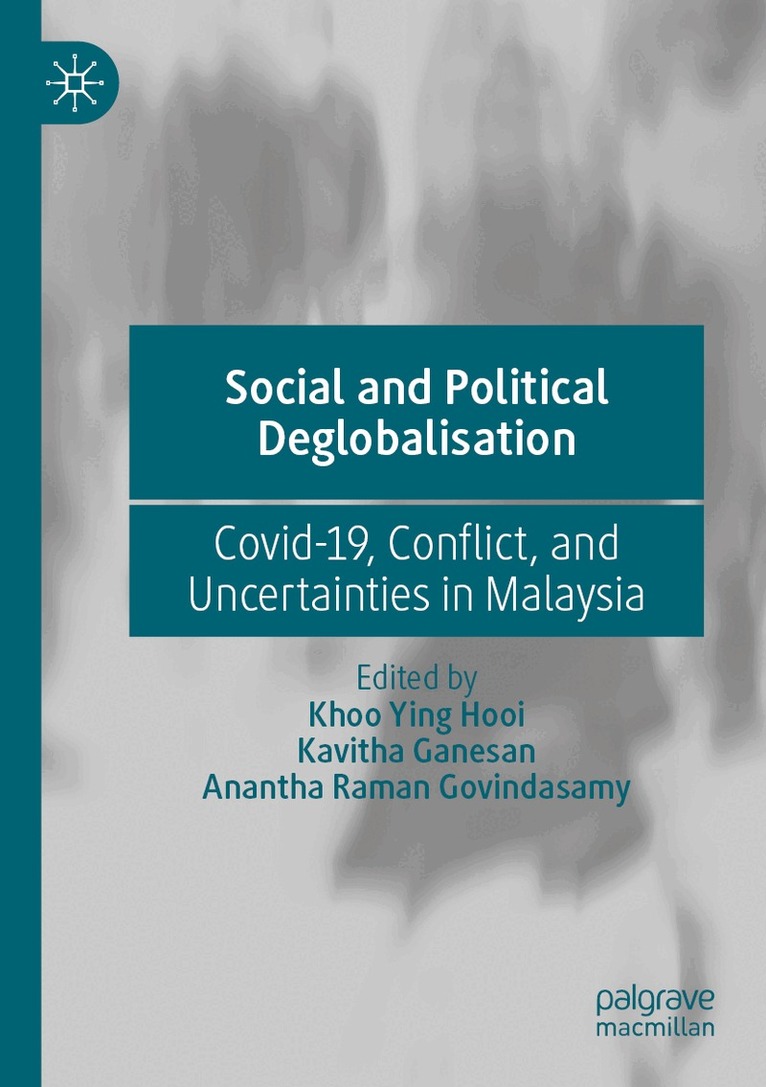
Social and Political Deglobalisation
Covid-19, Conflict, and Uncertainties in Malaysia
Av Khoo Ying Hooi, Kavitha Ganesan m. fl.
Häftad, 2025
1423 kr
Lägg i varukorg
This book focuses on the discourse of de-globalisation in Malaysia by looking at the implications of this process politically, economically, socially, and environmentally. The rise of right-wing political parties and a decline in global economic interdependence have rapidly fuelled the …