Kim Wagner – författare
Visar alla böcker från författaren Kim Wagner. Handla med fri frakt och snabb leverans.
10 produkter
10 produkter
Häftad, Engelska, 2019
160 kr
Skickas inom 5-8 vardagar
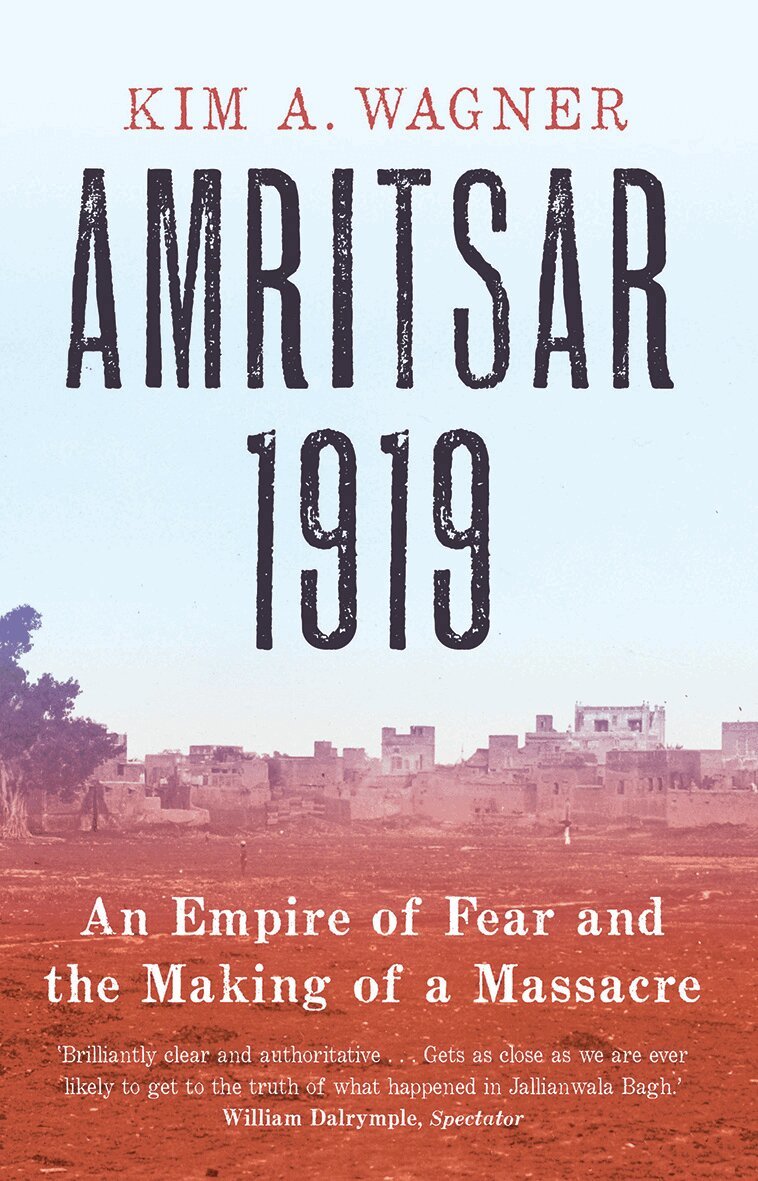
A powerful reassessment of a seminal moment in the history of India and the British Empire: the Amritsar Massacre“Amritsar 1919 chronicles the run up to Jallianwala Bagh with spellbinding, almost minute-by-minute focus. . . . Mr. Wagner’s achievement is one of balance—of minutiae and sweep and, above, all, of perspective.”—Maxwell Carter, Wall Street JournalThe Amritsar Massacre of 1919 was a seminal moment in the history of the British Empire, yet it remains poorly understood. In this dramatic account, Kim A. Wagner details the perspectives of ordinary people and argues that General Dyer’s order to open fire at Jallianwalla Bagh was an act of fear. Situating the massacre within the "deep" context of British colonial mentality and the local dynamics of Indian nationalism, Wagner provides a genuinely nuanced approach to the bloody history of the British Empire.
E-bok
PDF, Engelska, 2018302 kr
Läs direkt efter köp
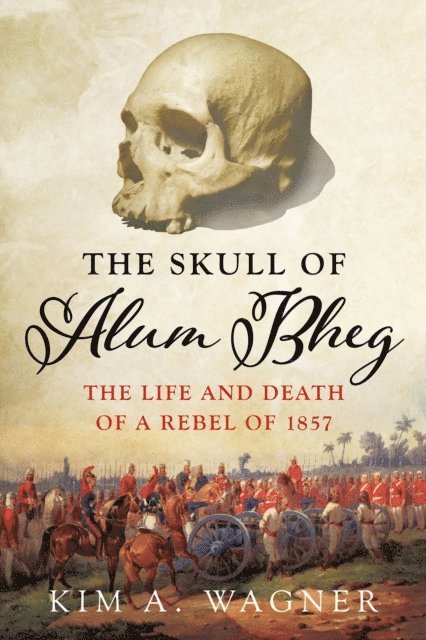
In 1963, a human skull was discovered in a pub in Kent in south-east England. A brief handwritten note stuck inside the cavity revealed it to be that of Alum Bheg, an Indian soldier in British service who was executed during the aftermath of the 1857 Uprising, or The Indian Mutiny as historians of an earlier era described it. Alum Bheg was blown from a cannon for having allegedly murdered British civilians, and his head was brought back as a grisly war-trophy by an Irish officer present at his execution. The skull is a troublesome relic of both anti- colonial violence and the brutality and spectacle of British retribution. Kim Wagner presents an intimate and vivid account of life and death in British India in the throes of the largest rebellion of the nineteenth century. Fugitive rebels spent months, even years, hiding in the vastness of the Himalayas before they were eventually hunted down and punished by a vengeful colonial state. Examining the colonial practice of collecting and exhibiting human remains, this book offers a critical assessment of British imperialism that speaks to contemporary debates about the legacies of Empire and the myth of the ''Mutiny''.
E-bok
Engelska, 2018300 kr
Läs direkt efter köp
In 1963, a human skull was discovered in a pub in Kent in south-east England. A brief handwritten note stuck inside the cavity revealed it to be that of Alum Bheg, an Indian soldier in British service who was executed during the aftermath of the 1857 Uprising, or The Indian Mutiny as historians of an earlier era described it. Alum Bheg was blown from a cannon for having allegedly murdered British civilians, and his head was brought back as a grisly war-trophy by an Irish officer present at his execution. The skull is a troublesome relic of both anti- colonial violence and the brutality and spectacle of British retribution. Kim Wagner presents an intimate and vivid account of life and death in British India in the throes of the largest rebellion of the nineteenth century. Fugitive rebels spent months, even years, hiding in the vastness of the Himalayas before they were eventually hunted down and punished by a vengeful colonial state. Examining the colonial practice of collecting and exhibiting human remains, this book offers a critical assessment of British imperialism that speaks to contemporary debates about the legacies of Empire and the myth of the ''Mutiny''.
Häftad, Tyska, 2022
122 kr
Skickas inom 3-6 vardagar
Häftad, Tyska, 2022
122 kr
Skickas inom 3-6 vardagar
Häftad, Tyska, 2026
125 kr
Skickas inom 3-6 vardagar
Häftad, Tyska, 2026
125 kr
Skickas inom 3-6 vardagar
Häftad, Tyska, 2026
125 kr
Skickas inom 3-6 vardagar
Häftad, Tyska, 2026
125 kr
Skickas inom 3-6 vardagar
Inbunden, Engelska, 2019
249 kr
Tillfälligt slut
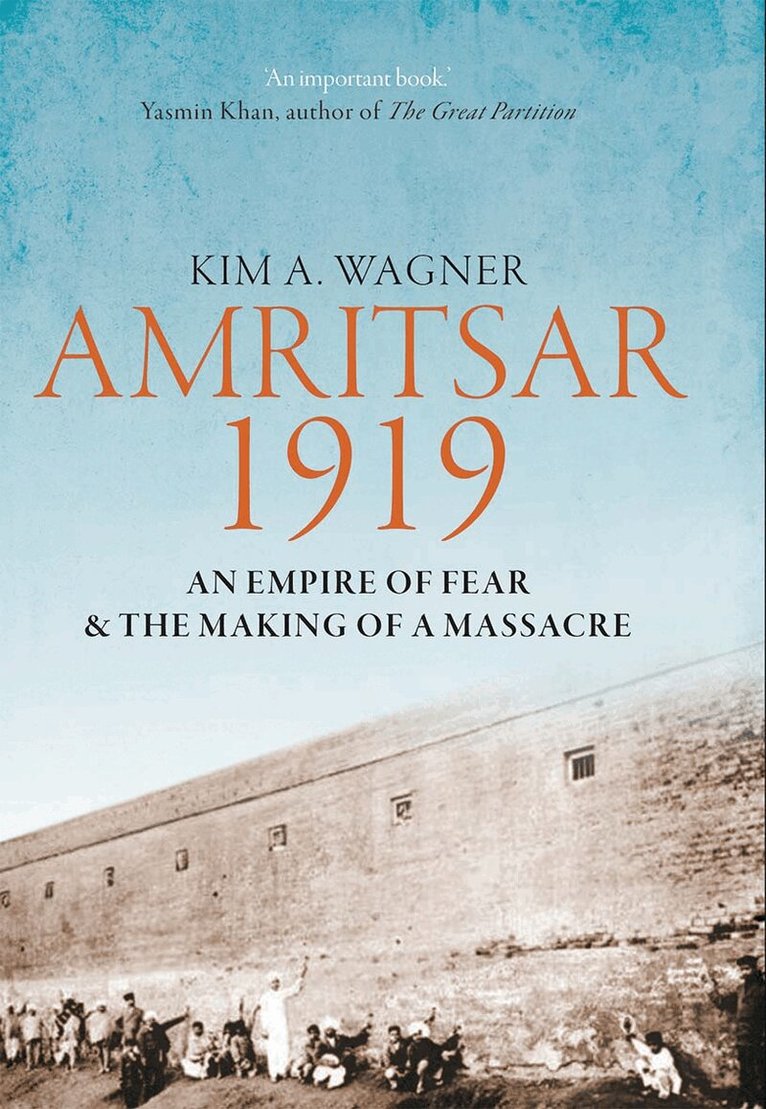
A powerful reassessment of a seminal moment in the history of India and the British Empire—the Amritsar Massacre—to mark its 100th anniversaryThe Amritsar Massacre of 1919 was a seminal moment in the history of the British Empire, yet it remains poorly understood. In this dramatic account, Kim A. Wagner details the perspectives of ordinary people and argues that General Dyer’s order to open fire at Jallianwalla Bagh was an act of fear. Situating the massacre within the "deep" context of British colonial mentality and the local dynamics of Indian nationalism, Wagner provides a genuinely nuanced approach to the bloody history of the British Empire.