Kimberly Mutcherson - Böcker
Visar alla böcker från författaren Kimberly Mutcherson. Handla med fri frakt och snabb leverans.
2 produkter
2 produkter
Del 19 - Reproductive Justice: A New Vision for the 21st Century
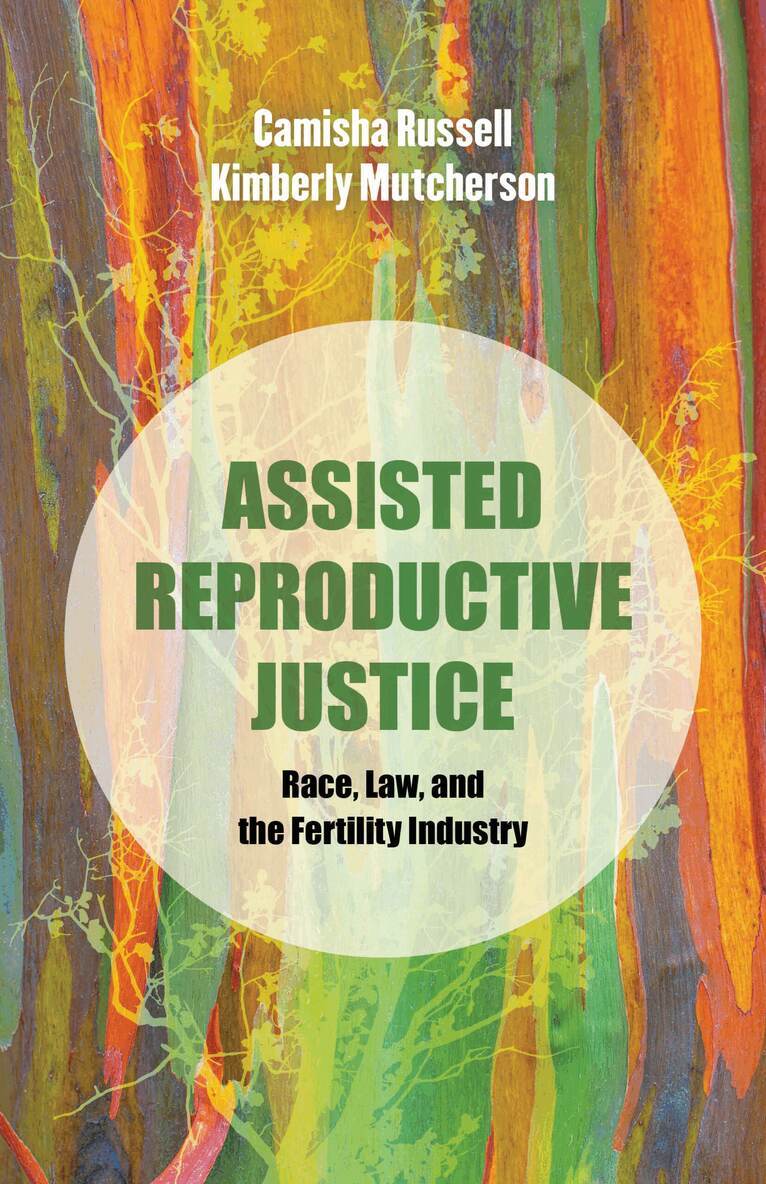
Assisted Reproductive Justice
Race, Law, and the Fertility Industry
Inbunden, Engelska, 2026
904 kr
Kommande
The complexities and contradictions of the fertility industry through a reproductive justice lens.With the proliferation of assisted reproductive technologies, the fertility industry—from in vitro fertilization to egg freezing and sperm donation—is booming. But these practices raise concerns about potential dangers and the social, economic, and racial inequalities they reinforce.In Assisted Reproductive Justice, Camisha Russell and Kimberly Mutcherson neither indict nor validate the fertility industry. Instead, they examine its complexities and contradictions, untangling the threads of inequality and opportunity woven into its complex global networks. Using reproductive justice theory as a critical lens, the book conducts a broad, interdisciplinary analysis of the history, social and legal policies, and ethics surrounding assisted reproduction. The authors use compelling case studies to illuminate issues of who gets access and why and how technology is used. More importantly, they explain how these issues can and should guide law and policymaking toward a more just fertility industry.
Del 19 - Reproductive Justice: A New Vision for the 21st Century
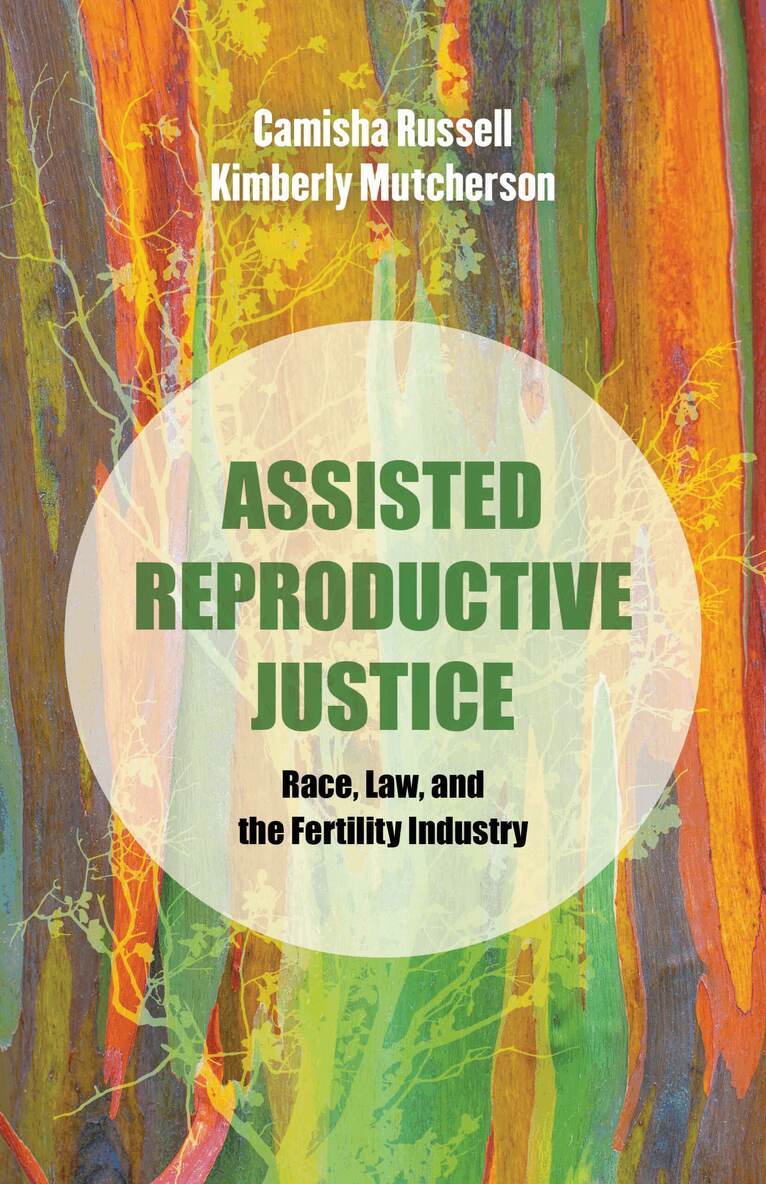
Assisted Reproductive Justice
Race, Law, and the Fertility Industry
Häftad, Engelska, 2026
287 kr
Kommande
The complexities and contradictions of the fertility industry through a reproductive justice lens.With the proliferation of assisted reproductive technologies, the fertility industry—from in vitro fertilization to egg freezing and sperm donation—is booming. But these practices raise concerns about potential dangers and the social, economic, and racial inequalities they reinforce.In Assisted Reproductive Justice, Camisha Russell and Kimberly Mutcherson neither indict nor validate the fertility industry. Instead, they examine its complexities and contradictions, untangling the threads of inequality and opportunity woven into its complex global networks. Using reproductive justice theory as a critical lens, the book conducts a broad, interdisciplinary analysis of the history, social and legal policies, and ethics surrounding assisted reproduction. The authors use compelling case studies to illuminate issues of who gets access and why and how technology is used. More importantly, they explain how these issues can and should guide law and policymaking toward a more just fertility industry.