
Kirsten RAther – författare
Visar alla böcker från författaren Kirsten RAther. Handla med fri frakt och snabb leverans.
2 produkter
2 produkter
E-bok
Engelska, 2016641 kr
Läs direkt efter köp
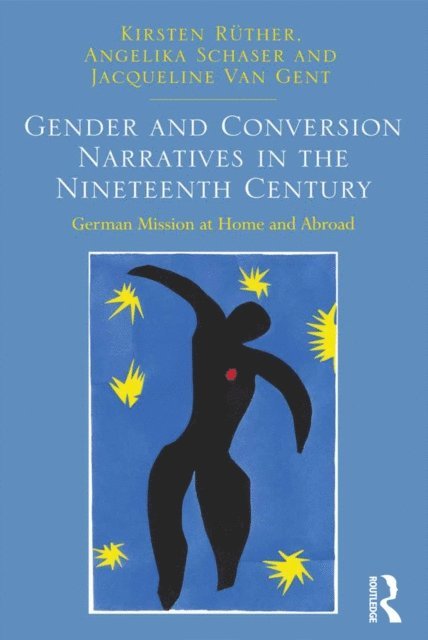
Addressing an important social and political issue which is still much debated today, this volume explores the connections between religious conversions and gendered identity against the backdrop of a world undergoing significant social transformations. Adopting a collaborative approach to their research, the authors explore the connections and differences in conversion experiences, tracing the local and regional rootedness of individual conversions as reflected in conversion narratives in three different locations: Germany and German missions in South Africa and colonial Australia, at a time of massive social changes in the 1860s. Beginning with the representation of religious experiences in so-called conversion narratives, the authors explore the social embeddedness of religious conversions and inquire how people related to their social surroundings, and in particular to gender order and gender practices, before, during and after their conversion. With a concluding reflective essay on comparative methods of history writing and transnational perspectives on conversion, this book offers a fresh perspective on historical debates about religious change, gender and social relations.
E-bok
PDF, Engelska, 2016641 kr
Läs direkt efter köp
Addressing an important social and political issue which is still much debated today, this volume explores the connections between religious conversions and gendered identity against the backdrop of a world undergoing significant social transformations. Adopting a collaborative approach to their research, the authors explore the connections and differences in conversion experiences, tracing the local and regional rootedness of individual conversions as reflected in conversion narratives in three different locations: Germany and German missions in South Africa and colonial Australia, at a time of massive social changes in the 1860s. Beginning with the representation of religious experiences in so-called conversion narratives, the authors explore the social embeddedness of religious conversions and inquire how people related to their social surroundings, and in particular to gender order and gender practices, before, during and after their conversion. With a concluding reflective essay on comparative methods of history writing and transnational perspectives on conversion, this book offers a fresh perspective on historical debates about religious change, gender and social relations.