Knud Haakonssen – författare
Visar alla böcker från författaren Knud Haakonssen. Handla med fri frakt och snabb leverans.
32 produkter
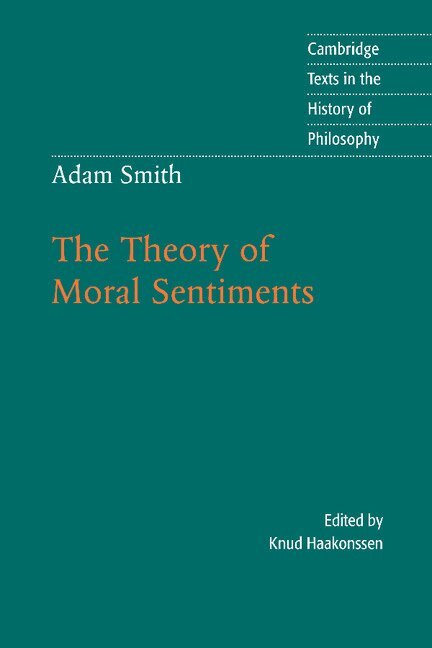
Adam Smith: The Theory of Moral Sentiments
Av Adam Smith, Knud Haakonssen
Häftad, 2002
5,0 utav 5 stjärnor. Totalt antal röster: (1)
748 kr
Lägg i varukorg
Adam Smith's Theory of Moral Sentiments (1759) lays the foundation for a general system of morals, and is a text of central importance in the history of moral and political thought. It presents a theory of the imagination which Smith derived from David Hume but which encompasses an idea of sympathy …
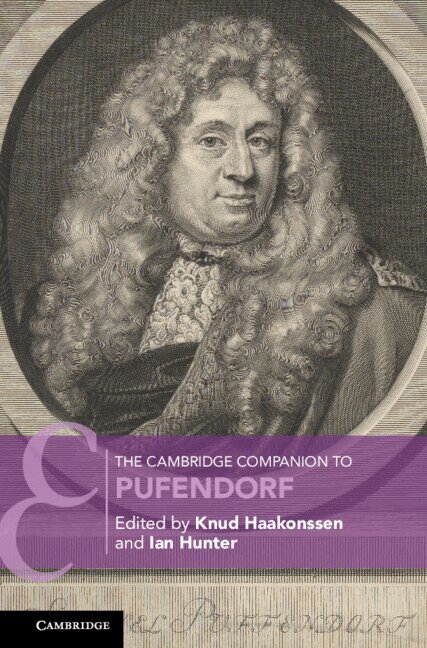
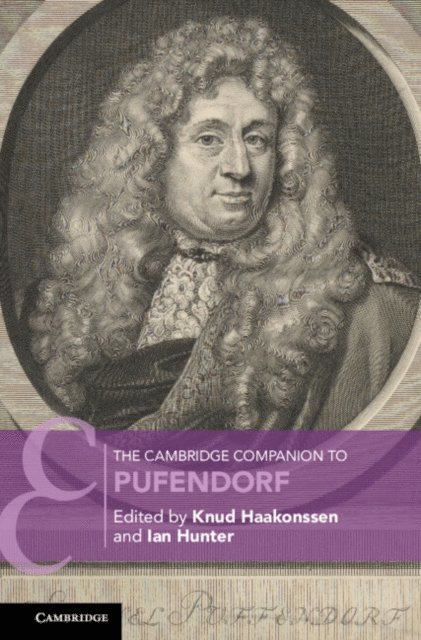
The Cambridge Companion to Pufendorf
Av Knud Haakonssen, Ian Hunter
Inbunden, 2022
1498 kr
Lägg i varukorg
In the same intellectual league as Grotius, Hobbes and Locke, but today less well known, Samuel Pufendorf was an early modern master of political, juridical, historical and theological thought. Trained in an erudite humanism, he brought his copious command of ancient and modern literature to bear …
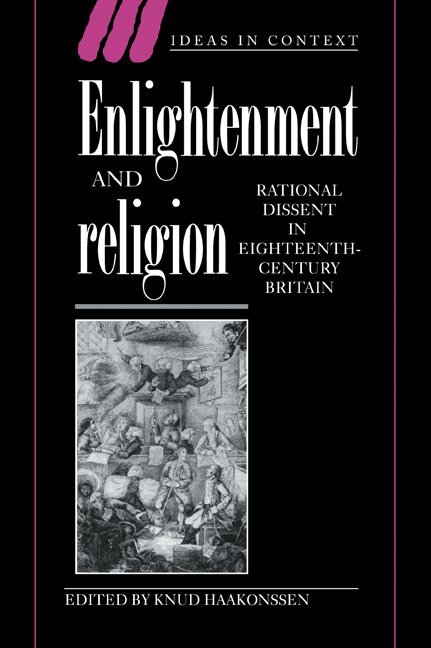
Enlightenment and Religion
Rational Dissent in Eighteenth-Century Britain
Häftad, 2006
653 kr
Lägg i varukorg
This book makes a comprehensive reassessment of the relationship between Enlightenment and religion in England. The debate about an 'English' Enlightenment has centred on the role of religion, especially the relationship between the established Anglican Church and the dissenting confessions. It has …
Adam Smith: The Theory of Moral Sentiments
Av Adam Smith, Knud Haakonssen
Inbunden, 2002
1351 kr
Lägg i varukorg
Adam Smith's Theory of Moral Sentiments (1759) lays the foundation for a general system of morals, and is a text of central importance in the history of moral and political thought. It presents a theory of the imagination which Smith derived from David Hume but which encompasses an idea of sympathy …
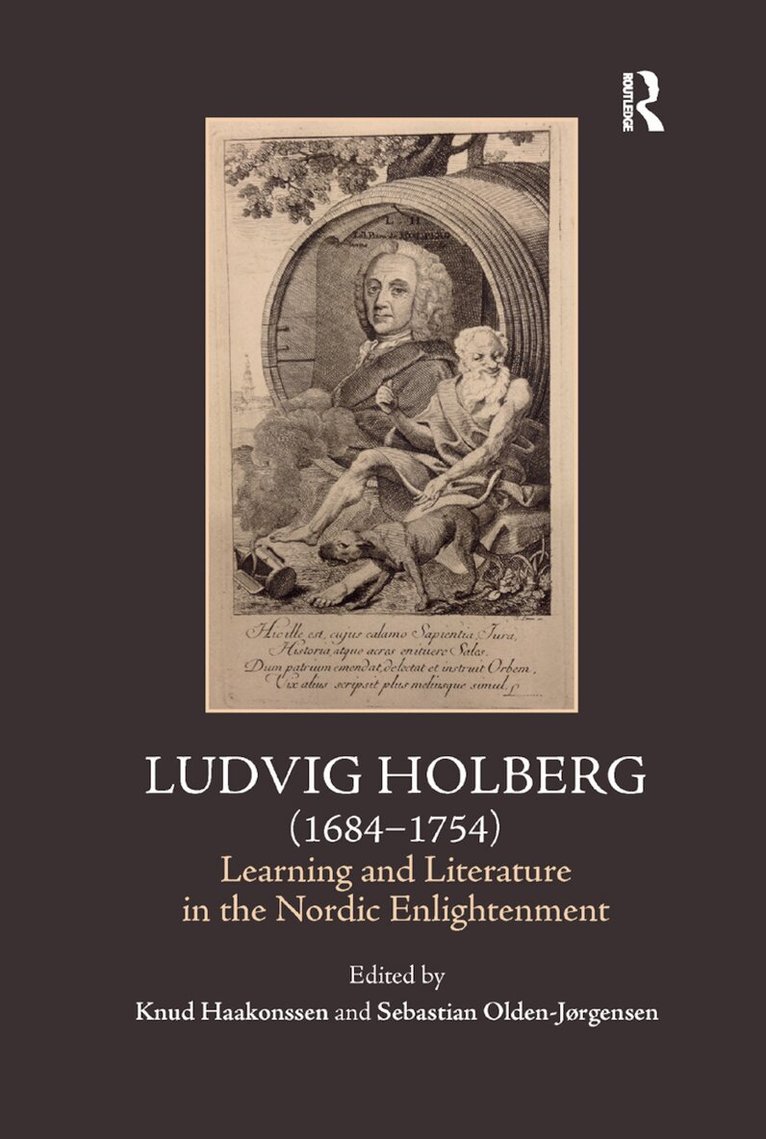
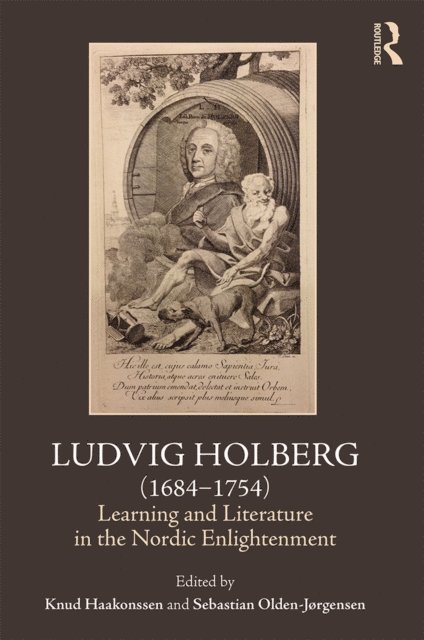
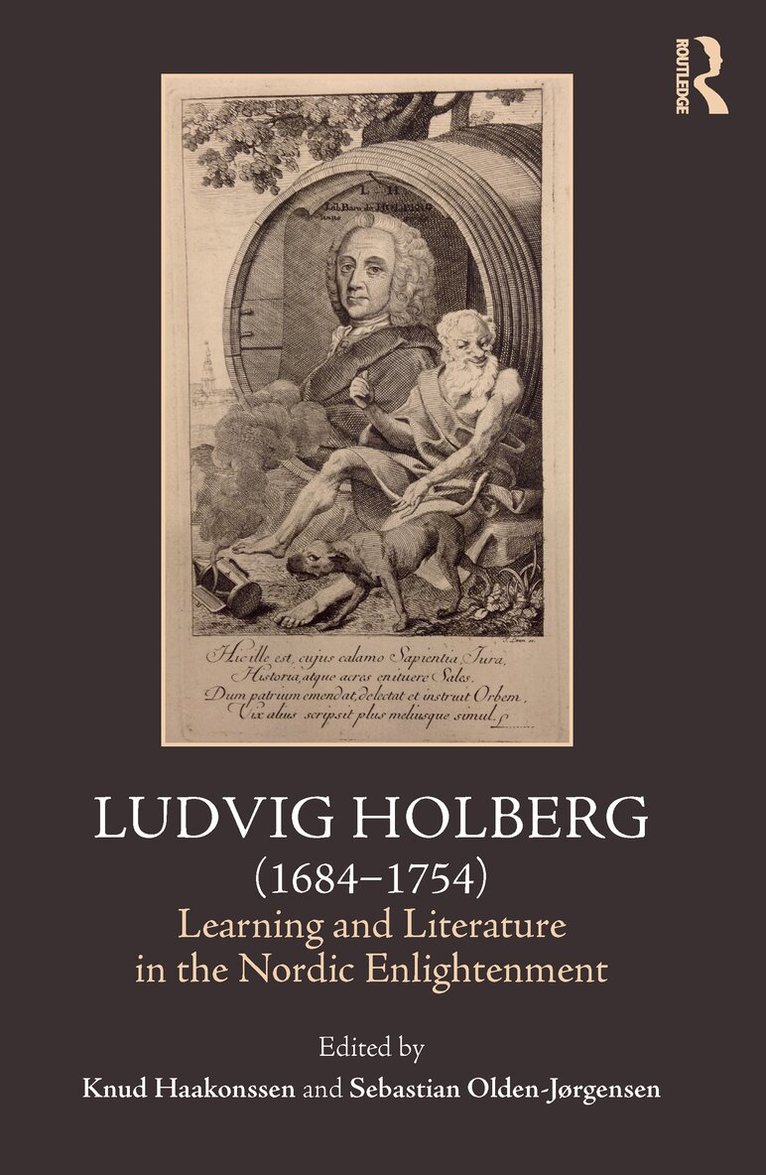
Ludvig Holberg (1684-1754)
Learning and Literature in the Nordic Enlightenment
Av Knud Haakonssen, Sebastian Olden-Jørgensen
Häftad, 2019
809 kr
Lägg i varukorg
Ludvig Holberg (1684–1754) was the foremost representative of the Danish-Norwegian Enlightenment and also a European figure of note. He published significant works in natural law and history, but also a very important body of moral essays and epistles. He authored several engaging autobiographies …
The Science of a Legislator
The Natural Jurisprudence of David Hume and Adam Smith
Häftad, 1989
813 kr
Lägg i varukorg
Combining the methods of the modern philosopher with those of the historian of ideas, Knud Haakonssen presents an interpretation of the philosophy of law which Adam Smith developed out of - and partly in response to - David Hume's theory of justice. While acknowledging that the influences on Smith …
A Culture of Rights
The Bill of Rights in Philosophy, Politics and Law 1791 and 1991
Av Michael James Lacey, Knud Haakonssen
Inbunden, 1991
1302 kr
Lägg i varukorg
Written by leading authorities in history, philosophy, jurisprudence and political theory, the essays in this volume provide insights into the variable and changing contents of the rights thinking and consciousness that lie at the core of American political culture and shape its central political …
A Culture of Rights
The Bill of Rights in Philosophy, Politics and Law 1791 and 1991
Av Michael James Lacey, Knud Haakonssen
Häftad, 1992
644 kr
Lägg i varukorg
Written by leading authorities in history, philosophy, jurisprudence and political theory, the essays in this volume provide insights into the variable and changing contents of the rights thinking and consciousness that lie at the core of American political culture and shape its central political …
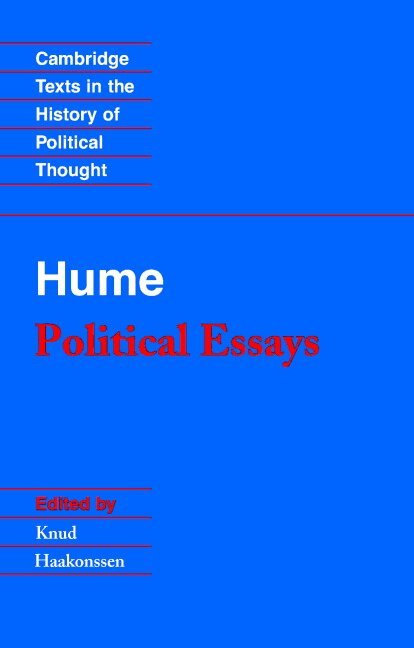
Hume: Political Essays
Av David Hume, Knud Haakonssen
Häftad, 1994
511 kr
Lägg i varukorg
David Hume is commonly known as one of the greatest philosophers to write in English. He was also one of the foremost political and economic theorists and one of the finest historians of the eighteenth century. His political essays reflect the entire range of his intellectual engagement with …
Natural Law and Moral Philosophy
From Grotius to the Scottish Enlightenment
Inbunden, 1996
1726 kr
Lägg i varukorg
This major contribution to the history of philosophy provides the most comprehensive guide to modern natural law theory available, sets out the full background to liberal ideas of rights and contractarianism, and offers an extensive study of the Scottish Enlightenment. The time span covered is …
Natural Law and Moral Philosophy
From Grotius to the Scottish Enlightenment
Häftad, 1996
569 kr
Lägg i varukorg
This major contribution to the history of philosophy provides the most comprehensive guide to modern natural law theory available, sets out the full background to liberal ideas of rights and contractarianism, and offers an extensive study of the Scottish Enlightenment. The time span covered is …
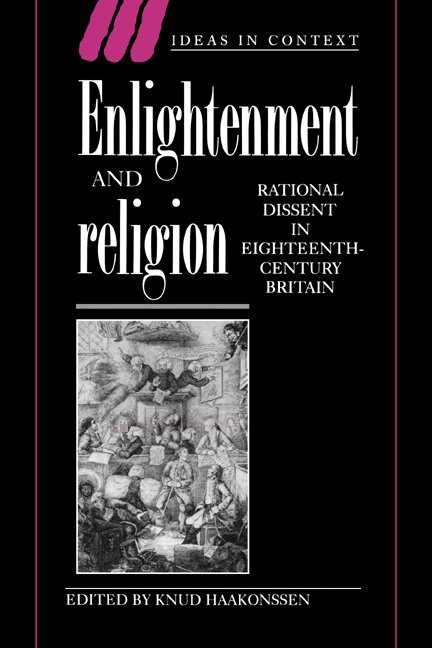
Enlightenment and Religion
Rational Dissent in Eighteenth-Century Britain
Av Knud Haakossen, Knud Haakonssen
Inbunden, 1996
1872 kr
Lägg i varukorg
This book makes a comprehensive reassessment of the relationship between Enlightenment and religion in England. The debate about an 'English' Enlightenment has centred on the role of religion, especially the relationship between the established Anglican Church and the dissenting confessions. It has …
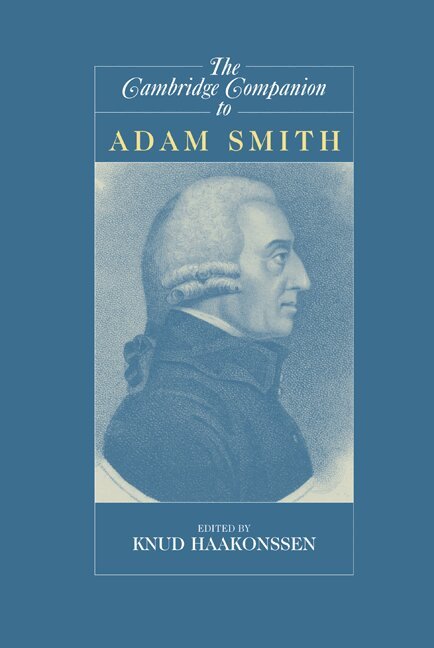
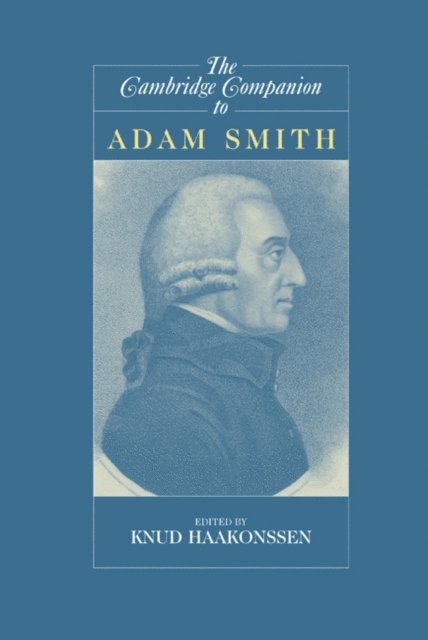
The Cambridge Companion to Adam Smith
Inbunden, 2006
1450 kr
Lägg i varukorg
Adam Smith is best known as the founder of scientific economics and as an early proponent of the modern market economy. Political economy, however, was only one part of Smith's comprehensive intellectual system. Consisting of a theory of mind and its functions in language, arts, science, and social …
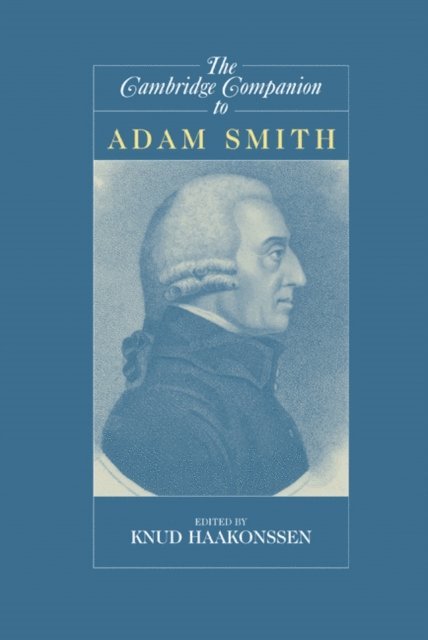
The Cambridge Companion to Adam Smith
Häftad, 2006
536 kr
Lägg i varukorg
Adam Smith is best known as the founder of scientific economics and as an early proponent of the modern market economy. Political economy, however, was only one part of Smith's comprehensive intellectual system. Consisting of a theory of mind and its functions in language, arts, science, and social …
Thomas Reid on Practical Ethics
Av Thomas Reid, Knud Haakonssen
Inbunden, 2007
2986 kr
Lägg i varukorg
The pervasiveness of Protestant natural law in the early modern period and its significance in the Scottish Enlightenment have long been recognised. This book reveals that Thomas Reid (1710-1796) – the great contemporary of David Hume and Adam Smith – also worked in this tradition. When Reid …
David Hume
Av Richard Whatmore, Knud Haakonssen
Inbunden, 2013
4677 kr
Lägg i varukorg
This volume on Hume's politics brings together essays that have been formative of the scholarly and more general debate about Hume's political thought. Unlike many theorists who express their thought in terms of system, Hume uses the incidental genre of the essay as the vehicle for his writing and …
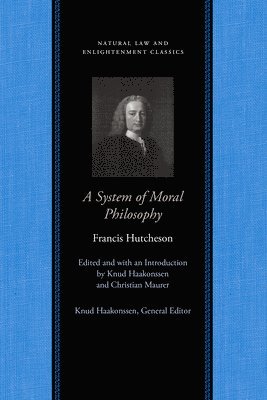
System of Moral Philosophy
Av Francis Hutcheson, Knud Haakonssen m. fl.
Inbunden, 2025
266 kr
Kommande
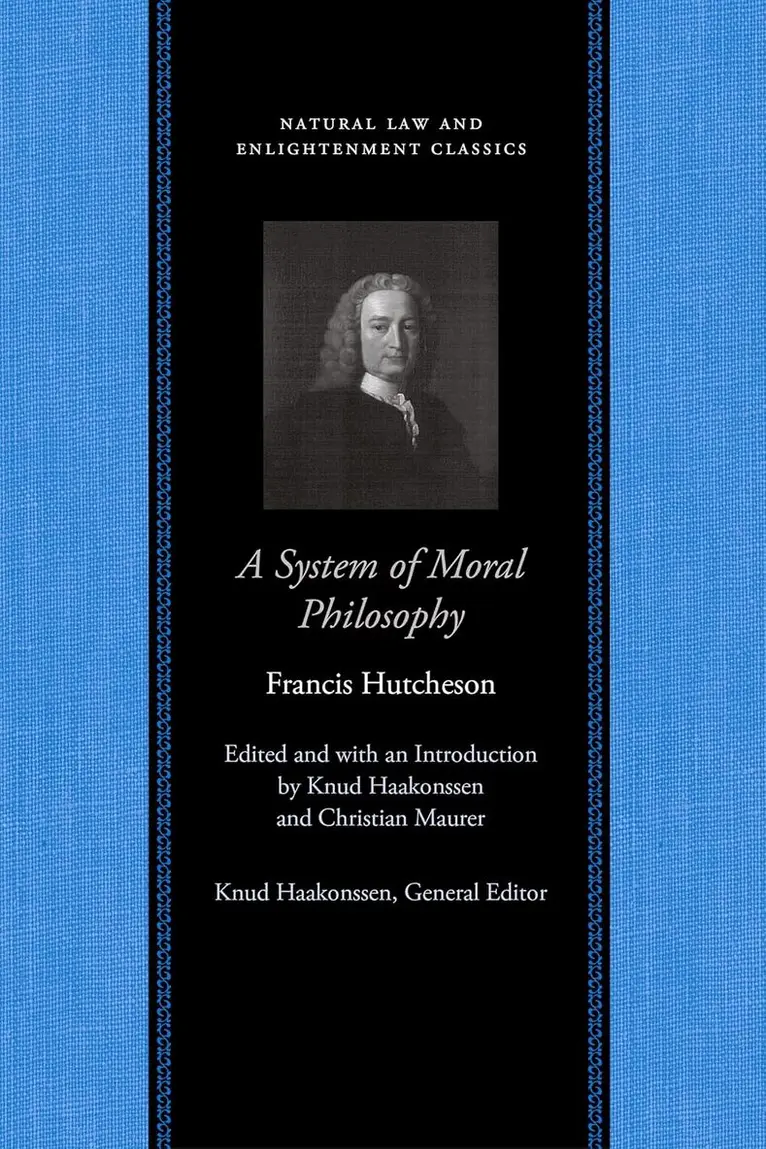
According to Knud Haakonssen, general editor for this series and also the editor of this work, A SYSTEM OF MORAL PHILOSOPHY was Hutcheson's longest and most ambitious work. It contains his most comprehensive account of human nature, the supreme good and greatest happiness, divine providence, …
System of Moral Philosophy
Av Francis Hutcheson, Knud Haakonssen m. fl.
Häftad, 2025
152 kr
Lägg i varukorg
According to Knud Haakonssen, general editor for this series and also the editor of this work, A SYSTEM OF MORAL PHILOSOPHY was Hutcheson's longest and most ambitious work. It contains his most comprehensive account of human nature, the supreme good and greatest happiness, divine providence, …
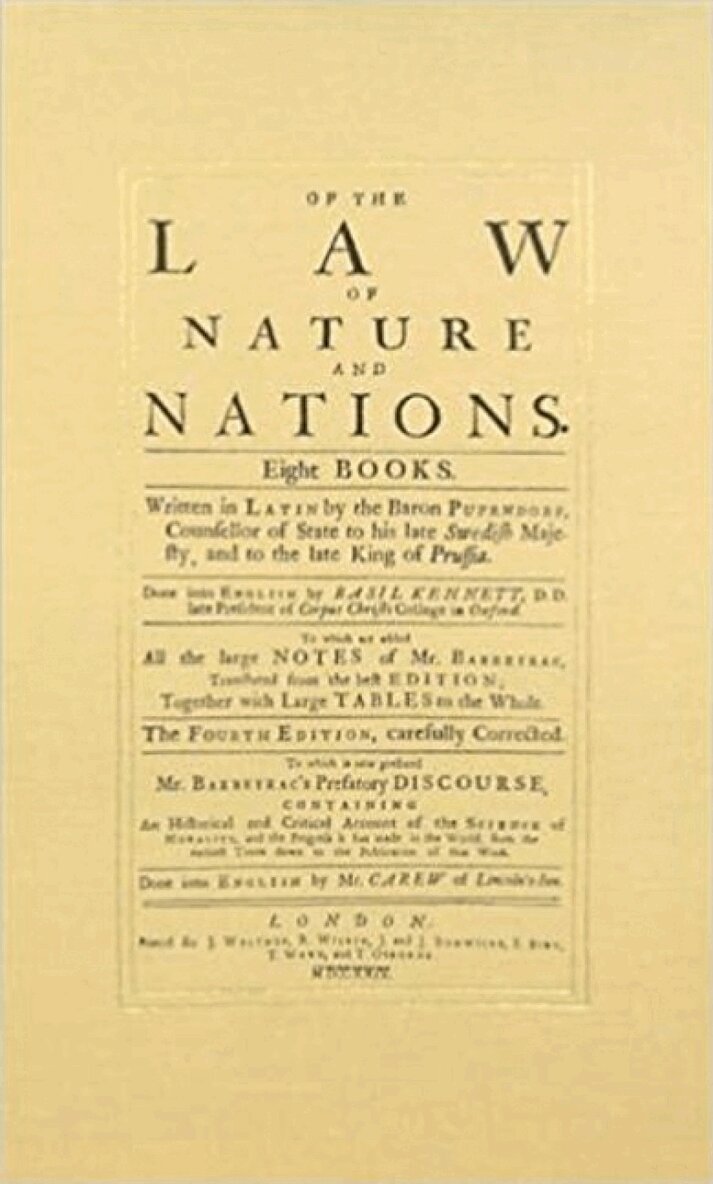
Of the Law of Nature & Nations
In Five Volumes
Av Samuel Pufendorf, Knud Haakonssen
Inbunden, 2027
1338 kr
Kommande
Pufendorf provided a comprehensive system of society, law, and government based on a theory of human nature. Eschewing contemporary theological ideas of human perfection and other-worldly beatitude, he founded his natural law on the need for sociability in this world. While paying great respect to …
Of the Law of Nature & Nations
In Five Volumes
Av Samuel Pufendorf, Knud Haakonssen
Häftad, 2027
884 kr
Kommande
Pufendorf provided a comprehensive system of society, law, and government based on a theory of human nature. Eschewing contemporary theological ideas of human perfection and other-worldly beatitude, he founded his natural law on the need for sociability in this world. While paying great respect to …
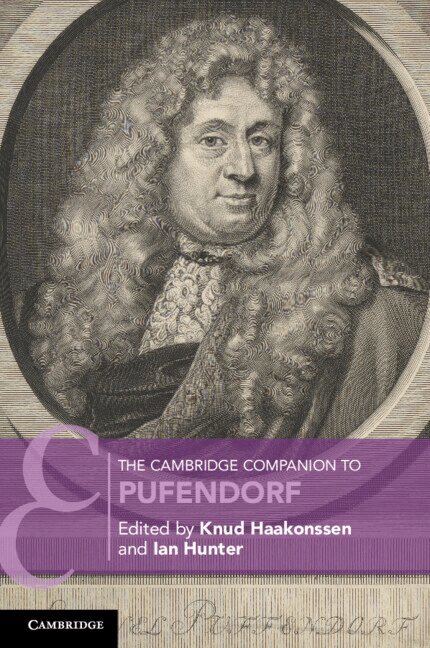
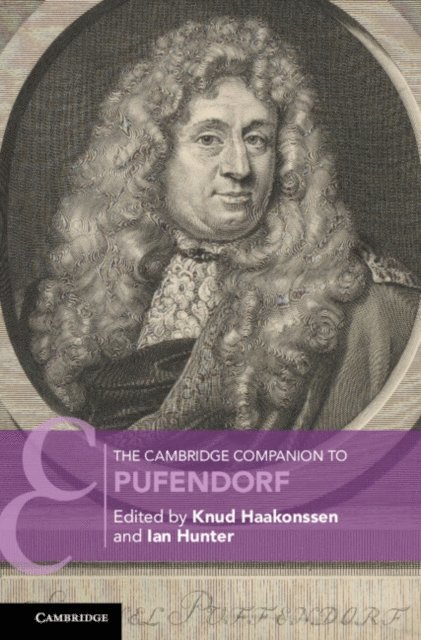
The Cambridge Companion to Pufendorf
Av Knud Haakonssen, Ian Hunter
Häftad, 2022
508 kr
Lägg i varukorg
In the same intellectual league as Grotius, Hobbes and Locke, but today less well known, Samuel Pufendorf was an early modern master of political, juridical, historical and theological thought. Trained in an erudite humanism, he brought his copious command of ancient and modern literature to bear …
Cambridge Companion to Pufendorf
Av Ian Hunter, Knud Haakonssen
E-bok, 2022
495 kr
Lägg i varukorg
In the same intellectual league as Grotius, Hobbes and Locke, but today less well known, Samuel Pufendorf was an early modern master of political, juridical, historical and theological thought. Trained in an erudite humanism, he brought his copious command of ancient and modern literature to bear …
Cambridge Companion to Pufendorf
Av Ian Hunter, Knud Haakonssen
E-bok, 2022
484 kr
Lägg i varukorg
In the same intellectual league as Grotius, Hobbes and Locke, but today less well known, Samuel Pufendorf was an early modern master of political, juridical, historical and theological thought. Trained in an erudite humanism, he brought his copious command of ancient and modern literature to bear …
Cambridge Companion to Adam Smith
E-bok, 2006
511 kr
Lägg i varukorg
Adam Smith is best known as the founder of scientific economics and as an early proponent of the modern market economy. Political economy, however, was only one part of Smith''s comprehensive intellectual system. Consisting of a theory of mind and its functions in language, arts, science, and …
Cambridge Companion to Adam Smith
E-bok, 2006
522 kr
Lägg i varukorg
Adam Smith is best known as the founder of scientific economics and as an early proponent of the modern market economy. Political economy, however, was only one part of Smith''s comprehensive intellectual system. Consisting of a theory of mind and its functions in language, arts, science, and …
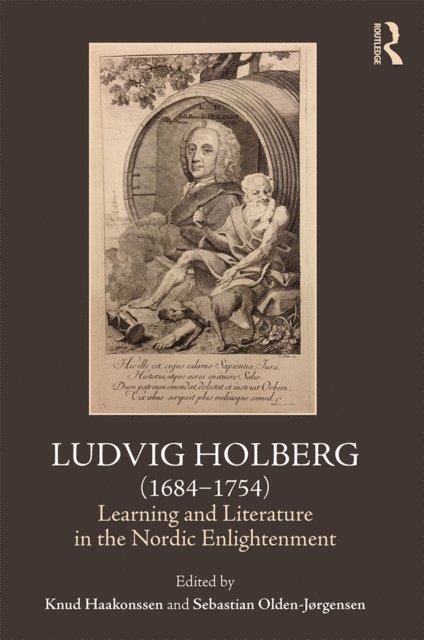
Ludvig Holberg (1684-1754)
Learning and Literature in the Nordic Enlightenment
Av Sebastian Olden-Jorgensen, Knud Haakonssen
E-bok, 2017
956 kr
Lägg i varukorg
Ludvig Holberg (1684–1754) was the foremost representative of the Danish-Norwegian Enlightenment and also a European figure of note. He published significant works in natural law and history, but also a very important body of moral essays and epistles. He authored several engaging autobiographies …
Ludvig Holberg (1684-1754)
Learning and Literature in the Nordic Enlightenment
Av Sebastian Olden-Jorgensen, Knud Haakonssen
E-bok, 2017
928 kr
Lägg i varukorg
Ludvig Holberg (1684–1754) was the foremost representative of the Danish-Norwegian Enlightenment and also a European figure of note. He published significant works in natural law and history, but also a very important body of moral essays and epistles. He authored several engaging autobiographies …
David Hume
Av Richard Whatmore, Knud Haakonssen
E-bok, 2017
807 kr
Lägg i varukorg
This volume on Hume''s politics brings together essays that have been formative of the scholarly and more general debate about Hume''s political thought. Unlike many theorists who express their thought in terms of system, Hume uses the incidental genre of the essay as the vehicle for his writing …
David Hume
Av Richard Whatmore, Knud Haakonssen
E-bok, 2017
831 kr
Lägg i varukorg
This volume on Hume''s politics brings together essays that have been formative of the scholarly and more general debate about Hume''s political thought. Unlike many theorists who express their thought in terms of system, Hume uses the incidental genre of the essay as the vehicle for his writing …
Ludvig Holberg (1684-1754)
Learning and Literature in the Nordic Enlightenment
Av Knud Haakonssen, Sebastian Olden-Jørgensen
Inbunden, 2017
3165 kr
Lägg i varukorg
Ludvig Holberg (1684–1754) was the foremost representative of the Danish-Norwegian Enlightenment and also a European figure of note. He published significant works in natural law and history, but also a very important body of moral essays and epistles. He authored several engaging autobiographies …