Knut J. Ims – författare
Visar alla böcker från författaren Knut J. Ims. Handla med fri frakt och snabb leverans.
5 produkter
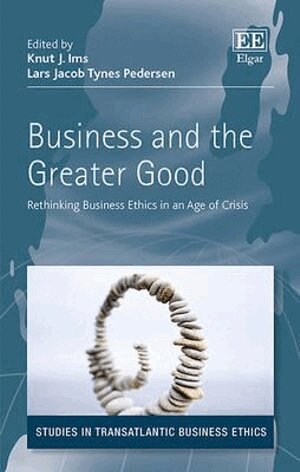
Business and the Greater Good
Rethinking Business Ethics in an Age of Crisis
Av Knut J. Ims, Lars J. Tynes Pedersen
Inbunden, 2015
2182 kr
Lägg i varukorg
With cutting-edge insights from leading European and North American scholars, this authoritative book addresses the fundamental problems of business in an age of crisis whilst presenting radical, but practical, solutions.The contributors explore three main value shifts: from inequality to equality, …
Business and the Greater Good
Rethinking Business Ethics in an Age of Crisis
Av Lars J. Tynes Pedersen, Knut J. Ims
E-bok, 2015
472 kr
Lägg i varukorg
With cutting-edge insights from leading European and North American scholars, this authoritative book addresses the fundamental problems of business in an age of crisis whilst presenting radical, but practical, solutions. The contributors explore three main value shifts: from inequality to …
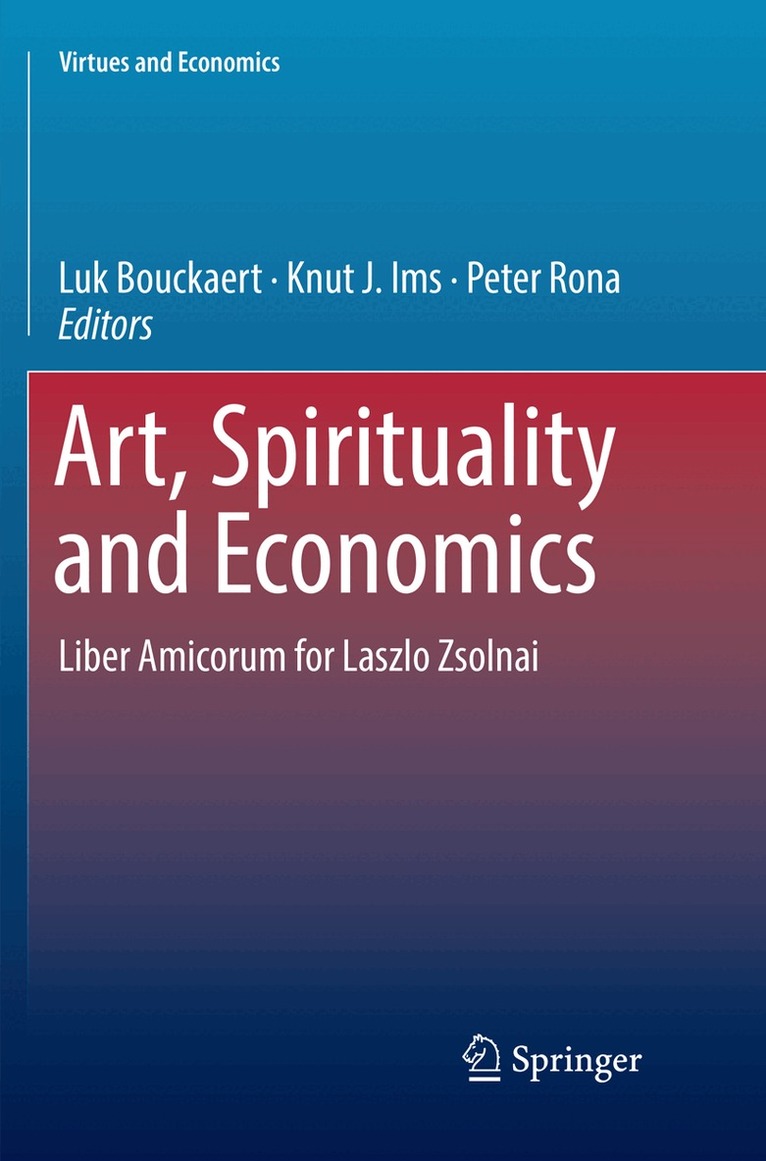
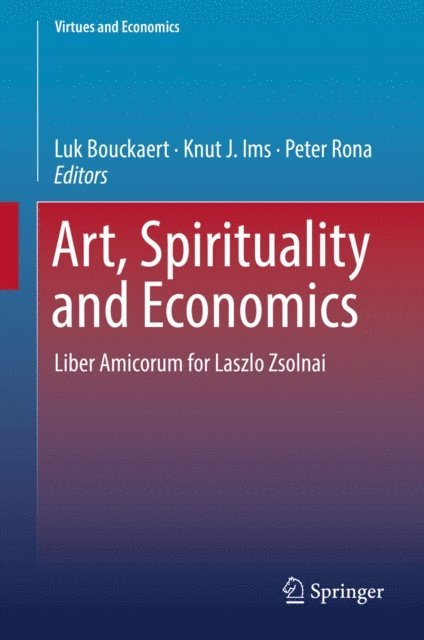
Art, Spirituality and Economics
Liber Amicorum for Laszlo Zsolnai
Av Luk Bouckaert, Knut J. Ims m. fl.
Häftad, 2019
1095 kr
Lägg i varukorg
This volume celebrates the work of Laszlo Zsolnai, a leading researcher and scholar in the field of the ethical and spiritual aspects of economic life, who has made significant contributions to the connection between ethics, spirituality, aesthetics and economic theory. The book offers a selection …
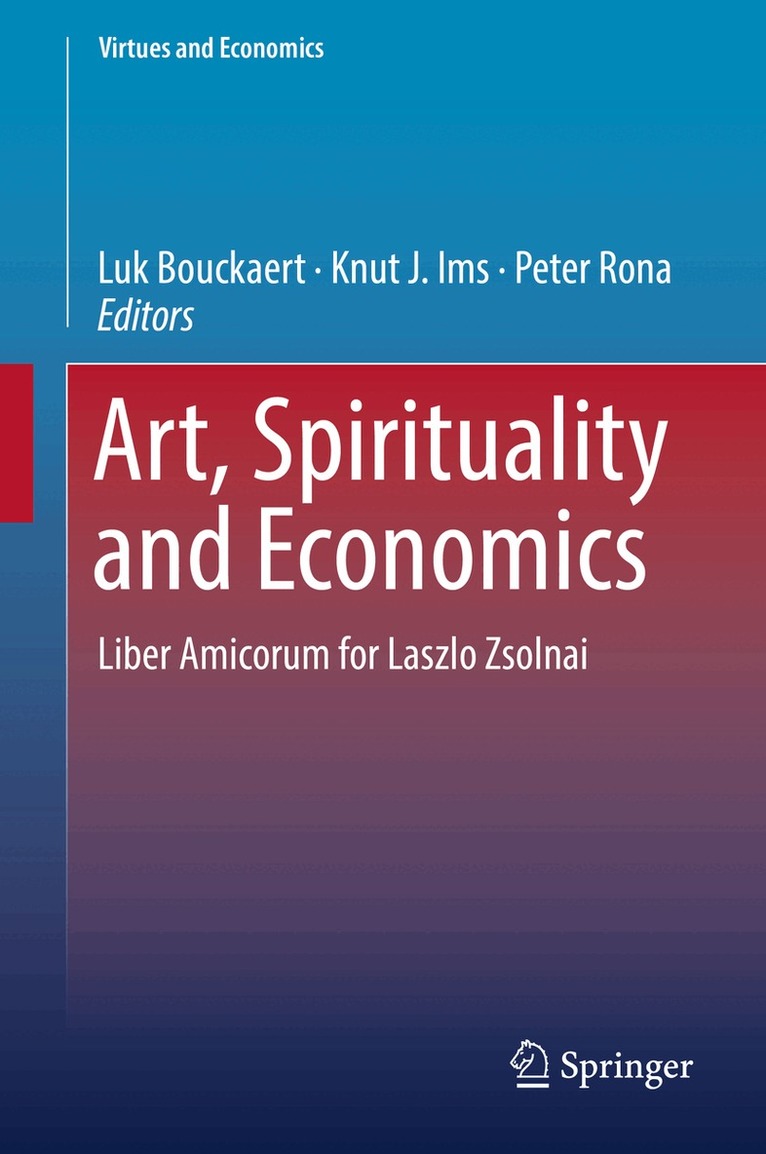
Art, Spirituality and Economics
Liber Amicorum for Laszlo Zsolnai
Av Luk Bouckaert, Knut J. Ims m. fl.
Inbunden, 2018
1095 kr
Lägg i varukorg
This volume celebrates the work of Laszlo Zsolnai, a leading researcher and scholar in the field of the ethical and spiritual aspects of economic life, who has made significant contributions to the connection between ethics, spirituality, aesthetics and economic theory. The book offers a selection …
Art, Spirituality and Economics
Liber Amicorum for Laszlo Zsolnai
Av Peter Rona, Knut J. Ims m. fl.
E-bok, 2018
1459 kr
Lägg i varukorg
This volume celebrates the work of Laszlo Zsolnai, a leading researcher and scholar in the field of the ethical and spiritual aspects of economic life, who has made significant contributions to the connection between ethics, spirituality, aesthetics and economic theory. The book offers a selection …