Kosho Uchiyama – författare
Visar alla böcker från författaren Kosho Uchiyama. Handla med fri frakt och snabb leverans.
9 produkter
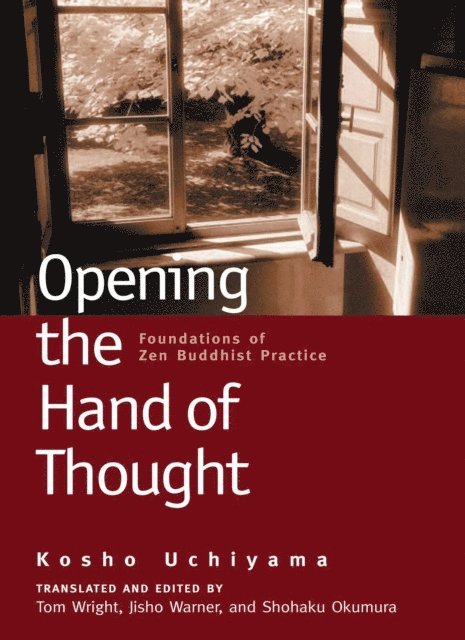
Opening the Hand of Thought
Foundations of Zen Buddhist Practice
Av Kosho Uchiyama, Tom Wright m. fl.
Häftad, 2004
5,0 utav 5 stjärnor. Totalt antal röster: (1)
258 kr
Lägg i varukorg
For over thirty years, Opening the Hand of Thought has offered an introduction to Zen Buddhism and meditation unmatched in clarity and power. This is the revised edition of Kosho Uchiyama's singularly incisive classic. This new edition contains even more useful material: new prefaces, an index, and …
Opening the Hand of Thought
Foundations of Zen Buddhist Practice
Av Kosho Uchiyama, Shohaku Okumura m. fl.
E-bok, 2005
226 kr
Lägg i varukorg
For over thirty years, Opening the Hand of Thought has offered an introduction to Zen Buddhism and meditation unmatched in clarity and power. This is the revised edition of Kosho Uchiyama''s singularly incisive classic. This new edition contains even more useful material: new prefaces, an index, …
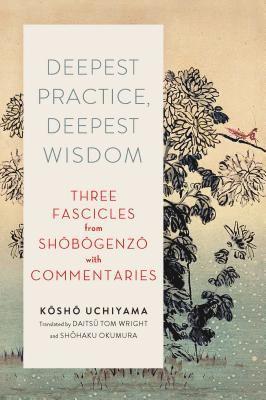
Deepest Practice, Deepest Wisdom
Three Fascicles from Shobogenzo with Commentary
Häftad, 2018
166 kr
Lägg i varukorg
Insightful commentary on a beloved ancient philosopher of Zen by a beloved contemporary master of Zen. Famously insightful and famously complex, Eihei Dogen’s writings have been studied and puzzled over for hundreds of years. In Deepest Practice, Deepest Wisdom, Kosho Uchiyama, beloved …
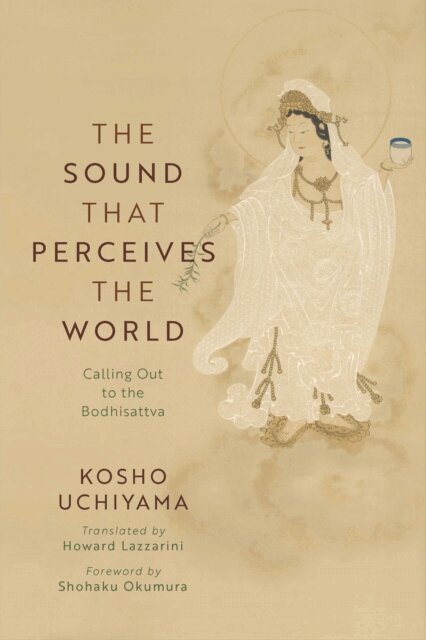
Sound That Perceives the World
Calling Out to the Bodhisattva
E-bok, 2025
292 kr
Lägg i varukorg
Musings and autobiographically informed commentary on the human condition through the lens of the Kannon-gyo—chapter 25 of the Lotus Sutra—connecting Zen and Pure Land Buddhism through the practice of venerating and chanting the names of buddhas and bodhisattvas. The Kannon-gyo is chapter 25 of the …
Abrir la mano del pensamiento
Fundamentos de la práctica del budismo Zen
E-bok, 2010
99 kr
Lägg i varukorg
Este libro describe la práctica del zazén con una claridad y sencillez inusuales. Los numerosos ejemplos de la vida cotidiana a los que recurre el maestro Uchiyama demuestran que el Zen, lejos de tratarse de un camino ultramundano, consiste en descubrir con honestidad quiénes somos y desarrollar …