Kristie Thomas – författare
Visar alla böcker från författaren Kristie Thomas. Handla med fri frakt och snabb leverans.
6 produkter
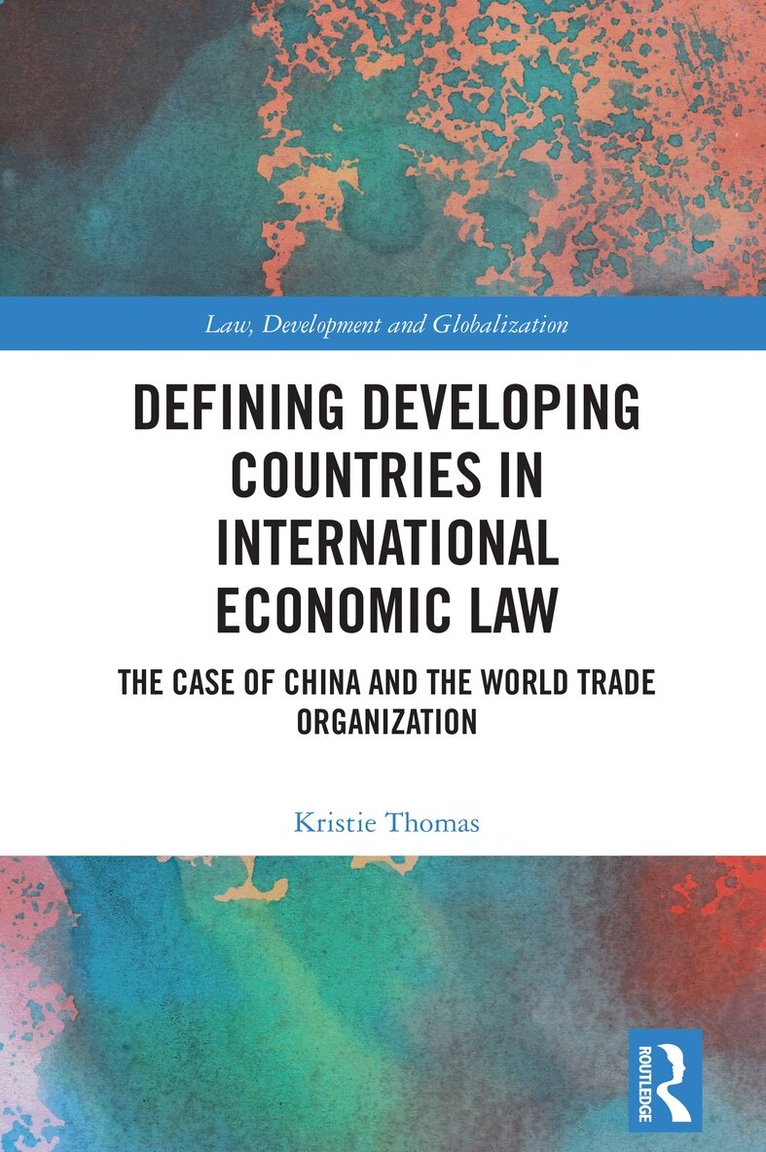
Defining Developing Countries in International Economic Law
The Case of China and the World Trade Organization
Inbunden, 2026
2309 kr
Lägg i varukorg
Through a detailed analysis of the example of China and the World Trade Organization, this book considers how developing countries are defined and, more importantly, how developing countries could be better defined in international economic law.What is a developing country? How should developing …
Defining Developing Countries in International Economic Law
The Case of China and the World Trade Organization
E-bok, 2026
765 kr
Lägg i varukorg
Through a detailed analysis of the example of China and the World Trade Organization, this book considers how developing countries are defined and, more importantly, how developing countries could be better defined in international economic law.What is a developing country? How should developing …
Defining Developing Countries in International Economic Law
The Case of China and the World Trade Organization
E-bok, 2026
765 kr
Lägg i varukorg
Through a detailed analysis of the example of China and the World Trade Organization, this book considers how developing countries are defined and, more importantly, how developing countries could be better defined in international economic law.What is a developing country? How should developing …
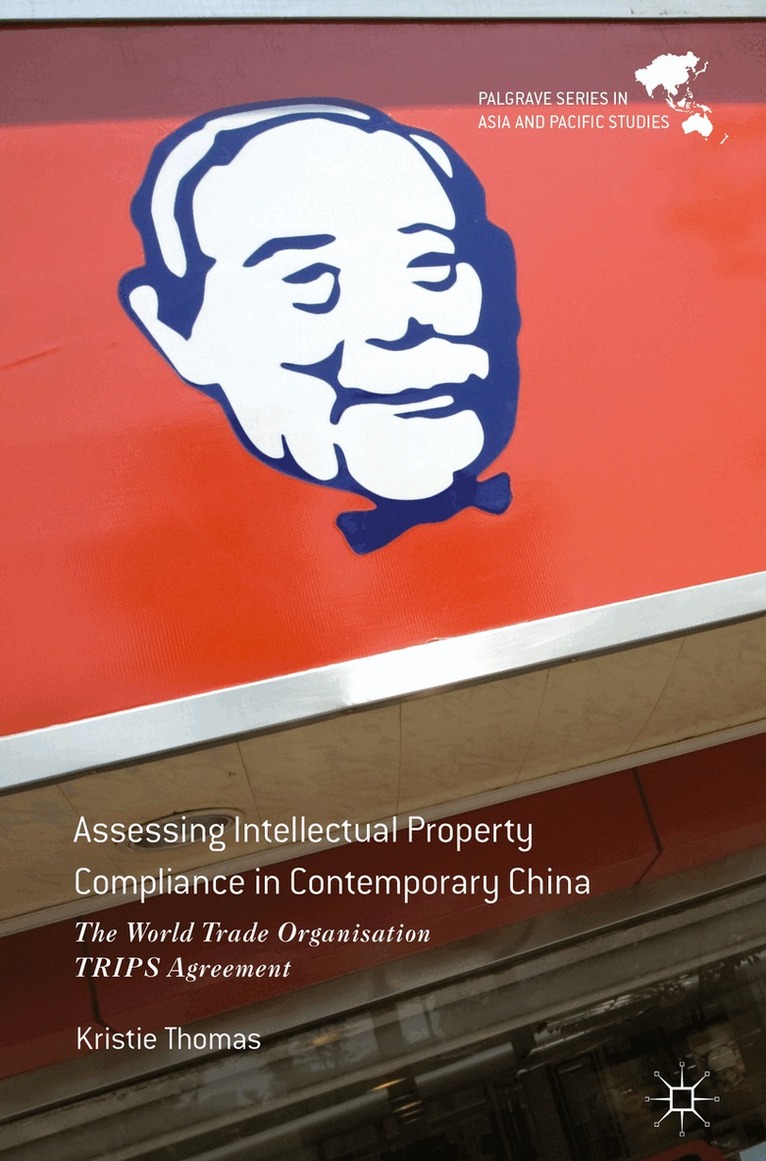
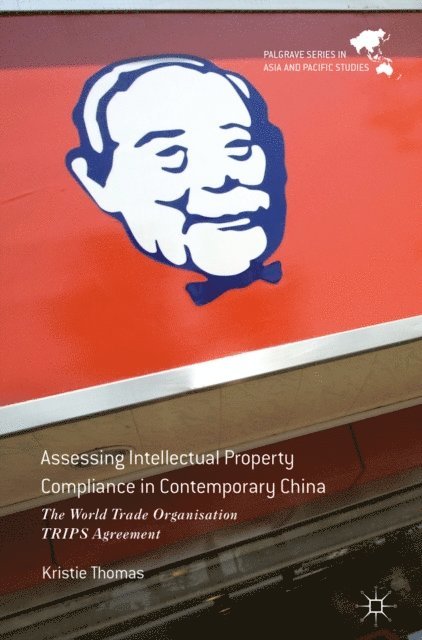
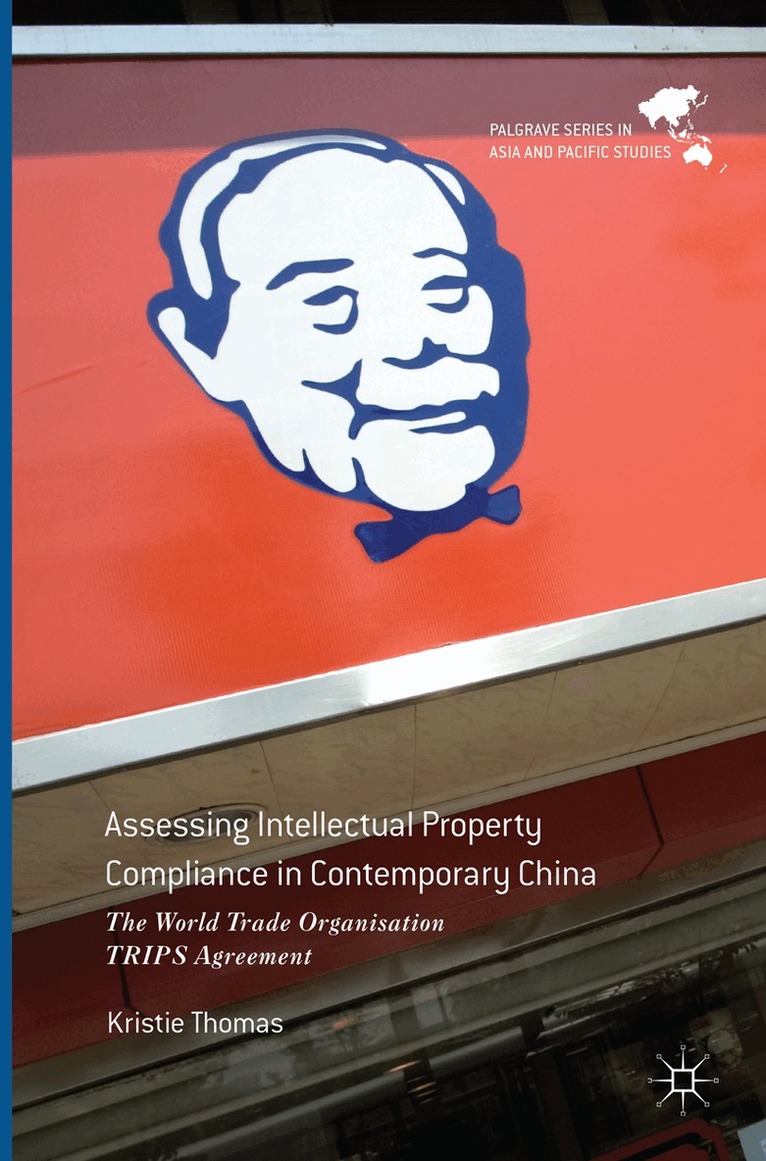
Assessing Intellectual Property Compliance in Contemporary China
The World Trade Organisation TRIPS Agreement
Inbunden, 2017
1309 kr
Lägg i varukorg
Since its accession to the World Trade Organisation (WTO) in December 2001, China has been committed to full compliance with the Trade-Related Intellectual Property Rights (TRIPS) Agreement. This text considers the development of intellectual property in China, and offers an interdisciplinary …
Assessing Intellectual Property Compliance in Contemporary China
The World Trade Organisation TRIPS Agreement
E-bok, 2017
1192 kr
Lägg i varukorg
Since its accession to the World Trade Organisation (WTO) in December 2001, China has been committed to full compliance with the Trade-Related Intellectual Property Rights (TRIPS) Agreement. This text considers the development of intellectual property in China, and offers an interdisciplinary …
Assessing Intellectual Property Compliance in Contemporary China
The World Trade Organisation TRIPS Agreement
Häftad, 2018
908 kr
Lägg i varukorg
Since its accession to the World Trade Organisation (WTO) in December 2001, China has been committed to full compliance with the Trade-Related Intellectual Property Rights (TRIPS) Agreement. This text considers the development of intellectual property in China, and offers an interdisciplinary …