Ksenija Bogetić – författare
Visar alla böcker från författaren Ksenija Bogetić. Handla med fri frakt och snabb leverans.
2 produkter
2 produkter
Inbunden, Engelska, 2025
1 681 kr
Skickas inom 10-15 vardagar
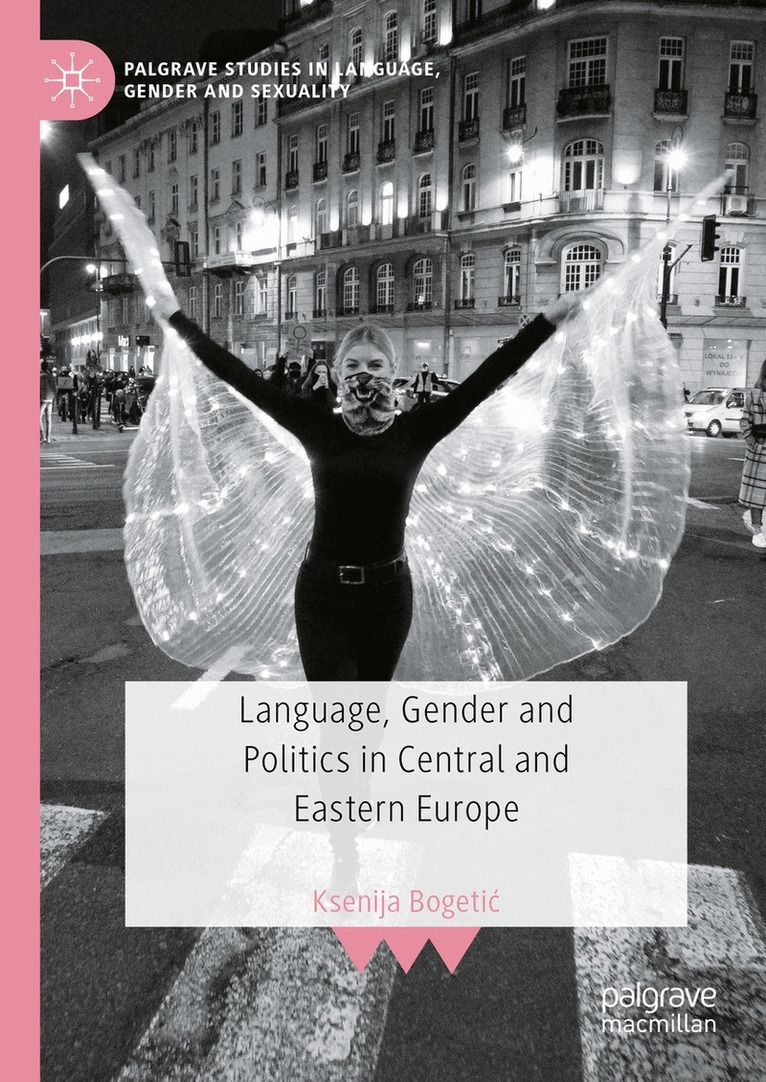
This volume is the first book-length collection of research on language, gender and sexuality in the societies of central and eastern Europe. Spanning a range of languages and political contexts, the chapters shed light on the intense debates that connect language use, gender equality, sexuality, history and belonging in this region today, while advancing perspectives on semiotic resignification that complicate some western-dominated frameworks in the discipline. Focused on a space increasingly described as a hub of ‘anti-gender’ hostility – as we currently witness in the curtailing of abortion rights, removal of gender from curricula and institutionalisation of anti-LBGTQ rhetoric – the book also foregrounds the rich continuities of feminist theory and protest in post-socialist societies, and their import for rethinking transnational sociolinguistic perspectives on heteronormative patriarchy, ‘anti-genderism’, neoliberalism, imperialism and conflict. Showcasing a range of approaches, themes and angles of inquiry, the book will be of interest to scholars and postgraduate students researching the topics of gender and sexuality within linguistics, but also within other interdisciplinary areas of the humanities and social sciences.
E-bok
Engelska, 20251 977 kr
Läs direkt efter köp
This volume is the first book-length collection of research on language, gender and sexuality in the societies of central and eastern Europe. Spanning a range of languages and political contexts, the chapters shed light on the intense debates that connect language use, gender equality, sexuality, history and belonging in this region today, while advancing perspectives on semiotic resignification that complicate some western-dominated frameworks in the discipline. Focused on a space increasingly described as a hub of 'anti-gender' hostility - as we currently witness in the curtailing of abortion rights, removal of gender from curricula and institutionalisation of anti-LBGTQ rhetoric - the book also foregrounds the rich continuities of feminist theory and protest in post-socialist societies, and their import for rethinking transnational sociolinguistic perspectives on heteronormative patriarchy, 'anti-genderism', neoliberalism, imperialism and conflict. Showcasing a range of approaches, themes and angles of inquiry, the book will be of interest to scholars and postgraduate students researching the topics of gender and sexuality within linguistics, but also within other interdisciplinary areas of the humanities and social sciences.