
Kwame Dixon – författare
1 298 kr
Läs direkt efter köp
347 kr
Skickas inom 10-15 vardagar
2 636 kr
Läs direkt efter köp
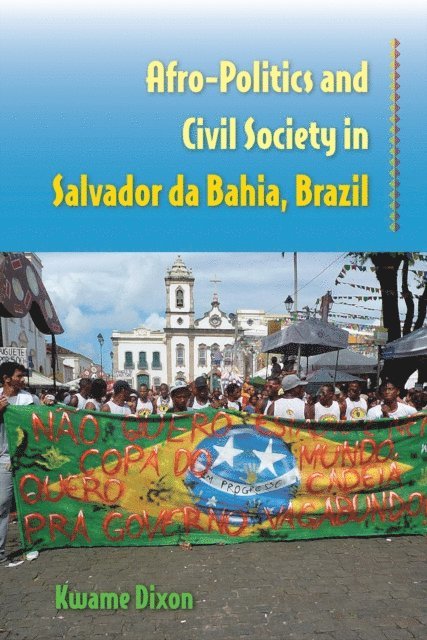
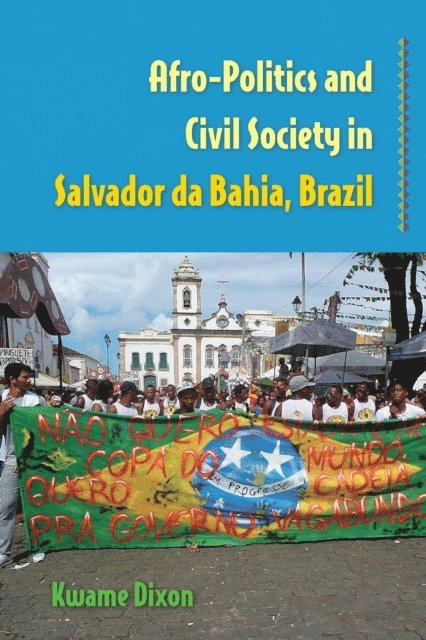
Brazil’s Black population, one of the oldest and largest in the Americas, mobilized a vibrant antiracism movement from grassroots origins when the country transitioned from dictatorship to democracy in the 1980s. Campaigning for political equality after centuries of deeply engrained racial hierarchies, African-descended groups have been working to unlock democratic spaces that were previously closed to them.
Using the city of Salvador as a case study, Kwame Dixon tracks the emergence of Black civil society groups and their political projects: claiming new citizenship rights, testing new anti-discrimination and affirmative action measures, reclaiming rural and urban land, and increasing political representation. This book is one of the first to explore how Afro-Brazilians have influenced politics and democratic institutions in the contemporary period.
Publication of the paperback edition made possible by a Sustaining the Humanities through the American Rescue Plan grant from the National Endowment for the Humanities.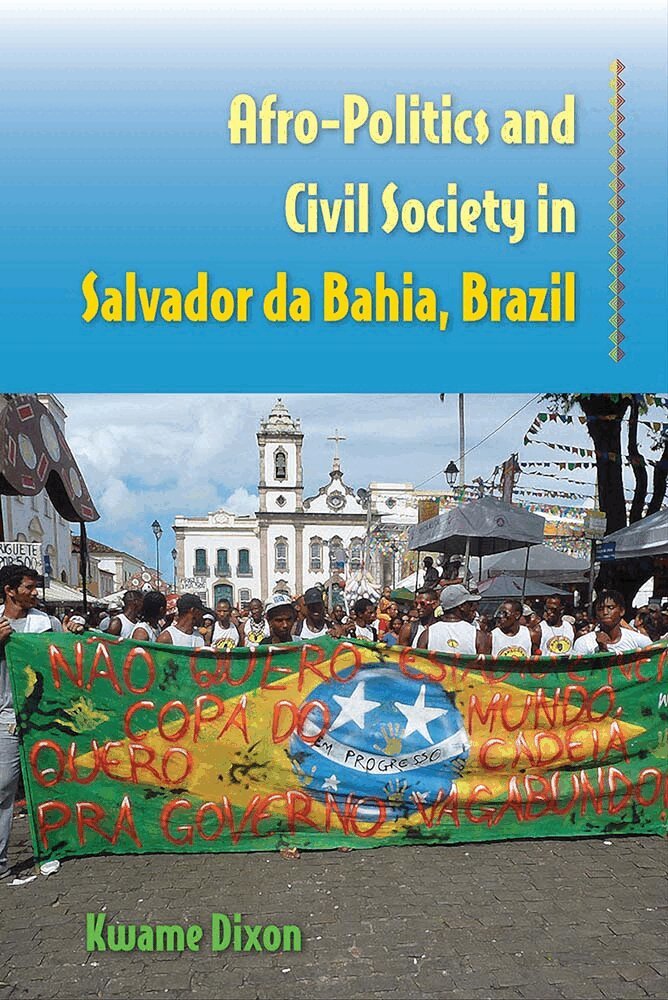
291 kr
Skickas inom 10-15 vardagar
467 kr
Läs direkt efter köp
Brazil’s Black population, one of the oldest and largest in the Americas, mobilized a vibrant antiracism movement from grassroots origins when the country transitioned from dictatorship to democracy in the 1980s. Campaigning for political equality after centuries of deeply engrained racial hierarchies, African-descended groups have been working to unlock democratic spaces that were previously closed to them.
Using the city of Salvador as a case study, Kwame Dixon tracks the emergence of Black civil society groups and their political projects: claiming new citizenship rights, testing new anti-discrimination and affirmative action measures, reclaiming rural and urban land, and increasing political representation. This book is one of the first to explore how Afro-Brazilians have influenced politics and democratic institutions in the contemporary period.
Publication of the paperback edition made possible by a Sustaining the Humanities through the American Rescue Plan grant from the National Endowment for the Humanities.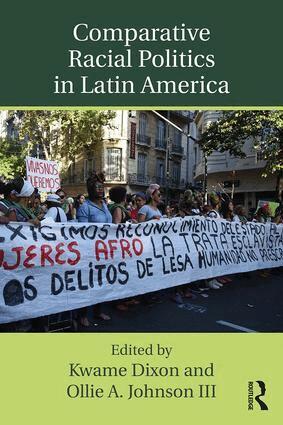
731 kr
Skickas inom 10-15 vardagar
2 402 kr
Skickas inom 10-15 vardagar
874 kr
Läs direkt efter köp
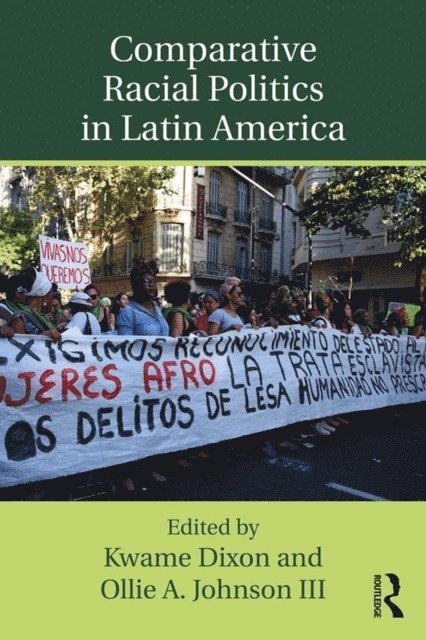
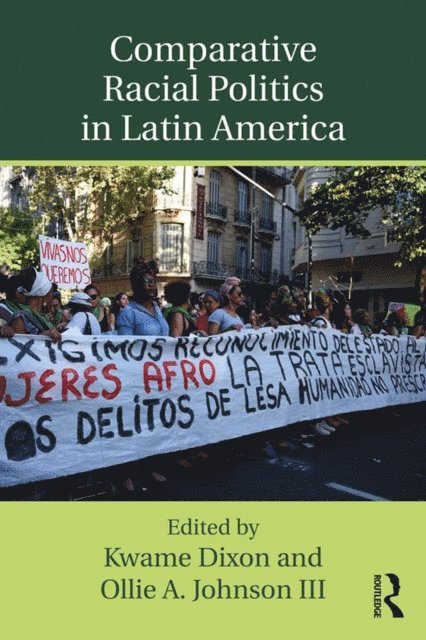
Latin America has a rich and complex social history marked by slavery, colonialism, dictatorships, rebellions, social movements and revolutions. Comparative Racial Politics in Latin America explores the dynamic interplay between racial politics and hegemonic power in the region. It investigates the fluid intersection of social power and racial politics and their impact on the region’s histories, politics, identities and cultures.
Organized thematically with in-depth country case studies and a historical overview of Afro-Latin politics, the volume provides a range of perspectives on Black politics and cutting-edge analyses of Afro-descendant peoples in the region. Regional coverage includes Argentina, Brazil, Colombia, Cuba, the Dominican Republic, Ecuador, Haiti and more. Topics discussed include Afro-Civil Society; antidiscrimination criminal law; legal sanctions; racial identity; racial inequality and labor markets; recent Black electoral participation; Black feminism thought and praxis; comparative Afro-women social movements; the intersection of gender, race and class, immigration and migration; and citizenship and the struggle for human rights. Recognized experts in different disciplinary fields address the depth and complexity of these issues.
Comparative Racial Politics in Latin America contributes to and builds on the study of Black politics in Latin America.
874 kr
Läs direkt efter köp
Latin America has a rich and complex social history marked by slavery, colonialism, dictatorships, rebellions, social movements and revolutions. Comparative Racial Politics in Latin America explores the dynamic interplay between racial politics and hegemonic power in the region. It investigates the fluid intersection of social power and racial politics and their impact on the region’s histories, politics, identities and cultures.
Organized thematically with in-depth country case studies and a historical overview of Afro-Latin politics, the volume provides a range of perspectives on Black politics and cutting-edge analyses of Afro-descendant peoples in the region. Regional coverage includes Argentina, Brazil, Colombia, Cuba, the Dominican Republic, Ecuador, Haiti and more. Topics discussed include Afro-Civil Society; antidiscrimination criminal law; legal sanctions; racial identity; racial inequality and labor markets; recent Black electoral participation; Black feminism thought and praxis; comparative Afro-women social movements; the intersection of gender, race and class, immigration and migration; and citizenship and the struggle for human rights. Recognized experts in different disciplinary fields address the depth and complexity of these issues.
Comparative Racial Politics in Latin America contributes to and builds on the study of Black politics in Latin America.