Lani Watson – författare
Visar alla böcker från författaren Lani Watson. Handla med fri frakt och snabb leverans.
13 produkter
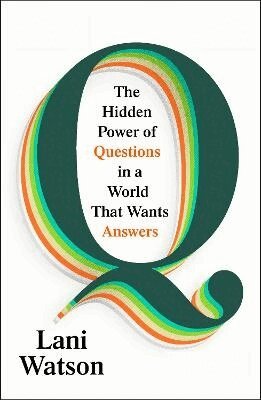
Q
The Hidden Power of Questions in a World That Wants Answers
Av Lani Watson
Häftad, 2026
243 kr
Lägg i varukorg
' Q is one of those rare books that hands you back a capability you didn't realise you'd lost' DANIEL H. PINK 'Wonderful ... Immensely entertaining and compelling' SPECTATOR Our lives are shaped by questions: they are how we connect, persuade and flourish. But we live in a world that wants answers. …
Q
The Hidden Power of Questions in a World That Wants Answers
Av Lani Watson
Inbunden, 1900
365 kr
Lägg i varukorg
“ Q is one of those rare books that hands you back a capability you didn't realize you'd lost.” —Daniel H. Pink, New York Times bestselling author of The Power of Regret A transformative and philosophical investigation into how we ask questions, full of practical advice on how we can harness the …
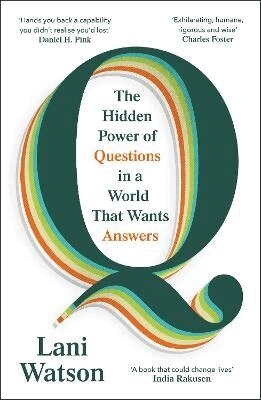
Q
The Hidden Power of Questions in a World That Wants Answers
Av Lani Watson
Inbunden, 2026
240 kr
Lägg i varukorg
'Q is one of those rare books that hands you back a capability you didn't realise you'd lost' DANIEL H. PINK'Wonderful ... Immensely entertaining and compelling' SPECTATOROur lives are shaped by questions: they are how we connect, persuade and flourish. But we live in a world that wants …
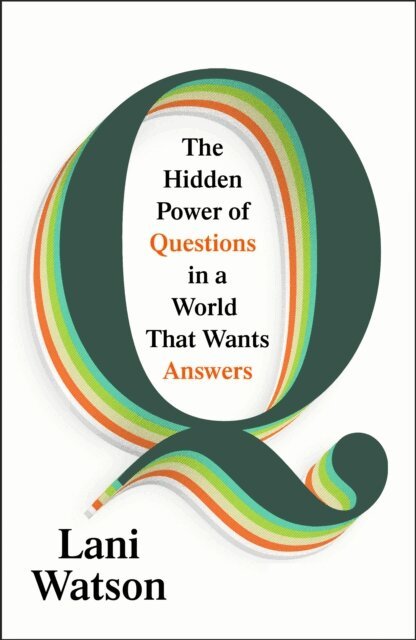
Q
The Hidden Power of Questions in a World That Wants Answers
Av Lani Watson
Häftad, 2027
152 kr
Kommande
Q
The Hidden Power of Questions in a World That Wants Answers
Av Lani Watson
E-bok, 2026
329 kr
Lägg i varukorg
'Q is one of those rare books that hands you back a capability you didn't realise you'd lost' DANIEL H. PINK'Wonderful ... Immensely entertaining and compelling' SPECTATOROur lives are shaped by questions: they are how we connect, persuade and flourish. But we live in a world that wants …
Right to Know
Epistemic Rights and Why We Need Them
Av Lani Watson
E-bok, 2021
433 kr
Lägg i varukorg
We speak of the right to know with relative ease. You have the right to know the results of a medical test or to be informed about the collection and use of personal data. But what exactly is the right to know, and who should we trust to safeguard it? This book provides the first comprehensive …
Right to Know
Epistemic Rights and Why We Need Them
Av Lani Watson
E-bok, 2021
424 kr
Lägg i varukorg
We speak of the right to know with relative ease. You have the right to know the results of a medical test or to be informed about the collection and use of personal data. But what exactly is the right to know, and who should we trust to safeguard it? This book provides the first comprehensive …
Right to Know
Epistemic Rights and Why We Need Them
Av Lani Watson
Häftad, 2022
371 kr
Lägg i varukorg
We speak of the right to know with relative ease. You have the right to know the results of a medical test or to be informed about the collection and use of personal data. But what exactly is the right to know, and who should we trust to safeguard it?This book provides the first comprehensive …
Right to Know
Epistemic Rights and Why We Need Them
Av Lani Watson
Inbunden, 2021
992 kr
Lägg i varukorg
We speak of the right to know with relative ease. You have the right to know the results of a medical test or to be informed about the collection and use of personal data. But what exactly is the right to know, and who should we trust to safeguard it?This book provides the first comprehensive …
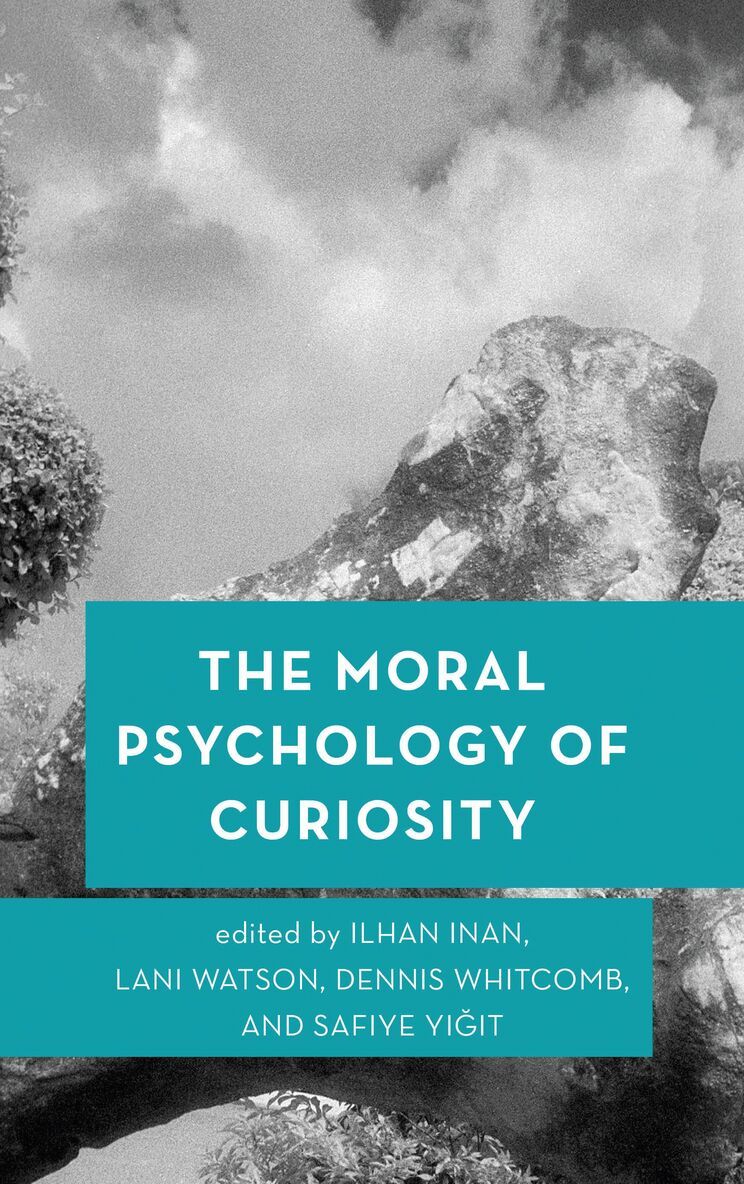
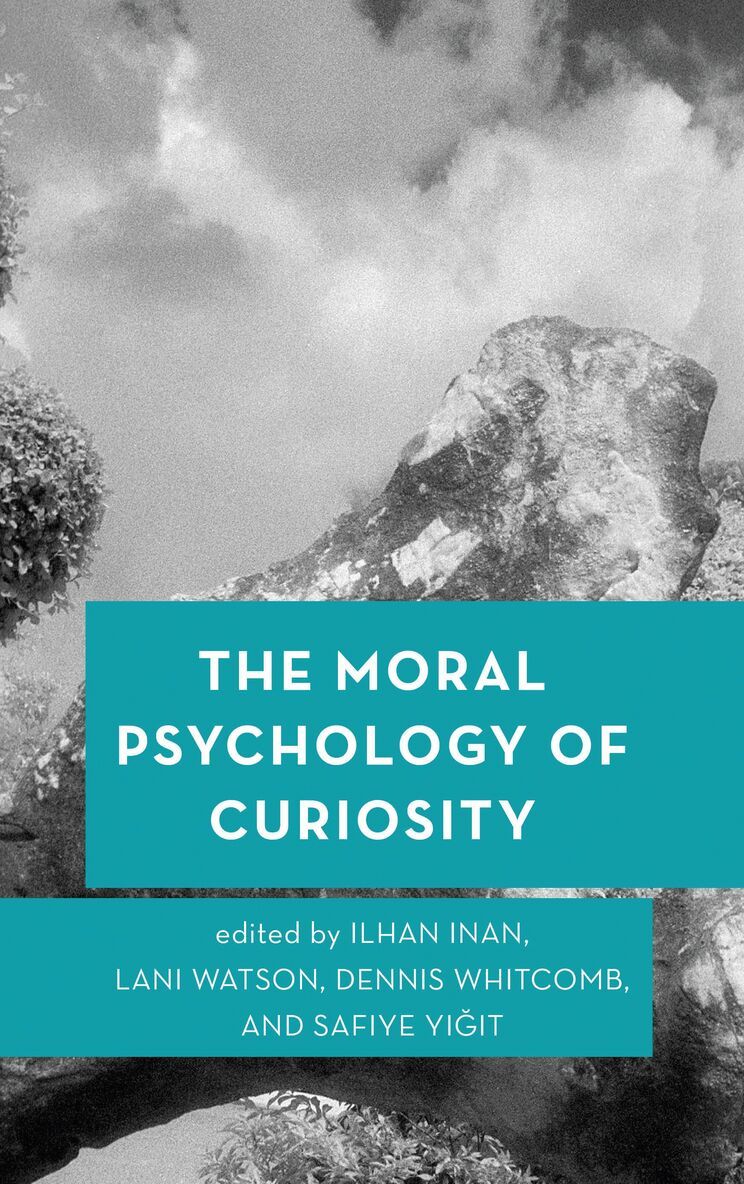
Moral Psychology of Curiosity
Av Ilhan Inan, Lani Watson m. fl.
Häftad, 2021
560 kr
Lägg i varukorg
Curiosity has taken a winding path through intellectual history, from Early Christian vice to Enlightenment virtue and beyond. This original volume sees contemporary philosophers and psychologists examining the nature and value of curiosity, shedding light on some of its most interesting features …
Moral Psychology of Curiosity
Av Ilhan Inan, Lani Watson m. fl.
Inbunden, 2018
1850 kr
Lägg i varukorg
Curiosity has taken a winding path through intellectual history, from Early Christian vice to Enlightenment virtue and beyond. This original volume sees contemporary philosophers and psychologists examining the nature and value of curiosity, shedding light on some of its most interesting features …
Moral Psychology of Curiosity
Av Ilhan Inan, Lani Watson m. fl.
E-bok, 2018
591 kr
Lägg i varukorg
Curiosity has taken a winding path through intellectual history, from Early Christian vice to Enlightenment virtue and beyond. This original volume sees contemporary philosophers and psychologists examining the nature and value of curiosity, shedding light on some of its most interesting features …
Fragen
Eine unterschatzte Kraft in einer Welt, die Antworten fordert | Durch Fragen Aufmerksamkeit steuern, Entscheidungen verbessern und Beziehungen vertiefen
Av Lani Watson
E-bok, 2027
262 kr
Kommande
Wie wir durch Fragen Aufmerksamkeit steuern, gute Entscheidungen treffen und Beziehungen verbessern konnenGute Frage, nachste Frage? Wenn es nach Lani Watson geht, lautet die Antwort: Unbedingt! Denn Fragen strukturieren unser Denken und lenken unsere Aufmerksamkeit. Wer sie gezielt einsetzt, …