Larry Cebula – författare
Visar alla böcker från författaren Larry Cebula. Handla med fri frakt och snabb leverans.
3 produkter
3 produkter
214 kr
Skickas inom 10-15 vardagar
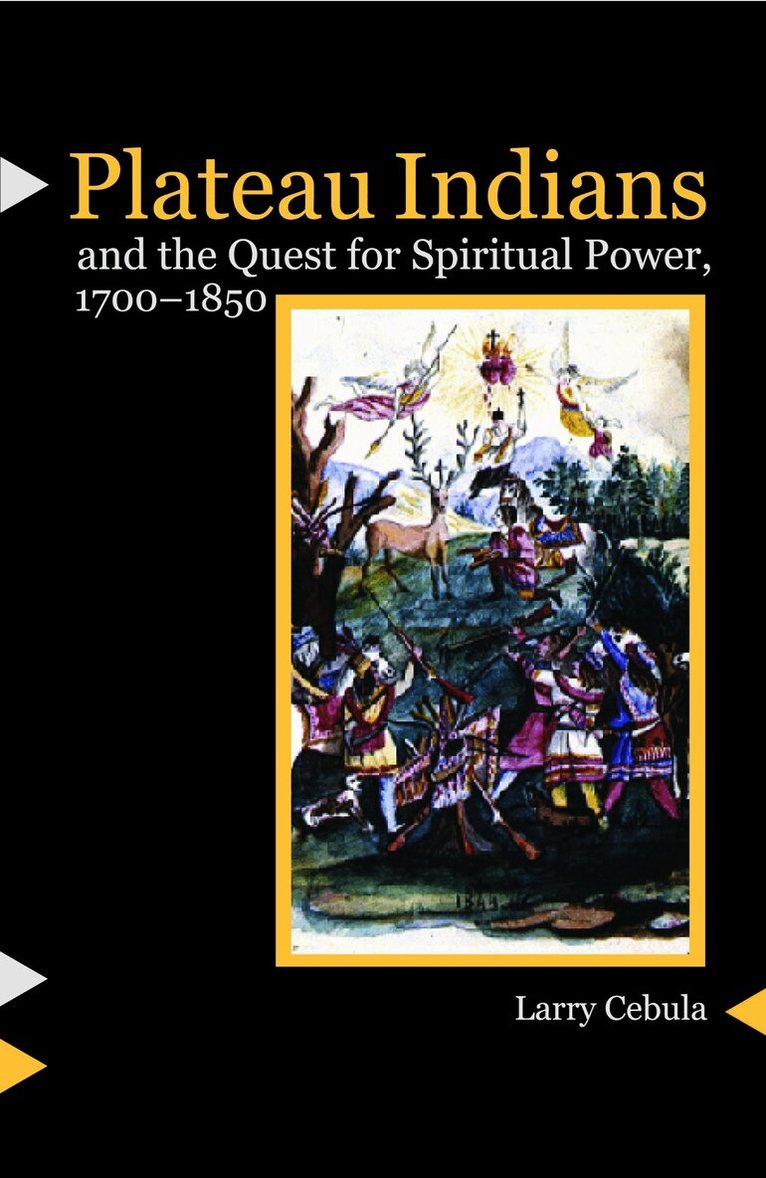
Fusing myriad primary and secondary sources, historian Larry Cebula offers a compelling master narrative of the impact of Christianity on the Columbian Plateau peoples in the Pacific Northwest from 1700 to 1850. For the Native peoples of the Columbian Plateau, the arrival of whites was understood primarily as a spiritual event, calling for religious explanations. Between 1700 and 1806, Native peoples of the Columbian Plateau experienced the presence of whites indirectly through the arrival of horses, some trade goods by long-distance exchange, and epidemic diseases that decimated their population and shook their faith in their religious beliefs. Many responded by participating in the Prophet Dance movement to restore their frayed links to the spirit world. When whites arrived in the early nineteenth century, the Native peoples of the Columbian Plateau were more concerned with learning about white people's religious beliefs and spiritual power than with acquiring their trade goods; trading posts were seen as windows into another world rather than sources of goods. The whites' strange appearance and seeming immunity to disease and the unique qualities of their goods and technologies suggested great spiritual power to the Native peoples. But disillusionment awaited: Catholic and Protestant missionaries came to teach the Native peoples about Christianity, yet these white spiritual practices failed to protect them from a new round of epidemic disease. By 1850, with their world devastatingly altered, most Plateau Indians had rejected Christianity
1 108 kr
Skickas inom 10-15 vardagar
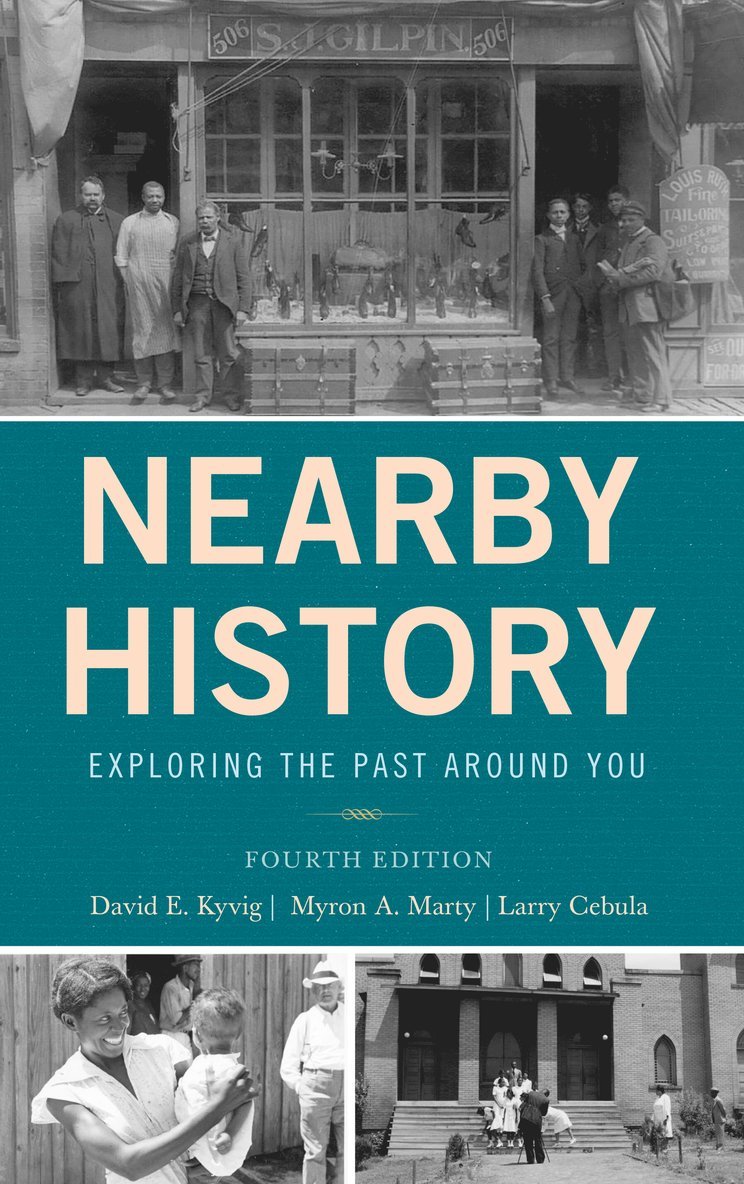
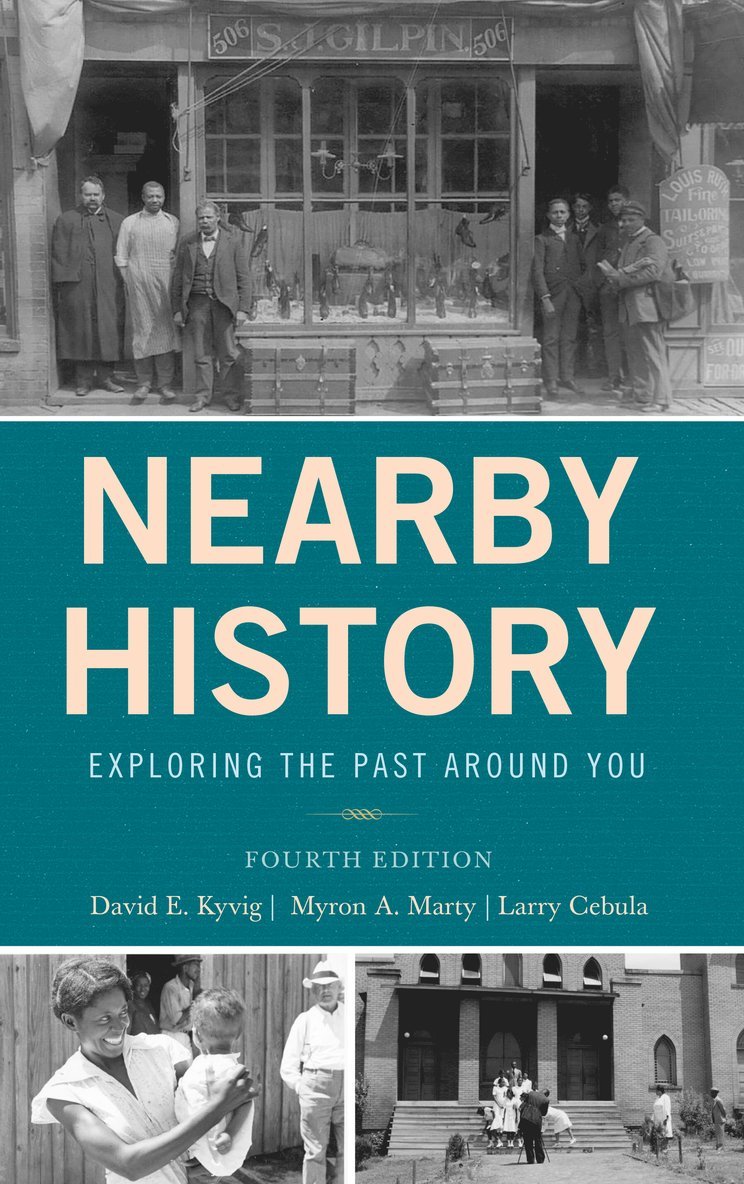
Nearby History by David E. Kyvig and Myron A. Marty is one of the essential volumes on any public historian’s bookshelf and syllabus. Whereas every other “how to do history” book seems aimed at fledgling academic historians and grounds its advice on academic libraries and footnoting, it is Nearby History that shows the reader how to do hands-on public history research with the resources found in every community. First published in 1984, the book remains as important as ever. And yet the world of historical research has changed since 1984--not just the explosion of online historical sources but also the possibilities of using digital cameras and scanners for research, digital communities for historical collaboration, and podcasts, smartphone apps and websites to present research and interpretations of nearby history. It is time for an update.Newly updated by Larry Cebula, this fourth edition of Nearby History is a comprehensive handbook for those interested in investigating the history of communities, families, local institutions, and cultural artifacts, Nearby History helps its readers research the world near at hand. In this fourth edition, the authors discuss a variety of research approaches involving published literature, unpublished documents, oral histories, visual and material sources, and landscapes; offer guidance in the uses of technology, particularly digital photography and digital voice recording; and suggest methods of historical presentation. The authors also explore the promise and pitfalls of research in the digital age. Richly illustrated with photos and documents, Nearby History is an excellent resource for both professionally trained and self-taught historians.
530 kr
Skickas inom 10-15 vardagar
Nearby History by David E. Kyvig and Myron A. Marty is one of the essential volumes on any public historian’s bookshelf and syllabus. Whereas every other “how to do history” book seems aimed at fledgling academic historians and grounds its advice on academic libraries and footnoting, it is Nearby History that shows the reader how to do hands-on public history research with the resources found in every community. First published in 1984, the book remains as important as ever. And yet the world of historical research has changed since 1984--not just the explosion of online historical sources but also the possibilities of using digital cameras and scanners for research, digital communities for historical collaboration, and podcasts, smartphone apps and websites to present research and interpretations of nearby history. It is time for an update.Newly updated by Larry Cebula, this fourth edition of Nearby History is a comprehensive handbook for those interested in investigating the history of communities, families, local institutions, and cultural artifacts, Nearby History helps its readers research the world near at hand. In this fourth edition, the authors discuss a variety of research approaches involving published literature, unpublished documents, oral histories, visual and material sources, and landscapes; offer guidance in the uses of technology, particularly digital photography and digital voice recording; and suggest methods of historical presentation. The authors also explore the promise and pitfalls of research in the digital age. Richly illustrated with photos and documents, Nearby History is an excellent resource for both professionally trained and self-taught historians.