
Laura BA(c)res – författare

606 kr
Läs direkt efter köp
The Language of the Soul in Narrative Therapy uniquely bridges the gap between narrative therapy and spirituality to describe how the theory and practice of narrative therapy may be expanded and enriched by incorporating the language of the soul.
Divided into three parts, the book begins by contextualizing the approach of narrative therapy and spirituality. Chapters then debate the complexity of the ‘soul’ as a term drawing on the work of Christian mystics and philosophers, such as Teresa of Avila, Edith Stein, Merleau-Ponty, and Bakhtin, to show how their theoretical ideas can be incorporated in counseling practice and spiritual direction. The book concludes by discussing how the language of the soul can be integrated and applied in postmodern practice.
With case examples from faith belief systems, such as Christianity, Buddhism, Paganism, Wicca, and Yazidism, throughout, this book is essential reading for therapists, clinical social workers, and counsellors in practice and graduate training, as well as spiritual directors and pastoral counselors interested in the ideas and practices of narrative therapy.

606 kr
Läs direkt efter köp
The Language of the Soul in Narrative Therapy uniquely bridges the gap between narrative therapy and spirituality to describe how the theory and practice of narrative therapy may be expanded and enriched by incorporating the language of the soul.
Divided into three parts, the book begins by contextualizing the approach of narrative therapy and spirituality. Chapters then debate the complexity of the ‘soul’ as a term drawing on the work of Christian mystics and philosophers, such as Teresa of Avila, Edith Stein, Merleau-Ponty, and Bakhtin, to show how their theoretical ideas can be incorporated in counseling practice and spiritual direction. The book concludes by discussing how the language of the soul can be integrated and applied in postmodern practice.
With case examples from faith belief systems, such as Christianity, Buddhism, Paganism, Wicca, and Yazidism, throughout, this book is essential reading for therapists, clinical social workers, and counsellors in practice and graduate training, as well as spiritual directors and pastoral counselors interested in the ideas and practices of narrative therapy.
693 kr
Läs direkt efter köp
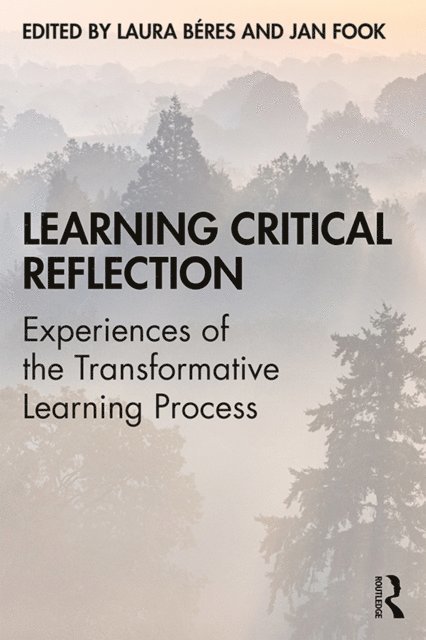
Learning Critical Reflection documents the actual learning experiences of social work students and practitioners. It explores how a more in-depth understanding of the process of learning, combined with an analysis of how to critically reflect, will help improve the learning process.
The contributors are all professionals who have learnt, in a formalised way, how to critically reflect on their practice. They speak in depth, and with feeling, about their experiences, how downsides and upsides worked together to transform the way they understood themselves, their professional identity, and their practice. Existing literature about critical reflection is reviewed, identifying the details of learning, and pulling no punches in recognising the difficulty and complexity of becoming transformed through this learning process. The editors of this book also contribute their own reflections on learning how to teach critical reflection and include the findings of a research study conducted on students’ learning.
Edited by two experienced educators, this book showcases the process of learning, from the perspective of the learners, in order that educators and students, managers, supervisors, and frontline practitioners alike, may make the most of opportunities to critically reflect in both educational and workplace settings. It should be considered essential reading for social work students, practitioners, and educators.
693 kr
Läs direkt efter köp
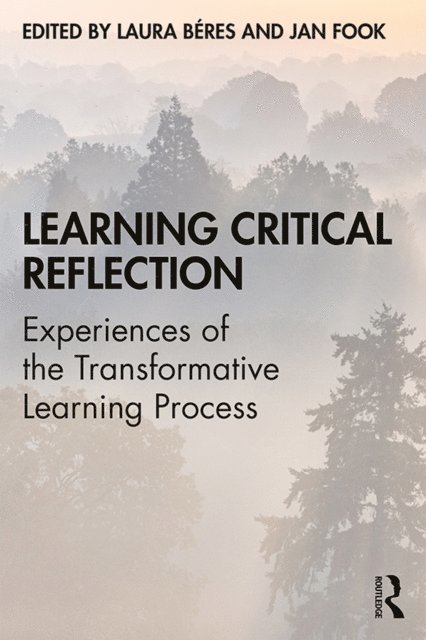
Learning Critical Reflection documents the actual learning experiences of social work students and practitioners. It explores how a more in-depth understanding of the process of learning, combined with an analysis of how to critically reflect, will help improve the learning process.
The contributors are all professionals who have learnt, in a formalised way, how to critically reflect on their practice. They speak in depth, and with feeling, about their experiences, how downsides and upsides worked together to transform the way they understood themselves, their professional identity, and their practice. Existing literature about critical reflection is reviewed, identifying the details of learning, and pulling no punches in recognising the difficulty and complexity of becoming transformed through this learning process. The editors of this book also contribute their own reflections on learning how to teach critical reflection and include the findings of a research study conducted on students’ learning.
Edited by two experienced educators, this book showcases the process of learning, from the perspective of the learners, in order that educators and students, managers, supervisors, and frontline practitioners alike, may make the most of opportunities to critically reflect in both educational and workplace settings. It should be considered essential reading for social work students, practitioners, and educators.