Laura M. Rival – författare
Visar alla böcker från författaren Laura M. Rival. Handla med fri frakt och snabb leverans.
4 produkter
4 produkter
Inbunden, Engelska, 2001
3 175 kr
Skickas inom 7-10 vardagar
This volume explores the legacy of Peter Riviere, retired Professor of Social Anthropology, University of Oxford, in the development of the anthropology of Amazonia. An international group of leading specialists contributes to the substantial and growing body of Amazonian ethnography, discussing topics which include kinship and genealogy, the village as a unit of ethnographic observation and analysis, the human body in political and social processes, and gender relationships as aspects of political cosmological thinking.
Häftad, Engelska, 2001
902 kr
Skickas inom 7-10 vardagar
The contributors to this volume explore the legacy of Peter Rivière, recently-retired Professor of Social Anthropology, University of Oxford, in the development of the anthropology of Amazonia. This international group of leading specialists contributes to the substantial and growing body of Amazonian ethnography, discussing topics which include kinship and genealogy, the village as a unit of ethnographic observation and analysis, the human body in political and social processes, and gender relationships as aspects of political cosmological thinking. In addition the ethnology of the Guianas receives particular emphasis, as do the themes of shamanism, history, and colonialism as they have affected this region. In showing how alive the field of Amazonian anthropology has become, whilst pointing to conceptual aspects in need of further elaboration, the contributors demonstrate their shared conviction that the impact of Amazonian ethnology is becoming comparable to that of African ethnology in the 1950s and Melanesian ethnology in the 1980s.
E-bok
Engelska, 2002451 kr
Läs direkt efter köp
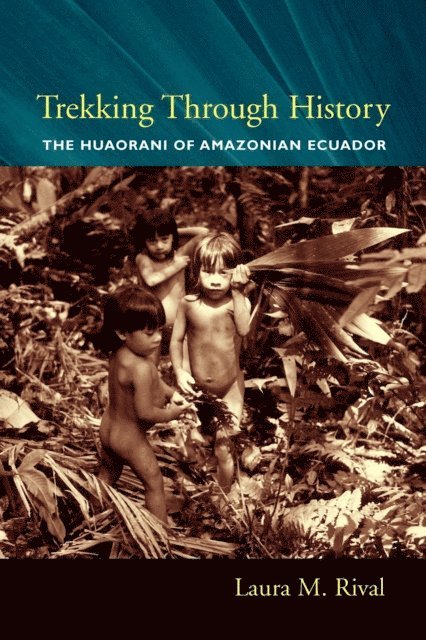
The Huaorani of Ecuador lived as hunters and gatherers in the Amazonian rainforest for hundred of years, largely undisturbed by western civilization. Since their first encounter with North American missionaries in 1956, they have held a special place in journalistic and popular imagination as "Ecuador''s last savages." Trekking Through History is the first description of Huaorani society and culture according to modern standards of ethnographic writing. Through her comprehensive study of their extraordinary tradition of trekking, Laura Rival shows that the Huaorani cannot be seen merely as anachronistic survivors of the Spanish Conquest. Her critical reappraisal of the notions of agricultural regression and cultural devolution challenges the universal application of the thesis that marginal tribes of the Amazon Basin represent devolved populations who have lost their knowledge of agriculture. Far from being an evolutionary event, trekking expresses cultural creativity and political agency. Through her detailed comparative discussion of native Amazonian representations of history and the environment, Rival illustrates the unique way the Huaorani have socialized nature by choosing to depend on resources created in the past—highlighting the unique contribution anthropology makes to the study of environmental history.
E-bok
PDF, Spanska, 2015215 kr
Läs direkt efter köp
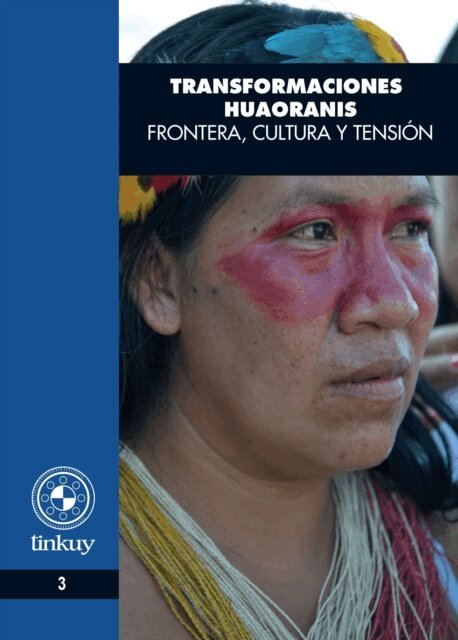
Laura Rival, antropóloga de Oxford, ofrece en este libro un aporte sustancial al conocimiento del pueblo huaorani, completando así el trabajo que se ha convertido en un clásico, publicado por Ediciones Abya-Yala en 1996, Hijos del sol y padres del jaguar. Como la autora señala: ""todas las culturas forman parte de la herencia común de la humanidad y los pueblos indígenas contribuyen a este continuo legado desde su propia perspectiva"". El pueblo huaorani no solo aspira a ser valorado por la sociedad dominante como un grupo de ciudadanos diferentes que viven en una colectividad distinta, sino que busca el reconocimiento de sus derechos en sus propios términos y, pues, al igual que otros pueblos indígenas en el Ecuador, América latina y el mundo, ha demostrado que no es una invisible ""víctima del progreso"", parte de una clase inferior, marginalizada y golpeada por la pobreza que, con el pasar del tiempo, se beneficiará del desarrollo a través de la asimilación dentro de la sociedad nacional. En este momento, las circunstancias han impuesto a los huaoranis un problema que ellos no han buscado. El país necesita ingresos para atender al bienestar de su gente y el pueblo huaorani habita un área rica en recursos: lo primero sugiere ampliar la actividad extractivista, pero esto choca con la necesidad de preservar un espacio suficiente para que un pueblo no sedentarizado logre vivir de acuerdo a sus patrones culturales. El reto de encontrar una conciliación (si la hay) entre estas dos visiones ha estimulado en el Ecuador y en muchos países del mundo un encendido debate, al que Laura Rival contribuye con argumentos claros y agudos.