Laura Namy – författare
Visar alla böcker från författaren Laura Namy. Handla med fri frakt och snabb leverans.
6 produkter
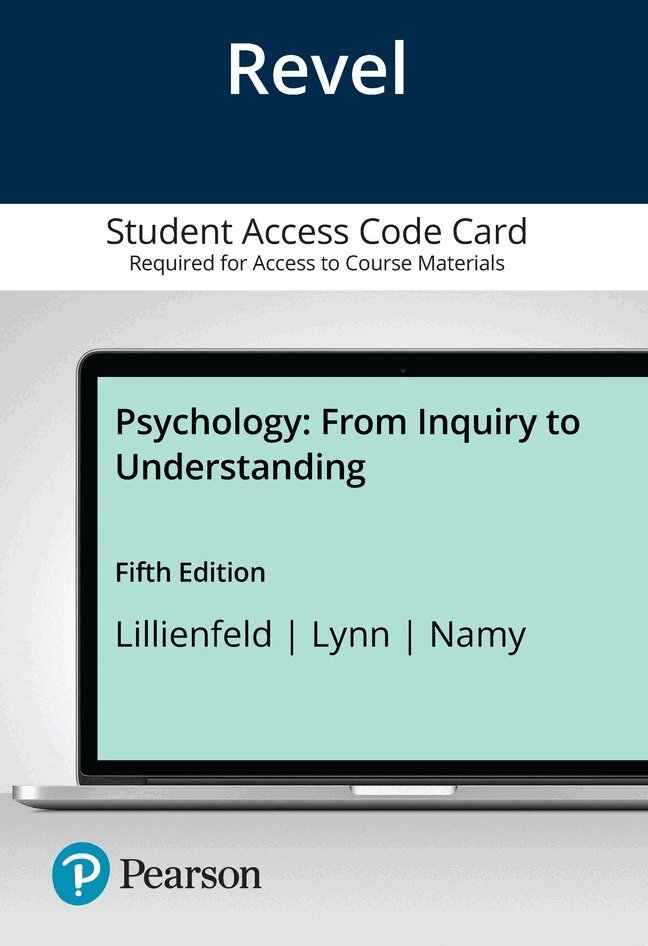
Revel Access Code for Psychology
From Inquiry to Understanding
Av Scott Lilienfeld, Steven Lynn m. fl.
2022
8 kr
Kommande
Psychology: From Inquiry to Understanding empowers you to apply scientific thinking to the psychology of your everyday life. Emphasizing the scientific method, the authors help you develop the critical-thinking skills and open-minded skepticism needed to distinguish psychological information from …
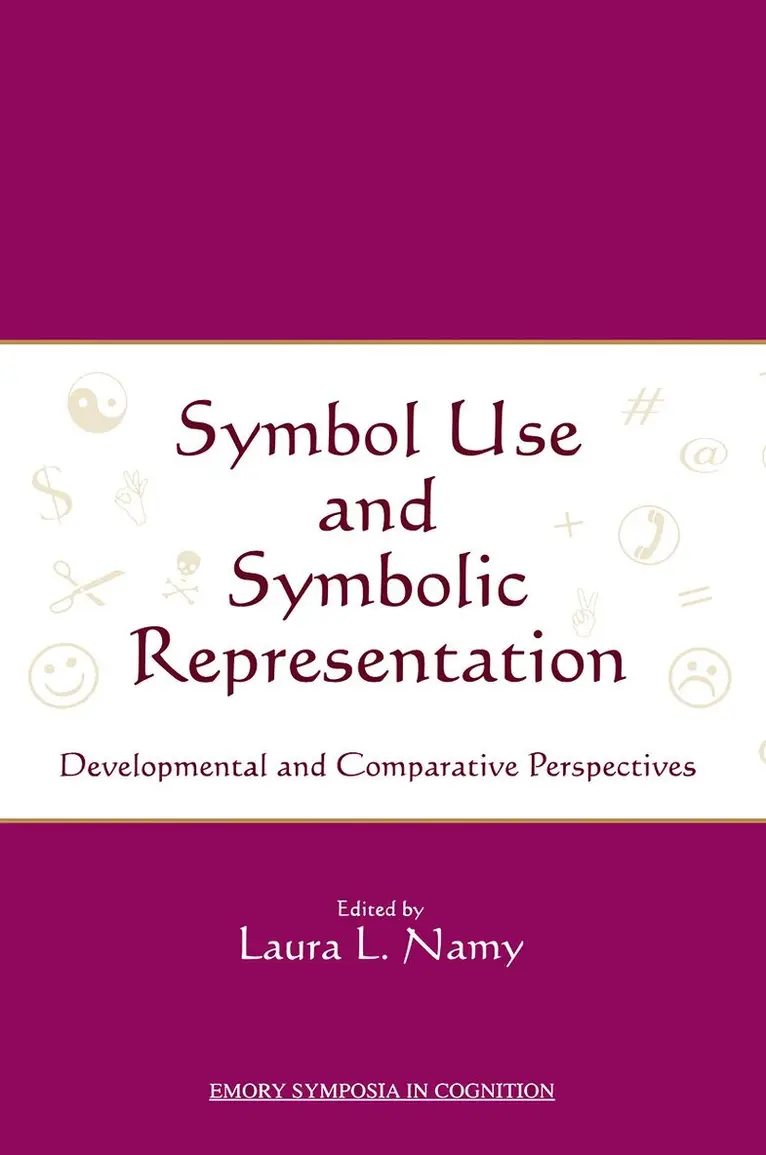
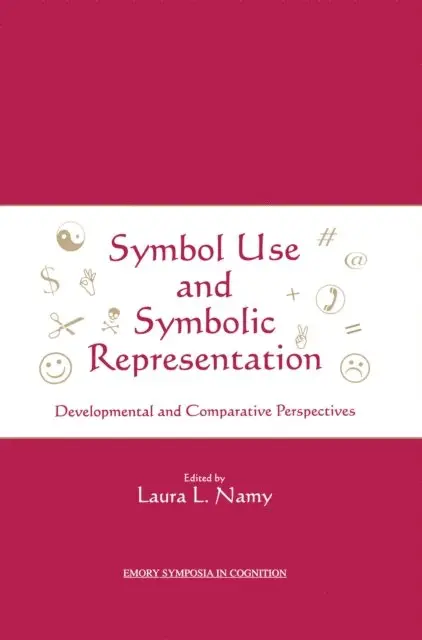
Symbol Use and Symbolic Representation
Developmental and Comparative Perspectives
Av Laura Namy
Häftad, 2013
886 kr
Lägg i varukorg
Symbol Use and Symbolic Representation: Developmental and Comparative Perspectives is the proceedings of a workshop held at Emory University in 2002 to discuss the difficult and age-old issue of what makes a symbol symbolic. The issue shifts towards exploring the relation between apparent symbolic …
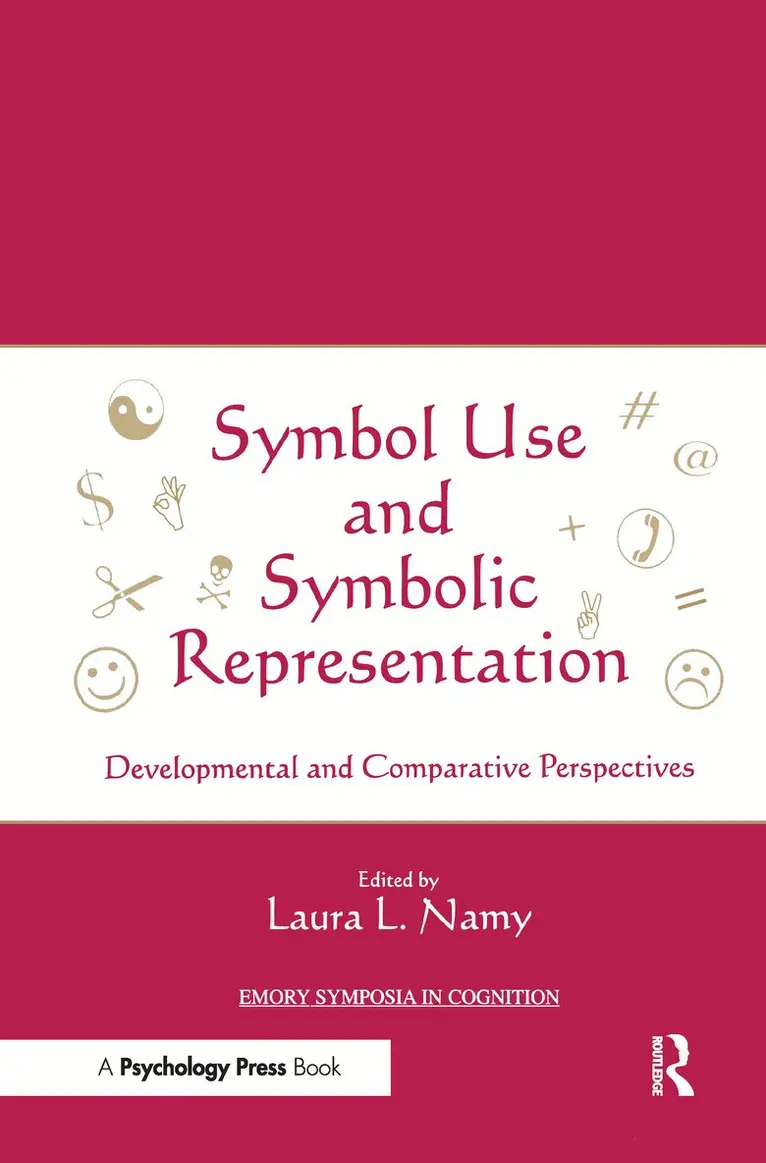
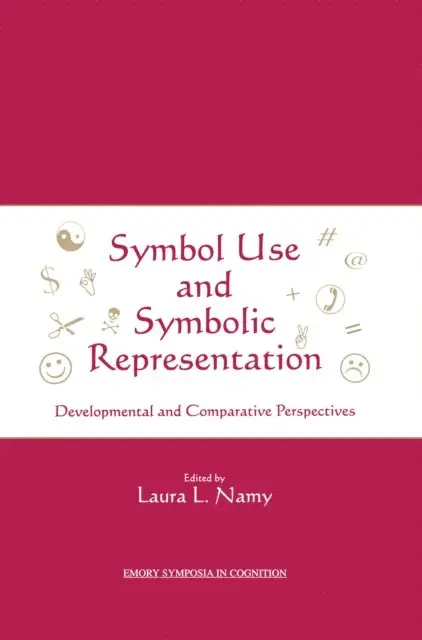
Symbol Use and Symbolic Representation
Developmental and Comparative Perspectives
Av Laura Namy
Inbunden, 2005
2445 kr
Lägg i varukorg
Symbol Use and Symbolic Representation: Developmental and Comparative Perspectives is the proceedings of a workshop held at Emory University in 2002 to discuss the difficult and age-old issue of what makes a symbol symbolic. The issue shifts towards exploring the relation between apparent symbolic …
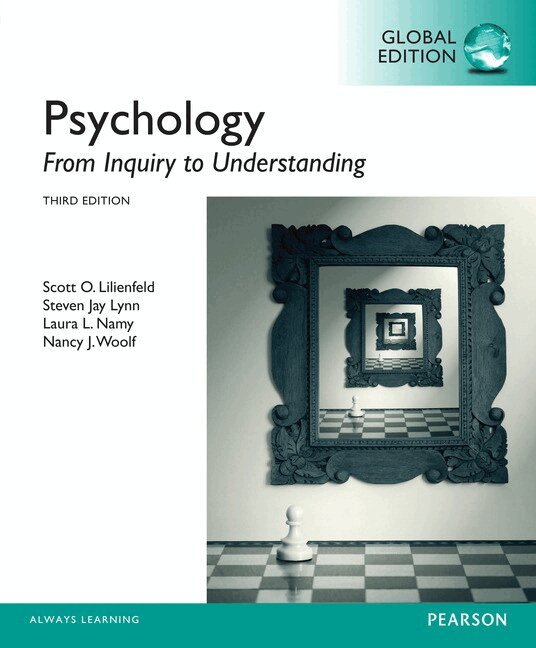
Psychology: From Inquiry to Understanding, Global Edition
Av Scott Lilienfeld, Steven Lynn m. fl.
Häftad, 2014
1198 kr
Lägg i varukorg
Provides the framework to go from inquiry to understanding. Psychology: From Inquiry to Understanding, 3/e, teaches students how to test their assumptions, and motivates them to use scientific thinking skills to better understand the field of psychology in their everyday lives. By applying …
Symbol Use and Symbolic Representation
Developmental and Comparative Perspectives
Av Laura Namy
E-bok, 2017
1051 kr
Lägg i varukorg
Symbol Use and Symbolic Representation: Developmental and Comparative Perspectives is the proceedings of a workshop held at Emory University in 2002 to discuss the difficult and age-old issue of what makes a symbol symbolic. The issue shifts towards exploring the relation between apparent symbolic …
Symbol Use and Symbolic Representation
Developmental and Comparative Perspectives
Av Laura Namy
E-bok, 2017
1074 kr
Lägg i varukorg
Symbol Use and Symbolic Representation: Developmental and Comparative Perspectives is the proceedings of a workshop held at Emory University in 2002 to discuss the difficult and age-old issue of what makes a symbol symbolic. The issue shifts towards exploring the relation between apparent symbolic …