Lee Klein – författare
Visar alla böcker från författaren Lee Klein. Handla med fri frakt och snabb leverans.
11 produkter
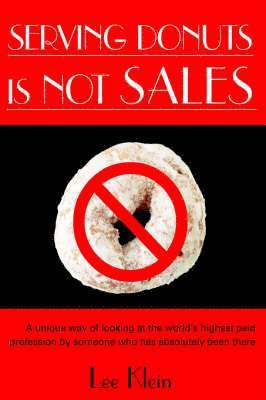
Serving Donuts is Not Sales
A Unique Way of Looking at the World's Highest Paid Profession by Someone Who Has Absolutely Been There
Av Lee Klein
Häftad, 2005
171 kr
Lägg i varukorg
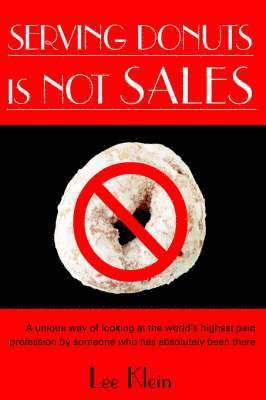
Serving Donuts is Not Sales
A Unique Way of Looking at the World's Highest Paid Profession by Someone Who Has Absolutely Been There
Av Lee Klein
Inbunden, 2005
260 kr
Lägg i varukorg
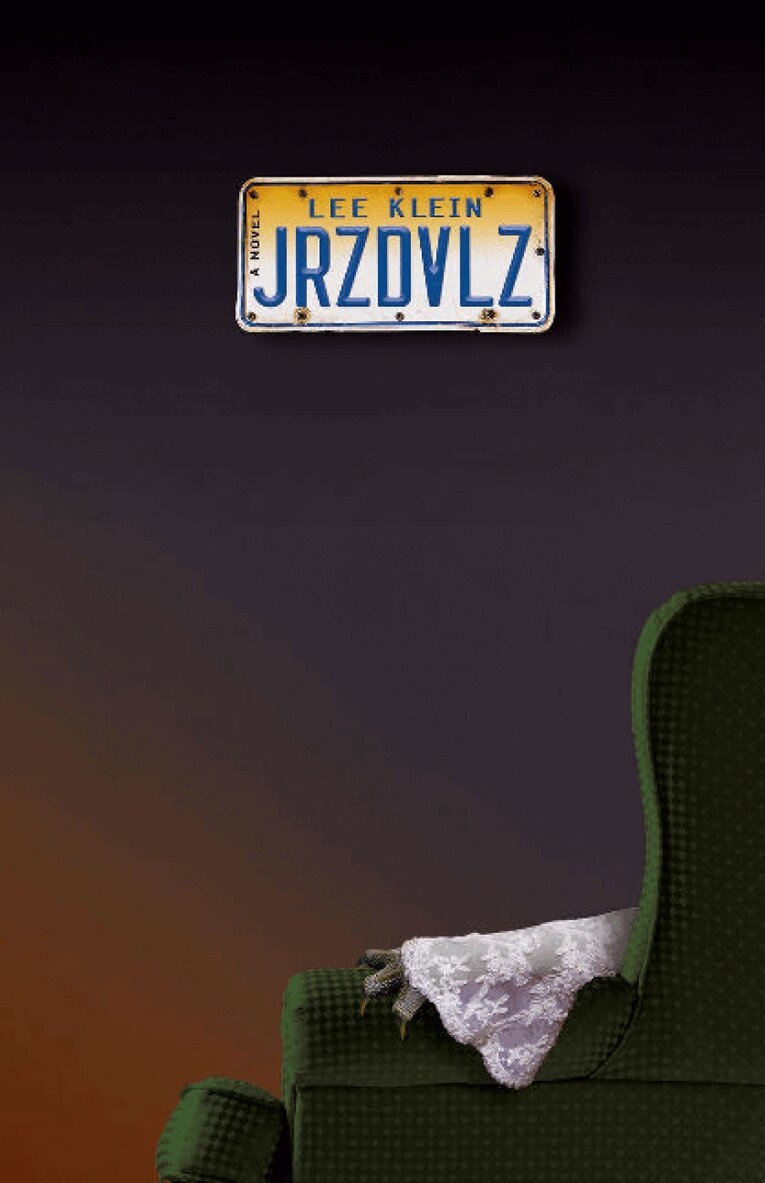
JRZDVLZ
Av Lee Klein
Häftad, 2017
389 kr
Lägg i varukorg
JRZDVLZ, by Lee Klein, author of The Shimmering Go-Between, is the autobiography of a sympathetic monster on a centuries-spanning quest for redemption. Based on long-suffering legend and historical fact, its about the sacrifice, civility, endurance, and humility required to transform a monster into …
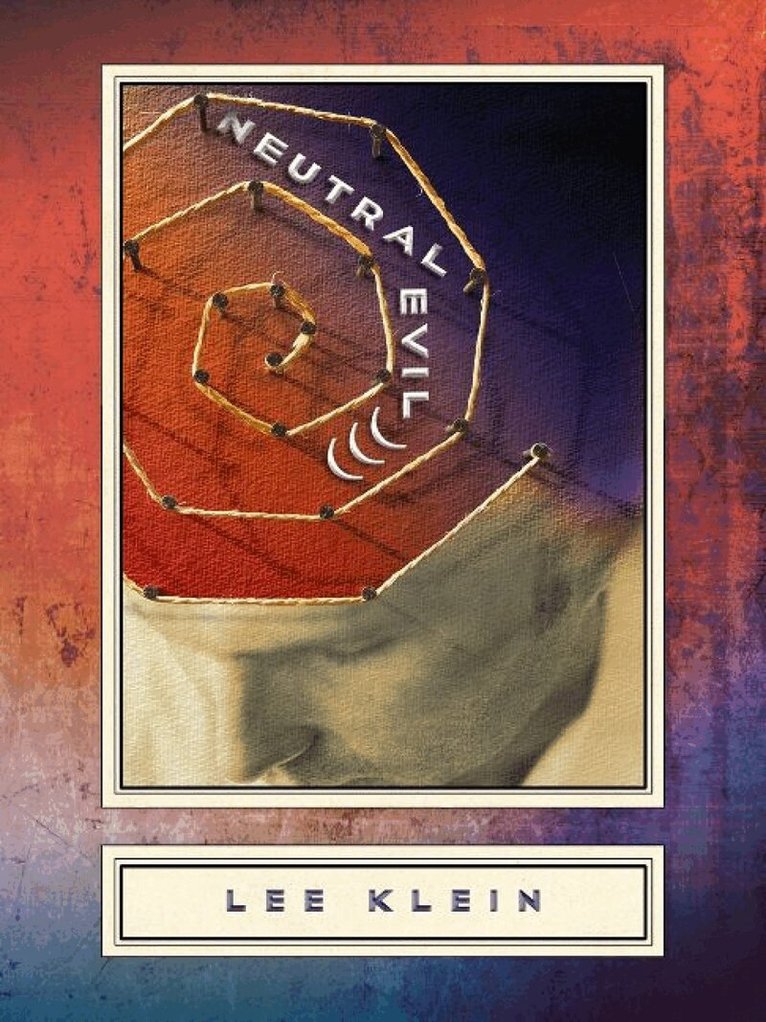
Neutral Evil )))
Av Lee Klein
Häftad, 2020
206 kr
Lägg i varukorg
This autofiction by Lee Klein, framed by his attending a Sunn O))) concert in Philadelphia on 18 March 2017, two months after Trump's inauguration, is an opportunity for inquiry into a variety of subjects, including: anxiety, edibles, solitude, talent, self-realisation, responsibility, dry ice, …
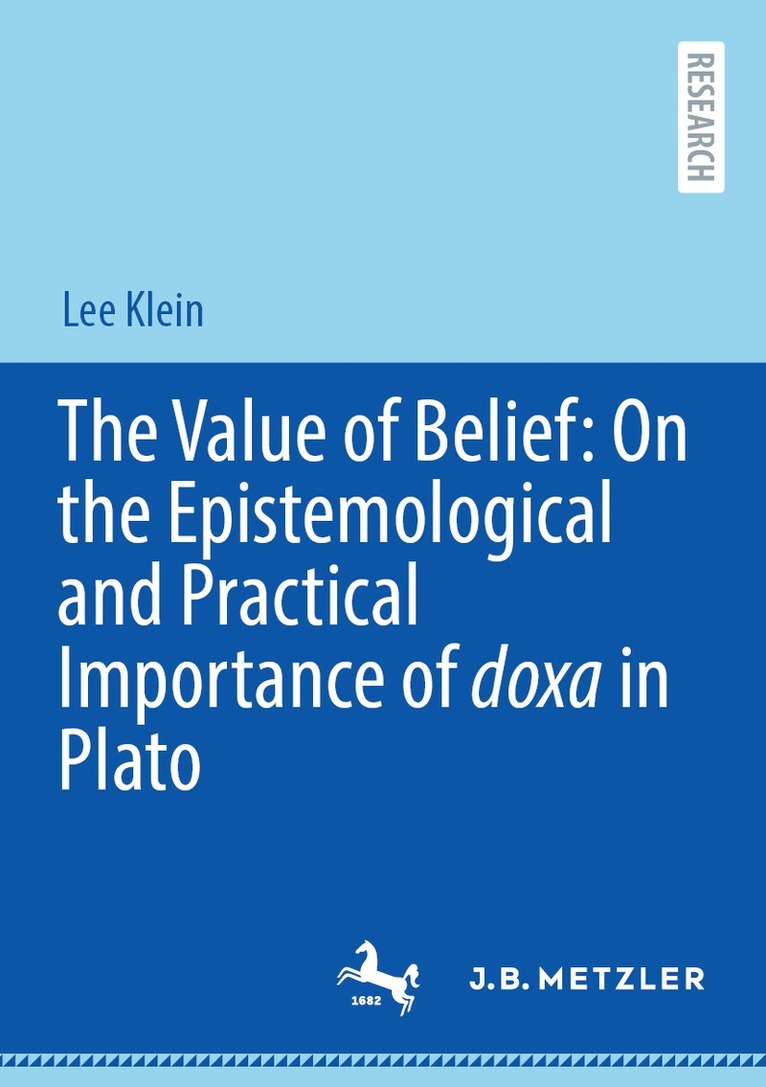
Value of Belief: On the Epistemological and Practical Importance of doxa in Plato
Av Lee Klein
Häftad, 2025
932 kr
Lägg i varukorg
As the first monograph to specifically focus on the positive evaluation of belief (doxa) as a crucial concept in Plato’s epistemology, this work contributes significantly to scholarly research by offering a fresh perspective that deepens our understanding of Plato’s theory of knowledge. It shows …
Value of Belief: On the Epistemological and Practical Importance of doxa in Plato
Av Lee Klein
E-bok, 2025
1214 kr
Lägg i varukorg
As the first monograph to specifically focus on the positive evaluation of belief (doxa) as a crucial concept in Plato’s epistemology, this work contributes significantly to scholarly research by offering a fresh perspective that deepens our understanding of Plato’s theory of knowledge. It shows …