Leif Inge Ree Petersen – författare
Visar alla böcker från författaren Leif Inge Ree Petersen. Handla med fri frakt och snabb leverans.
2 produkter
2 produkter
Del 15 - Journal of Medieval Military History
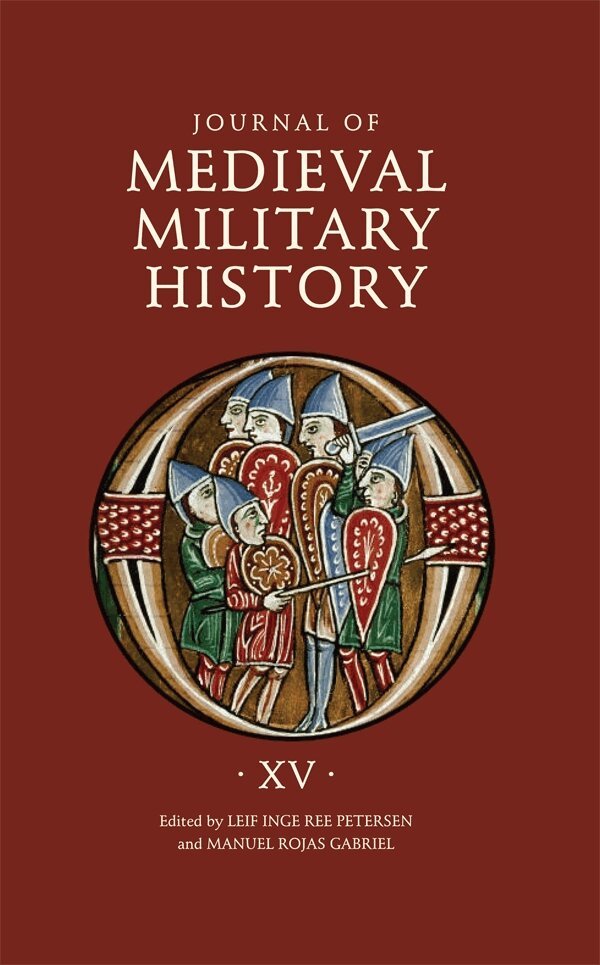
Journal of Medieval Military History
Volume XV: Strategies
Inbunden, Engelska, 2017
1 090 kr
Skickas inom 5-8 vardagar
Essays on strategic thinking and practice in medieval warfare.This special edition of the Journal aims to respond to the lively debate in recent years as to whether medieval military history was characterized by particular types of strategy, be it Grand, Vegetian or Battle-Seeking. Itbrings together many of the pre-eminent military historians active today to examine a number of cases that display the complexity and diversity of strategic realities, as well as exploring new models and methodological avenues inevaluating medieval strategies. Material ranges chronologically from the late Roman Empire to the late Middle Ages, and geographically from the Baltic and the British Isles to Iberia and the Crusader States, while the topics explored include the Viking Wars, the English long bow, and the economies of conquest.LEIF INGE REE PETERSEN is Associate Professor of Late Antique and Early Medieval History at the Norwegian University of Science and Technology, Trondheim; MANUEL ROJAS GABRIEL is Professor of Medieval History at the University of Extremadura, Cáceres. Contributors: Richard Abels, Bernard S. Bachrach, Matthew Bennett, John France, Luis García-Guijarro Ramos, John Gillingham, Dolores Oliva García, Leif Inge Ree Petersen, Manuel Rojas Gabriel.
Del 91 - History of Warfare
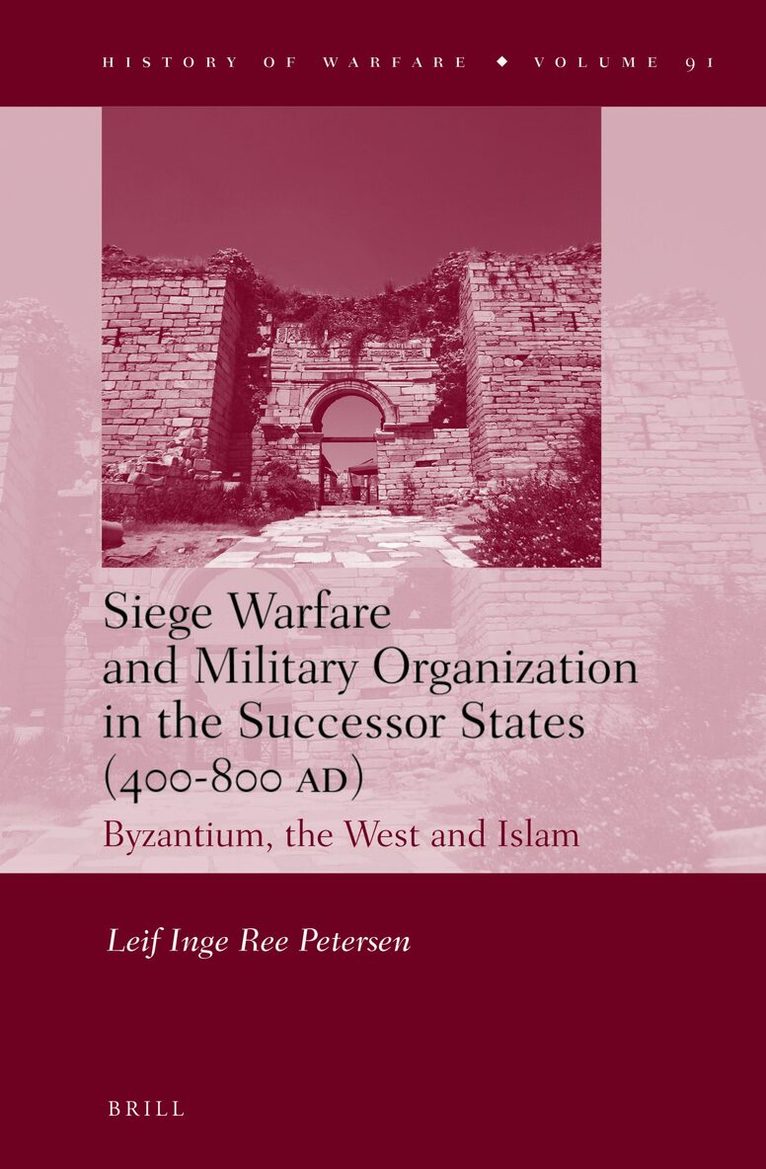
Siege Warfare and Military Organization in the Successor States (400-800 AD)
Byzantium, the West and Islam
Inbunden, Engelska, 2013
5 144 kr
Skickas inom 5-8 vardagar
Siege Warfare and Military Organization in the Successor States is the first study to comprehensively treat an aspect of Byzantine, Western, early Islamic, Slavic and Steppe military history within the framework of common descent from Roman military organization to 800 AD. This not only encompassed the army proper, but also a greater complex of client management, private military retinues, labor obligations and civilian conscription in urban defense that were systematically developed by the Romans around 400, and survived to be adopted and adapted by all successors.The result was a common post-Roman military culture suitable for more restrained economic circumstances but still able to maintain, defend and attack city walls with skills rivalling those of their Roman forebears.