Leopold Kohr – författare
Visar alla böcker från författaren Leopold Kohr. Handla med fri frakt och snabb leverans.
5 produkter
5 produkter
Häftad, Engelska, 2020
227 kr
Skickas
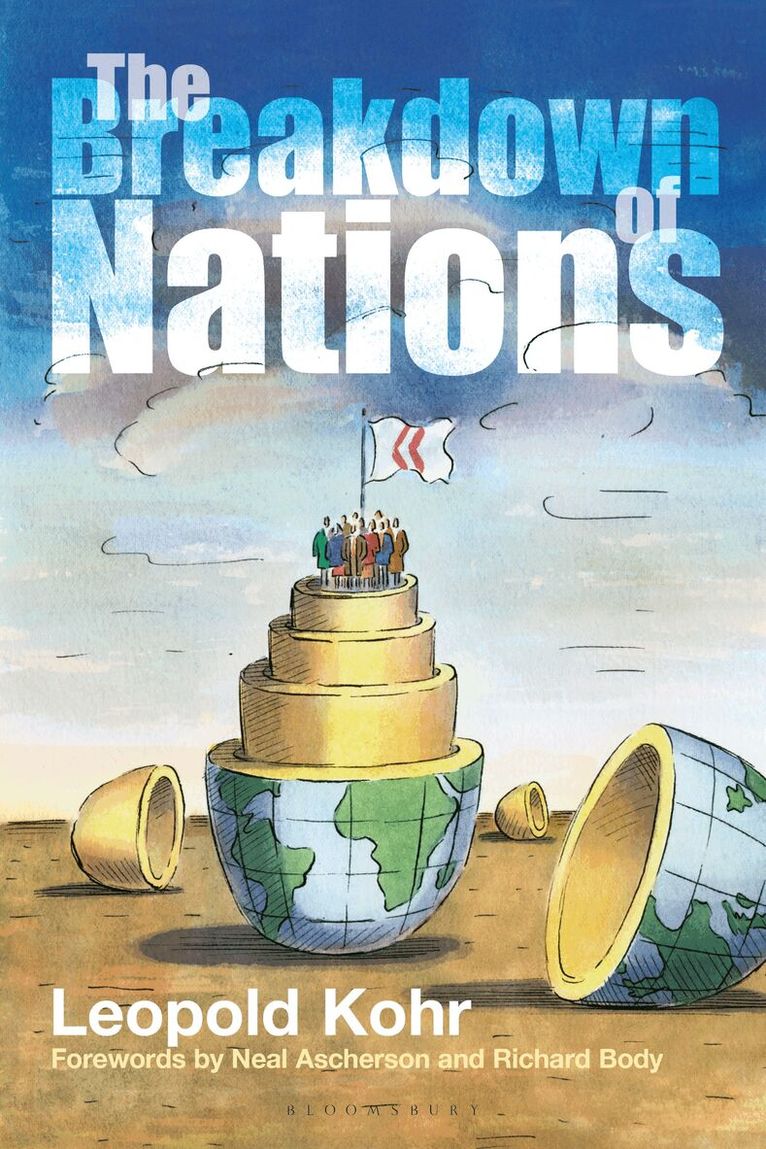
A fascinating manifesto, proposing that the world should be split into smaller regions to distribute power more evenly.Written by one of the most original political thinkers of the 20th century, in The Breakdown of Nations, Leopold Kohr shows that throughout history people living in small states are happier, more peaceful, more creative and more prosperous. He argues that virtually all our political and social problems would be greatly diminished if the world’s major countries were to dissolve back into the small states from which they sprang. Rather than making even larger political unions, in the mistaken belief that this will bring peace and security, we should minimise the aggregation of power by returning to a patchwork of small, relatively powerless states where leaders are accessible to and responsive to the people.Originally published in 1957, this new edition features forewords by Neal Ascherson and Richard Body. The material has been noted for its striking relevance to the current political situation, with globalisation, war, nuclear weapons and the rise of electronic gadgets leading to concern over whether we should re-examine the implications of the size of political groupings, whether they be states, nations or federations.In these turbulent times, recognise the beauty and potential in small political nations with this inspiring read.
E-bok
PDF, Engelska, 2017234 kr
Läs direkt efter köp
A fascinating manifesto, proposing that the world should be split into smaller regions to distribute power more evenly.Written by one of the most original political thinkers of the 20th century, in The Breakdown of Nations, Leopold Kohr shows that throughout history people living in small states are happier, more peaceful, more creative and more prosperous. He argues that virtually all our political and social problems would be greatly diminished if the world's major countries were to dissolve back into the small states from which they sprang. Rather than making even larger political unions, in the mistaken belief that this will bring peace and security, we should minimise the aggregation of power by returning to a patchwork of small, relatively powerless states where leaders are accessible to and responsive to the people.Originally published in 1957, this new edition features forewords by Neal Ascherson and Richard Body. The material has been noted for its striking relevance to the current political situation, with globalisation, war, nuclear weapons and the rise of electronic gadgets leading to concern over whether we should re-examine the implications of the size of political groupings, whether they be states, nations or federations.In these turbulent times, recognise the beauty and potential in small political nations with this inspiring read.
Inbunden, Tyska
285 kr
Skickas inom 3-6 vardagar
Inbunden, Tyska
290 kr
Skickas inom 3-6 vardagar
E-bok
Spanska, 2025128 kr
Läs direkt efter köp
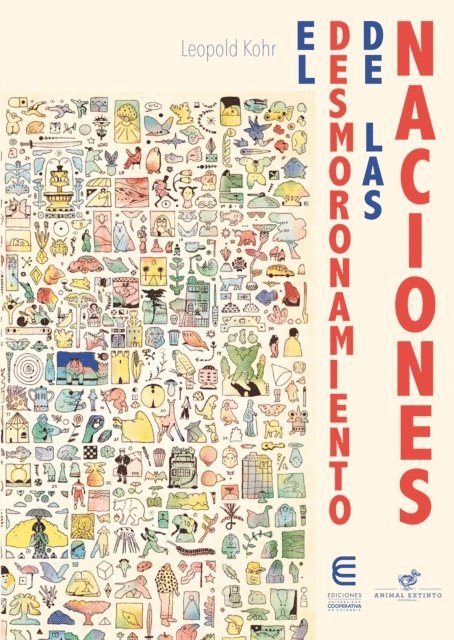
Lo que es cierto para los hombres que viven en prisiones sobrepobladas también lo es para los hombres que viven en las enormes instalaciones de aquellas modernas naciones, cuya innegable dimensión se ha convertido en la causa de las presentes dificultades.En consecuencia, justo como en el caso de los campos de prisioneros coreanos, la solución a los problemas que enfrenta el mundo, como un todo, no parece estar en la creación de unidades sociales más grandes ni en gobiernos aún más amplios, cuya formación es puesta en marcha por nuestros estadistas con un fanatismo sin creatividad, sino en la eliminación de aquellos organismos hiperdesarrollados que conocemos con el nombre de grandes potencias y en la restauración de un sistema saludable de pequeños y manejables Estados, que caracterizaron las épocas de antaño.Esta es la propuesta desarrollada en este libro, y no tengo dudas de que muchos la llamarán contraria a todos nuestros conceptos de progreso; lo que es cierto, por supuesto. Lo único que puedo hacer es responder con el profesor Frank Tannenbaum, de la Universidad de Columbia: "Déjenlos, dejen que los otros tengan los lemas. Déjenlos superarse a sí mismos de la faz de la tierra, entonces tendrás progreso infinito".