Leslie Anne Hadfield - Böcker
Visar alla böcker från författaren Leslie Anne Hadfield. Handla med fri frakt och snabb leverans.
5 produkter
5 produkter
881 kr
Skickas inom 10-15 vardagar
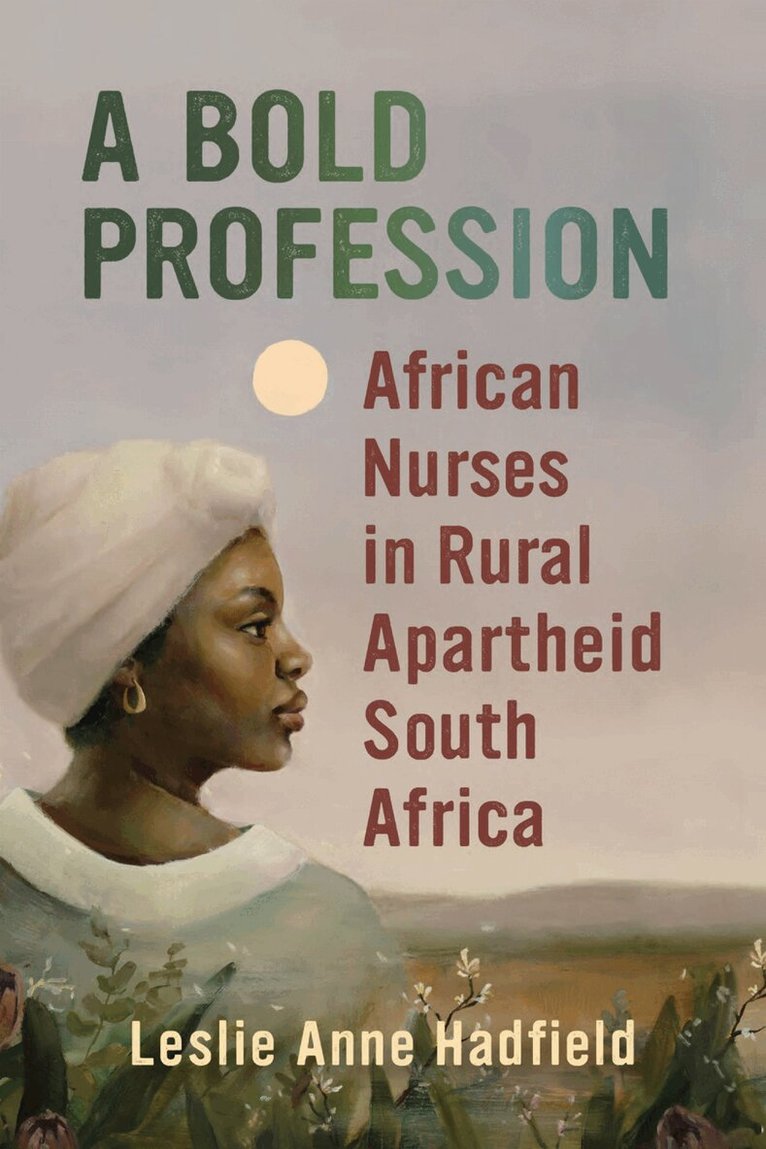
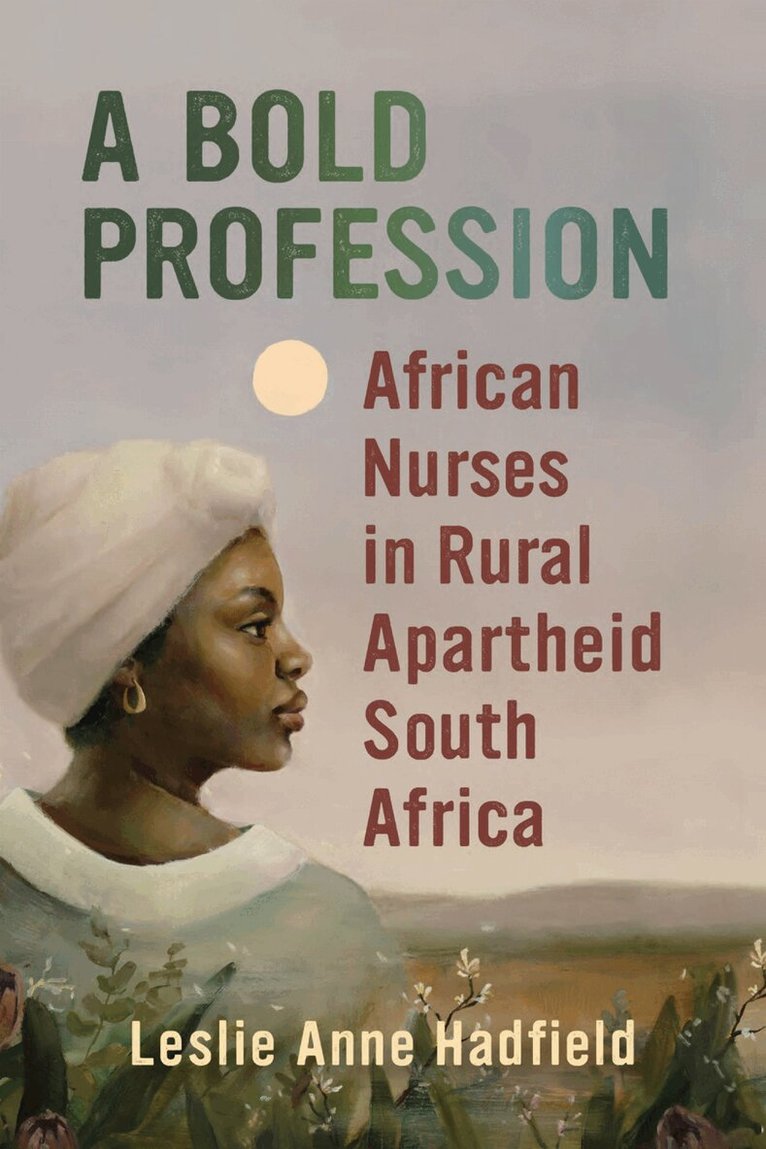
In rural South African clinics, Black nurses played critical roles. Charged with administering valuable and life-saving health care measures despite a lack of equipment and personnel, these nurses had to navigate the intersections of traditional African healing practices, changing gender relations, and increasing educational and economic opportunities for South Africa's Black middle class between the 1960s and 1980s. Leslie Anne Hadfield compellingly demonstrates how these women were able to successfully carve out their own professional space and reshape notions of health and healing in the Eastern Cape. Bringing forth the stories of these nurses in their own voices, A Bold Profession is an homage to their dedication to the well-being of their communities. Hadfield sheds light on the struggles of balancing commitment to career and family lives during an oppressive apartheid. The volume fills an important gap for scholars studying the history of women, nursing, and health care in South Africa, illuminating the humanity of health care workers.
294 kr
Skickas inom 10-15 vardagar
In rural South African clinics, Black nurses played critical roles. Charged with administering valuable and life-saving health care measures despite a lack of equipment and personnel, these nurses had to navigate the intersections of traditional African healing practices, changing gender relations, and increasing educational and economic opportunities for South Africa’s Black middle class between the 1960s and 1980s. Leslie Anne Hadfield compellingly demonstrates how these women were able to successfully carve out their own professional space and reshape notions of health and healing in the Eastern Cape. Bringing forth the stories of these nurses in their own voices, A Bold Profession is an homage to their dedication to the well-being of their communities. Hadfield sheds light on the struggles of balancing commitment to career and family lives during an oppressive apartheid. The volume fills an important gap for scholars studying the history of women, nursing, and health care in South Africa, illuminating the humanity of health care workers.
Liberation and Development
Black Consciousness Community Programs in South Africa
Häftad, Engelska, 2016
425 kr
Skickas inom 7-10 vardagar
Liberation and Development: Black Consciousness Community Programs in South Africa is an account of the community development programs of the Black Consciousness movement in South Africa. It covers the emergence of the movement’s ideas and practices in the context of the late 1960s and early 1970s, then analyzes how activists refined their practices, mobilized resources, and influenced people through their work. The book examines this history primarily through the Black Community Programs organization and its three major projects: the yearbook Black Review, the Zanempilo Community Health Center, and the Njwaxa leatherwork factory. As opposed to better-known studies of antipolitical, macroeconomic initiatives, this book shows that people from the so-called global South led development in innovative ways that promised to increase social and political participation. It particularly explores the power that youth, women, and churches had in leading change in a hostile political environment. With this new perspective on a major liberation movement, Hadfield not only causes us to rethink aspects of African history but also offers lessons from the past for African societies still dealing with developmental challenges similar to those faced during apartheid.
Kilimanjaro Porters and Guides
History and Tourism on Africa's Highest Mountain
Inbunden, Engelska, 2026
781 kr
Kommande
Mt. Kilimanjaro, Africa’s tallest mountain, draws tens of thousands of tourists annually. Many attempt to climb its nineteen thousand feet snow-covered peak, an arduous trek that can span several days. Like the climbers who scale Everest, they are aided by local porters, cooks, and guides. But unlike Everest’s Sherpas, who have been extensively documented and profiled, the Chagga people of the Kilimanjaro mountain crews remain nearly anonymous. The Chagga people, who were the first settlers near Kilimanjaro, have been an essential part of the climbing industry that has developed since the colonial period. Kilimanjaro Porters and Guidesreveals the history of these porters, cooks, and guides. The book takes us from early Chagga settlement, through European colonialism and African independence, to today. It argues that while the Kilimanjaro climbing industry developed in a colonial context, local Tanzanian actors have played an integral role in determining access to and understanding of the mountain. They also have been central to climbers’ successes, mountain crew culture, and the evolution of key industry features—even as they have struggled in the postcolonial period.
Kilimanjaro Porters and Guides
History and Tourism on Africa's Highest Mountain
Häftad, Engelska, 2026
388 kr
Kommande
Mt. Kilimanjaro, Africa’s tallest mountain, draws tens of thousands of tourists annually. Many attempt to climb its nineteen thousand feet snow-covered peak, an arduous trek that can span several days. Like the climbers who scale Everest, they are aided by local porters, cooks, and guides. But unlike Everest’s Sherpas, who have been extensively documented and profiled, the Chagga people of the Kilimanjaro mountain crews remain nearly anonymous. The Chagga people, who were the first settlers near Kilimanjaro, have been an essential part of the climbing industry that has developed since the colonial period. Kilimanjaro Porters and Guidesreveals the history of these porters, cooks, and guides. The book takes us from early Chagga settlement, through European colonialism and African independence, to today. It argues that while the Kilimanjaro climbing industry developed in a colonial context, local Tanzanian actors have played an integral role in determining access to and understanding of the mountain. They also have been central to climbers’ successes, mountain crew culture, and the evolution of key industry features—even as they have struggled in the postcolonial period.