Lianne Vostermans – författare
Visar alla böcker från författaren Lianne Vostermans. Handla med fri frakt och snabb leverans.
4 produkter
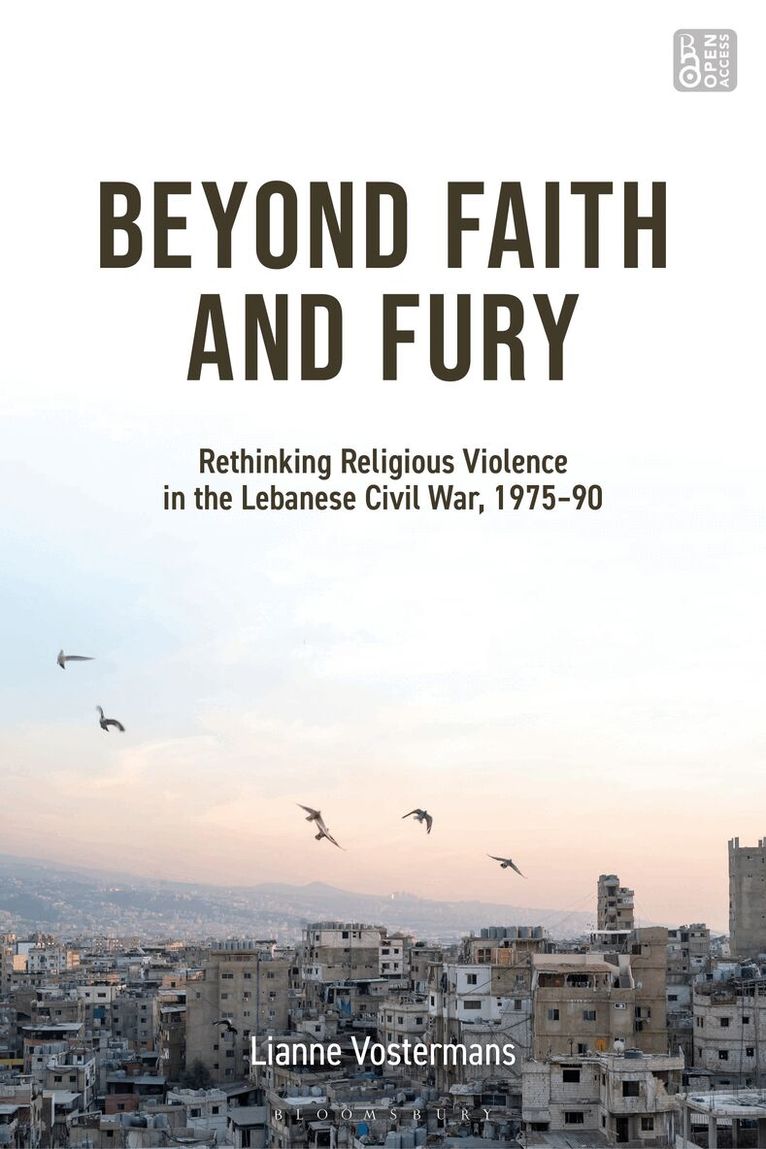
Beyond Faith and Fury
Rethinking Religious Violence in the Lebanese Civil War, 1975-90
Inbunden, 2026
1208 kr
Lägg i varukorg
How, when and in what forms does religion shape violence?Beyond Faith and Fury invites readers to rethink common assumptions about the role of religion in violence. It calls for a critical approach to one of today’s most pressing issues, shaping how we view—and often misunderstand—conflict in the …
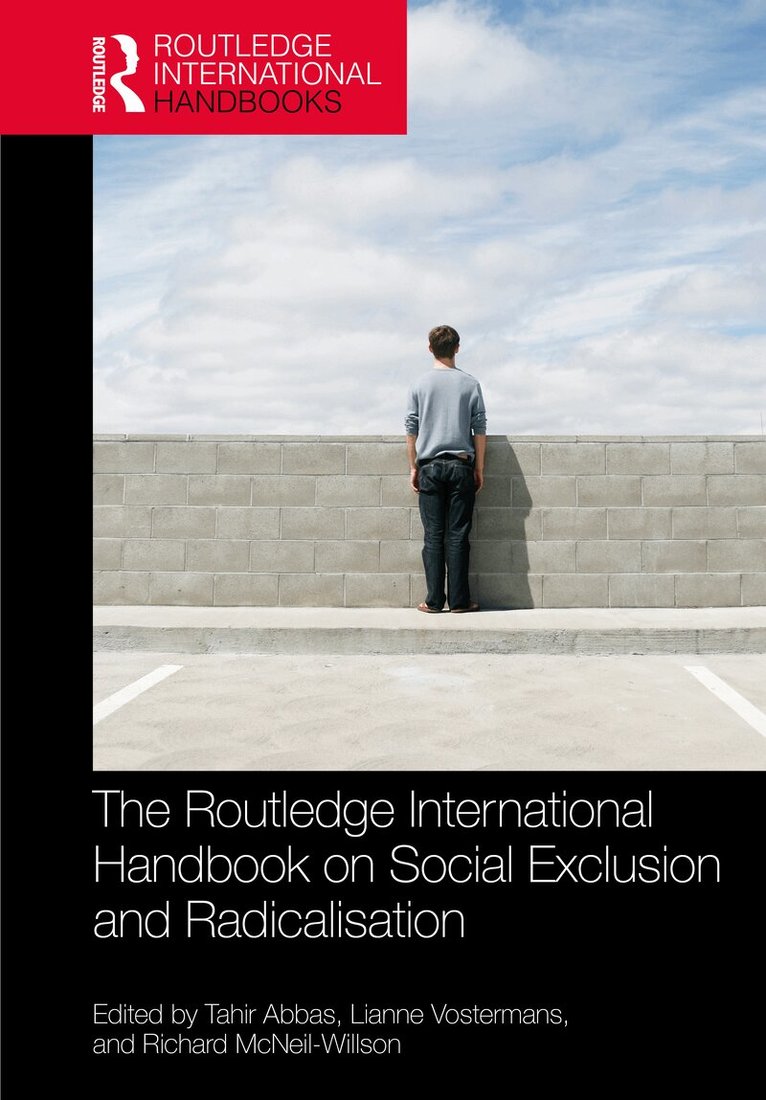
Routledge International Handbook on Social Exclusion and Radicalisation
Av Tahir Abbas, Lianne Vostermans m. fl.
Inbunden, 2026
3793 kr
Lägg i varukorg
In a world marked by shifting paradigms and emergent challenges, The Routledge International Handbook on Social Exclusion and Radicalisation is a ground-breaking compilation that addresses the intricate relationship between social exclusion and radicalisation on a global scale. In response to the …
Routledge International Handbook on Social Exclusion and Radicalisation
Av Richard McNeil-Willson, Lianne Vostermans m. fl.
E-bok, 2026
4320 kr
Lägg i varukorg
In a world marked by shifting paradigms and emergent challenges, The Routledge International Handbook on Social Exclusion and Radicalisation is a ground-breaking compilation that addresses the intricate relationship between social exclusion and radicalisation on a global scale. In response to the …
Routledge International Handbook on Social Exclusion and Radicalisation
Av Richard McNeil-Willson, Lianne Vostermans m. fl.
E-bok, 2026
4320 kr
Lägg i varukorg
In a world marked by shifting paradigms and emergent challenges, The Routledge International Handbook on Social Exclusion and Radicalisation is a ground-breaking compilation that addresses the intricate relationship between social exclusion and radicalisation on a global scale. In response to the …