Linda Kopitz – författare
Visar alla böcker från författaren Linda Kopitz. Handla med fri frakt och snabb leverans.
8 produkter
Pocketbook of Audience Research
E-bok, 2023
381 kr
Lägg i varukorg
Focusing on qualitative methods, The Pocketbook of Audience Research uses contemporary, global television and cross-media examples to explain essential approaches to audience research and outline how they can be employed. This handy guide is divided into three parts: the first part, ‘Watching …
Pocketbook of Audience Research
E-bok, 2023
381 kr
Lägg i varukorg
Focusing on qualitative methods, The Pocketbook of Audience Research uses contemporary, global television and cross-media examples to explain essential approaches to audience research and outline how they can be employed. This handy guide is divided into three parts: the first part, ‘Watching …
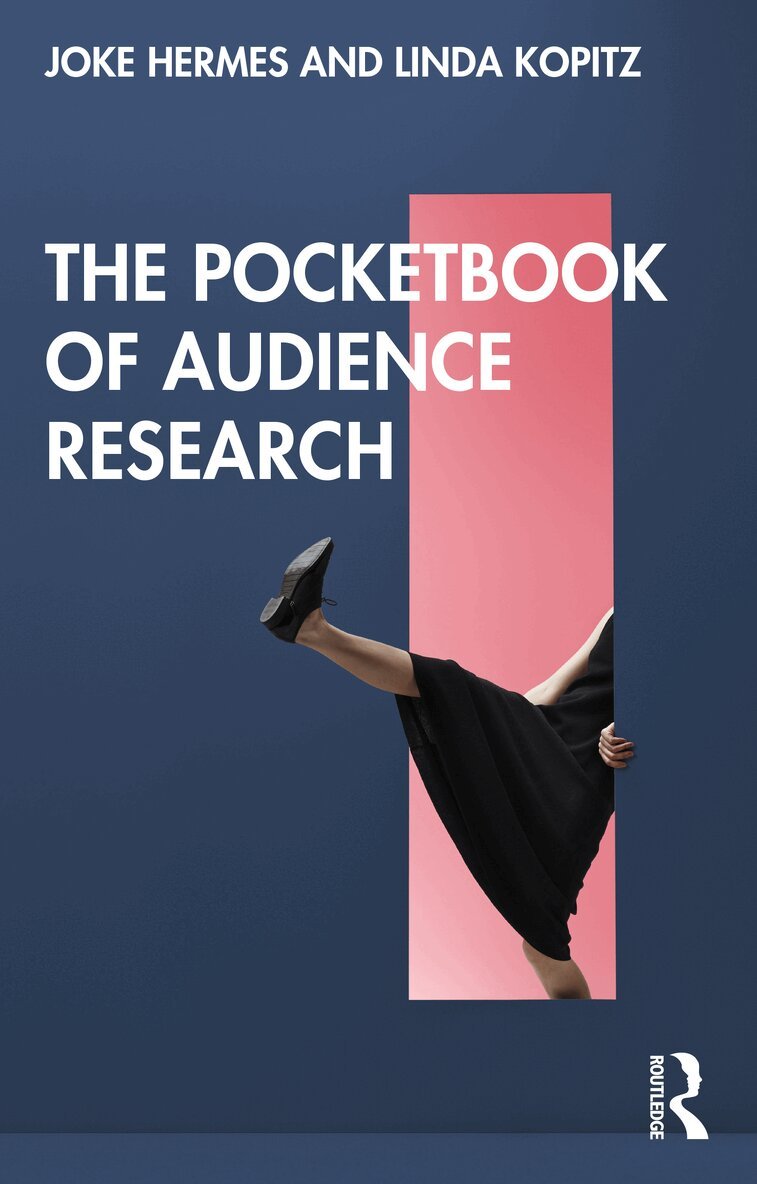
Pocketbook of Audience Research
Häftad, 2023
371 kr
Lägg i varukorg
Focusing on qualitative methods, The Pocketbook of Audience Research uses contemporary, global television and cross-media examples to explain essential approaches to audience research and outline how they can be employed.This handy guide is divided into three parts: the first part, ‘Watching …
Pocketbook of Audience Research
Inbunden, 2023
2510 kr
Lägg i varukorg
Focusing on qualitative methods, The Pocketbook of Audience Research uses contemporary, global television and cross-media examples to explain essential approaches to audience research and outline how they can be employed.This handy guide is divided into three parts: the first part, ‘Watching …
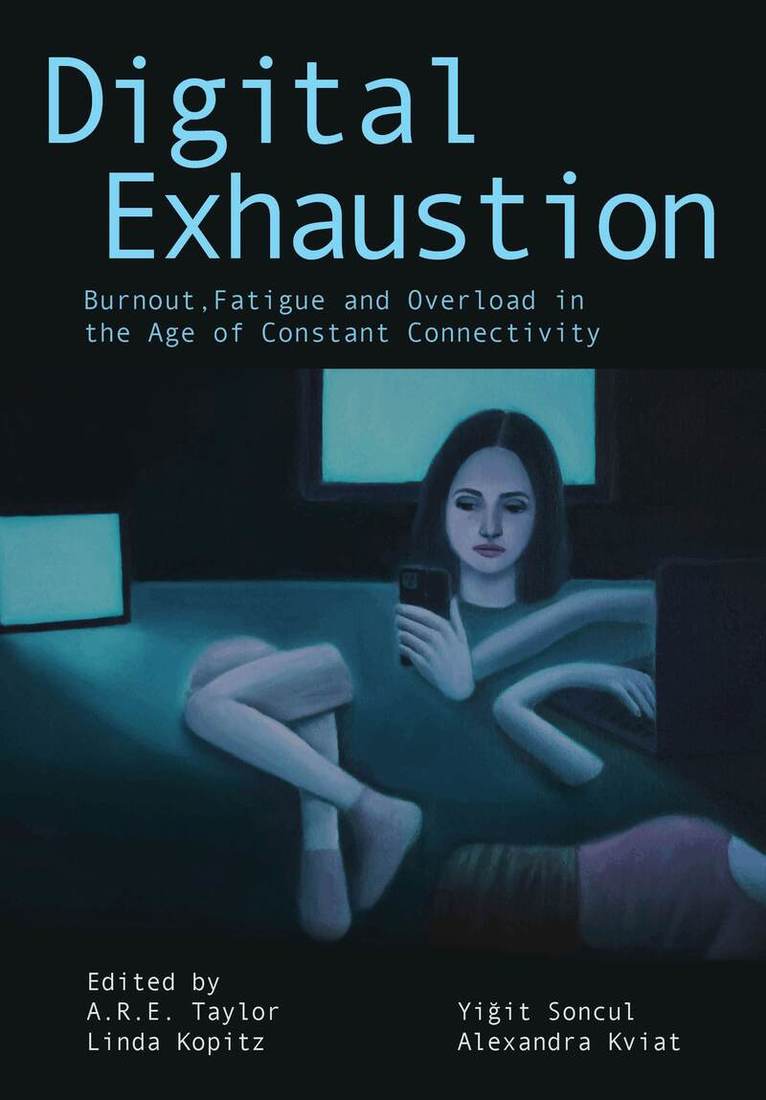
Digital Exhaustion
Burnout, Fatigue, and Overload in the Age of Constant Connectivity
Av A.R.E. Taylor, Linda Kopitz m. fl.
Inbunden, 2026
1575 kr
Lägg i varukorg
Unpacking the affective toll of constant connectivity, this book reframes digital exhaustion as a defining experience of our times. Overflowing inboxes. Back-to-back Zoom meetings. Nonstop notifications. Daily life in digital culture can be exhausting. This timely and urgent edited collection …
Digital Exhaustion
Burnout, Fatigue, and Overload in the Age of Constant Connectivity
Av A.R.E. Taylor, Linda Kopitz m. fl.
Häftad, 2026
884 kr
Lägg i varukorg
Unpacking the affective toll of constant connectivity, this book reframes digital exhaustion as a defining experience of our times. Overflowing inboxes. Back-to-back Zoom meetings. Nonstop notifications. Daily life in digital culture can be exhausting. This timely and urgent edited collection …