Linda Lowery – författare
Visar alla böcker från författaren Linda Lowery. Handla med fri frakt och snabb leverans.
27 produkter
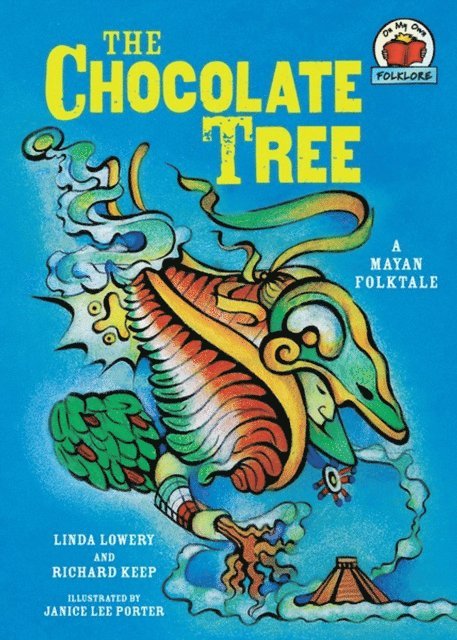
Chocolate Tree
[A Mayan Folktale]
E-bok, 2008
552 kr
Lägg i varukorg
Ever wonder where chocolate came from? We have the Mayan king Kukulkán to thank. Kukulkán is more than a king—he is also a god. One day he brings his people an amazing gift: a chocolate tree! But there is just one problem. Kukulkán’s brother, Night Jaguar, doesn’t want regular people to have …
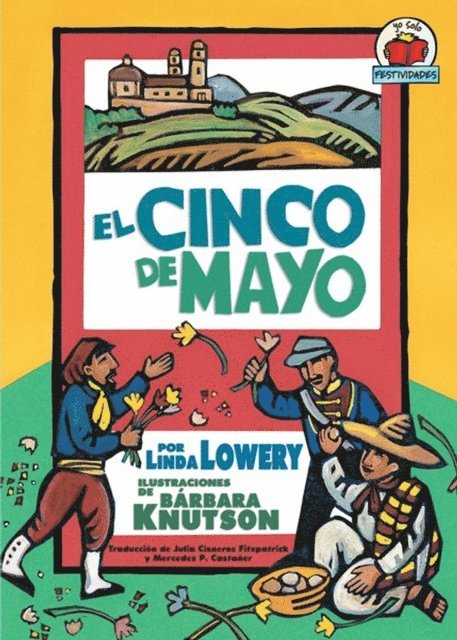
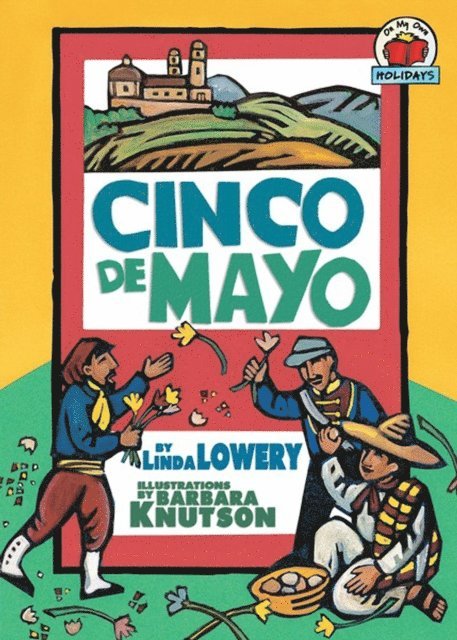
El Cinco de Mayo (Cinco de Mayo)
Av Linda Lowery
E-bok, 2005
570 kr
Lägg i varukorg
It’s fiesta time! Cinco de Mayo is a fiesta day in Mexico and the United States. It’s celebrated on the fifth of May. This colorful holiday honors Mexico’s victory over the French army at the Battle of Pueblo in 1862. People march in parades, dance, and set off fireworks. Families enjoy traditional …
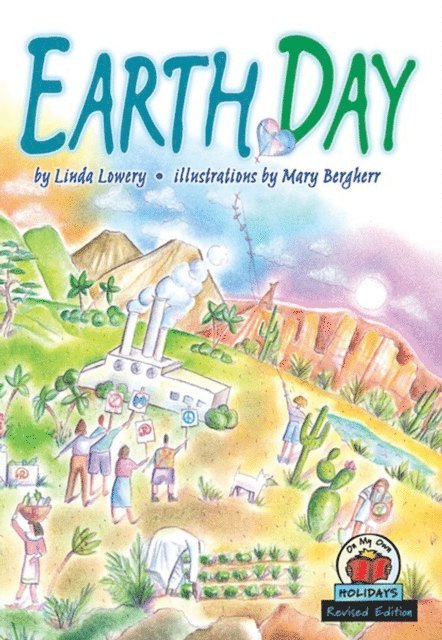
Earth Day, 2nd Edition
Av Linda Lowery
E-bok, 2011
570 kr
Lägg i varukorg
Earth Day is celebrated on April 22 each year to remind people about the dangers of pollution. Senator Gaylord Nelson organized the first Earth Day in 1970. On that day, peope marched, planted trees, and picked up litter. With small tasks young readers can do to help, Earth Day presents a hopeful …
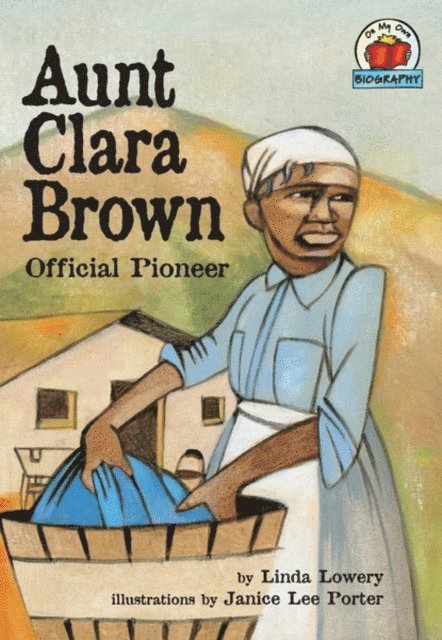
Aunt Clara Brown
Official Pioneer
Av Linda Lowery
E-bok, 2007
552 kr
Lägg i varukorg
As a successful former slave, Clara Brown used her money to help other freed slaves get a new start in life. In 1859 Clara bought her own freedom and headed west to Colorado to find her daughter, who was sold when she was just a little girl. Clara didn''t find her daughter there, but she did get …
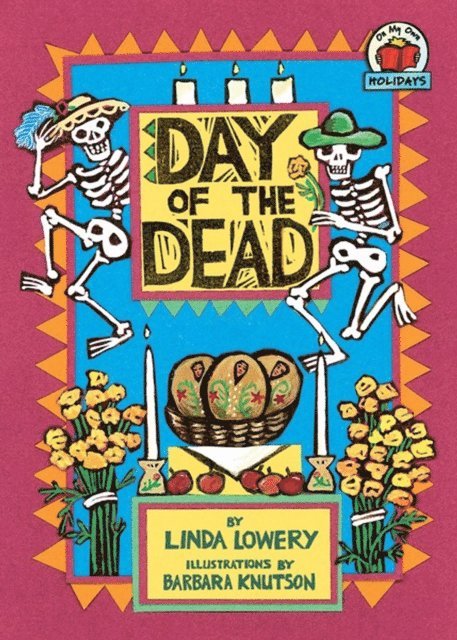
Day of the Dead
Av Linda Lowery
E-bok, 2007
570 kr
Lägg i varukorg
The Day of the Dead is a special holiday celebrated in many places like Mexico and parts of the United States to honor people who have died. It''s celebrated between October 31 and November 2 and there are costumes, but no one says, "trick-or-treat." There is candy, but this candy is shaped like …
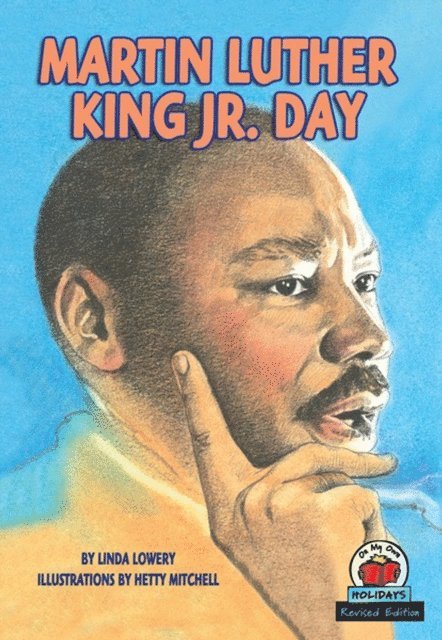
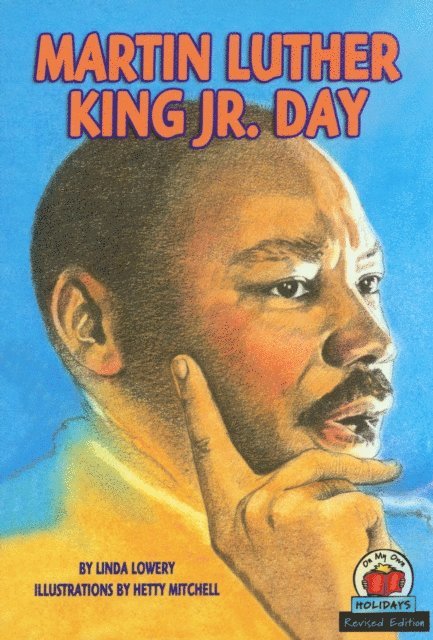
Martin Luther King Jr. Day, 2nd Edition
Av Linda Lowery
E-bok, 2007
552 kr
Lägg i varukorg
On January 20, 1986, church bells rang in New York City, world leaders gathered in Atlanta, and thousands paraded in Chicago. It was the first annual celebration of a new national holiday. People all over the United States were remembering Martin Luther King, Jr., a man who dreamed of peace, …
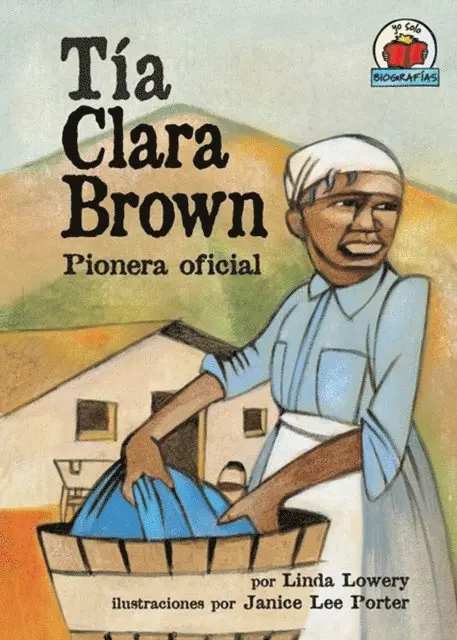
Tía Clara Brown (Aunt Clara Brown)
Pionera oficial
Av Linda Lowery
E-bok, 2007
558 kr
Lägg i varukorg
As a successful former slave, Clara Brown used her money to help other freed slaves get a new start in life. In 1859 Clara bought her own freedom and headed west to Colorado to find her daughter, who was sold when she was just a little girl. Clara didn''t find her daughter there, but she did get …
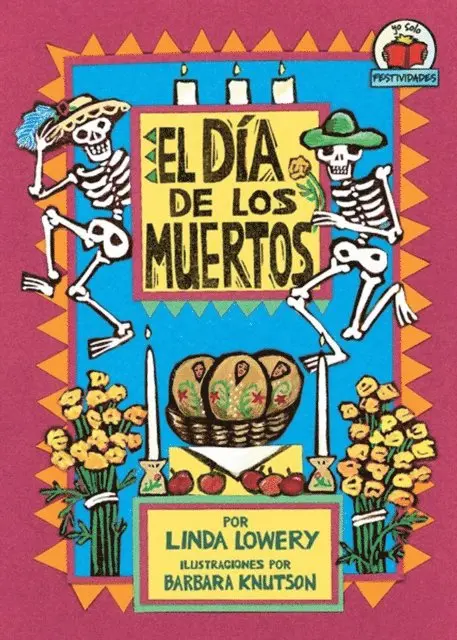
El Día de los Muertos (The Day of the Dead)
Av Linda Lowery
E-bok, 2011
570 kr
Lägg i varukorg
The Day of the Dead is a special holiday celebrated in many places like Mexico and parts of the United States to honor people who have died. It''s celebrated between October 31 and November 2 and there are costumes, but no one says, "trick-or-treat." There is candy, but this candy is shaped like …
Martin Luther King Jr. Day
Av Linda Lowery
Ljudbok, 1987
176 kr
Lägg i varukorg
The reason for the celebration of Martin Luther King Day is clearly and factually explained...Both the cassette and the book fill a void at the primary level for material on Martin Luther King. - School Library Journal
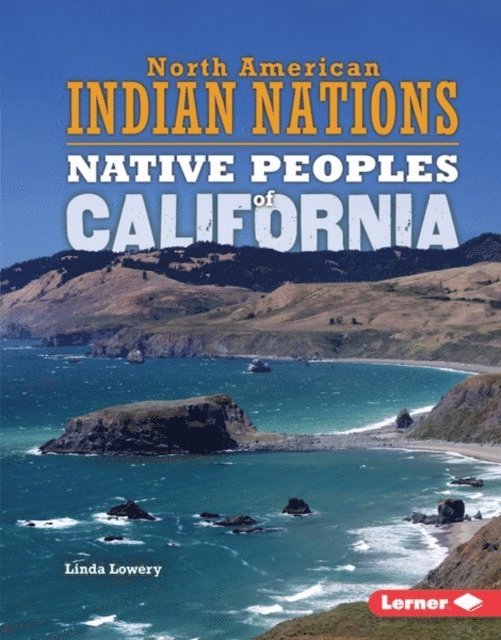
Native Peoples of California
Av Linda Lowery
E-bok, 2016
747 kr
Lägg i varukorg
California is a land of varied landscapes, climates, and cultures. Before Europeans arrived in North America, more than twenty independent American Indian groups lived in this region. Their cultures were as diverse as the areas they called home. Along the coast, in the mountains, and in the desert, …
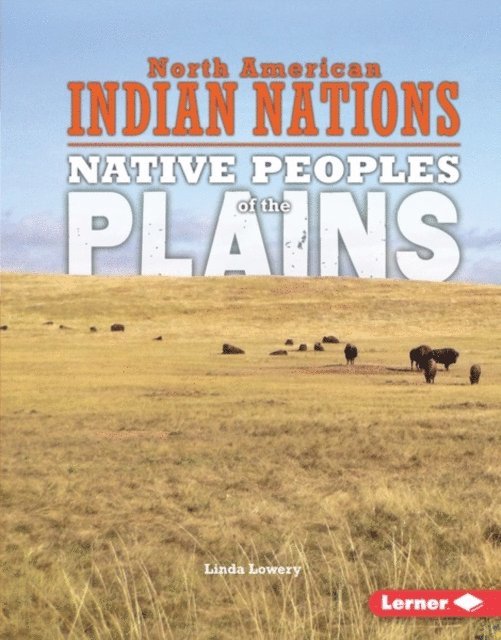
Native Peoples of the Plains
Av Linda Lowery
E-bok, 2016
725 kr
Lägg i varukorg
A long time ago, before the Plains region of the United States was divided up into states such as Nebraska, Colorado, and Wyoming, this land was home to American Indians. Twenty-eight unique Indian nations built homes and gathered food in the Plains. They spoke distinct languages, set up political …
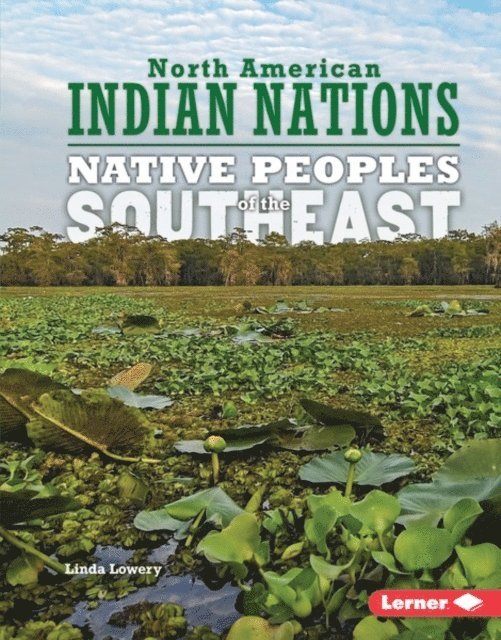
Native Peoples of the Southeast
Av Linda Lowery
E-bok, 2016
731 kr
Lägg i varukorg
Who were the first people to call the southeastern United States home? Long before Europeans came to the region, American Indian nations lived off the rich and varied land. These peoples had different languages, governments, and cultures. Their traditions and heritage were shaped by the climate and …
Native Peoples of the Southwest
Av Linda Lowery
E-bok, 2016
747 kr
Lägg i varukorg
When Spanish explorers came to the Southwest region of the United States in the 1600s, they found over 20,000 American Indians already living in the region. These American Indians were part of many different nations. They had their own languages and cultures, and they had developed ways to survive …
Native Peoples of California
Av Linda Lowery
E-bok, 2016
74 kr
Lägg i varukorg
California is a land of varied landscapes, climates, and cultures. Before Europeans arrived in North America, more than twenty independent American Indian groups lived in this region. Their cultures were as diverse as the areas they called home. Along the coast, in the mountains, and in the desert, …
Native Peoples of the Plains
Av Linda Lowery
E-bok, 2016
74 kr
Lägg i varukorg
A long time ago, before the Plains region of the United States was divided up into states such as Nebraska, Colorado, and Wyoming, this land was home to American Indians. Twenty-eight unique Indian nations built homes and gathered food in the Plains. They spoke distinct languages, set up political …
Native Peoples of the Southeast
Av Linda Lowery
E-bok, 2016
72 kr
Lägg i varukorg
Who were the first people to call the southeastern United States home? Long before Europeans came to the region, American Indian nations lived off the rich and varied land. These peoples had different languages, governments, and cultures. Their traditions and heritage were shaped by the climate and …
Native Peoples of the Southwest
Av Linda Lowery
E-bok, 2016
72 kr
Lägg i varukorg
When Spanish explorers came to the Southwest region of the United States in the 1600s, they found over 20,000 American Indians already living in the region. These American Indians were part of many different nations. They had their own languages and cultures, and they had developed ways to survive …
Truth and Salsa
Av Linda Lowery
Häftad, 2009
98 kr
Lägg i varukorg
A spirited young girl must travel far from home to finally find herself. Mexico is a long way from Kalamazoo—and not just in terms of miles. Almost-thirteen-year-old Hayley Flynn is spending six months with her eccentric grandmother in the rural mountain town of San Miguel while her recently …
Cinco de Mayo
Av Linda Lowery
E-bok, 2005
570 kr
Lägg i varukorg
It’s fiesta time! Cinco de Mayo is a fiesta day in Mexico and the United States. It’s celebrated on the fifth of May. This colorful holiday honors Mexico’s victory over the French army at the Battle of Pueblo in 1862. People march in parades, dance, and set off fireworks. Families enjoy traditional …
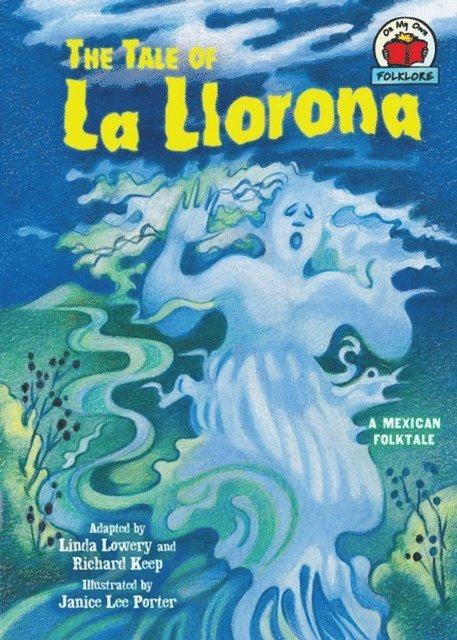
Tale of La Llorona
[A Mexican Folktale]
E-bok, 2007
570 kr
Lägg i varukorg
AY-EEEE! A spooky howl pierces the dark night. Is it the wind? Or is it the ghost called La Llorona? La Llorona is said to haunt moonlit roads and riverbanks, crying for her lost children. Before she became a ghost, La Llorona was a beautiful young woman named Maria. But Maria’s wish for wealth led …