Lisa Wool-Rim Sjoblom – författare
Visar alla böcker från författaren Lisa Wool-Rim Sjoblom. Handla med fri frakt och snabb leverans.
2 produkter
2 produkter
E-bok
Engelska, 2023161 kr
Läs direkt efter köp
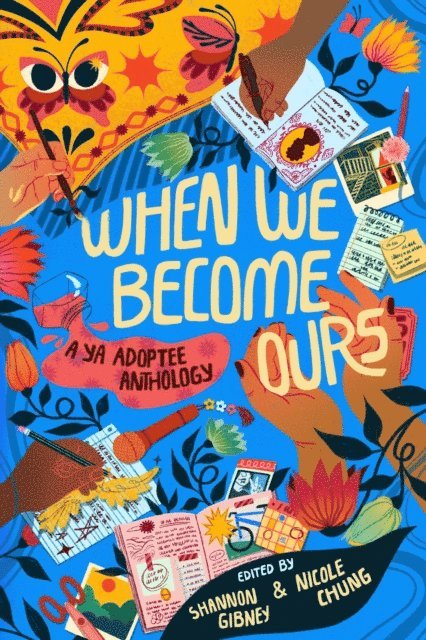
Two teens take the stage and find their voice. . .A girl learns about her heritage and begins to find her community. . .A sister is haunted by the ghosts of loved ones lost. . .There is no universal adoption experience, and no two adoptees have the same story. This anthology for teens edited by Shannon Gibney and Nicole Chung contains a wide range of powerful, poignant, and evocative stories in a variety of genres.These tales from fourteen bestselling, acclaimed, and emerging adoptee authors genuinely and authentically reflect the complexity, breadth, and depth of adoptee experiences.This groundbreaking collection centers what its like growing up as an adoptee. These are stories by adoptees, for adoptees, reclaiming their own narratives.With stories by:Kelley BakerNicole ChungShannon GibneyMark OshiroMeMe CollierSusan HarnessMeredith IrelandMariama J. LockingtonLisa NopachaiStefany Valentine RamirezMatthew SalessesLisa Wool-Rim SjblomEric SmithJenny Heijun WillsSun Yung ShinForeword by Rebecca CarrollAfterword by JaeRan Kim, MSW, PhD
E-bok
Engelska, 2021204 kr
Läs direkt efter köp
Who owns the story of an adoption?Thousands of South Korean children were adopted around the world in the 1970s and 1980s. More than nine thousand found their new home in Sweden, including the cartoonist Lisa Wool-Rim Sjoblom, who was adopted when she was two years old. Throughout her childhood she struggled to fit into the homogenous Swedish culture and was continually told to suppress the innate desire to know her origins. Be thankful, she was told; surely her life in Sweden was better than it would have been in Korea. Like many adoptees, Sjoblom learned to bury the feeling of abandonment. In Palimpsest, an emotionally charged memoir, Sjoblom s unaddressed feelings about her adoption come to a head when she is pregnant with her first child. When she discovers a document containing the names of her biological parents, she realizes her own history may not match up with the story she s been told her whole life: that she was an orphan without a background. As Sjoblom digs deeper into her own backstory, returning to Korea and the orphanage, she finds that the truth is much more complicated than the story she was told and struggled to believe. The sacred image of adoption as a humanitarian act that gives parents to orphans begins to unravel. Sjoblom s beautiful autumnal tones and clear-line style belie the complicated nature of this graphic memoir s vital central question: Who owns the story of an adoption?