Livia K. Stone – författare
Visar alla böcker från författaren Livia K. Stone. Handla med fri frakt och snabb leverans.
4 produkter
4 produkter
Inbunden, Engelska, 2019
1 389 kr
Skickas inom 5-8 vardagar
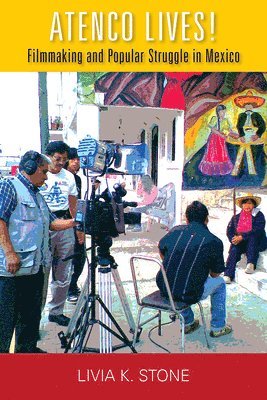
The People's Front in Defense of Land of Atenco (the ""Frente"") is an emblematic force in contemporary Mexican politics and in anti-capitalist, anti-neoliberal activist networks throughout the world. Best known for years of resistance against the encroachment of a government airport project on communal farmland, the Frente also became international news when its members were subject to state violence, rape, and intimidation in a brutal government crackdown in 2006. Through it all, documentary filmmaking has been one aspect of the Frente and its allies' efforts. The contradictions and difficulties of this moral and political project emerge in the day-to-day experiences of local, national, and international filmmakers and film distributors seeking to participate in the social movement.Stone highlights the importance of how the circulation of the physical videos, and not just their content, promotes the social movement. More broadly she shows how videographers perform their activism, navigating the tensions between neoliberal personhood or ego and an ethos of compañerismo that privileges community. Grounded in the lived experiences of Atenco's activists and allied filmmakers, Atenco Lives! documents the making and circulating of films as an ethical and political practice purposefully used to transform human relationships.
Häftad, Engelska, 2019
342 kr
Skickas inom 5-8 vardagar
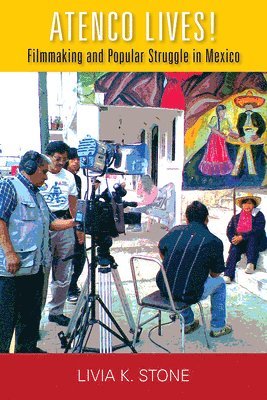
The People's Front in Defense of Land of Atenco (the ""Frente"") is an emblematic force in contemporary Mexican politics and in anti-capitalist, anti-neoliberal activist networks throughout the world. Best known for years of resistance against the encroachment of a government airport project on communal farmland, the Frente also became international news when its members were subject to state violence, rape, and intimidation in a brutal government crackdown in 2006. Through it all, documentary filmmaking has been one aspect of the Frente and its allies' efforts. The contradictions and difficulties of this moral and political project emerge in the day-to-day experiences of local, national, and international filmmakers and film distributors seeking to participate in the social movement.Stone highlights the importance of how the circulation of the physical videos, and not just their content, promotes the social movement. More broadly she shows how videographers perform their activism, navigating the tensions between neoliberal personhood or ego and an ethos of compañerismo that privileges community. Grounded in the lived experiences of Atenco's activists and allied filmmakers, Atenco Lives! documents the making and circulating of films as an ethical and political practice purposefully used to transform human relationships.
Inbunden, Engelska, 2026
1 290 kr
Kommande
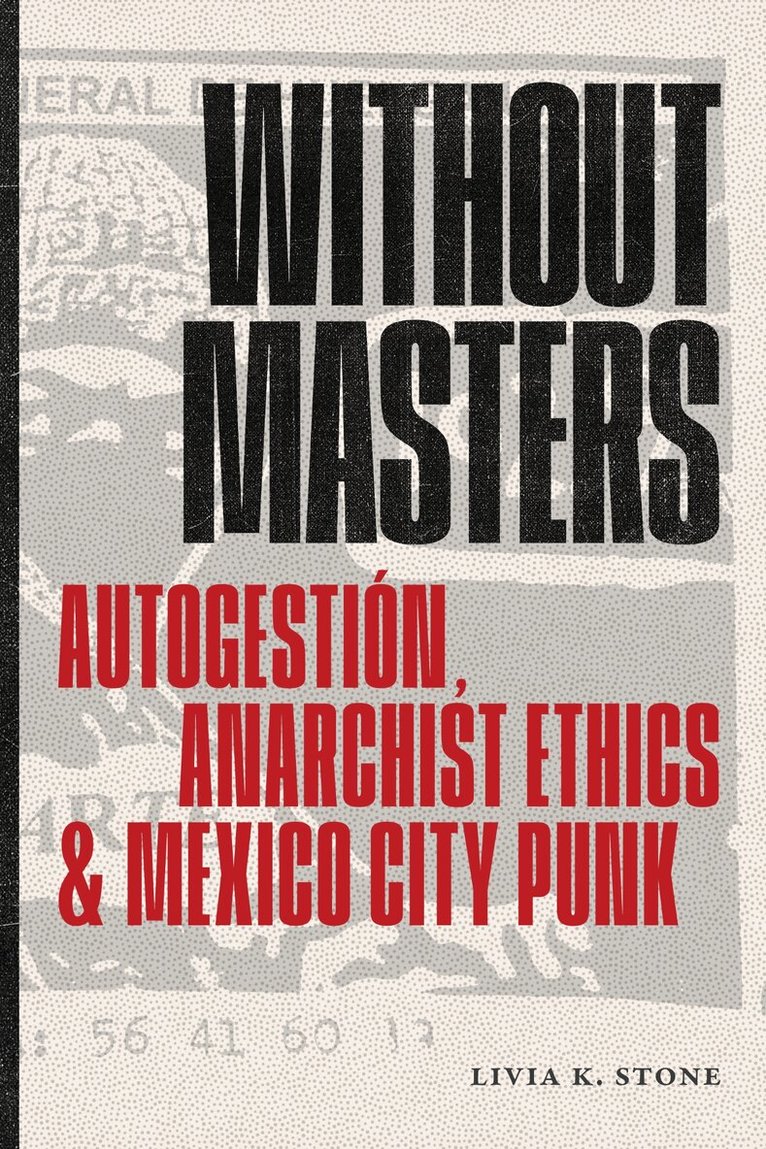
Without Masters is an anthropological history of the radical ethical and political principle of autogestiÓn as it traveled around the world in the twentieth century and came to be popularized in Mexico City in the early 2000s. A political term that first arose in 1962 Algeria traveled across continents until it landed in Mexico City’s anarcho-punk scene in the 1980s, where it eventually came to be associated more with zines, music, art, and Zapatismo than with its origins in anarchism or syndicalism. Without Masters brings the true history of autogestiÓn and the quiet radicalism of Mexico City’s autogestive collectives to an English-speaking audience for the first time. Along the way, Stone brings together diverse materials, from punk zines and political fliers to Beat novels and Zapatista parables, that tell an alternate history of radical politics throughout the world in the second half of the twentieth century which serves as a reminder of Mexico’s formative role in the creation of modern social theory.
Häftad, Engelska, 2026
305 kr
Kommande
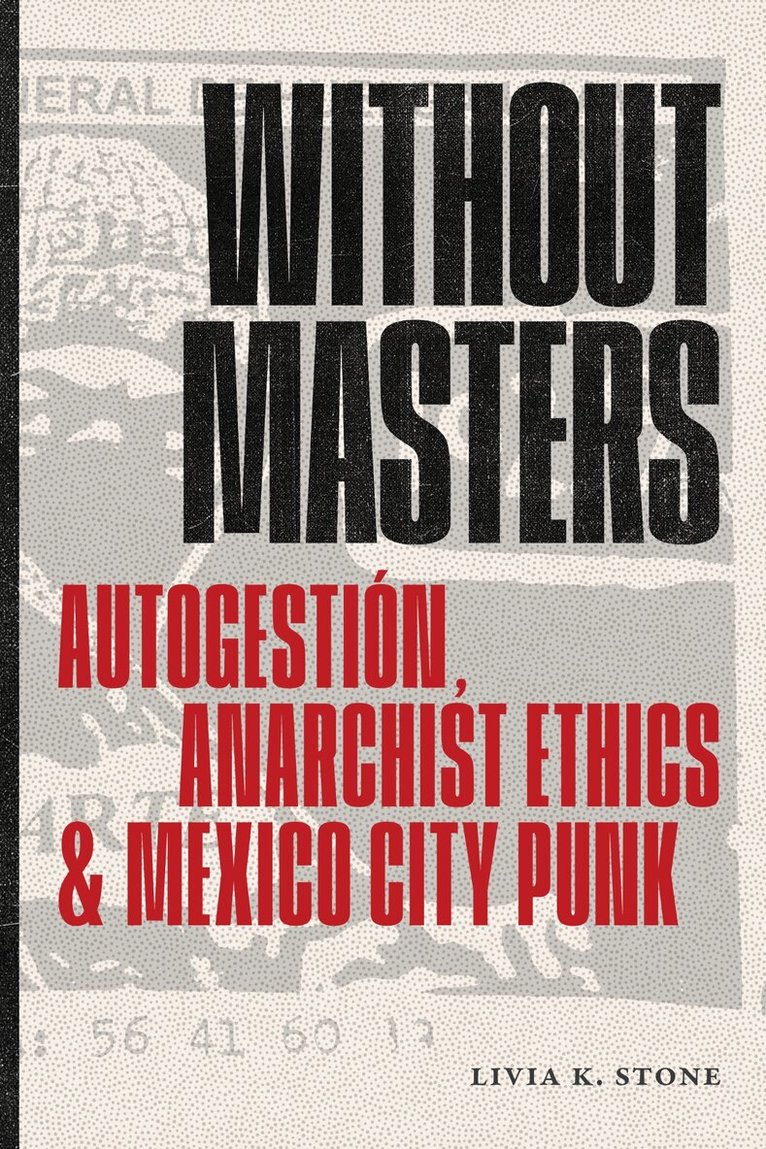
Without Masters is an anthropological history of the radical ethical and political principle of autogestiÓn as it traveled around the world in the twentieth century and came to be popularized in Mexico City in the early 2000s. A political term that first arose in 1962 Algeria traveled across continents until it landed in Mexico City’s anarcho-punk scene in the 1980s, where it eventually came to be associated more with zines, music, art, and Zapatismo than with its origins in anarchism or syndicalism. Without Masters brings the true history of autogestiÓn and the quiet radicalism of Mexico City’s autogestive collectives to an English-speaking audience for the first time. Along the way, Stone brings together diverse materials, from punk zines and political fliers to Beat novels and Zapatista parables, that tell an alternate history of radical politics throughout the world in the second half of the twentieth century which serves as a reminder of Mexico’s formative role in the creation of modern social theory.