Ljiljana Radonić – författare
Visar alla böcker från författaren Ljiljana Radonić. Handla med fri frakt och snabb leverans.
12 produkter
Holocaust/Genocide Template in Eastern Europe
Inbunden, 2019
2585 kr
Lägg i varukorg
The Holocaust/Genocide Template in Eastern Europe discusses the “memory wars” in the course of the post-Communist re-narration of history since 1989 and the current authoritarian backlash.The book focuses specifically on how “mnemonic warriors” employ the “Holocaust template” and the concept of …
Holocaust/Genocide Template in Eastern Europe
E-bok, 2020
820 kr
Lägg i varukorg
The Holocaust/Genocide Template in Eastern Europe discusses the “memory wars†in the course of the post-Communist re-narration of history since 1989 and the current authoritarian backlash. The book focuses specifically on how “mnemonic warriors†employ the “Holocaust template†and the …
Holocaust/Genocide Template in Eastern Europe
E-bok, 2020
838 kr
Lägg i varukorg
The Holocaust/Genocide Template in Eastern Europe discusses the “memory wars†in the course of the post-Communist re-narration of history since 1989 and the current authoritarian backlash. The book focuses specifically on how “mnemonic warriors†employ the “Holocaust template†and the …
Holocaust/Genocide Template in Eastern Europe
Häftad, 2021
712 kr
Lägg i varukorg
The Holocaust/Genocide Template in Eastern Europe discusses the “memory wars” in the course of the post-Communist re-narration of history since 1989 and the current authoritarian backlash.The book focuses specifically on how “mnemonic warriors” employ the “Holocaust template” and the concept of …
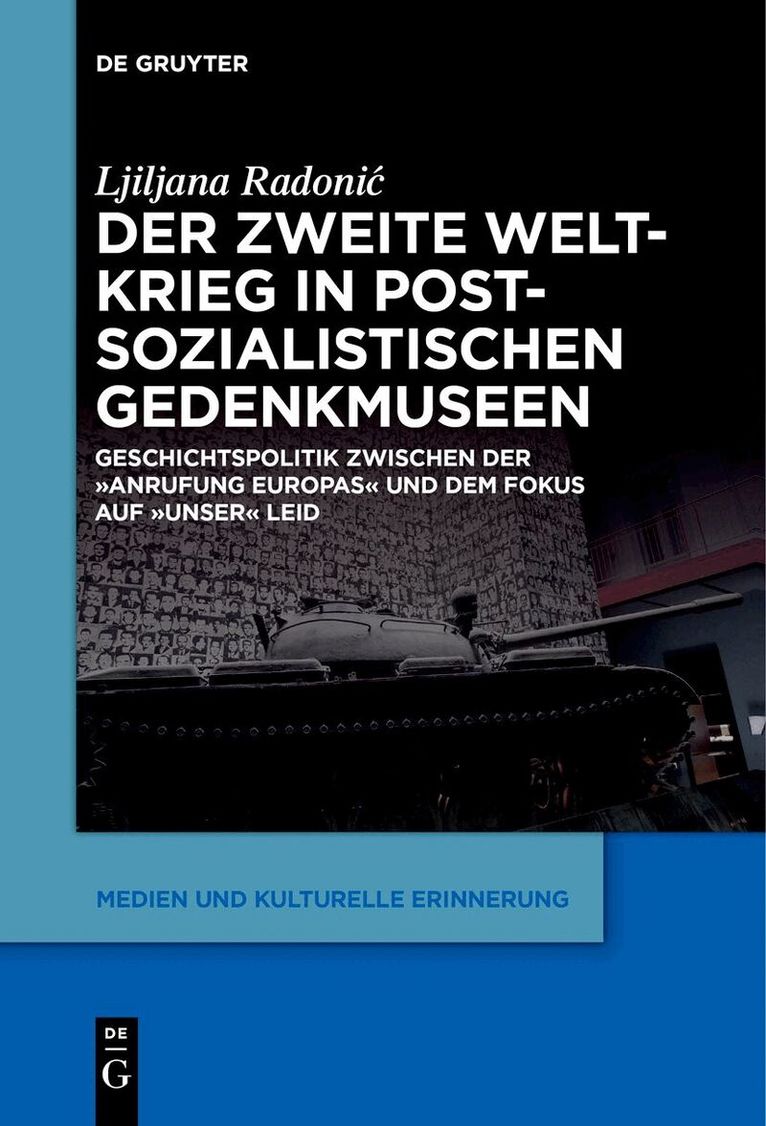
Zweite Weltkrieg in postsozialistischen Gedenkmuseen
Geschichtspolitik zwischen der ‚Anrufung Europas‘ und dem Fokus auf ‚unser‘ Leid
Inbunden, 2021
1313 kr
Lägg i varukorg
Erstmals wird die Museumslandschaft aller postsozialistischen EU-Mitgliedsländer untersucht. Wie stellen Museen den Zweiten Weltkrieg, Holocaust und sowjetische Verbrechen dar? Im Zuge der EU-Beitrittsbemühungen betreiben einige eine 'Anrufung Europas' und wollen ihr Europäischsein beweisen, indem …
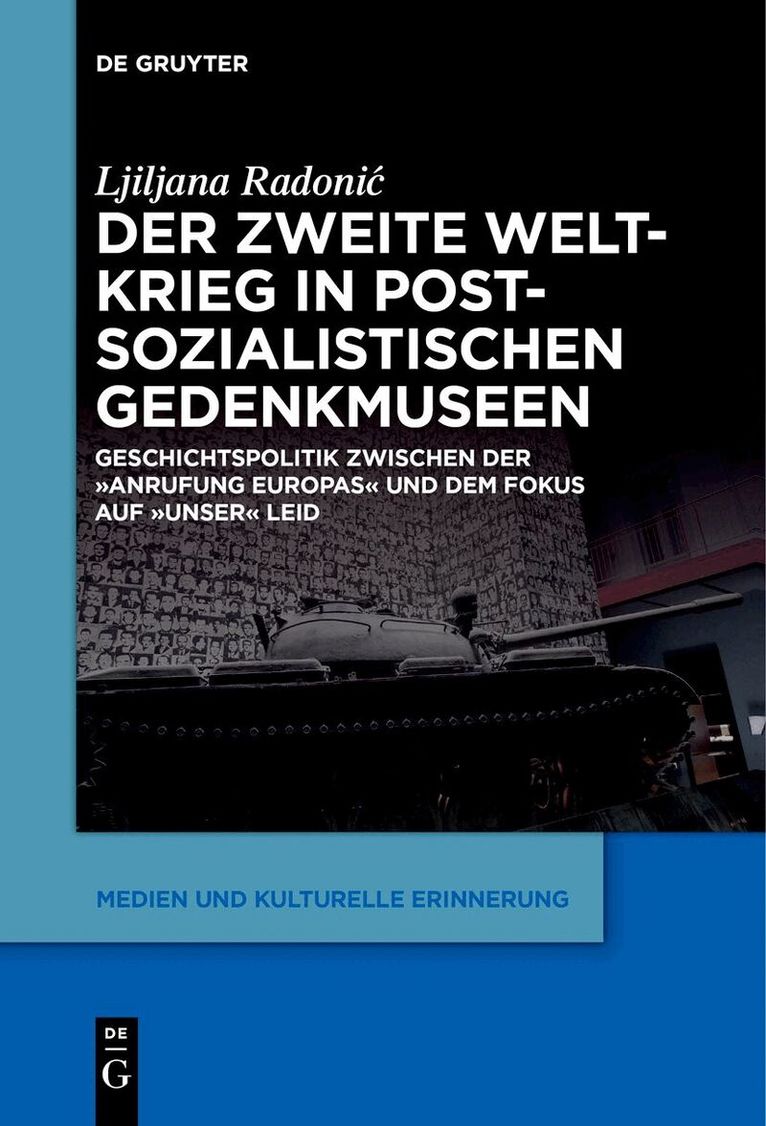
Zweite Weltkrieg in postsozialistischen Gedenkmuseen
Geschichtspolitik zwischen der ‚Anrufung Europas‘ und dem Fokus auf ‚unser‘ Leid
Häftad, 2023
329 kr
Lägg i varukorg
Erstmals wird die Museumslandschaft aller postsozialistischen EU-Mitgliedsländer untersucht. Wie stellen Museen den Zweiten Weltkrieg, Holocaust und sowjetische Verbrechen dar? Im Zuge der EU-Beitrittsbemühungen betreiben einige eine 'Anrufung Europas' und wollen ihr Europäischsein beweisen, indem …
friedfertige Antisemitin?
Kritische Theorie ueber Geschlechterverhaeltnis und Antisemitismus
Häftad, 2004
785 kr
Lägg i varukorg
Sind Frauen ebenso antisemitisch wie Männer oder doch das friedfertige Geschlecht, wie Margarete Mitscherlich beteuert? Um das klären zu können, wird Freuds Weiblichkeitstheorie der heutigen Zeit angepasst, die Entstehung von Geschlechterrollen erörtert. Um den Antisemitismus von Frauen zu …
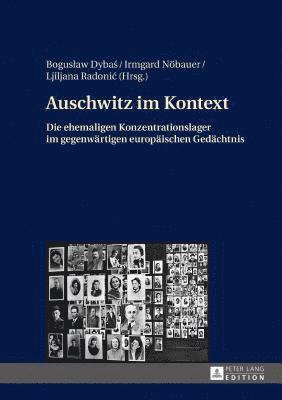
Auschwitz im Kontext
Die ehemaligen Konzentrationslager im gegenwaertigen europaeischen Gedaechtnis
Av Boguslaw Dybaś, Irmgard Nöbauer m. fl.
Inbunden, 2017
717 kr
Lägg i varukorg
Diese Bestandsaufnahme der KZ-Gedenkstättenlandschaft in Österreich und Polen geht der Frage nach, welchen Stellenwert Auschwitz als Pars pro Toto für die nationalsozialistischen Konzentrations- und Vernichtungslager im Diskurs über den Zweiten Weltkrieg einnimmt.
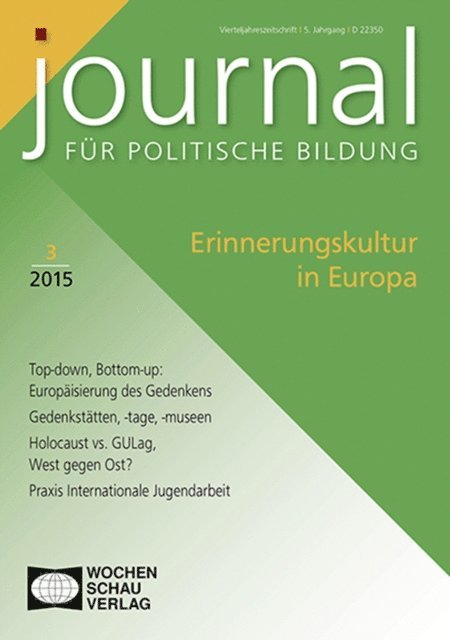
Erinnerungskultur in Europa
Journal für politische Bildung 3/2015
Av Stephan Schwieren, Ljiljana Radonic m. fl.
E-bok, 2016
158 kr
Lägg i varukorg
Neben den aktuellen erinnerungskulturellen Trennlinien in Europa behandelt diese Ausgabe des Journal auch positive Beispiele geteilter Erinnerung und stellt Institutionen, Museen und Projekte vor, die auf eine Überwindung dieser Trennlinien hinarbeiten. So ist die Entwicklung der …
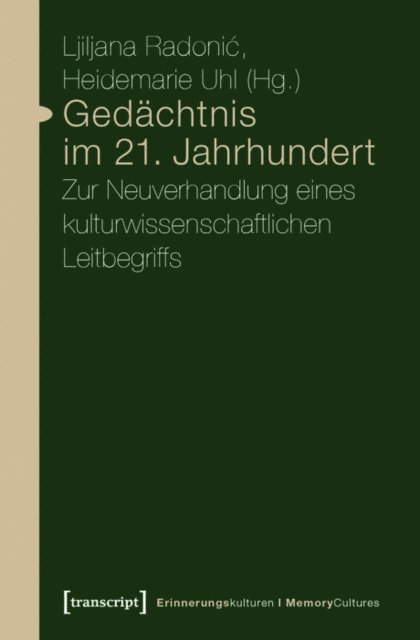
Gedächtnis im 21. Jahrhundert
Zur Neuverhandlung eines kulturwissenschaftlichen Leitbegriffs
Av Heidemarie Uhl, Ljiljana Radonic
E-bok
442 kr
Lägg i varukorg
Kritik an der ›verdrängten‹ Vergangenheit und der Ausblendung von Opfergruppen löste seit den 1980ern gesellschaftliche Grundsatzdebatten aus. Zugleich wurde das Gedächtnis als wissenschaftliches Paradigma begründet und avancierte rasch zu einem Leitbegriff der Kulturwissenschaften. Nach zwei …
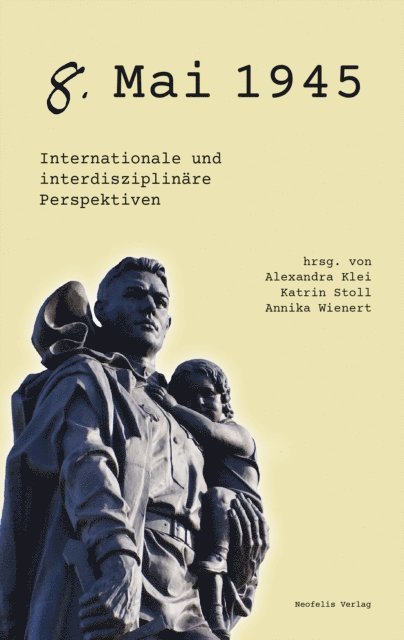
08. Mai 45
Internationale und interdisziplinäre Perspektiven
Av Annika Wienert, Helen Whatmore m. fl.
E-bok, 2016
267 kr
Lägg i varukorg
Was gemeint ist, wenn vom 8. Mai gesprochen wird, ist angesichts der Heterogenität der Daten und Ereignisse sowie ihrer Bezeichnungen und Deutungen keineswegs evident. Paradoxerweise kommt der bedingungslosen Kapitulation der Wehrmacht kein eindeutiges Datum zu, und die Orte der Unterzeichnung der …