Lloyd Sachikonye – författare
Visar alla böcker från författaren Lloyd Sachikonye. Handla med fri frakt och snabb leverans.
5 produkter
5 produkter
Häftad, Engelska, 2001
666 kr
Skickas inom 5-8 vardagar
Häftad, Engelska, 2001
566 kr
Skickas inom 5-8 vardagar
E-bok
PDF, Engelska, 2011605 kr
Läs direkt efter köp
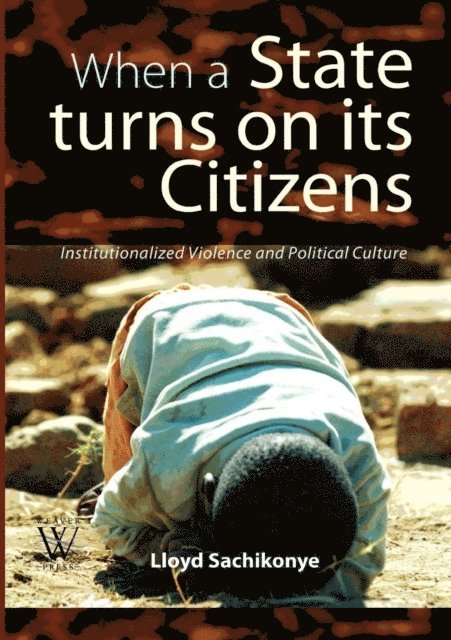
Lloyd Sachikonye traces the roots of Zimbabwe's contemporary violence to the actions of the Rhodesian armed forces, and the inter-party conflicts that occurred during the liberation war. His focus, however, is the period since 2000, which has seen state-sponsored violence erupting in election campaigns and throughout the programme of fast-track land reform. The consequences of this violence run wide and deep. Aside from inflicting trauma and fear on its victims, the impunity enjoyed by its perpetrators has helped to mould a culture within which personal freedoms and dreams are strangled. At a broader social level, it is responsible - both directly and indirectly - for millions of Zimbabweans voting with their feet and heading for the diaspora. Such a migration 'cannot simply be explained in terms of the search for greener economic pastures. Escape from authoritarianism, violence, trauma and fear is a large factor behind the exodus'. Sachikonye concludes that any future quest for justice and reconciliation will depend on the country facing up to the truth about the violence and hatred that have infected its past and present.
Häftad, Engelska, 2012
598 kr
Skickas inom 5-8 vardagar
E-bok
PDF, Engelska, 2012516 kr
Läs direkt efter köp
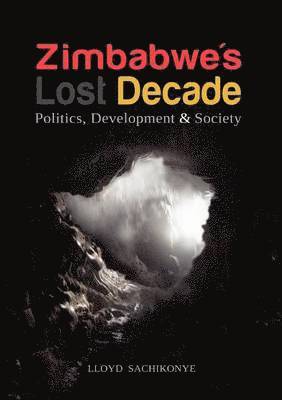
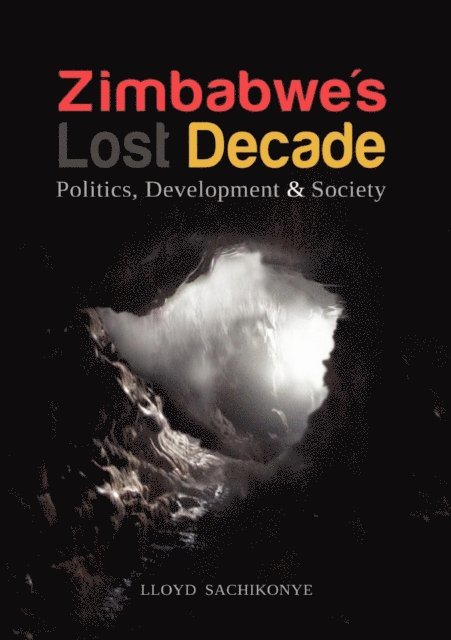
Zimbabwe occupies a special place in African politics and international relations, and has been the subject of intense debates over the years. At independence in 1980, the country was better endowed than most in Africa, and seemed poised for economic development and political pluralism. The population was relatively well educated, the industrial and agricultural bases were strong, and levels of infrastructure were impressive. However, in less than two decades, Zimbabwe was mired in a deep political and economic crisis. Towards the end of its third decade of independence, the economy had collapsed and the country had been transformed into a repressive state. How can we make sense of this decline? How can we explain the �lost decade� that followed? Can the explanation be reduced to the authoritarian leadership of Robert Mugabe and role of ZANU-PF? Or was something defective about in the institutions through which the state has exercised its authority? Or was it the result of imperialism, the West and sanctions? Zimbabwe�s Lost Decade draws on Lloyd Sachikonye�s analyses of political developments over the past 25 years. It offers a critique of leadership, systems of governance, and economic strategies, and argues for democratic values and practices, and more broad-based participation in the development process.