Lloyd Whitesell - Böcker
Visar alla böcker från författaren Lloyd Whitesell. Handla med fri frakt och snabb leverans.
9 produkter
9 produkter
1 289 kr
Skickas inom 5-8 vardagar
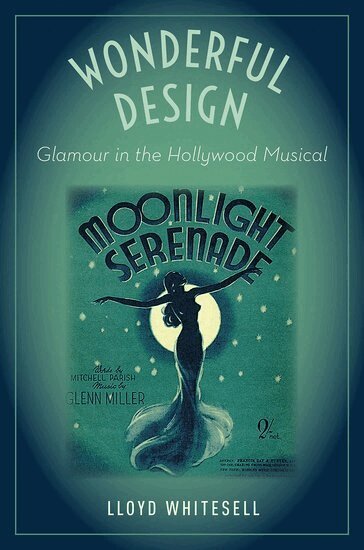
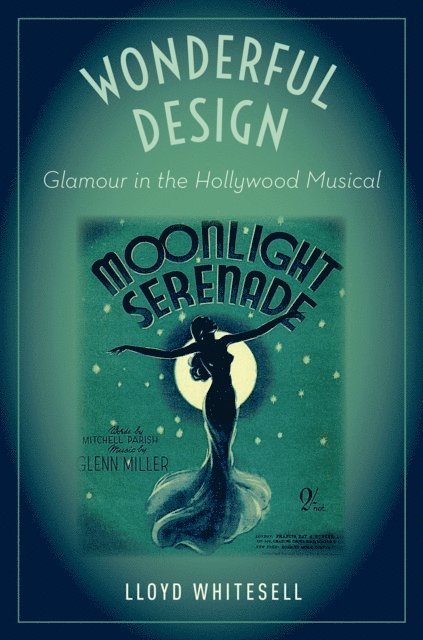
As one of the most beloved and beguiling genres of entertainment, the film musical wears its style ostentatiously. The genre allows for hyperbolic expression, extravagant sonic and visual décor, and extremely stylized forms of movement and performance. By staging a glittering spectacle, by releasing a current of lush sentiment, by unveiling a world of elegance and romance, the film musical woos us with patterns, textures, finesse and sensory display. In this book, author Lloyd Whitesell asks what, exactly, makes film musicals so glamorous. As he argues, glamour projects an aura of ethereality or sophistication by way of suave deportment, sensuous textures, elevated styles, and aesthetically refined effects. Glamour, in other words, is what unites "Cheek to Cheek" from Top Hat and the title song from Beauty and the Beast, each a sonic evocation of luxury, sparkle, grace, and finesse. Whitesell redirects our attention from visual cues like sequins and evening gloves to explore how glamour resides in the sonic. Discussing dozens of musical numbers, analyzing ingenious orchestration, and appraising the distinctive styles of favorite musical stars, Whitesell illuminates fundamental traits of the genre, its aesthetic strategies, and cultural ambitions.
428 kr
Skickas inom 5-8 vardagar
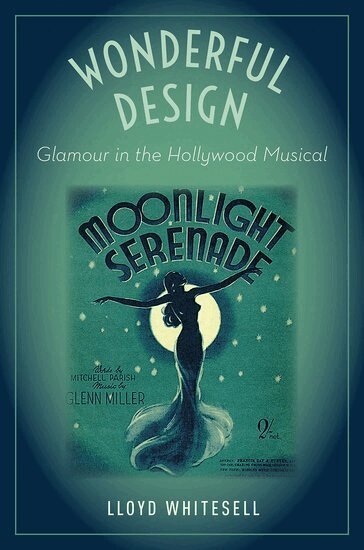
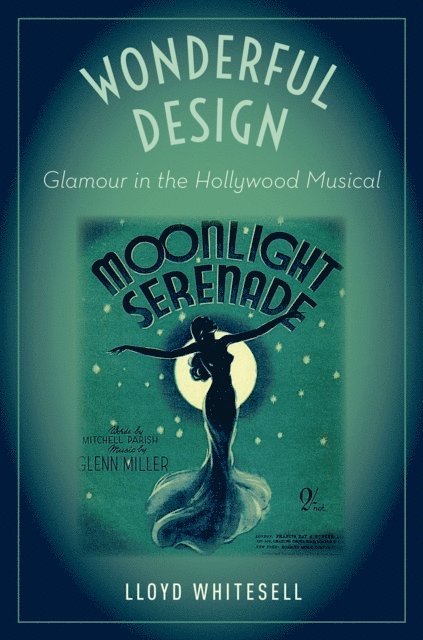
As one of the most beloved and beguiling genres of entertainment, the film musical wears its style ostentatiously. The genre allows for hyperbolic expression, extravagant sonic and visual décor, and extremely stylized forms of movement and performance. By staging a glittering spectacle, by releasing a current of lush sentiment, by unveiling a world of elegance and romance, the film musical woos us with patterns, textures, finesse and sensory display. In this book, author Lloyd Whitesell asks what, exactly, makes film musicals so glamorous. As he argues, glamour projects an aura of ethereality or sophistication by way of suave deportment, sensuous textures, elevated styles, and aesthetically refined effects. Glamour, in other words, is what unites "Cheek to Cheek" from Top Hat and the title song from Beauty and the Beast, each a sonic evocation of luxury, sparkle, grace, and finesse. Whitesell redirects our attention from visual cues like sequins and evening gloves to explore how glamour resides in the sonic. Discussing dozens of musical numbers, analyzing ingenious orchestration, and appraising the distinctive styles of favorite musical stars, Whitesell illuminates fundamental traits of the genre, its aesthetic strategies, and cultural ambitions.
1 271 kr
Skickas inom 5-8 vardagar
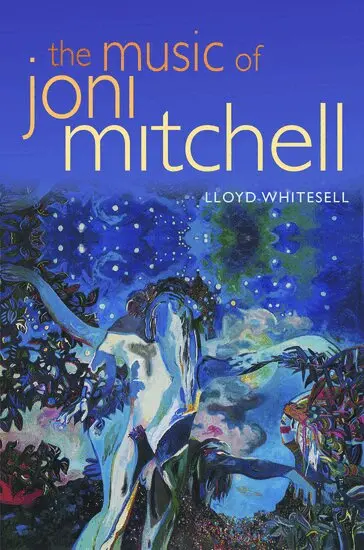
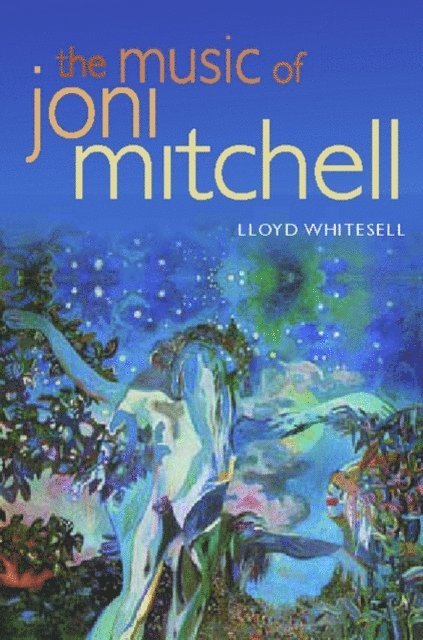
Joni Mitchell is one of the foremost singer-songwriters of the late twentieth century. Yet despite her reputation, influence, and cultural importance, a detailed appraisal of her musical achievement is still lacking. Whitesell presents a through exploration of Mitchell's musical style, sound, and structure in order to evaluate her songs from a musicological perspective. His analyses are conceived within a holistic framework that takes account of poetic nuance, cultural reference, and stylistic evolution over a long, adventurous career. Mitchell's songs represent a complex, meticulously crafted body of work. The Music of Joni Mitchell offers a comprehensive survey of her output, with many discussions of individual songs, organized by topic rather than chronology. Individual chapters each explore a different aspect of her craft, such as poetic voice, harmony, melody, and large-scale form. A separate chapter is devoted to the central theme of personal freedom, as expressed through diverse symbolic registers of the journey quest, bohemianism, creative license, and spiritual liberation. Previous accounts of Mitchell's songwriting have tended to favor her poetic vision, expansive verse structures, and riveting vocal delivery. Whitesell fills out this account with special attention to musical technique, showing how such traits as complex or conflicting sonorities, dualities of harmonic mode, dialectical tensions of texture and register, intricately layered instrumental figuration, and a variable vocal persona are all essential to her distinctive identity as a songwriter. The Music of Joni Mitchell develops a set of conceptual tools geared specifically to Mitchell's songs, in order to demonstrate the extent of her technical innovation in the pop song genre, to give an account of the formal sophistication and rhetorical power characterizing her work as a whole, and to provide grounds for the recognition of her intellectual stature as a composer within her chosen field.
350 kr
Skickas inom 5-8 vardagar
Joni Mitchell is one of the foremost singer-songwriters of the late twentieth century. Yet despite her reputation, influence, and cultural importance, a detailed appraisal of her musical achievement is still lacking. Whitesell presents a through exploration of Mitchell's musical style, sound, and structure in order to evaluate her songs from a musicological perspective. His analyses are conceived within a holistic framework that takes account of poetic nuance, cultural reference, and stylistic evolution over a long, adventurous career. Mitchell's songs represent a complex, meticulously crafted body of work. The Music of Joni Mitchell offers a comprehensive survey of her output, with many discussions of individual songs, organized by topic rather than chronology. Individual chapters each explore a different aspect of her craft, such as poetic voice, harmony, melody, and large-scale form. A separate chapter is devoted to the central theme of personal freedom, as expressed through diverse symbolic registers of the journey quest, bohemianism, creative license, and spiritual liberation. Previous accounts of Mitchell's songwriting have tended to favor her poetic vision, expansive verse structures, and riveting vocal delivery. Whitesell fills out this account with special attention to musical technique, showing how such traits as complex or conflicting sonorities, dualities of harmonic mode, dialectical tensions of texture and register, intricately layered instrumental figuration, and a variable vocal persona are all essential to her distinctive identity as a songwriter. The Music of Joni Mitchell develops a set of conceptual tools geared specifically to Mitchell's songs, in order to demonstrate the extent of her technical innovation in the pop song genre, to give an account of the formal sophistication and rhetorical power characterizing her work as a whole, and to provide grounds for the recognition of her intellectual stature as a composer within her chosen field.
2 085 kr
Skickas inom 3-6 vardagar
Critics have ensured its place in a canon of greatest works. Fans grow deeply attached to the songwriter for her honesty and ability to speak directly to their own troubles. Listeners are awed by the music's visceral impact and extraordinary beauty. Joni Mitchell's most beloved album Blue (1971) continues to inspire new generations of listeners well over 50 years after its release. In this book, author Lloyd Whitesell situates Mitchell as a key figure in the singer-songwriter movement that emerged in the late 1960s and shows how the confessional mode of writing intensified the movement's core values of authenticity and vulnerability. In its extreme personal exposure, raw timbres, and emotional volatility, Blue represents a turning point in the confessional approach. Whitesell also paints a vivid portrait of Mitchell and her peers at the moment Blue was made. The songwriter captures snapshots of the counterculture and reflects the dilemmas of a young person living through cultural upheaval. In particular, she conveys the perspective of a woman struggling toward self-determination and exploring the new choices available to her in love and personal fulfilment. Against a backdrop of idealism, she gives voice to the doubts that shadow the collective desire for a better world. Though Blue embodies a flawed, spontaneous, disheveled persona, its songs are impeccably artful in their design. In detailed analyses of lyrics, melody, harmony, and vocal performance, Whitesell explores the qualities that set Mitchell's music apart for its shapeliness, symbolic resonance, and sophistication.
354 kr
Skickas inom 3-6 vardagar
Critics have ensured its place in a canon of greatest works. Fans grow deeply attached to the songwriter for her honesty and ability to speak directly to their own troubles. Listeners are awed by the music's visceral impact and extraordinary beauty. Joni Mitchell's most beloved album Blue (1971) continues to inspire new generations of listeners well over 50 years after its release. In this book, author Lloyd Whitesell situates Mitchell as a key figure in the singer-songwriter movement that emerged in the late 1960s and shows how the confessional mode of writing intensified the movement's core values of authenticity and vulnerability. In its extreme personal exposure, raw timbres, and emotional volatility, Blue represents a turning point in the confessional approach. Whitesell also paints a vivid portrait of Mitchell and her peers at the moment Blue was made. The songwriter captures snapshots of the counterculture and reflects the dilemmas of a young person living through cultural upheaval. In particular, she conveys the perspective of a woman struggling toward self-determination and exploring the new choices available to her in love and personal fulfilment. Against a backdrop of idealism, she gives voice to the doubts that shadow the collective desire for a better world. Though Blue embodies a flawed, spontaneous, disheveled persona, its songs are impeccably artful in their design. In detailed analyses of lyrics, melody, harmony, and vocal performance, Whitesell explores the qualities that set Mitchell's music apart for its shapeliness, symbolic resonance, and sophistication.
292 kr
Skickas inom 7-10 vardagar
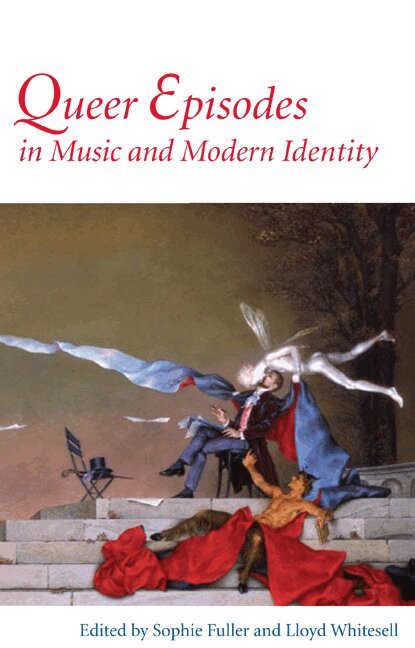
Exploring the relationship between queer sexuality and music in the late nineteenth and early twentieth centuryQueer Episodes in Music and Modern Identity approaches modern sexuality by way of music. Through the hidden or lost stories of composers, scholars, patrons, performers, audiences, repertoires, venues, and specific works, this intriguing volume explores points of intersection between music and queerness in Europe and the United States in the years 1870 to 1950--a period when dramatic changes in musical expression and in the expression of individual sexual identity played similar roles in washing away the certainties of the past. Pursuing the shadowy, obscured tracks of queerness, contributors unravel connections among dissident identities and concrete aspects of musical style, gestures, and personae. Contributors are Byron Adams, Philip Brett, Malcolm Hamrick Brown, Sophie Fuller, Mitchell Morris, Jann Pasler, Ivan Raykoff, Fiona Richards, Eva Rieger, Gillian Rodger, Sherrie Tucker, and Lloyd Whitesell.
697 kr
Kommande
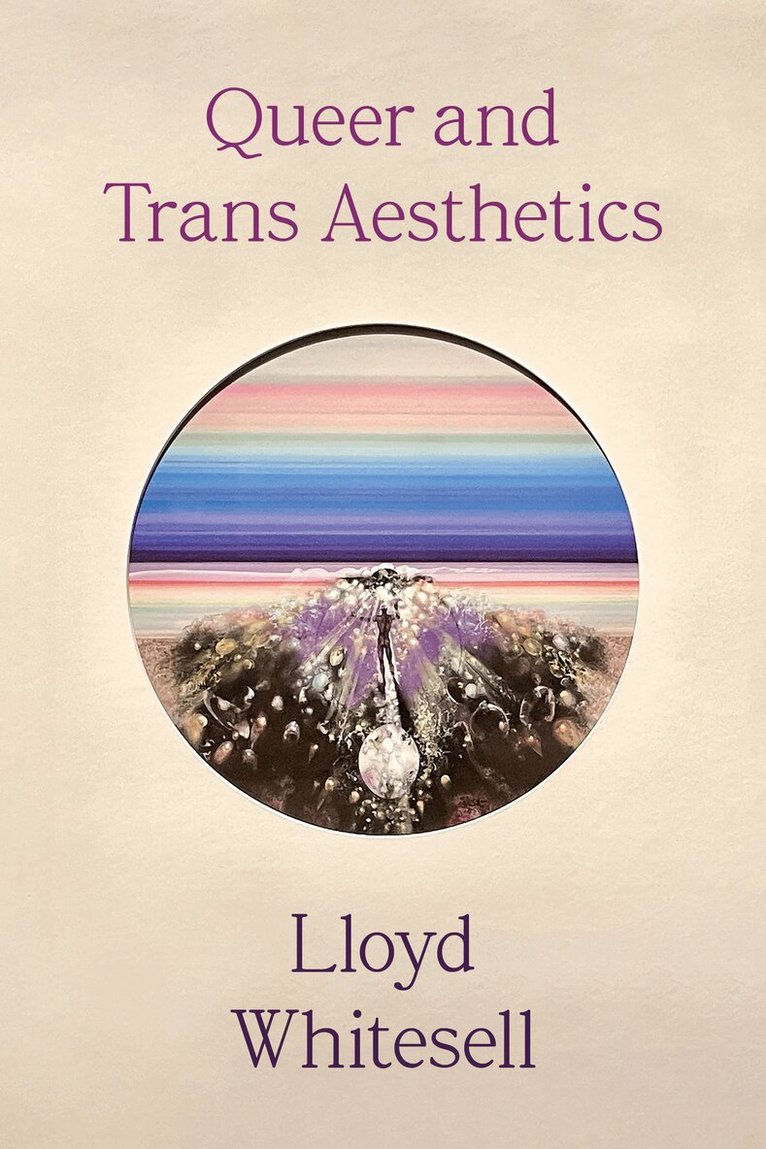
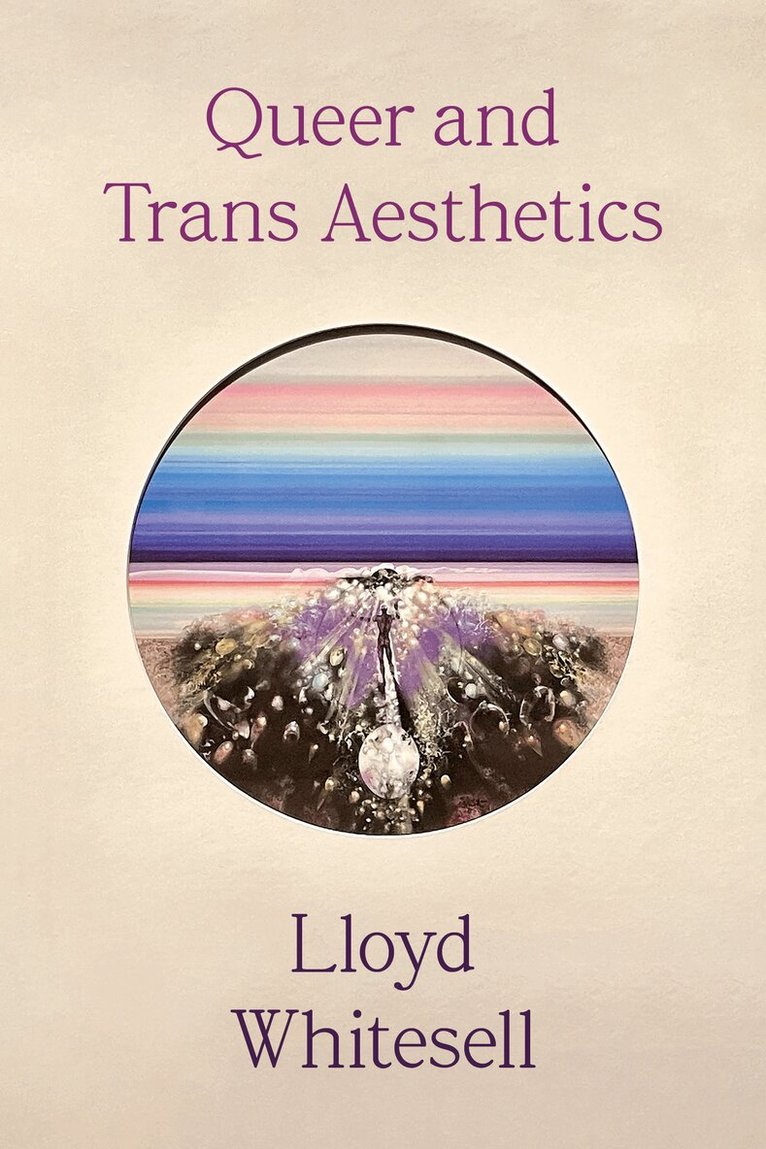
If a creative individual identifies as queer or trans, does that fact belong solely to the realm of biography, or does it pertain to their artistic achievement? In Queer and Trans Aesthetics, Lloyd Whitesell discusses literature, visual culture, audio-visual media, music, and performance from the 19th to the 21st century. Through this analysis, Whitesell develops a systematic framework to enrich our understanding of LGBTQ aesthetics and cultural production. He traces the history of queer aesthetic inquiry, develops a justification for a synthetic approach, identifies a fund of expressive strategies motivated by queer subjectivity, and highlights how such strategies create affinity across differences of gender, race, local context, and artistic media.Rooted in a gender-inclusive theory of queer/trans subjectivity, the book draws on testimony from people of diverse backgrounds, genders, and races. Whitesell engages with debates in the existing scholarly literature while making connections between a wide range of artists: some from mainstream canons, some established subcultural figures, and others only now emerging as notable contributors to queer culture. The book explores five expressive archetypes or poses which have had profound significance in queer art traditions: the Monster, the Victim, the Trickster, the Dandy, and the Dreamer. Each offers a repertoire of creative responses to social oppression and configures queer subjective experience in a unique way. With its unique systematic approach, Queer and Trans Aesthetics enhances our knowledge of queer aesthetic traditions across genres and time.
2 026 kr
Kommande
If a creative individual identifies as queer or trans, does that fact belong solely to the realm of biography, or does it pertain to their artistic achievement? In Queer and Trans Aesthetics, Lloyd Whitesell discusses literature, visual culture, audio-visual media, music, and performance from the 19th to the 21st century. Through this analysis, Whitesell develops a systematic framework to enrich our understanding of LGBTQ aesthetics and cultural production. He traces the history of queer aesthetic inquiry, develops a justification for a synthetic approach, identifies a fund of expressive strategies motivated by queer subjectivity, and highlights how such strategies create affinity across differences of gender, race, local context, and artistic media.Rooted in a gender-inclusive theory of queer/trans subjectivity, the book draws on testimony from people of diverse backgrounds, genders, and races. Whitesell engages with debates in the existing scholarly literature while making connections between a wide range of artists: some from mainstream canons, some established subcultural figures, and others only now emerging as notable contributors to queer culture. The book explores five expressive archetypes or poses which have had profound significance in queer art traditions: the Monster, the Victim, the Trickster, the Dandy, and the Dreamer. Each offers a repertoire of creative responses to social oppression and configures queer subjective experience in a unique way. With its unique systematic approach, Queer and Trans Aesthetics enhances our knowledge of queer aesthetic traditions across genres and time.