Long T. Bui – författare
Visar alla böcker från författaren Long T. Bui. Handla med fri frakt och snabb leverans.
6 produkter
6 produkter
2 198 kr
Skickas inom 10-15 vardagar
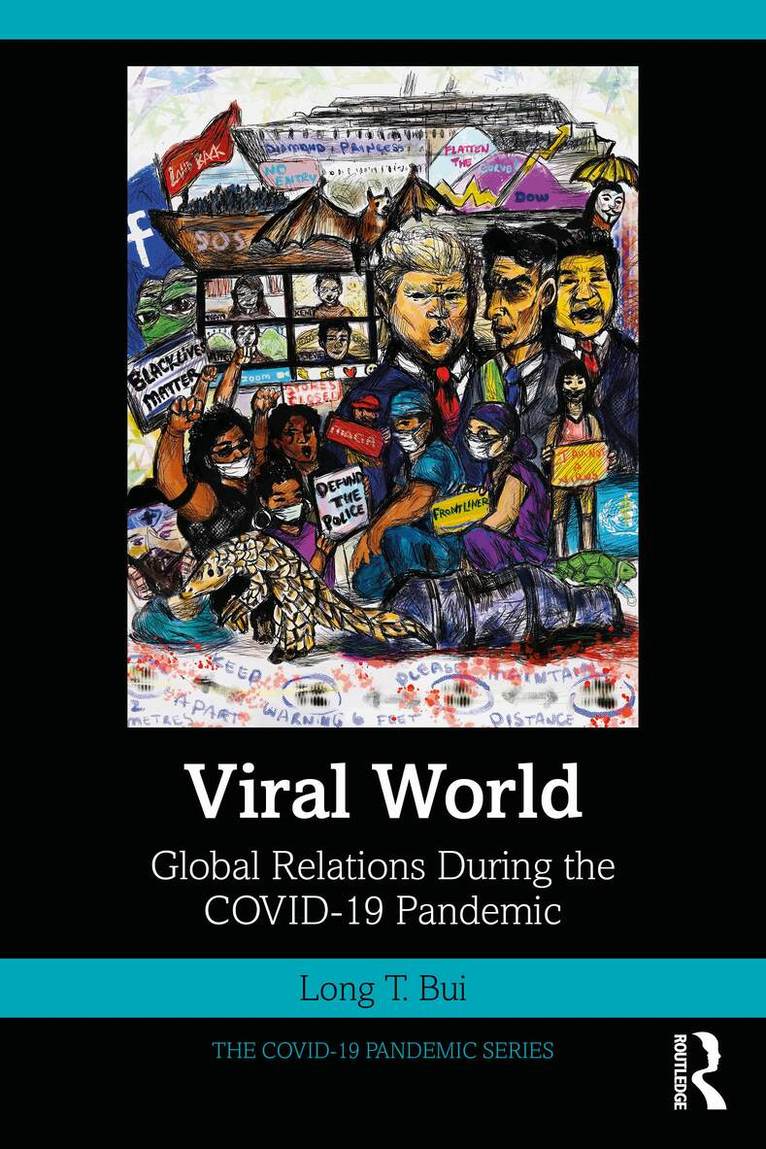
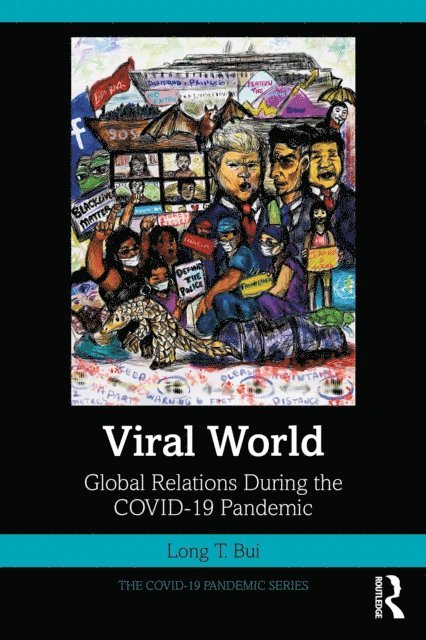
This book argues that the catastrophe of COVID-19 provided a momentous time for groups, institutions, and states to reassess their worldviews and relationship to the entire world. Following multiple case studies across dozens of countries throughout the course of the pandemic, this book is a timely contribution to cultural knowledge about the pandemic and the viral politics at the heart of it. Mapping the various forms of global consciousness and connectivity engendered by the crisis, the book offers the framework of "viral worlding," defined as viral forms of relationality, becoming, and communication. It demonstrates how worlding or world-making processes accelerated with the novel coronavirus. New emergent forms of being global "went viral" to address conditions of inequality as well as forge possibilities for societal transformation. Considering the tumult wrought by the pandemic, Bui analyzes progressive movements for democracy, abolition, feminism, environmentalism, and socialism against the world-shattering forces of capitalism, authoritarianism, racism, and militarism. Focusing on ways the pandemic disproportionately impacted marginalized communities, particularly in the Global South, this book juxtaposes the closing of their lifeworlds and social worlds by hegemonic global actors with increased collective demands for freedom, mobility, and justice by vulnerable people. The breadth and depth of the book thus provides students, scholars, and general readers with critical insights to understanding the world(s) of COVID-19 and collective efforts to build better new ones.
587 kr
Skickas inom 10-15 vardagar
This book argues that the catastrophe of COVID-19 provided a momentous time for groups, institutions, and states to reassess their worldviews and relationship to the entire world. Following multiple case studies across dozens of countries throughout the course of the pandemic, this book is a timely contribution to cultural knowledge about the pandemic and the viral politics at the heart of it. Mapping the various forms of global consciousness and connectivity engendered by the crisis, the book offers the framework of "viral worlding," defined as viral forms of relationality, becoming, and communication. It demonstrates how worlding or world-making processes accelerated with the novel coronavirus. New emergent forms of being global "went viral" to address conditions of inequality as well as forge possibilities for societal transformation. Considering the tumult wrought by the pandemic, Bui analyzes progressive movements for democracy, abolition, feminism, environmentalism, and socialism against the world-shattering forces of capitalism, authoritarianism, racism, and militarism. Focusing on ways the pandemic disproportionately impacted marginalized communities, particularly in the Global South, this book juxtaposes the closing of their lifeworlds and social worlds by hegemonic global actors with increased collective demands for freedom, mobility, and justice by vulnerable people. The breadth and depth of the book thus provides students, scholars, and general readers with critical insights to understanding the world(s) of COVID-19 and collective efforts to build better new ones.
1 214 kr
Skickas inom 5-8 vardagar
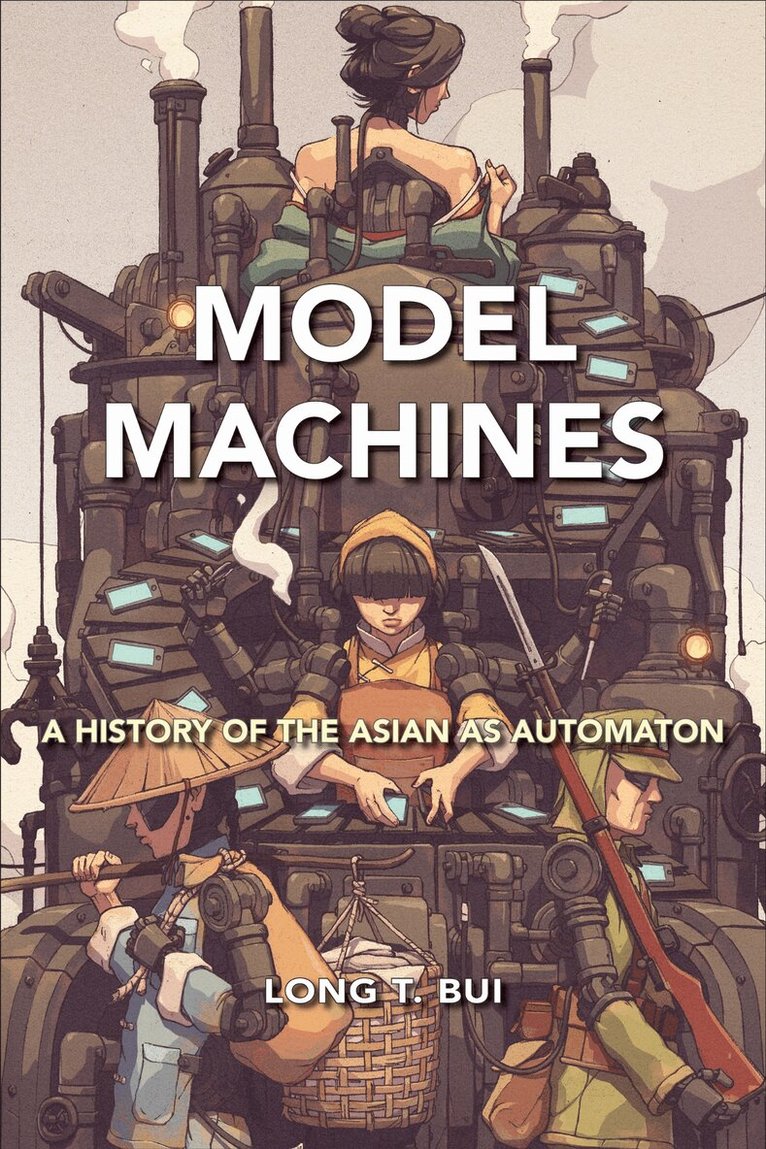
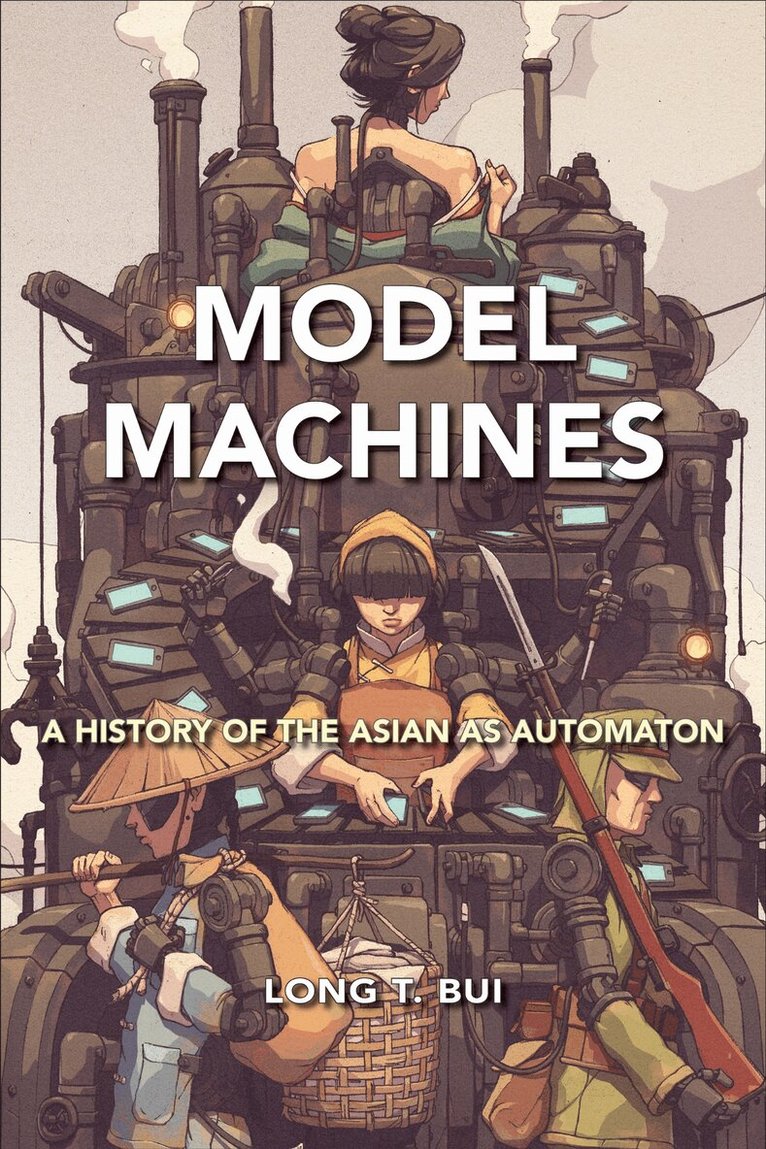
In the contemporary Western imagination, Asian people are frequently described as automatons, which disavows their humanity. In Model Machines, Long Bui investigates what he calls Asian roboticism or the ways Asians embody the machine and are given robotic characteristics. Bui offers the first historical overview of the overlapping racialization of Asians and Asian Americans through their conflation with the robot-machine nexus. He puts forth the concept of the “model machine myth,” which holds specific queries about personhood, citizenship, labor, and rights in the transnational making of Asian/America. The case studies in Model Machines chart the representation of Chinese laborers, Japanese soldiers, Asian sex workers, and other examples to show how Asians are reimagined to be model machines as a product of globalization, racism, and colonialism. Moreover, it offers examples of how artists and everyday people resisted that stereotype to consider different ways of being human. Starting from the early nineteenth century, the book ends in the present with the new millennium, where the resurgence of China presages the “rise of the machines” and all the doomsday scenarios this might spell for global humanity at large.
405 kr
Skickas inom 5-8 vardagar
In the contemporary Western imagination, Asian people are frequently described as automatons, which disavows their humanity. In Model Machines, Long Bui investigates what he calls Asian roboticism or the ways Asians embody the machine and are given robotic characteristics. Bui offers the first historical overview of the overlapping racialization of Asians and Asian Americans through their conflation with the robot-machine nexus. He puts forth the concept of the “model machine myth,” which holds specific queries about personhood, citizenship, labor, and rights in the transnational making of Asian/America. The case studies in Model Machines chart the representation of Chinese laborers, Japanese soldiers, Asian sex workers, and other examples to show how Asians are reimagined to be model machines as a product of globalization, racism, and colonialism. Moreover, it offers examples of how artists and everyday people resisted that stereotype to consider different ways of being human. Starting from the early nineteenth century, the book ends in the present with the new millennium, where the resurgence of China presages the “rise of the machines” and all the doomsday scenarios this might spell for global humanity at large.
995 kr
Skickas inom 10-15 vardagar
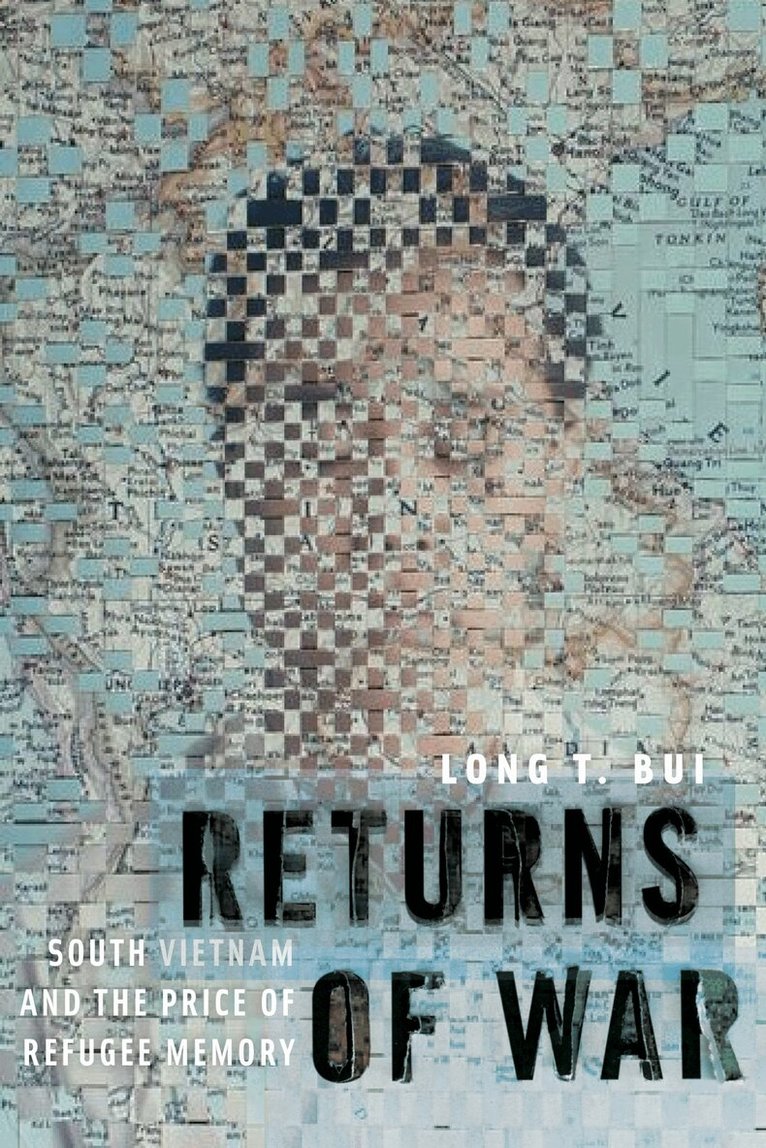
The legacy and memory of wartime South Vietnam through the eyes of Vietnamese refugees In 1975, South Vietnam fell to communism, marking a stunning conclusion to the Vietnam War. Although this former ally of the United States has vanished from the world map, Long T. Bui maintains that its memory endures for refugees with a strong attachment to this ghost country. Blending ethnography with oral history, archival research, and cultural analysis, Returns of War considers how the historical legacy of a nation that only existed for twenty years is being kept alive by its dispersed stateless exiles. Returns of War argues that Vietnamization--as Richard Nixon termed it in 1969--and the end of South Vietnam signals more than an example of flawed American military strategy, but a larger allegory of power, providing cover for U.S. imperial losses while denoting the inability of the (South) Vietnamese and other colonized nations to become independent, modern liberal subjects. Bui argues that the collapse of South Vietnam under Vietnamization complicates the already difficult memory of the Vietnam War, pushing for a critical understanding of South Vietnamese agency beyond their status as the war's ultimate "losers." Examining the lasting impact of Cold War military policy and culture upon the "Vietnamized" afterlife of war, this book weaves questions of national identity, sovereignty, and self-determination to consider the generative possibilities of theorizing South Vietnam as an incomplete, ongoing search for political and personal freedom.
377 kr
Skickas inom 5-8 vardagar
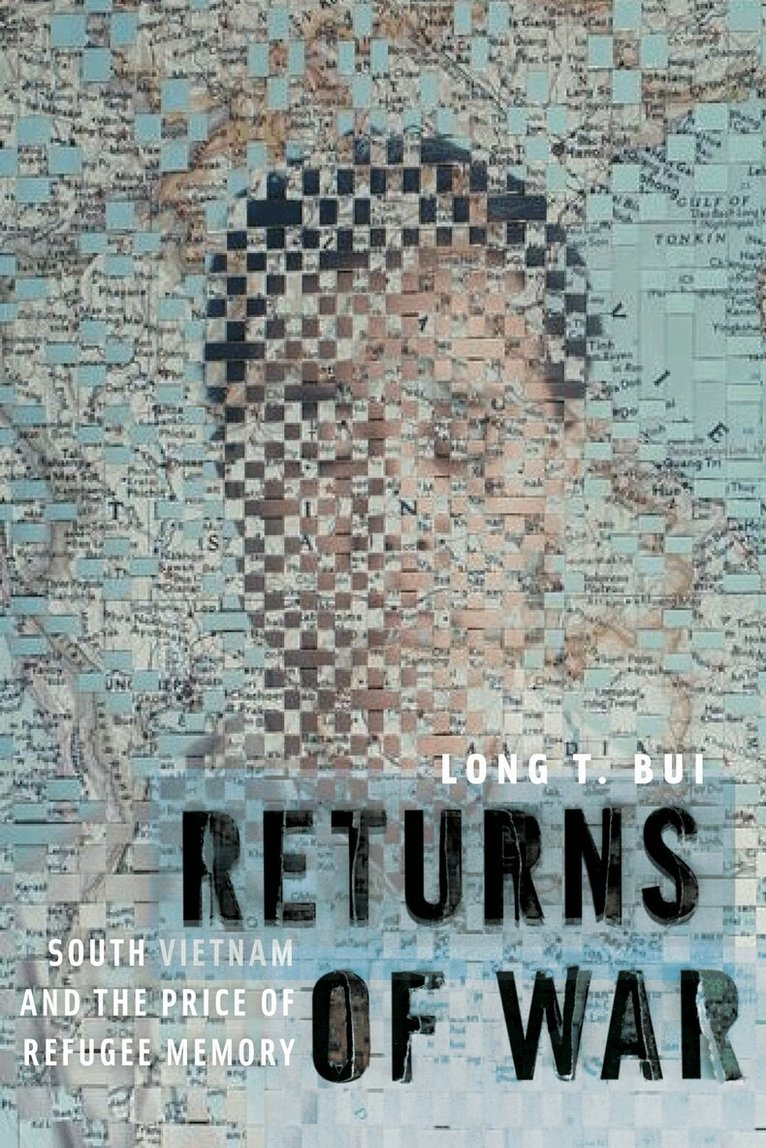
The legacy and memory of wartime South Vietnam through the eyes of Vietnamese refugees In 1975, South Vietnam fell to communism, marking a stunning conclusion to the Vietnam War. Although this former ally of the United States has vanished from the world map, Long T. Bui maintains that its memory endures for refugees with a strong attachment to this ghost country. Blending ethnography with oral history, archival research, and cultural analysis, Returns of War considers how the historical legacy of a nation that only existed for twenty years is being kept alive by its dispersed stateless exiles. Returns of War argues that Vietnamization--as Richard Nixon termed it in 1969--and the end of South Vietnam signals more than an example of flawed American military strategy, but a larger allegory of power, providing cover for U.S. imperial losses while denoting the inability of the (South) Vietnamese and other colonized nations to become independent, modern liberal subjects. Bui argues that the collapse of South Vietnam under Vietnamization complicates the already difficult memory of the Vietnam War, pushing for a critical understanding of South Vietnamese agency beyond their status as the war's ultimate "losers." Examining the lasting impact of Cold War military policy and culture upon the "Vietnamized" afterlife of war, this book weaves questions of national identity, sovereignty, and self-determination to consider the generative possibilities of theorizing South Vietnam as an incomplete, ongoing search for political and personal freedom.