Lorin W. Anderson – författare
706 kr
Skickas inom 10-15 vardagar
935 kr
Skickas inom 3-6 vardagar
"The authors skillfully present the many ways a PAR approach can be tailored to a given district or school. This book provides a wealth of material to assist any principal, school, or district with its teacher improvement needs." Peter Airasian, Professor Boston College Boston, MA
"If you are ready for peer review, Anderson and Pellicer offer the model. If you are trying to make the decision, Teacher Peer Assistance and Review offers a realistic look at the pros and cons, the do's and don'ts of this hot topic. A wonderful and unique addition to the literature! Anna Hicks McFadden Department of Educational Leadership and Foundations Western Carolina University
"Anderson and Pellicer offer a thoughtful and fair analysis of peer review as it relates to teaching performance. This is the place to start if improving the overall quality of instruction is important in your school district." Dal Lawrence, Past President Toledo Federation of Teachers Toledo, OH
"In their book, Teacher Peer Assistance and Review, Anderson and Pellicer present a compelling case for involving teachers in the instructional supervision process. They also point out the challenges associated with peer assistance and review and provide the reader with a step-by-step guide for overcoming them. Written in a clear, straightforward style, this book is a must-read for teachers, administrators, and policymakers who are serious about implementing effective peer assistance and review programs." Aretha B. Pigford, Chair Department of Educational Leadership and Human Services Florida A&M University
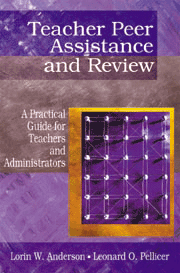
Elementary and secondary educators are discovering what higher education faculty have always known—Peer Assistance and Review (PAR) programs work! Both new and veteran teachers can improve and update their knowledge and skills by linking with "consulting" teachers who provide support through observation, modeling, and sharing of information. PAR programs can strengthen teacher professionalism, improve teacher quality, and ultimately enhance student learning, if done well.
Anderson and Pellicer, two nationally renowned educators, chart a course for developing and implementing an effective PAR program based on long-standing successful programs. Easy-to-read sections highlight:
What is teacher peer assistance and review? Ten essential questions to ask before you begin Criteria, standards, and data Key players and their roles, relationships, and responsibilities Reporting and using the resultsUseful Web sites, sample forms, job descriptions, and applications, and an example of an educational policy trust agreement offer practical how-to help. Both administrators and teachers interested in understanding and incorporating a Peer Assistance Review program will find this book an essential guide.
1 184 kr
Skickas inom 3-6 vardagar
"The authors skillfully present the many ways a PAR approach can be tailored to a given district or school. This book provides a wealth of material to assist any principal, school, or district with its teacher improvement needs." Peter Airasian, Professor Boston College
"If you are ready for peer review, Anderson and Pellicer offer the model. If you are trying to make the decision, Teacher Peer Assistance and Review offers a realistic look at the pros and cons, the do's and don'ts of this hot topic. A wonderful and unique addition to the literature!" Anna Hicks McFadden, Department of Educational Leadership and Foundations Western Carolina University
"Anderson and Pellicer offer a thoughtful and fair analysis of peer review as it relates to teaching performance. This is the place to start if improving the overall quality of instruction is important in your school district." Dal Lawrence, Former President Toledo Federation of Teachers Toledo, OH
"In their book, Teacher Peer Assistance and Review, Anderson and Pellicer present a compelling case for involving teachers in the instructional supervision process. They also point out the challenges associated with peer assistance and review and provide the reader with a step-by-step guide for overcoming them. Written in a clear, straightforward style, this book is a must-read for teachers, administrators, and policymakers who are serious about implementing effective peer assistance and review programs." Aretha B. Pigford, Chair Department of Educational Leadership and Human Services Florida A&M University
Improve education through teacher partnerships!
Elementary and secondary educators are discovering what higher education faculty have always known—Peer Assistance and Review (PAR) programs work! Both new and veteran teachers can improve and update their knowledge and skills by linking with "consulting" teachers who provide support through observation, modeling, and sharing of information. PAR programs can strengthen teacher professionalism, improve teacher quality, and ultimately enhance student learning, if done well.
Anderson and Pellicer, two nationally renowned educators, chart a course for developing and implementing an effective PAR program based on long-standing, successful programs. Easy-to-read sections highlight:
Components of successful teacher peer assistance and review programs Ten essential questions to ask before you begin Criteria, standards, and data Key players and their roles, relationships, and responsibilities Reporting and using the results Best practices from accomplished programsUseful Web sites, sample forms, job descriptions and applications, and an example of an educational policy trust agreement offer practical, how-to help. Both administrators and teachers interested in understanding and incorporating a Peer Assistance and Review program will find this book an essential guide.

587 kr
Skickas inom 3-6 vardagar
"The authors skillfully present the many ways a PAR approach can be tailored to a given district or school. This book provides a wealth of material to assist any principal, school, or district with its teacher improvement needs." Peter Airasian, Professor Boston College
"If you are ready for peer review, Anderson and Pellicer offer the model. If you are trying to make the decision, Teacher Peer Assistance and Review offers a realistic look at the pros and cons, the do's and don'ts of this hot topic. A wonderful and unique addition to the literature!" Anna Hicks McFadden, Department of Educational Leadership and Foundations Western Carolina University
"Anderson and Pellicer offer a thoughtful and fair analysis of peer review as it relates to teaching performance. This is the place to start if improving the overall quality of instruction is important in your school district." Dal Lawrence, Former President Toledo Federation of Teachers Toledo, OH
"In their book, Teacher Peer Assistance and Review, Anderson and Pellicer present a compelling case for involving teachers in the instructional supervision process. They also point out the challenges associated with peer assistance and review and provide the reader with a step-by-step guide for overcoming them. Written in a clear, straightforward style, this book is a must-read for teachers, administrators, and policymakers who are serious about implementing effective peer assistance and review programs." Aretha B. Pigford, Chair Department of Educational Leadership and Human Services Florida A&M University
Improve education through teacher partnerships!
Elementary and secondary educators are discovering what higher education faculty have always known—Peer Assistance and Review (PAR) programs work! Both new and veteran teachers can improve and update their knowledge and skills by linking with "consulting" teachers who provide support through observation, modeling, and sharing of information. PAR programs can strengthen teacher professionalism, improve teacher quality, and ultimately enhance student learning, if done well.
Anderson and Pellicer, two nationally renowned educators, chart a course for developing and implementing an effective PAR program based on long-standing, successful programs. Easy-to-read sections highlight:
Components of successful teacher peer assistance and review programs Ten essential questions to ask before you begin Criteria, standards, and data Key players and their roles, relationships, and responsibilities Reporting and using the results Best practices from accomplished programsUseful Web sites, sample forms, job descriptions and applications, and an example of an educational policy trust agreement offer practical, how-to help. Both administrators and teachers interested in understanding and incorporating a Peer Assistance and Review program will find this book an essential guide.
2 077 kr
Skickas inom 10-15 vardagar
781 kr
Skickas inom 10-15 vardagar
648 kr
Skickas inom 10-15 vardagar
820 kr
Läs direkt efter köp
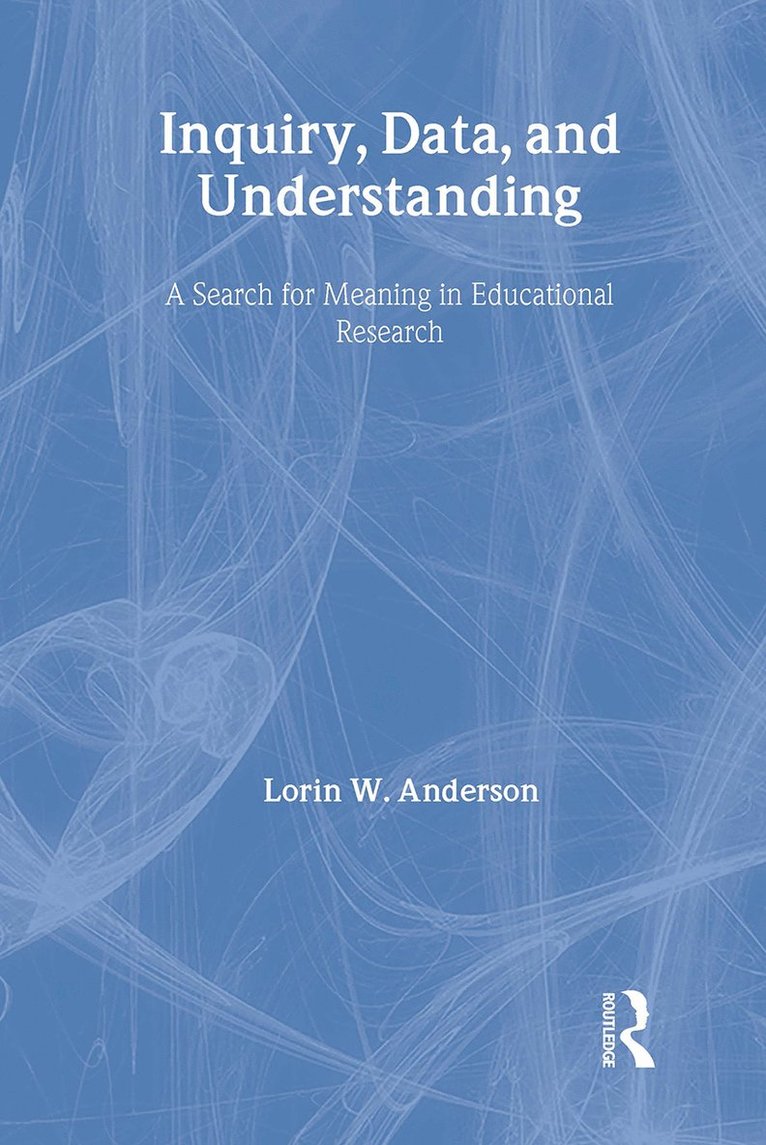
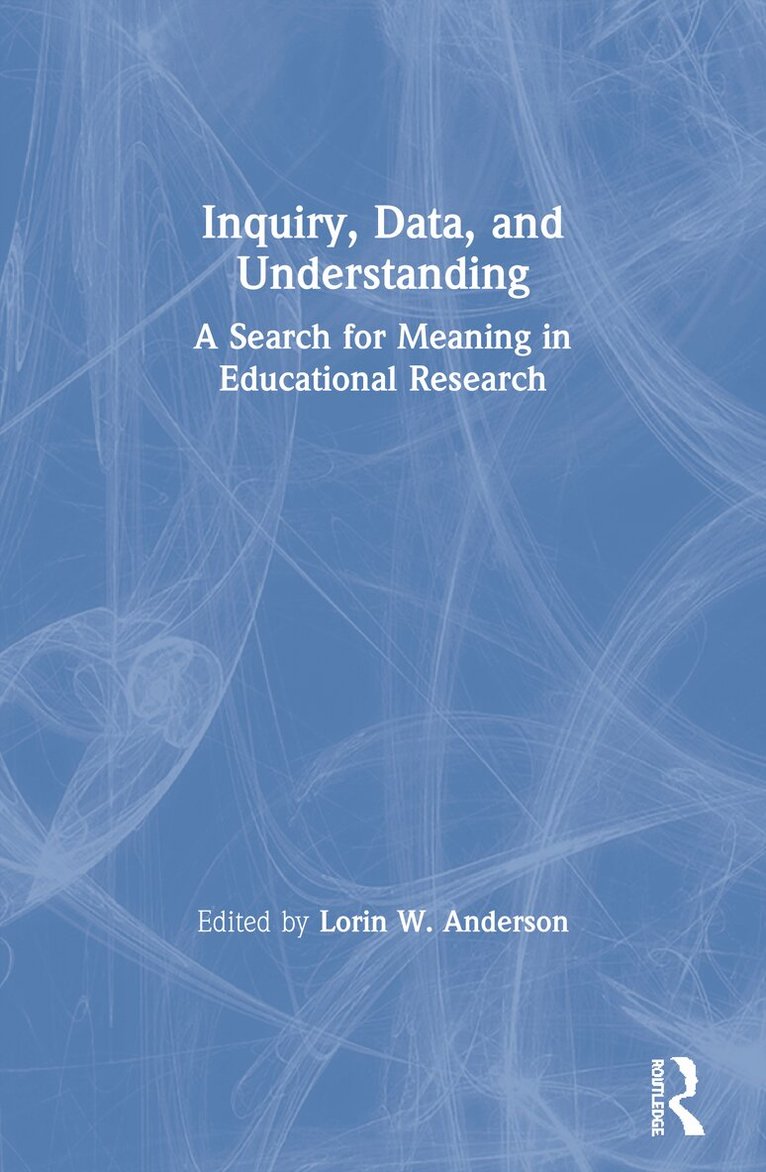
Inquiry, Data, and Understanding is a reflective collection of papers in which Lorin Anderson offers his personal perspective on developments in educational research over thirty years. Following an introductory chapter, in which educational research is defined as disciplined inquiry, the remaining chapters are divided into four sections: time and learning, factors influencing educational effectiveness, international perspectives, and the nature and purpose of educational research. Each section contains an introduction that places the chapters in that section in a historical and personal context. The fourth section, which concludes the book, summarises four lessons that were learned about becoming a researcher. Based on these lessons, the final chapter describes four needs that must be met if school and classroom research is to move forward: * The need for concept-based research* The need to put students back into the equation* The need to stop focusing on correlates of student achievement* The need for research on alterable variables.
820 kr
Läs direkt efter köp
Inquiry, Data, and Understanding is a reflective collection of papers in which Lorin Anderson offers his personal perspective on developments in educational research over thirty years. Following an introductory chapter, in which educational research is defined as disciplined inquiry, the remaining chapters are divided into four sections: time and learning, factors influencing educational effectiveness, international perspectives, and the nature and purpose of educational research. Each section contains an introduction that places the chapters in that section in a historical and personal context. The fourth section, which concludes the book, summarises four lessons that were learned about becoming a researcher. Based on these lessons, the final chapter describes four needs that must be met if school and classroom research is to move forward: * The need for concept-based research* The need to put students back into the equation* The need to stop focusing on correlates of student achievement* The need for research on alterable variables.
757 kr
Läs direkt efter köp
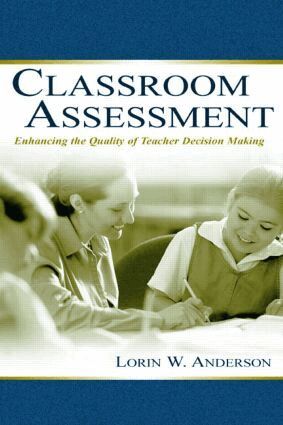
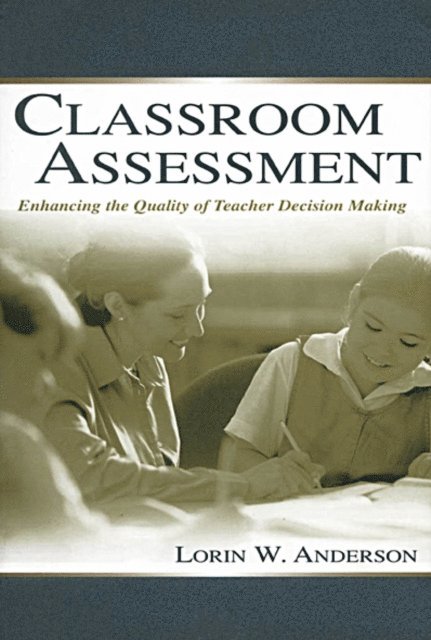
This book is based on the belief that decision making is perhaps the most critical of all teaching skills and that good assessments lie at the core of good decision making. To become better teachers then, teachers must learn to make informed decisions about both individual students (learning decisions) and about groups of students (teaching decisions). This book gives equal status to both types of decisions and shows how assessment is integral to both. The organization of the book is sequential, mirroring the way in which information should be used to make decisions. It begins with a conceptual framework linking information to decision making, then moves to the design of assessment instruments and the collection of assessment information, then to the interpretation of assessment information and, finally, to reporting the results of both the assessment and the decision-making process. There is an emphasis throughout on linking why teachers assess with what and how they assess. Other key features include: * Practical Framework -- The book''s framework corresponds to the framework that teachers use to grade their students: conduct (classroom behavior), effort (student motivation), and achievement (student learning). * Unique Chapters -- There are separate chapters on interpreting assessment information prior to decision making and on reporting assessment information to parents, teachers, and administrators. * Flexibility -- Because of its modest length and price, and its practical focus on the links between assessment and everyday teacher decision making, this text can be used either in full-length assessment courses for teachers or to teach the assessment units in educational psychology or integrated methods courses.
764 kr
Läs direkt efter köp
This book is based on the belief that decision making is perhaps the most critical of all teaching skills and that good assessments lie at the core of good decision making. To become better teachers then, teachers must learn to make informed decisions about both individual students (learning decisions) and about groups of students (teaching decisions). This book gives equal status to both types of decisions and shows how assessment is integral to both. The organization of the book is sequential, mirroring the way in which information should be used to make decisions. It begins with a conceptual framework linking information to decision making, then moves to the design of assessment instruments and the collection of assessment information, then to the interpretation of assessment information and, finally, to reporting the results of both the assessment and the decision-making process. There is an emphasis throughout on linking why teachers assess with what and how they assess. Other key features include: * Practical Framework -- The book''s framework corresponds to the framework that teachers use to grade their students: conduct (classroom behavior), effort (student motivation), and achievement (student learning). * Unique Chapters -- There are separate chapters on interpreting assessment information prior to decision making and on reporting assessment information to parents, teachers, and administrators. * Flexibility -- Because of its modest length and price, and its practical focus on the links between assessment and everyday teacher decision making, this text can be used either in full-length assessment courses for teachers or to teach the assessment units in educational psychology or integrated methods courses.
923 kr
Läs direkt efter köp
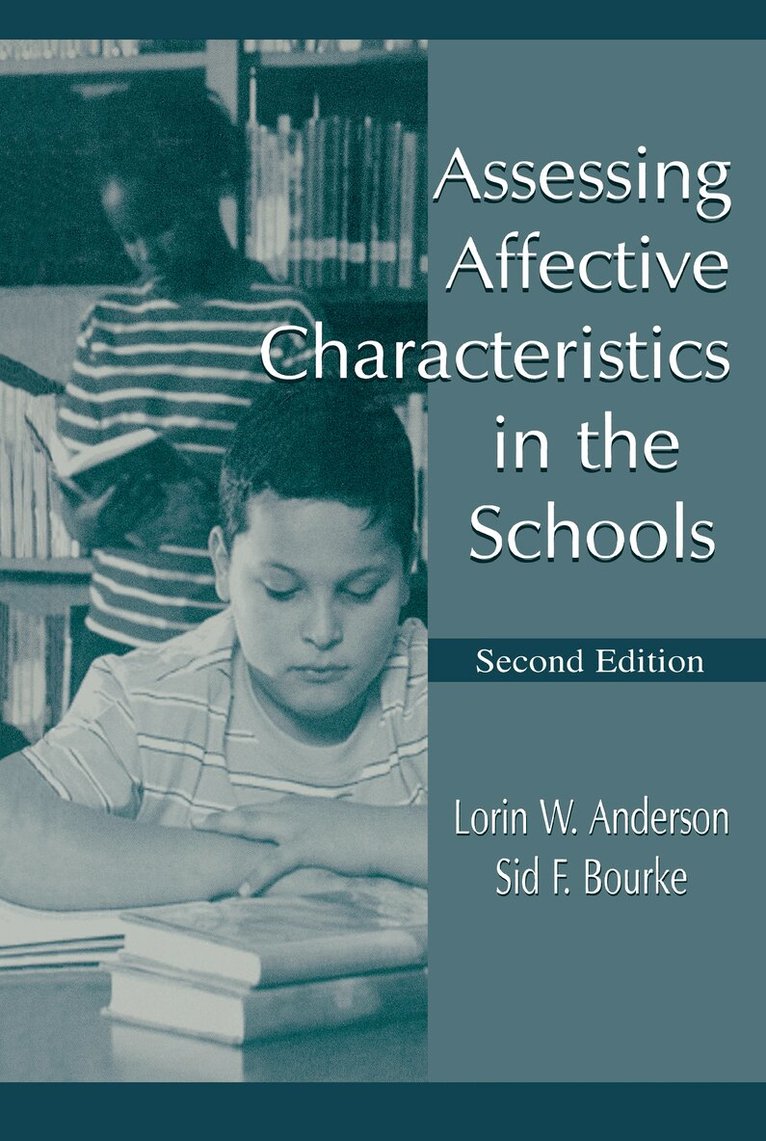
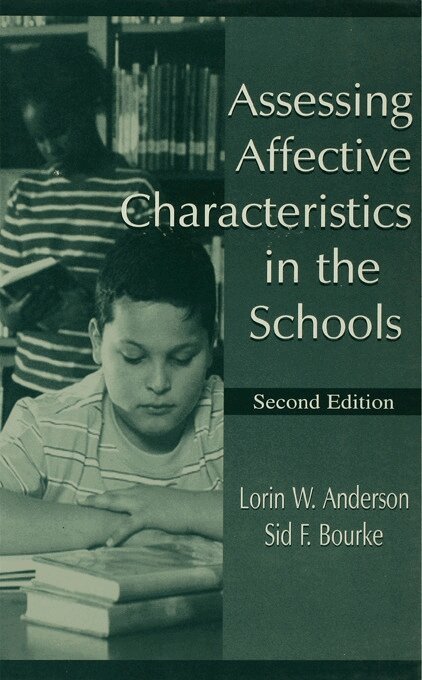
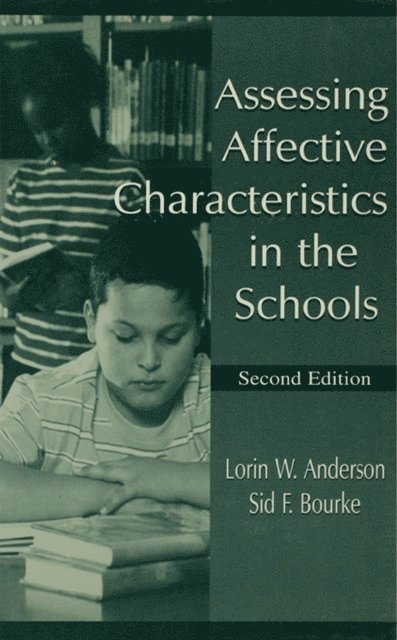
The affective realm is a critical, but often forgotten, aspect of schooling. The development of character and the formation of appropriate learning environments rely to a large extent on understanding the affective nature of students. Even when the focus is on cognitive achievement, affect has a role to play. Teachers frequently mention a lack of motivation as a primary reason for students not achieving as well as they should or as well as their teachers would like. Despite the importance of affect, educators rarely make an effort to systematically collect and use information about students'' affective characteristics to better understand students and to substantially improve the quality of education they receive. This book''s purpose is to provide educators with the knowledge and skills they need to design and select instruments that can be used to gather information about students'' affective characteristics. Once valid and reliable information has been gathered, it can be used to aid in understanding and to improve educational quality. The second edition features: * an updated list of affective characteristics (i.e., attitudes, values, interests, self-esteem, self-efficacy, locus of control) * a dual emphasis on selecting and designing affective assessment instruments * an emphasis on multi-scale instruments (i.e., a single instrument with multiple affective scales) * the use of a single small data set to illustrate and foster understanding of key concepts and procedures * a dual emphasis on data about individual students and groups of students * a dual focus on the instrumental value of affective data and the inherent value of affective data (i.e., affect is valuable in and of itself)
915 kr
Läs direkt efter köp
The affective realm is a critical, but often forgotten, aspect of schooling. The development of character and the formation of appropriate learning environments rely to a large extent on understanding the affective nature of students. Even when the focus is on cognitive achievement, affect has a role to play. Teachers frequently mention a lack of motivation as a primary reason for students not achieving as well as they should or as well as their teachers would like. Despite the importance of affect, educators rarely make an effort to systematically collect and use information about students'' affective characteristics to better understand students and to substantially improve the quality of education they receive. This book''s purpose is to provide educators with the knowledge and skills they need to design and select instruments that can be used to gather information about students'' affective characteristics. Once valid and reliable information has been gathered, it can be used to aid in understanding and to improve educational quality. The second edition features: * an updated list of affective characteristics (i.e., attitudes, values, interests, self-esteem, self-efficacy, locus of control) * a dual emphasis on selecting and designing affective assessment instruments * an emphasis on multi-scale instruments (i.e., a single instrument with multiple affective scales) * the use of a single small data set to illustrate and foster understanding of key concepts and procedures * a dual emphasis on data about individual students and groups of students * a dual focus on the instrumental value of affective data and the inherent value of affective data (i.e., affect is valuable in and of itself)
1 995 kr
Tillfälligt slut