Louis Fisher – författare
Visar alla böcker från författaren Louis Fisher. Handla med fri frakt och snabb leverans.
49 produkter
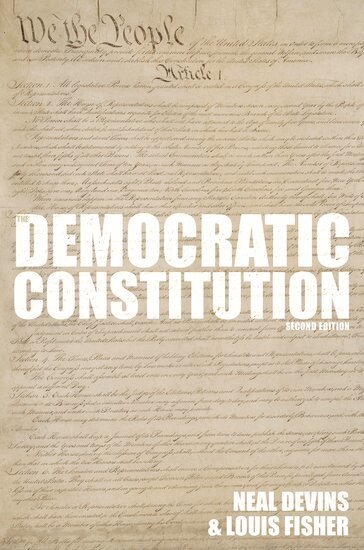
Democratic Constitution, 2nd Edition
E-bok, 2015
726 kr
Lägg i varukorg
Constitutional law is clearly shaped by judicial actors. But who else contributes? Scholars in the past have recognized that the legislative branch plays a significant role in determining structural issues, such as separation of powers and federalism, but stopped there--claiming that only courts …
Democratic Constitution
E-bok, 2004
375 kr
Lägg i varukorg
In this fascinating debunking of judicial supremacy, Devins and Fisher argue that nonjudicial contributions to constitutional interpretation make the Constitution more stable, more consistent with constitutional principles, and more protective of individual and minority rights. This highly readable …
Democratic Constitution, 2nd Edition
E-bok, 2015
726 kr
Lägg i varukorg
Constitutional law is clearly shaped by judicial actors. But who else contributes? Scholars in the past have recognized that the legislative branch plays a significant role in determining structural issues, such as separation of powers and federalism, but stopped there--claiming that only courts …
Democratic Constitution
E-bok, 2004
305 kr
Lägg i varukorg
In this fascinating debunking of judicial supremacy, Devins and Fisher argue that nonjudicial contributions to constitutional interpretation make the Constitution more stable, more consistent with constitutional principles, and more protective of individual and minority rights. This highly readable …
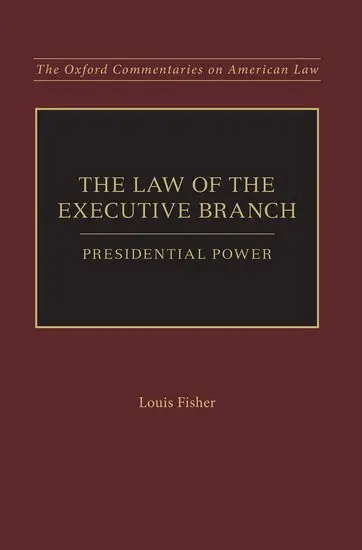
The Law of the Executive Branch
Presidential Power
Av Louis Fisher
Häftad, 2016
958 kr
Lägg i varukorg
The scope of presidential authority has been a constant focus of constitutional dispute since the Framing. The bases for presidential appointment and removal, the responsibility of the Executive to choose between the will of Congress and the President, the extent of unitary powers over the …
The Law of the Executive Branch
Presidential Power
Av Louis Fisher
Inbunden, 2014
2501 kr
Lägg i varukorg
The scope of presidential authority has been a constant focus of constitutional dispute since the Framing. The bases for presidential appointment and removal, the responsibility of the Executive to choose between the will of Congress and the President, the extent of unitary powers over the …
The Democratic Constitution, 2nd Edition
Häftad, 2015
1042 kr
Lägg i varukorg
Constitutional law is clearly shaped by judicial actors. But who else contributes? Scholars in the past have recognized that the legislative branch plays a significant role in determining structural issues, such as separation of powers and federalism, but stopped there--claiming that only courts …
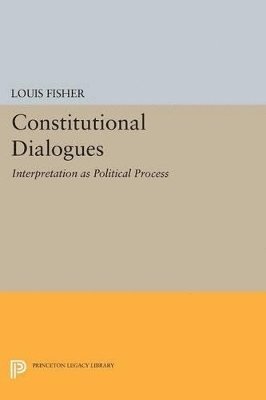
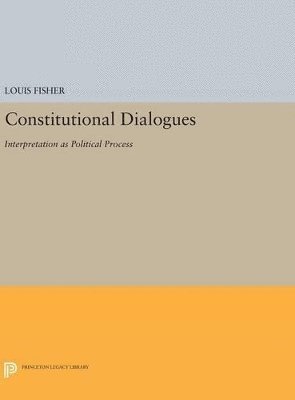
Constitutional Dialogues
Interpretation as Political Process
Av Louis Fisher
Häftad, 2014
807 kr
Lägg i varukorg
Who makes constitutional law? Is constitutional doctrine the monopoly of the courts? In accessible and persuasive prose Louis Fisher explains that constitutional law is not solely or even primarily the Supreme Court's "final word" but rather a richly political convergence of separate …
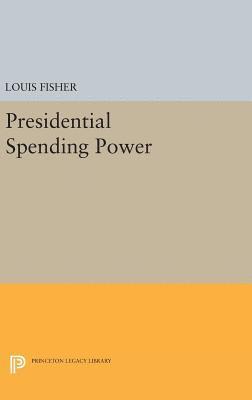
Presidential Spending Power
Av Louis Fisher
Häftad, 2015
1100 kr
Lägg i varukorg
Each year billions of dollars are diverted by the President and his assistants from the purposes for which Congress intended them. Billions more are used in confidential and covert ways, without the knowledge of Congress and the public. Here is the first account of how this money is actually spent. …
Constitutional Dialogues
Interpretation as Political Process
Av Louis Fisher
Inbunden, 2016
2124 kr
Lägg i varukorg
Who makes constitutional law? Is constitutional doctrine the monopoly of the courts? In accessible and persuasive prose Louis Fisher explains that constitutional law is not solely or even primarily the Supreme Court's "final word" but rather a richly political convergence of separate …
Presidential Spending Power
Av Louis Fisher
Inbunden, 2016
2687 kr
Lägg i varukorg
Each year billions of dollars are diverted by the President and his assistants from the purposes for which Congress intended them. Billions more are used in confidential and covert ways, without the knowledge of Congress and the public. Here is the first account of how this money is actually spent. …
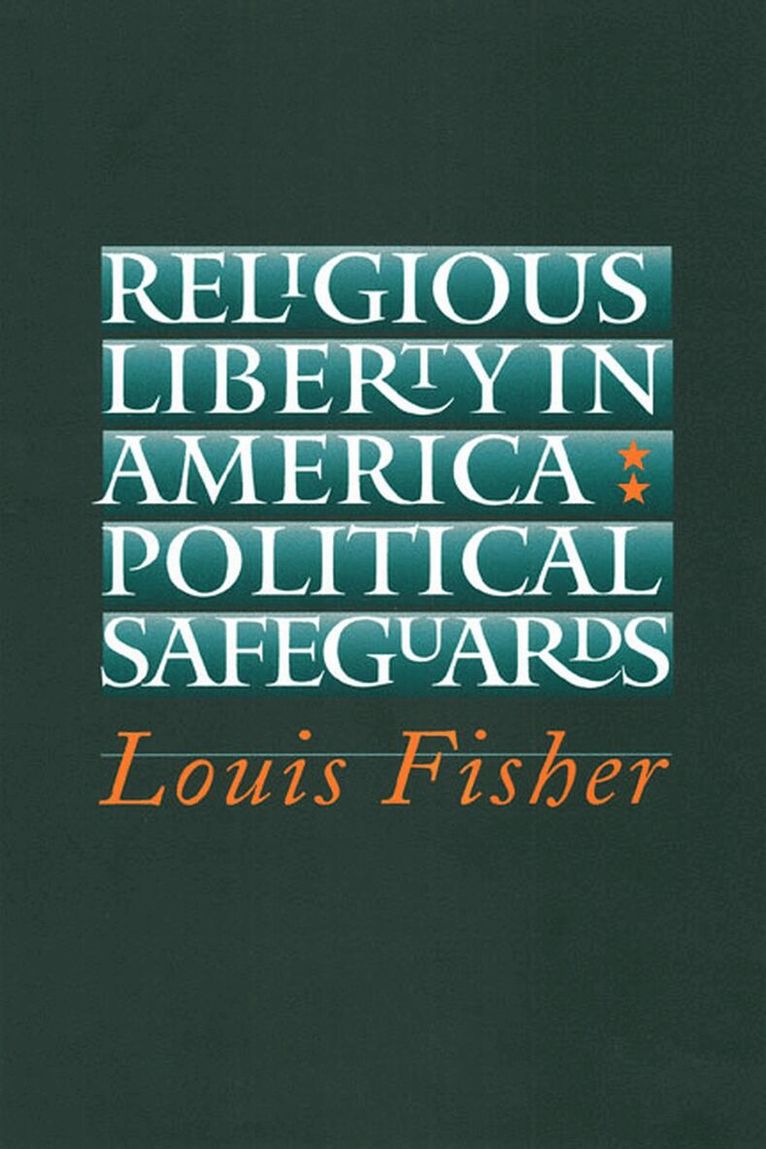
Religious Liberty in America
Political Safeguards
Av Louis Fisher
Häftad, 2002
331 kr
Lägg i varukorg
It is often assumed that the judiciary - especially the Supreme Court - provides the best protection of religious freedom in the USA. Louis Fisher, however, argues that only on occasion does the Court lead the charge for minority rights. More likely it is seen pulling up the rear. By contrast, …
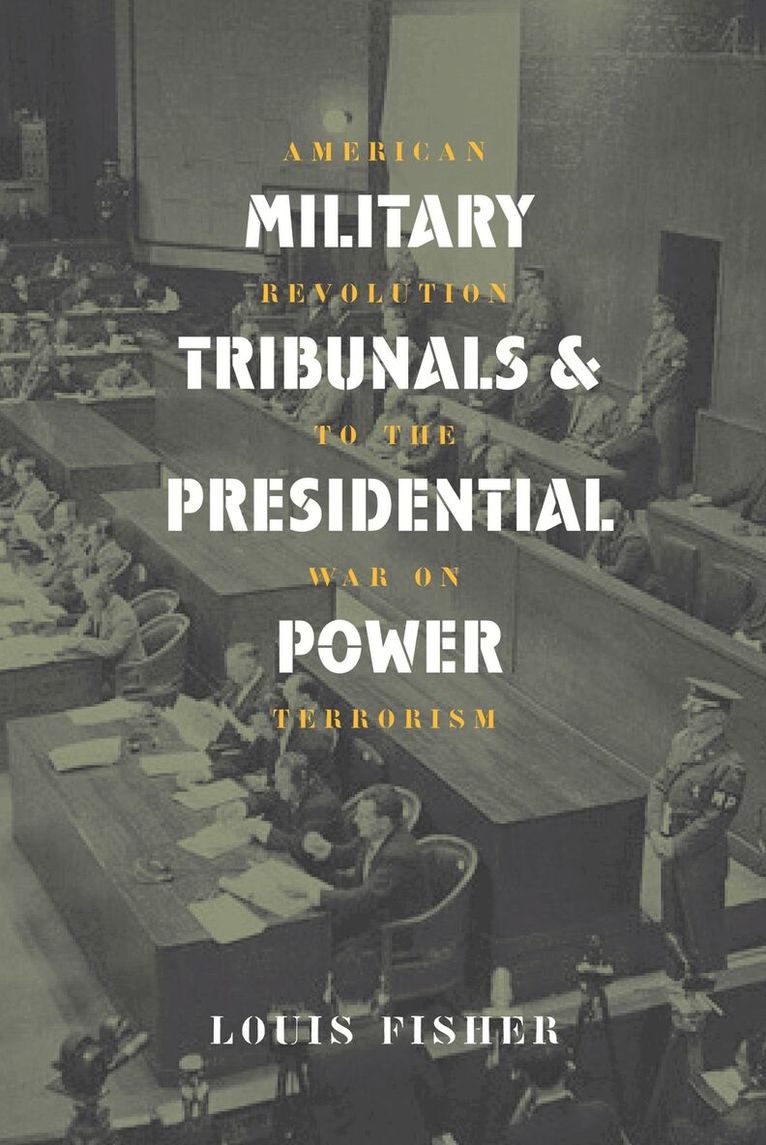
Military Tribunals and Presidential Power
American Revolution to the War on Terrorism
Av Louis Fisher
Häftad, 2005
304 kr
Lägg i varukorg
Offers coverage of wartime extra-legal courts. Focusing on those periods when the Constitution and civil liberties have been most severely tested by threats to national security, Fisher critiques tribunals called during the presidencies of Washington, Madison, Jackson, Lincoln, Andrew Johnson, …
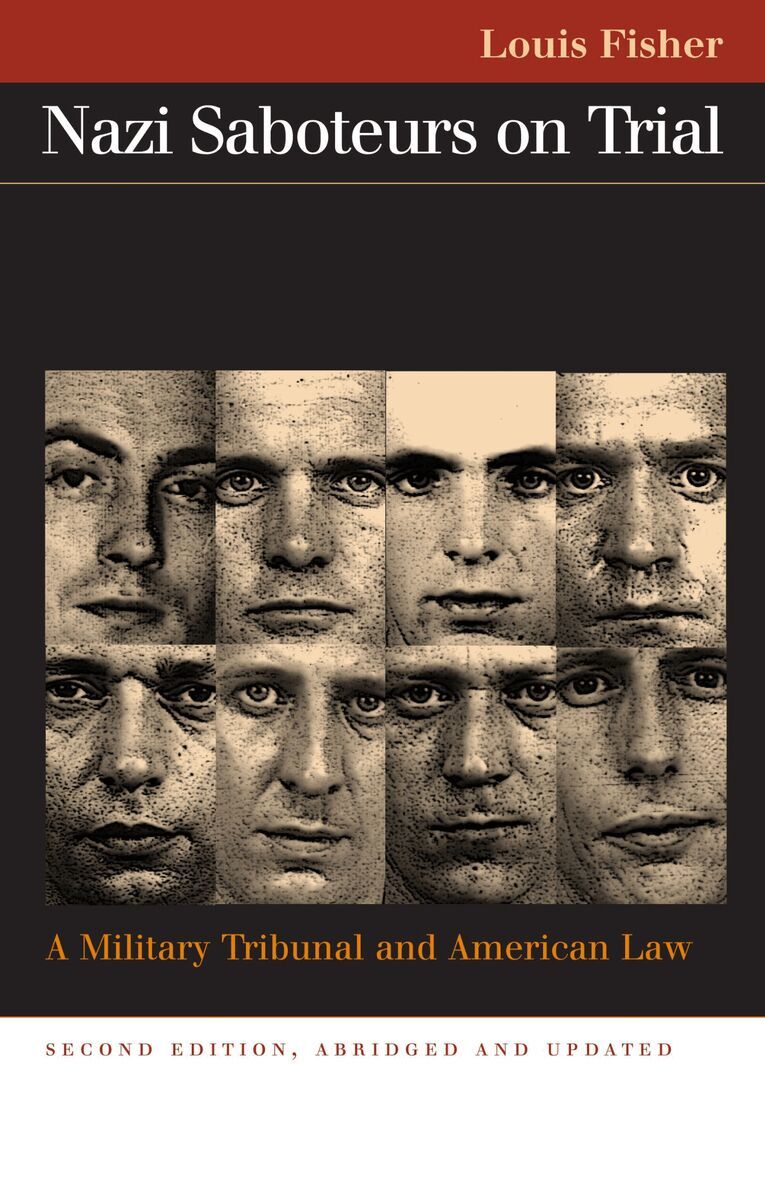
Nazi Saboteurs on Trial
A Military Tribunal and American Law
Av Louis Fisher
Häftad, 2005
304 kr
Lägg i varukorg
In 1942, eight Germans landed on US shores bent on sabotage. Louis Fisher chronicles their capture, trial, and punishment in order to examine the extent to which procedural rights are suspended in time of war. He analyzes the Supreme Court decision Ex parte Quirin (1942), reconstructing the rush to …
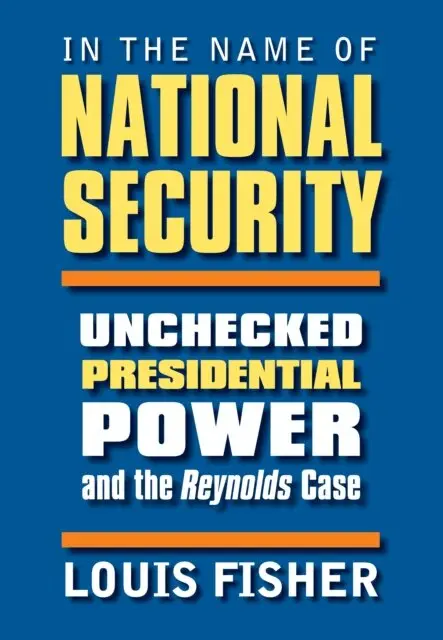
In the Name of National Security
Unchecked Presidential Power and the Reynolds Case
Av Louis Fisher
Inbunden, 2006
577 kr
Lägg i varukorg
When a B-29 bomber exploded over Georgia in 1948, the victims' families were denied access to crucial information relating to the accident because the federal government claimed such access would endanger national security. When the Supreme Court upheld that claim in United States v. Reynolds …
Constitution and 9/11
Recurring Threats to America's Freedoms
Av Louis Fisher
Häftad, 2008
415 kr
Lägg i varukorg
The announced purpose of U.S. antiterrorist policies after 9/11 was to bring democracy and the rule of law to the Middle East. At home, those values were regularly threatened by illegal, unconstitutional, secret, and unaccountable programs. The Bush administration claimed that terrorists hate …
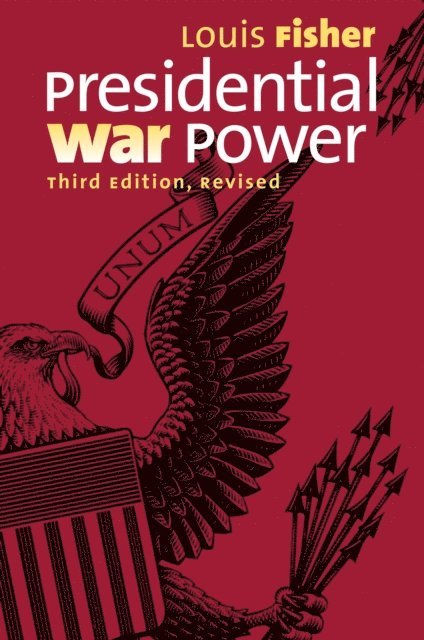
Presidential War Power
Av Louis Fisher
Häftad, 2013
379 kr
Lägg i varukorg
A classic and bestselling work by one of America’s top Constitutional scholars, Presidential War Power garnered the lead review in the New York Times Book Review and raised essential issues that have only become more timely, relevant, and controversial in our post-9/11 era. In this third edition, …
Presidential War Power
Third Edition, Revised
Av Louis Fisher
E-bok, 2014
399 kr
Lägg i varukorg
A classic and bestselling work by one of America’s top Constitutional scholars, Presidential War Power garnered the lead review in the New York Times Book Review and raised essential issues that have only become more timely, relevant, and controversial in our post-9/11 era. In this third edition, …
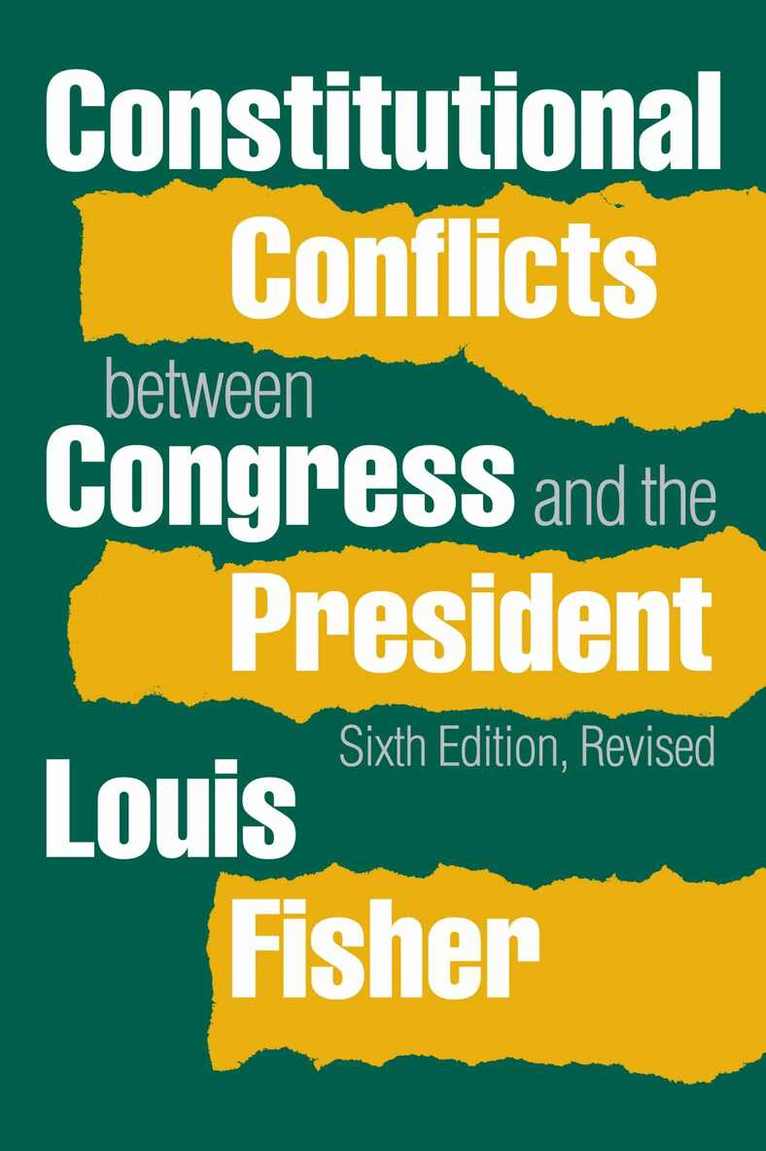
Constitutional Conflicts Between Congress and the President
Av Louis Fisher
Häftad, 2014
356 kr
Lägg i varukorg
Over three decades after its initial publication, Louis Fisher's durable classic remains at the head of its class--a book that Congressional Quarterly called """"as close to being indispensable as anything published in this field."""" This newly revised sixth edition emphatically reinforces that …
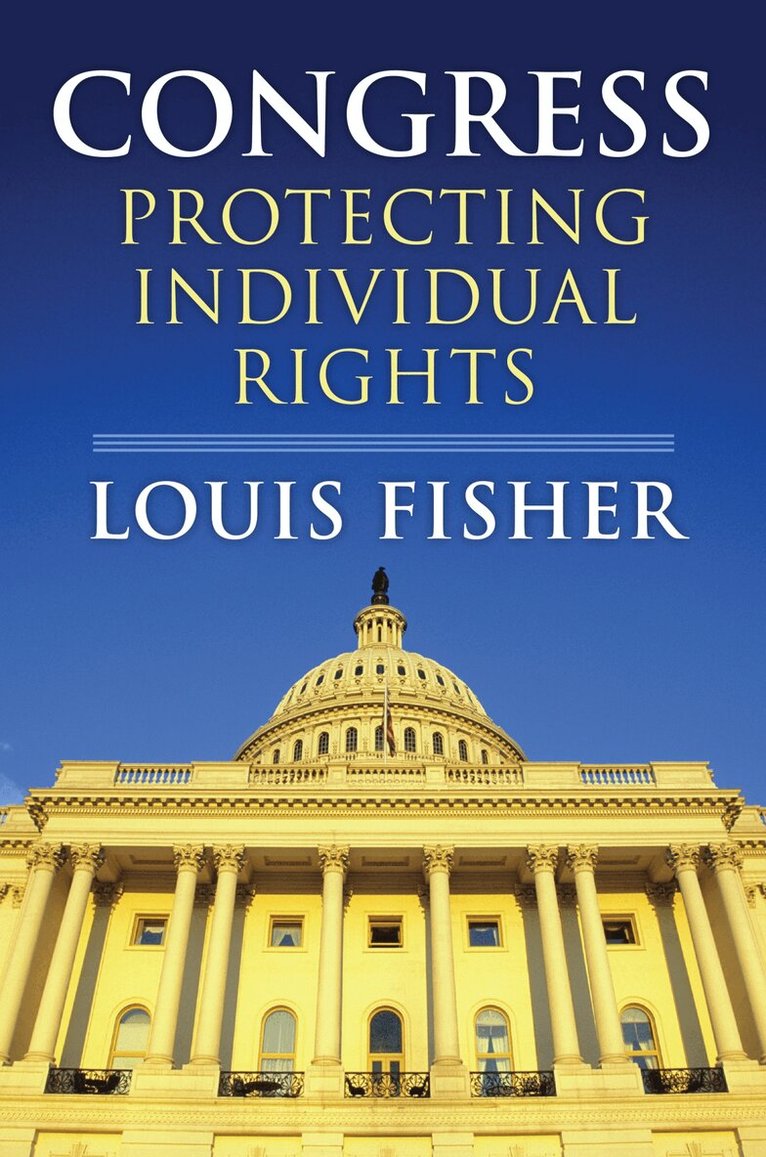
Congress
Protecting Individual Rights
Av Louis Fisher
Inbunden, 2016
627 kr
Lägg i varukorg
When asked which branch of government protects citizens’ rights, wetend to think of the Supreme Court—stepping in to defend gay rights, for example, in the recent same-sex marriage case. But as constitutional scholar Louis Fisher reveals in his new book, this would be a mistake—and not just because …
Congress
Protecting Individual Rights
Av Louis Fisher
E-bok, 2016
433 kr
Lägg i varukorg
When asked which branch of government protects citizens’ rights, we tend to think of the Supreme Court—stepping in to defend gay rights, for example, in the recent same-sex marriage case. But as constitutional scholar Louis Fisher reveals in his new book, this would be a mistake—and not just …
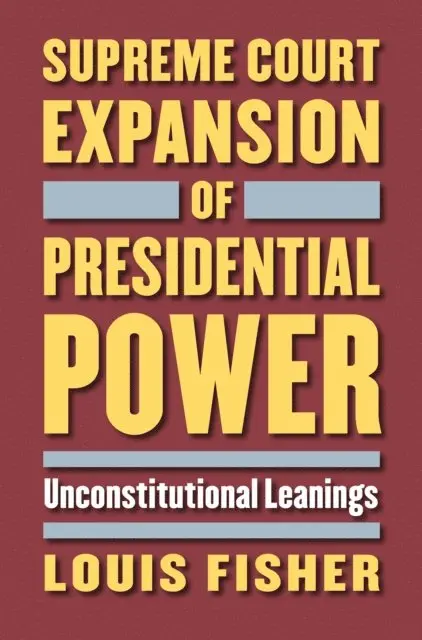
Supreme Court Expansion of Presidential Power
Unconstitutional Leanings
Av Louis Fisher
E-bok, 2017
399 kr
Lägg i varukorg
In the fourth of the Federalist Papers, published in 1787, John Jay warned of absolute monarchs who “will often make war when their nations are to get nothing by it.” More than two centuries later, are single executives making unilateral decisions any more trustworthy? And have the checks on …
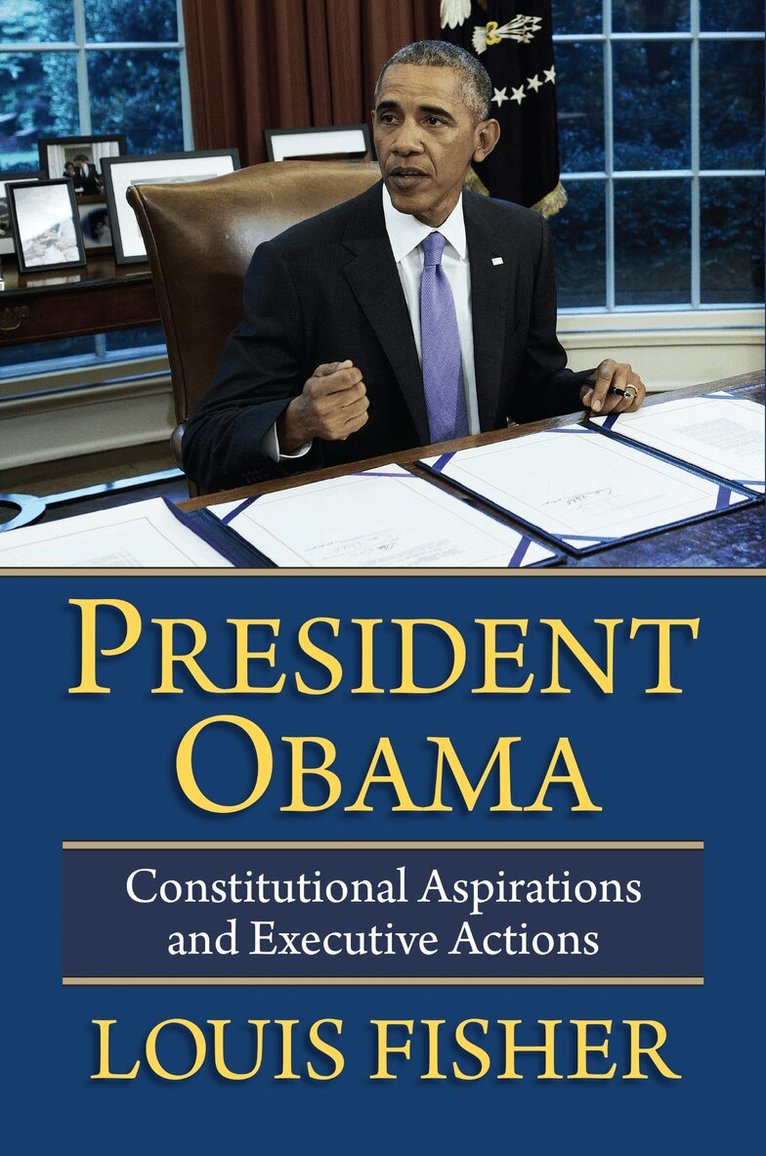
President Obama
Constitutional Aspirations and Executive Actions
Av Louis Fisher
Häftad, 2018
304 kr
Lägg i varukorg
On the campaign trail, Barack Obama spoke often about his constitutional principles. In particular, he objected to George W. Bush’s claim to certain “inherent” presidential powers that could not be checked by Congress or the judiciary. After his inauguration, how did President Obama’s …
President Obama
Constitutional Aspirations and Executive Actions
Av Louis Fisher
E-bok, 2018
367 kr
Lägg i varukorg
On the campaign trail, Barack Obama spoke often about his constitutional principles. In particular, he objected to George W. Bush’s claim to certain “inherent” presidential powers that could not be checked by Congress or the judiciary. After his inauguration, how did President Obama’s …
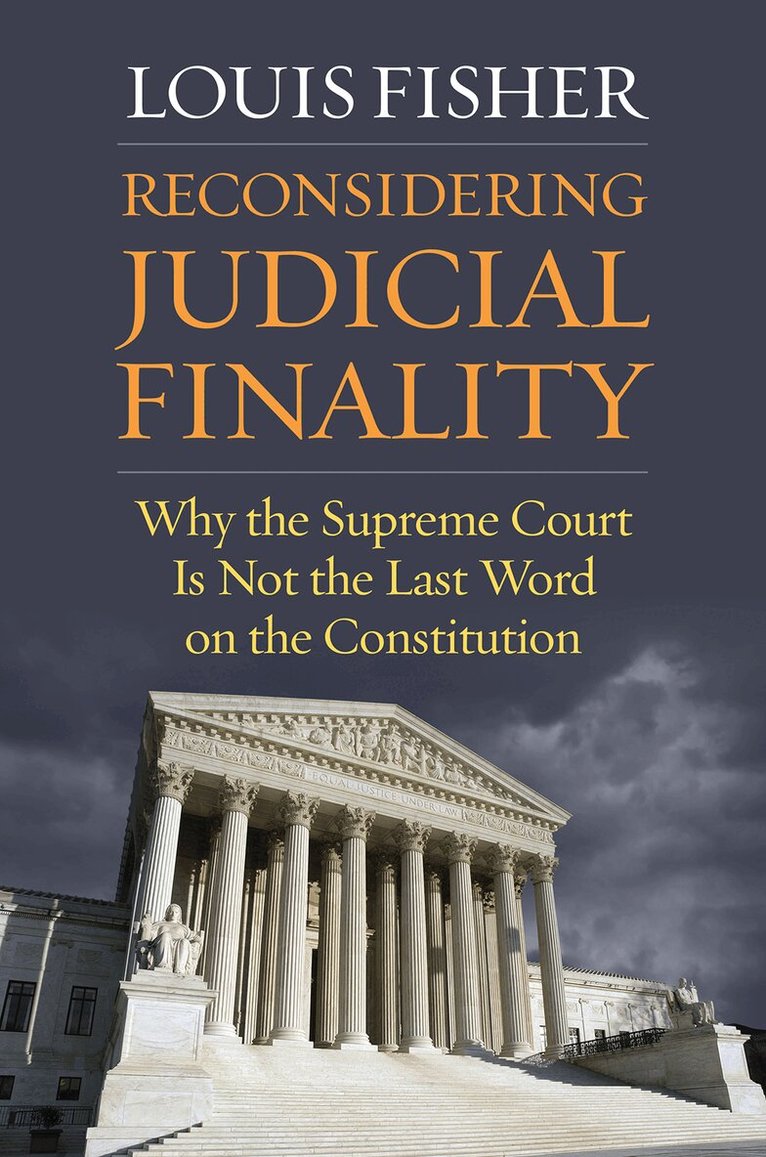
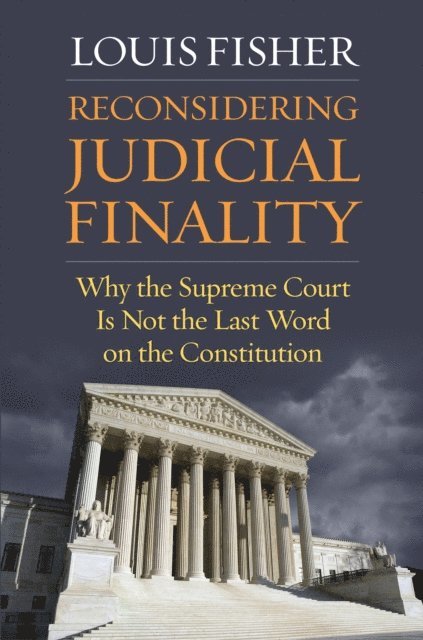
Reconsidering Judicial Finality
Why the Supreme Court Is not the Last Word on the Constitution
Av Louis Fisher
Inbunden, 2019
639 kr
Lägg i varukorg
Federal judges, legal scholars, pundits, and reporters frequently describe the Supreme Court as the final word on the meaning of the Constitution. The historical record presents an entirely different picture. A close and revealing reading of that record, from 1789 to the present day, Reconsidering …
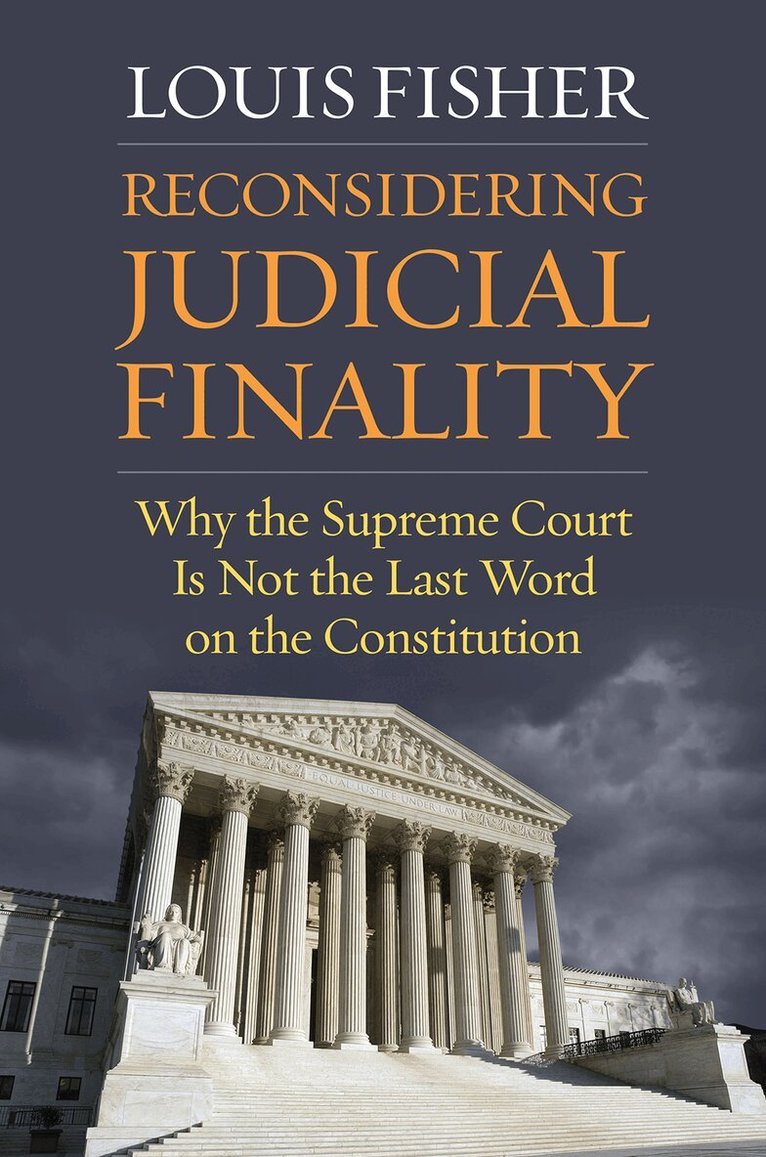
Reconsidering Judicial Finality
Why the Supreme Court Is Not the Last Word on the Constitution
Av Louis Fisher
E-bok, 2019
410 kr
Lägg i varukorg
Federal judges, legal scholars, pundits, and reporters frequently describe the Supreme Court as the final word on the meaning of the Constitution. The historical record presents an entirely different picture. A close and revealing reading of that record, from 1789 to the present day, Reconsidering …
Reconsidering Judicial Finality
Why the Supreme Court Is not the Last Word on the Constitution
Av Louis Fisher
Häftad, 2023
341 kr
Lägg i varukorg
Federal judges, legal scholars, pundits, and reporters frequently describe the Supreme Court as the final word on the meaning of the Constitution. The historical record presents an entirely different picture. A close and revealing reading of that record, from 1789 to the present day, Reconsidering …
In the Name of National Security
Unchecked Presidential Power and the Reynolds Case
Av Louis Fisher
E-bok, 2025
399 kr
Lägg i varukorg
When a B-29 bomber exploded over Georgia in 1948, the victims’ families were denied access to crucial information relating to the accident because the federal government claimed such access would endanger national security. When the Supreme Court upheld that claim in United States v. Reynolds …
Constitutional Conflicts between Congress and the President
Av Louis Fisher
E-bok, 2026
323 kr
Lägg i varukorg
Over three decades after its initial publication, Louis Fishers durable classic remains at the head of its classa book that Congressional Quarterly called as close to being indispensable as anything published in this field. This newly revised sixth edition emphatically reinforces that sterling …
Constitutional Conflicts between Congress and the President
Av Louis Fisher
E-bok, 2026
323 kr
Lägg i varukorg
Over three decades after its initial publication, Louis Fishers durable classic remains at the head of its classa book that Congressional Quarterly called as close to being indispensable as anything published in this field. This newly revised sixth edition emphatically reinforces that sterling …