Louise Bomber – författare
Visar alla böcker från författaren Louise Bomber. Handla med fri frakt och snabb leverans.
7 produkter
7 produkter
Häftad, Engelska, 2007
466 kr
Skickas
Pupils who survive multiple traumatic experiences of loss, trauma, abuse and neglect can easily be misunderstood in our schools, despite our good intentions. Such children often underachieve, at worst becoming excluded from the very place that could offer them an opportunity for "second chance learning" and for reaching their potential. These children do not respond well or consistently to behavioural modification techniques, nor are they able to thrive in a system largely created for those from a "good-enough" background. Louise Bomber's innovative and easy to use strategies provide teachers and teaching assistants with new perspectives, practical tools and the confidence for supporting these children. Her work is based on the latest research from child development and Attachment theory (Bowlby), as well as many years of solid practical experience as a teacher-therapist working within education and social services with children, families and schools.Contents include: providing an additional attachment figure in schools, transitions during the school day, permanency and constancy, regulating arousal levels, wondering aloud, lowering the effects of shame, creating home/school partnerships, working with the transition from primary to secondary phase, and more.
216 kr
Skickas inom 11-20 vardagar
When a school allocates a teaching assistant or mentor to a troubled pupil who has experienced significant relational traumas and losses, the Key Adult needs some guidelines so they can prepare themselves to optimise the precious time they have together with the child. For the Key Adult this guide covers: 1-Know your own story 2-Manager your stress 3-Know your role 4-Know your pupil 5-Advocacy
Häftad, 2015
217 kr
Skickas inom 11-20 vardagar
Teachers can play a significant role in Attachment Aware practices. They also need to be protected to teach, especially with classes of 30plus pupils. This second practice book covers: 1-Protecting your role 2-The developmental journey 3-The learning environment 4-Curriculum content 5-The use of praise and shame
Häftad, Engelska, 2016
216 kr
Skickas
The Team Pupil within a school consists of 4 or 5 members of staff working together on behalf of troubled pupils in their care. This fourth guide in the series covers: 1-Holding boundaries 2-Working in partnership to settle the pupil 3-Resilience 4-Advocacy 5-Holding on to success
217 kr
Skickas inom 11-20 vardagar
The parent/carer has a significant contribution to make to a pupil's capacity to settle to learn and to progress in the school setting. This fifth guide in the series covers: 1-Roles and responsibilities 2-Working as a team with school staff 3-Stressors and calmers 4-Mapping progress 5-Transition planning and preparation
Häftad, Engelska, 2026
355 kr
Skickas
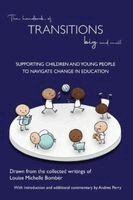
The Handbook of Transitions brings together inone book some of the key passages on change and transitions from LouiseMichelle Bombèr’s best loved writing, updated for today’s demands anduncertainties. So that when you are thinking about transitions a child or youngperson may be facing, or if you have recognised that a child or young personyou know is generally struggling with transitions at the moment, you’ll readilyfind thoughts and ideas to help you. Themes include the need for a deep sense of felt safety, through accessto consistent, reliable, empathic adults, and a safe base: structure, issuessuch as power, choice and control, timing, transitional objects and rituals,interruptions, moving school, handling exclusions, and much more. You’ll also find thoughts around what thesepupils need from the adults around them to support them to navigatetransitions. Andrea Perry’s introduction and additional annotationaround Louise’s writing highlights the significance of her often prescientthinking and suggestions in the light of social change over the last decade orso, which have created additional challenges for our already vulnerablechildren and young people. Indeed, current government policyfocuses strongly on the transition from primary to secondary schoolingemphasizing the need to manage that change empathetically and retain inclusionin mainstream education.For nearly 20 years, Louise Michelle Bombèr hasconsistently provided informed, thoughtful and inspiring writing full ofinnovative, practice-evidenced and practical ideas for educators, parents andcarers who face challenges in schools. Inher many books she has written about transitions in school from many angles,drawing on biology, neuroscience, attachment aware, trauma responsiveapproaches and her extensive frontline experience of working with children andyoung people. The capacity we develop as children to cope with transitionslays the foundation for our ability to cope with change and transition in the future. Some children and young people in our schoolstoday find transitions extremely difficult, whether that involves coming intoschool each morning, or even coming into school at all. In school there are transitions throughoutthe day, different subjects, different people, different styles of learning,different kit needed - together with the huge transition from primary tosecondary. This transition may be ofparticular concern to families where a child needs specialist provision (SEND),and is not sure what support will be available to them at the next school.A number of childrenand young people struggle with shift from one focus to another: or with beingorganised, with managing uncertainty and unstructured time, with managing largegroups rather than small numbers - so many things to navigate. If children are already experiencingdifficulties because of relational trauma and losses, and/or because of themany intersectional challenges facing families today, transitions in school cancreate dysregulation and enormous stress. Louise encourages staff to be proactive in supporting them to managetransitions, enabling them to feel safe, empowered and able to make the most ofeverything school offers, as well as creating a healthy template for theirfutures. This book provides practical, evidence-based help, and hope.

Häftad, Engelska, 2025
382 kr
Skickas
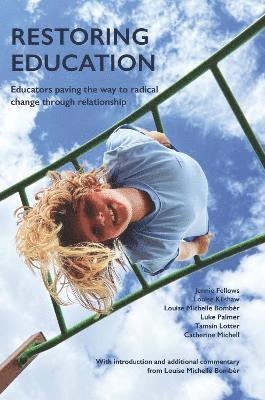
‘As the adults in school, we have the chance to be the agents of genuine change. It’s essential we stop ‘doing school’ as we’ve always done, creating one-size-fits-all, trauma-inducing systems instead of intentionally increasing safety for all. Let’s not have pupils and teachers apprehensive about being in school; let’s have remaining steady and connected as our priorities ... Fundamentally, let’s honour the need for all our pupils to be educated in school together through attuned relationships and understanding.’ Louise Michelle BombèrThis is the radical challenge from Louise Michelle Bombèr, founder of the UK’s leading specialist trauma service in schools, TouchBase, in her timely new book, Restoring Education. Stories of the huge range of difficulties schools face are rarely positive, with increasing rates of pupil mental health problems, and children unable to settle to learn. Teachers’ stress has soared, many leaving the profession they love. The most vulnerable pupils, already struggling with relational trauma and loss, are communicating distress through challenging behaviour which can get them excluded if their relational needs are not recognised and responded to.Restoring Education introduces an alternative, and realistichope. Drawing on their work at TouchBase and knowledge of child development,attachment and trauma, Louise Michelle Bombèr and members of her team, Jennie Fellows, Louise Kilshaw, Luke Palmer, Tamsin Lotter and Catherine Michell writewith passion and clarity about a radically different approach, one firmlygrounded in relationship first, before learning can start. They challenge Headsto model authentic leadership, enabling staff to feel safe, regulated andwell-resourced in our schools. On this basis, educators can enable pupils toexperience safety in school, be co-regulated, trust adults, and be supportedinto learning. Illustrated with practical examples, the authors discussdifferent aspects of relationship, which, woven together, offer a refreshingvision of how school can be, for pupils and staff, when safety through genuinerelationship is prioritised as the foundation of learning.