Luc Leboeuf – författare
Visar alla böcker från författaren Luc Leboeuf. Handla med fri frakt och snabb leverans.
2 produkter
2 produkter
Inbunden, Engelska, 2024
545 kr
Skickas inom 10-15 vardagar
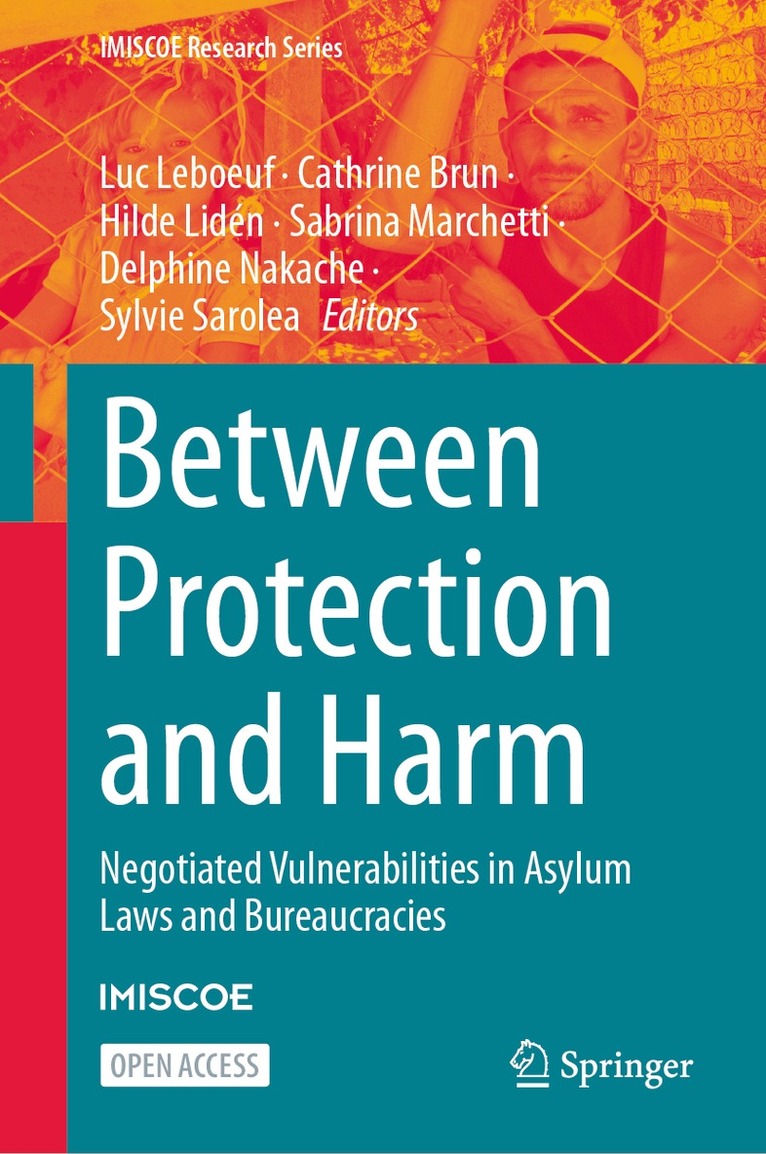
This open access book dissects the current narratives of ‘vulnerability’ in asylum laws and policies, by unpacking the meanings, productions, and performances, of ‘vulnerability’ in different contexts, from countries of first asylum in the Global South to Europe and Canada. It discusses how the increased reliance on ‘vulnerability’ to guide states’ replies to refugee movements improves refugee protection, while also generating contestations and exclusionary effects that may cause harm. Based on data collected as part of the EU Horizon 2020 VULNER project, the book examines existing legal and bureaucratic approaches to refugees’ vulnerabilities, which it confronts with the refugees’ experiences and understandings of their own life challenges. It analyses the perspectives from state actors, humanitarian organisations, and social and aid workers, as well as the refugees themselves. By emphasizing how these perspectives relate and feed into each other, the book unpacks the humanitarian replies from states and the international community to refugee movements – including in their implied exclusionary dimensions that generate contestations and implementation difficulties which, if not tackled and understood properly, risk exacerbating and/or producing vulnerabilities among refugees.
E-bok
PDF, Engelska, 20201 135 kr
Läs direkt efter köp
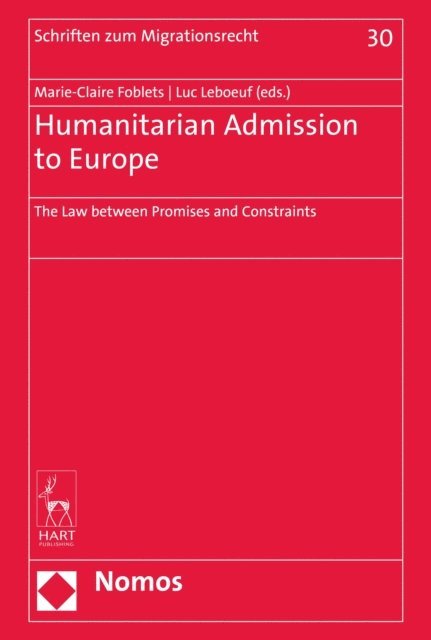
Bringing together contributions from legal scholars and practitioners, this book contributes to a broader reflection on the extent to which policy controversies on humanitarian admission to Europe are channeled and managed through law.The book is divided into four parts. The first part identifies the international and European legal obligations that are binding on both the EU and the Member States, and the constraints they impose – potentially and actually – when dealing with migrants who are outside EU territory. The second part studies the legal framework of humanitarian admission in three Member States (Germany, Italy and Belgium), as well as the related procedures and practices. The third part focuses on the experiences of those seeking humanitarian admission, including how they mobilize the law to obtain legal access to Europe. It presents the results of ethnographic fieldwork conducted among refugees in a refugee camp in Uganda who are seeking resettlement, as well as the testimony of the lawyer who defended a Syrian family applying for a humanitarian visa in Belgium in a landmark case that was litigated before the CJEU (X. and X. v. Belgium). The fourth part discusses the prospects for future developments in the EU legal and policy framework, including attempts at reforming the EU Visa Code and establishing a Union resettlement framework.The book is edited by Marie-Claire Foblets and Luc Leboeuf, both from the Department of Law and Anthropology of the Max Planck Institute for Social Anthropology.