
Lucas MelgaAo – författare
891 kr
Läs direkt efter köp
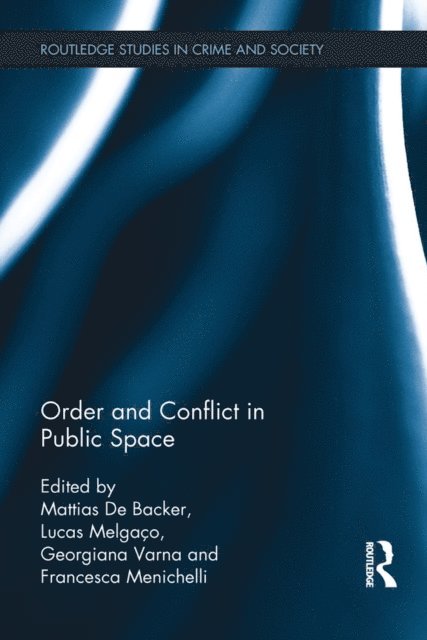
Which public and whose space? The understanding of public space as an arena where individuals can claim full use and access hides a reality of constant negotiation, conflict and surveillance. This collection uses case studies concerning the management, use, and transgression of public space to invite reflection on the way in which everyday social interaction is framed and shaped by the physical environment and vice versa. International experts from fields including geography, criminology, sociology and urban studies come together to debate the concepts of order and conflict in public space.
This book is divided into two parts: spaces of control, and spaces of transgression. Section I focuses on formal and informal surveillance and the politics of control, using case studies to compare strategies in spaces including Olympic cities, luxury skyscrapers, residential neighbourhoods and shopping malls. Section II focuses on transgressive or deviant behaviour in public spaces, with case studies examining behaviour in nightlife districts, governance of homelessness, boy-racer culture and abortion protests. The epilogue concludes the book with an exploration of possible future avenues for research on public space, and a critical appraisal of the concept of public space itself.
This interdisciplinary collection will be of interest to students, researchers and professionals in the areas of criminology, sociology, surveillance studies, human and social geography, and urban studies and planning.
891 kr
Läs direkt efter köp
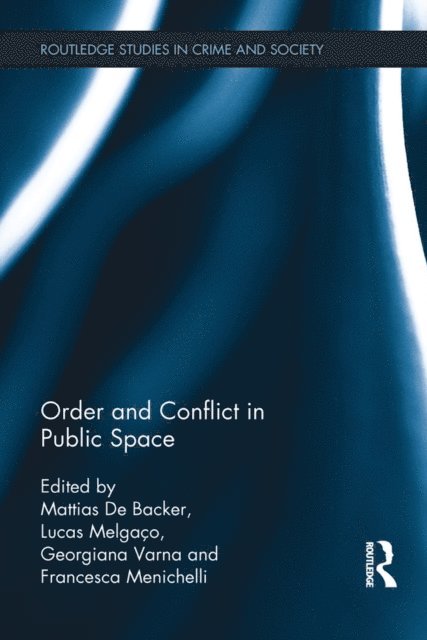
Which public and whose space? The understanding of public space as an arena where individuals can claim full use and access hides a reality of constant negotiation, conflict and surveillance. This collection uses case studies concerning the management, use, and transgression of public space to invite reflection on the way in which everyday social interaction is framed and shaped by the physical environment and vice versa. International experts from fields including geography, criminology, sociology and urban studies come together to debate the concepts of order and conflict in public space.
This book is divided into two parts: spaces of control, and spaces of transgression. Section I focuses on formal and informal surveillance and the politics of control, using case studies to compare strategies in spaces including Olympic cities, luxury skyscrapers, residential neighbourhoods and shopping malls. Section II focuses on transgressive or deviant behaviour in public spaces, with case studies examining behaviour in nightlife districts, governance of homelessness, boy-racer culture and abortion protests. The epilogue concludes the book with an exploration of possible future avenues for research on public space, and a critical appraisal of the concept of public space itself.
This interdisciplinary collection will be of interest to students, researchers and professionals in the areas of criminology, sociology, surveillance studies, human and social geography, and urban studies and planning.
790 kr
Läs direkt efter köp
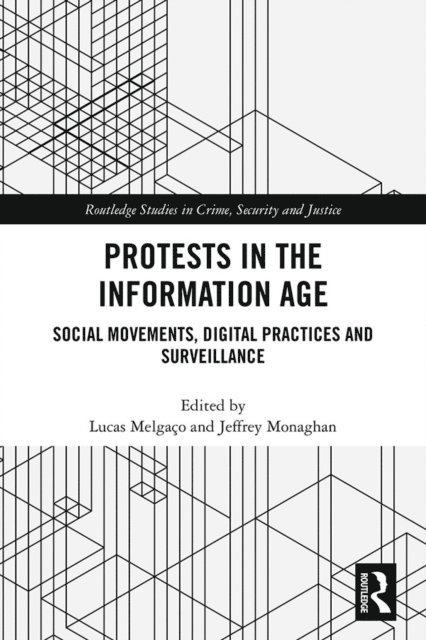
Information and communication technologies have transformed the dynamics of contention in contemporary society. Social networks such as Facebook and Twitter, and devices such as smartphones have increasingly played a central role in facilitating and mobilizing social movements throughout different parts of the world. Concurrently, the same technologies have been taken up by public authorities (including security agencies and the police) and have been used as surveillance tools to monitor and suppress the activities of certain demonstrators.
This book explores the complex and contradictory relationships between communication and information technologies and social movements by drawing on different case studies from around the world. The contributions analyse how new communication and information technologies impact the way protests are carried out and controlled in the current information age. The authors focus on recent events that date from the Arab Spring onwards and pose questions regarding the future of protests, surveillance and digital landscapes.
763 kr
Läs direkt efter köp
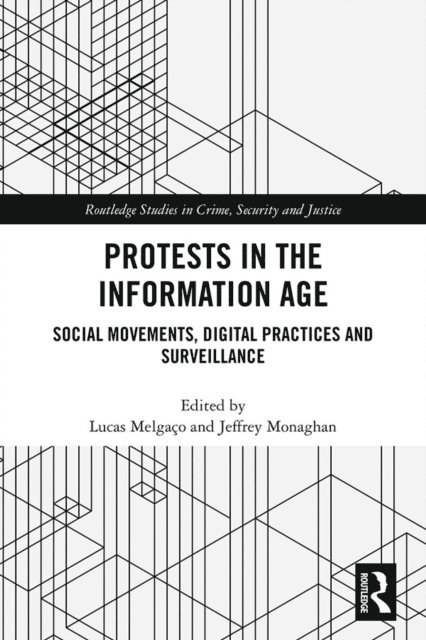
Information and communication technologies have transformed the dynamics of contention in contemporary society. Social networks such as Facebook and Twitter, and devices such as smartphones have increasingly played a central role in facilitating and mobilizing social movements throughout different parts of the world. Concurrently, the same technologies have been taken up by public authorities (including security agencies and the police) and have been used as surveillance tools to monitor and suppress the activities of certain demonstrators.
This book explores the complex and contradictory relationships between communication and information technologies and social movements by drawing on different case studies from around the world. The contributions analyse how new communication and information technologies impact the way protests are carried out and controlled in the current information age. The authors focus on recent events that date from the Arab Spring onwards and pose questions regarding the future of protests, surveillance and digital landscapes.