Lucía Dammert - Böcker
Visar alla böcker från författaren Lucía Dammert. Handla med fri frakt och snabb leverans.
5 produkter
5 produkter
314 kr
Skickas inom 10-15 vardagar
Sensational headlines have publicized the drug trafficking, brutal violence, and other organized crime elements associated with Central America's mara gangs, but there have been few clear-eyed analyses of the history, hierarchies, and future of the mara phenomenon. The first book to look specifically at the Central American gang problem by drawing on the perspectives of researchers from different disciplinary backgrounds, Maras: Gang Violence and Security in Central America provides much-needed insight. These essays trace the development of the gangs, from Mara Salvatrucha to the 18th Street Gang, in Los Angeles and their spread to El Salvador, Honduras, Guatemala, and Nicaragua as the result of members' deportation to Central America; there, they account for high homicide rates and threaten the democratic stability of the region. With expertise in areas ranging from political science to law enforcement and human rights, the contributors also explore the spread of mara violence in the United States. Their findings comprise a complete documentation that spans sexualized violence, case studies of individual gangs, economic factors, varied responses to gang violence, the use of intelligence gathering, the limits of state power, and the role of policy makers. Raising crucial questions for a wide readership, these essays are sure to spark productive international dialogues.
2 222 kr
Skickas inom 10-15 vardagar
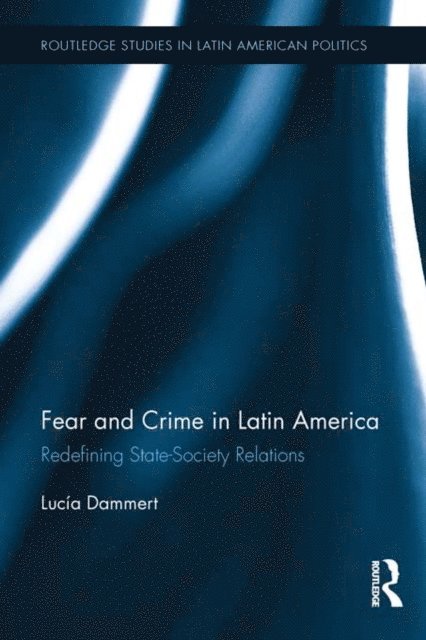
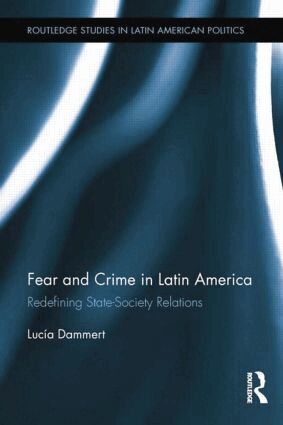
The feeling of insecurity is a little known phenomenon that has been only partially explored by social sciences. However, it has a deep social, cultural and economic impact and may even contribute to define the very structures of the state. In Latin America, fear of crime has become an important stumbling block in the region’s process of democratization. After long spells of dictatorships and civil wars, violence in the region was supposed to be under control yet crime rates have continued to skyrocket and citizens remain fearful. This analytical puzzle has troubled researchers and to date there is no publication which explores this problem.Based on a wealth of cutting edge qualitative and quantitative research, Lucía Dammert proposes a unique theoretical perspective which includes a sociological, criminological and political analysis to understand fear of crime. She describes its linkages to issues such as urban segregation, social attitudes, institutional trust, public policies and authoritarian discourses in Chile’s recent past. Looking beyond Chile, Dammert also includes a regional comparative perspective allowing readers to understand the complex elements underpinning this situation.Fear and Crime in Latin America challenges many assumptions and opens an opportunity to discuss an issue that affects everyone with key societal and personal costs. As crime rates increase and states become even more fragile, fear of crime as a social problem will continue to have an important impact in Latin America.
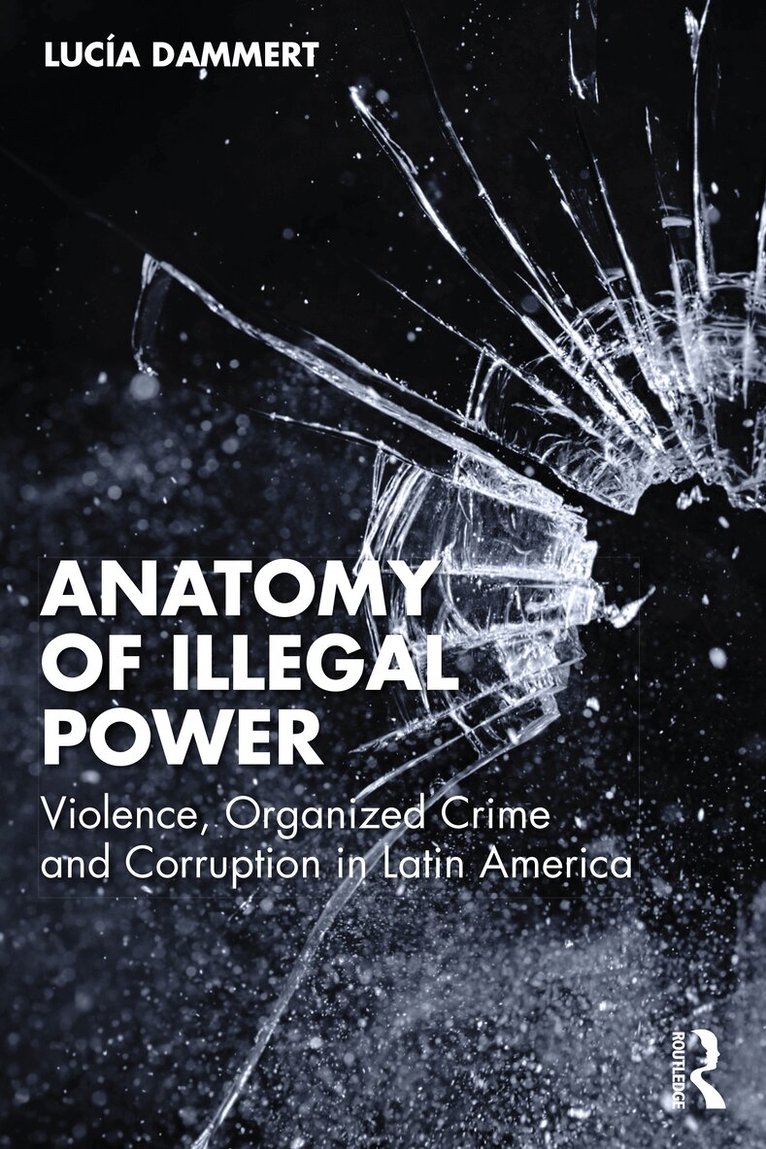
Anatomy of Illegal Power
Violence, Organized Crime and Corruption in Latin America
Häftad, Engelska, 2026
617 kr
Kommande
Anatomy of Illegal Power explores how illicit markets shape politics, society, and everyday life across Latin America.Drawing on more than a decade of fieldwork and hundreds of interviews, Lucía Dammert blends vivid human stories with sharp analysis to reveal how “illegal power” is built, sustained, and resisted. Moving beyond crime statistics, she reframes crime as a form of power, exposing the hidden structures that link organized crime to fragile institutions, entrenched corruption, and political disaffection. With a regional lens enriched by case studies from Brazil, El Salvador, Central America, and Chile, she demonstrates how illicit economies, from drugs and mining to logging and extortion, regulate territory, shape politics, and erode democracy.Written by one of Latin America’s leading authorities on security and organized crime, the book offers clear, policy‑relevant insights without relying on militarized “iron‑fist” solutions. Instead, it points to practical alternatives: strengthening institutions, investing in education, and fostering international cooperation. Accessible yet rigorous, it is essential reading for students and scholars in politics, sociology, criminology, and Latin American studies, as well as professionals in policy, journalism, and international organizations.
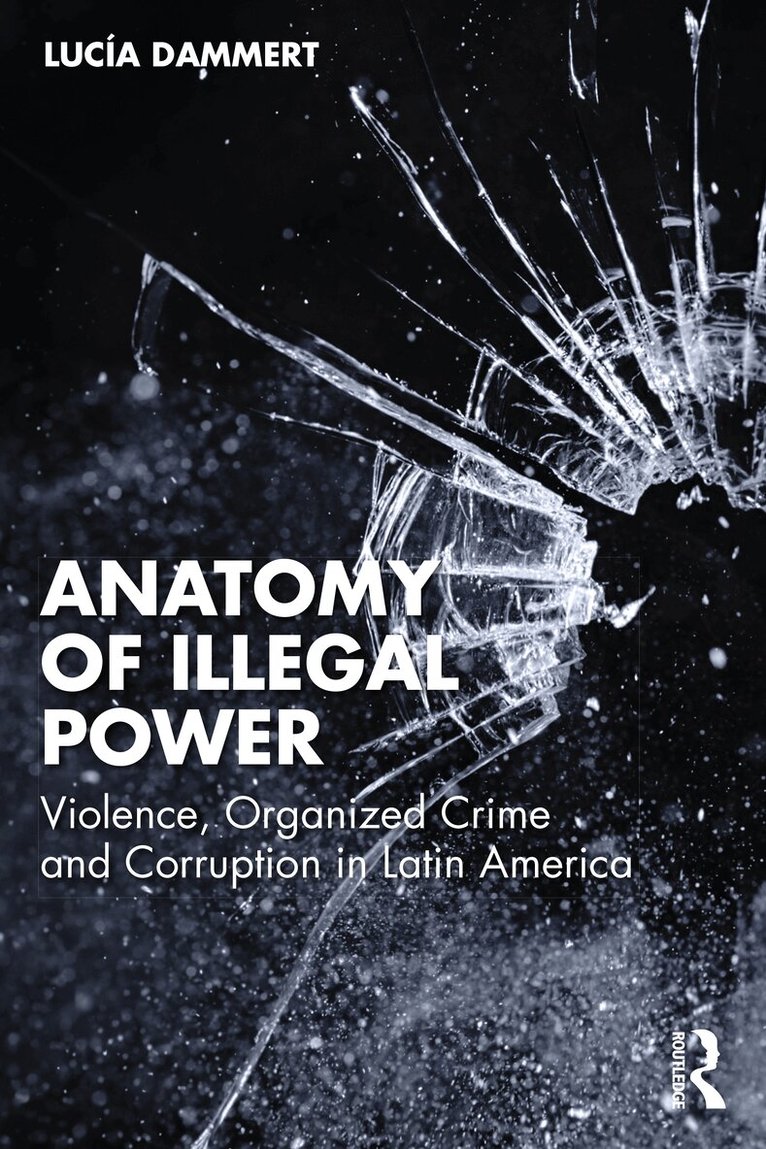
Anatomy of Illegal Power
Violence, Organized Crime and Corruption in Latin America
Inbunden, Engelska, 2026
2 258 kr
Kommande
Anatomy of Illegal Power explores how illicit markets shape politics, society, and everyday life across Latin America.Drawing on more than a decade of fieldwork and hundreds of interviews, Lucía Dammert blends vivid human stories with sharp analysis to reveal how “illegal power” is built, sustained, and resisted. Moving beyond crime statistics, she reframes crime as a form of power, exposing the hidden structures that link organized crime to fragile institutions, entrenched corruption, and political disaffection. With a regional lens enriched by case studies from Brazil, El Salvador, Central America, and Chile, she demonstrates how illicit economies, from drugs and mining to logging and extortion, regulate territory, shape politics, and erode democracy.Written by one of Latin America’s leading authorities on security and organized crime, the book offers clear, policy‑relevant insights without relying on militarized “iron‑fist” solutions. Instead, it points to practical alternatives: strengthening institutions, investing in education, and fostering international cooperation. Accessible yet rigorous, it is essential reading for students and scholars in politics, sociology, criminology, and Latin American studies, as well as professionals in policy, journalism, and international organizations.
576 kr
Skickas inom 10-15 vardagar
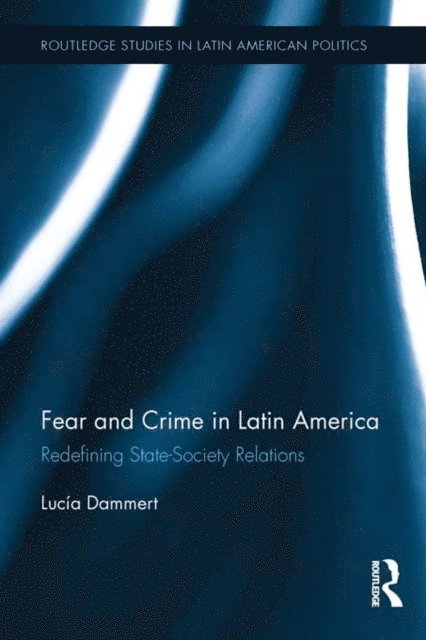
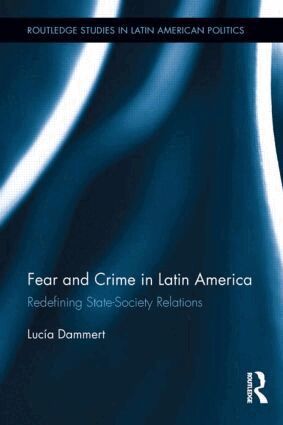
The feeling of insecurity is a little known phenomenon that has been only partially explored by social sciences. However, it has a deep social, cultural and economic impact and may even contribute to define the very structures of the state. In Latin America, fear of crime has become an important stumbling block in the region’s process of democratization. After long spells of dictatorships and civil wars, violence in the region was supposed to be under control yet crime rates have continued to skyrocket and citizens remain fearful. This analytical puzzle has troubled researchers and to date there is no publication which explores this problem.Based on a wealth of cutting edge qualitative and quantitative research, Lucía Dammert proposes a unique theoretical perspective which includes a sociological, criminological and political analysis to understand fear of crime. She describes its linkages to issues such as urban segregation, social attitudes, institutional trust, public policies and authoritarian discourses in Chile’s recent past. Looking beyond Chile, Dammert also includes a regional comparative perspective allowing readers to understand the complex elements underpinning this situation.Fear and Crime in Latin America challenges many assumptions and opens an opportunity to discuss an issue that affects everyone with key societal and personal costs. As crime rates increase and states become even more fragile, fear of crime as a social problem will continue to have an important impact in Latin America.