
Lucjan PawA‚owski – författare
828 kr
Läs direkt efter köp
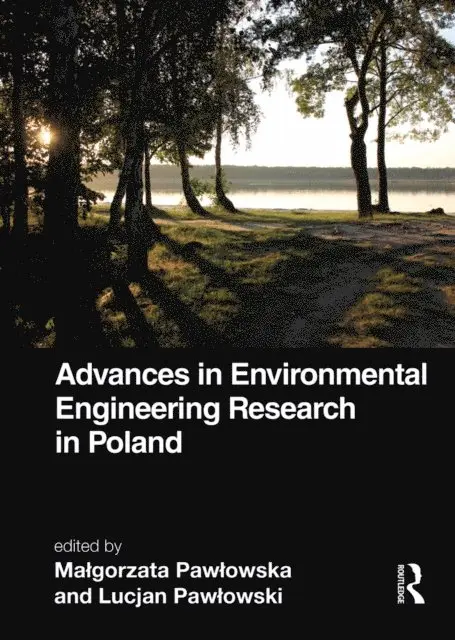
A side-effect of numerous anthropogenic activities involves unfavourable changes in the natural environment. The acquisition of natural resources, especially fossil fuels, solid waste and wastewater production, as well as emission of gases and particulate matter from industrial plants and means of transport contribute to disturbances in the natural cycles of elements between different parts of the environment. Local changes lead to global effects, changing the composition of atmosphere, its capacity for absorbing the infrared radiation and temperature, which has further repercussions in the form of weather anomalies, melting glaciers, flooding, migration or extinction of species, social problems, etc. These global changes can be mitigated by local remedial actions, simultaneously taken all over the world, including Poland. Only the joint efforts of communities from different countries can be successful in preserving the world as we know it for the future generations. Realisation of this task requires the cooperation of experts across many fields of science, environmental engineering being one of most relevant. It comprises the engineering actions taken to preserve the balance of the natural environment or restore it if degradation has occurred. This monograph presents several key issues related to the actions aimed at mitigating the negative impact on the environment connected with the acquisition and transport of energy, management of municipal and industrial wastes, as well as the impact of the industry on the aquatic and soil environment.
This book is dedicated to academics, engineers, and students involved in environmental engineering, who are following the advances in the research on environmental aspects of energy production and waste management.
942 kr
Läs direkt efter köp
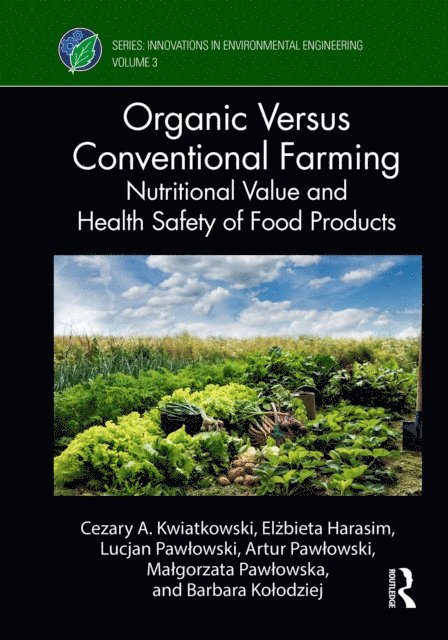
This book presents the results of a comparison of the quality of food products and raw materials, such as vegetables, fruits and honey, produced in organic and conventional farming systems. The comparison, which was based on literature data and the results of our own research, included not only the chemical parameters important for assessing the nutritional and health-promoting values, but also the stability of the ingredients in the fruits, which is important from a food storage perspective. The ecological, social and economic aspects of organic food production, which are crucial from the perspective of sustainable development, are also discussed in the book.
Organic Versus Conventional Farming aims at academics and farmers, but also to anyone looking for the answer to the question of whether organic farming ensures high-quality food, the production of which is safe for the environment.
942 kr
Läs direkt efter köp
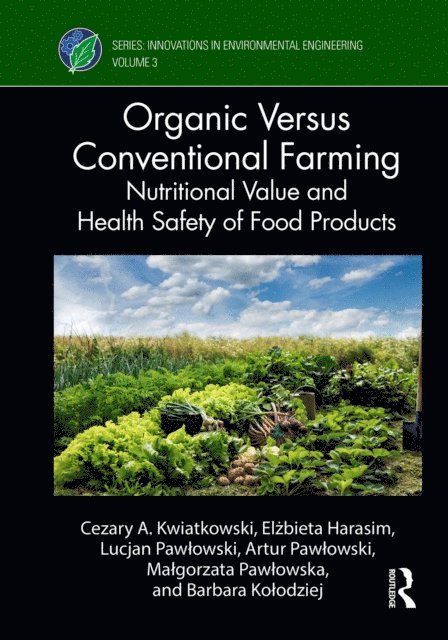
This book presents the results of a comparison of the quality of food products and raw materials, such as vegetables, fruits and honey, produced in organic and conventional farming systems. The comparison, which was based on literature data and the results of our own research, included not only the chemical parameters important for assessing the nutritional and health-promoting values, but also the stability of the ingredients in the fruits, which is important from a food storage perspective. The ecological, social and economic aspects of organic food production, which are crucial from the perspective of sustainable development, are also discussed in the book.
Organic Versus Conventional Farming aims at academics and farmers, but also to anyone looking for the answer to the question of whether organic farming ensures high-quality food, the production of which is safe for the environment.