Lucy Fischer – författare
Visar alla böcker från författaren Lucy Fischer. Handla med fri frakt och snabb leverans.
21 produkter
21 produkter
Inbunden, Engelska, 2025
1 630 kr
Skickas inom 3-6 vardagar
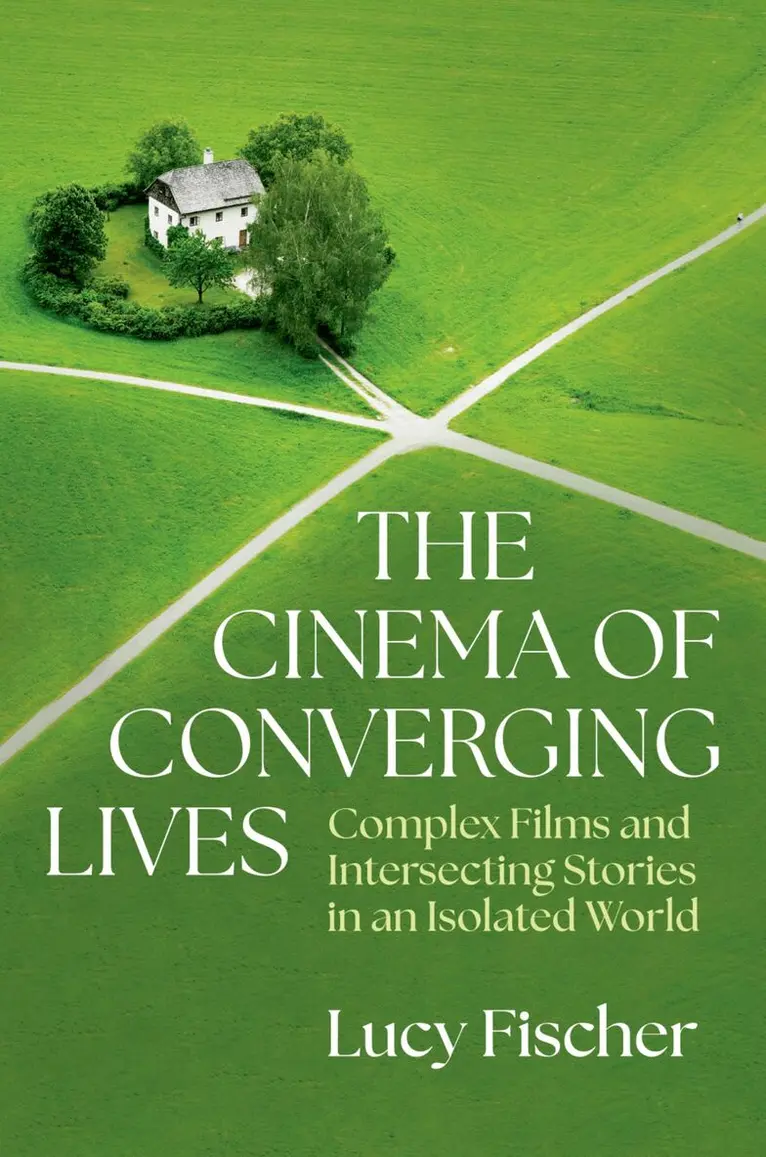
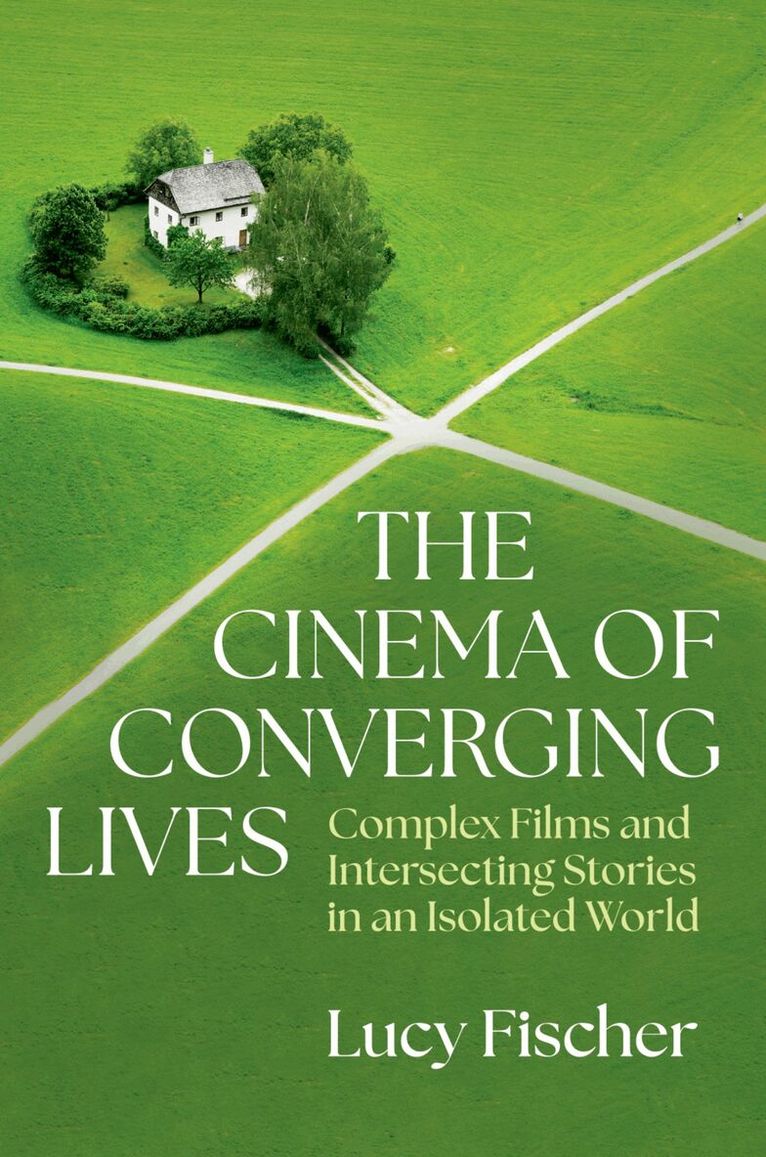
What happens when strangers meet in film? The Cinema of Converging Lives explores a group of films within an important category of complex film, a genre that critics have hailed as proliferating worldwide in the 1980s and 1990s and continuing today. Lucy Fischer examines a recurring trope within this category which portrays disparate characters, mostly unacquainted and introduced separately, who eventually and often unexpectedly cross paths.The book focuses on underlying causes in each movie that drive the intersection of characters forward. It looks to 23 films by a diverse and international group of directors to consider how chance, coincidence, accident, history, geography, and the supernatural, as well as formal structures like metafiction and the circulation of possessions, drive these narratives. The book also highlights the irony of our clear interest in stories of converging lives on screen in an age of increasing isolation and loneliness. Finally, it offers a new look at complex film as a genre, including a discussion of the wide variety of plot patterns beyond those defined in this book. Providing in-depth case studies of this vital form of contemporary movie, a new conceptual approach to the investigation of the complex film, a summary of prior academic work on the topic, and important socio-cultural insight into the opposing notions of convergence and isolation, The Cinema of Converging Lives will appeal to students and experienced film scholars alike.
Häftad, Engelska, 2025
407 kr
Skickas inom 5-8 vardagar
What happens when strangers meet in film? The Cinema of Converging Lives explores a group of films within an important category of complex film, a genre that critics have hailed as proliferating worldwide in the 1980s and 1990s and continuing today. Lucy Fischer examines a recurring trope within this category which portrays disparate characters, mostly unacquainted and introduced separately, who eventually and often unexpectedly cross paths.The book focuses on underlying causes in each movie that drive the intersection of characters forward. It looks to 23 films by a diverse and international group of directors to consider how chance, coincidence, accident, history, geography, and the supernatural, as well as formal structures like metafiction and the circulation of possessions, drive these narratives. The book also highlights the irony of our clear interest in stories of converging lives on screen in an age of increasing isolation and loneliness. Finally, it offers a new look at complex film as a genre, including a discussion of the wide variety of plot patterns beyond those defined in this book. Providing in-depth case studies of this vital form of contemporary movie, a new conceptual approach to the investigation of the complex film, a summary of prior academic work on the topic, and important socio-cultural insight into the opposing notions of convergence and isolation, The Cinema of Converging Lives will appeal to students and experienced film scholars alike.
Häftad, Engelska, 2003
352 kr
Skickas inom 5-8 vardagar
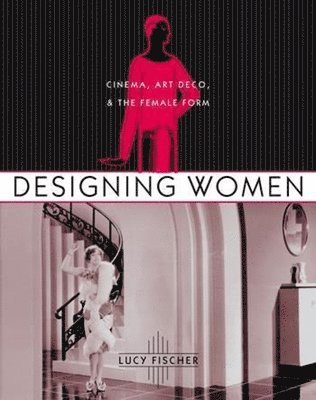
Grand, sensational, and exotic, Art Deco design was above all modern, exemplifying the majesty and boundless potential of a newly industrialized world. From department store window dressings to the illustrations in the Sears, Roebuck & Co. catalogs to the glamorous pages of Vogue and Harper's Bazar, Lucy Fischer documents the ubiquity of Art Deco in mainstream consumerism and its connection to the emergence of the "New Woman" in American society. Fischer argues that Art Deco functioned as a trademark for popular notions of femininity during a time when women were widely considered to be the primary consumers in the average household, and as the tactics of advertisers as well as the content of new magazines such as Good Housekeeping and the Woman's Home Companion increasingly catered to female buyers. While reflecting the growing prestige of the modern woman, Art Deco-inspired consumerism helped shape the image of femininity that would dominate the American imagination for decades to come. In films of the middle and late 1920s, the Art Deco aesthetic was at its most radical.Female stars such as Greta Garbo, Joan Crawford, and Myrna Loy donned sumptuous Art Deco fashions, while the directors Cecil B. DeMille, Busby Berkeley, Jacques Feyder, and Fritz Lang created cinematic worlds that were veritable Deco extravaganzas. But the style soon fell into decline, and Fischer examines the attendant taming of the female role throughout the 1930s as a growing conservatism challenged the feminist advances of an earlier generation. Progressively muted in films, the Art Deco woman-once an object of intense desire-gradually regressed toward demeaning caricatures and pantomimes of unbridled sexuality. Exploring the vision of American womanhood as it was portrayed in a large body of films and a variety of genres, from the fashionable musicals of Josephine Baker, and Fred Astaire and Ginger Rogers to the fantastic settings of Metropolis, The Wizard of Oz, and Lost Horizon, Fischer reveals America's long standing fascination with Art Deco, the movement's iconic influence on cinematic expression, and how its familiar style left an indelible mark on American culture.
Häftad, Engelska, 2017
304 kr
Skickas inom 5-8 vardagar
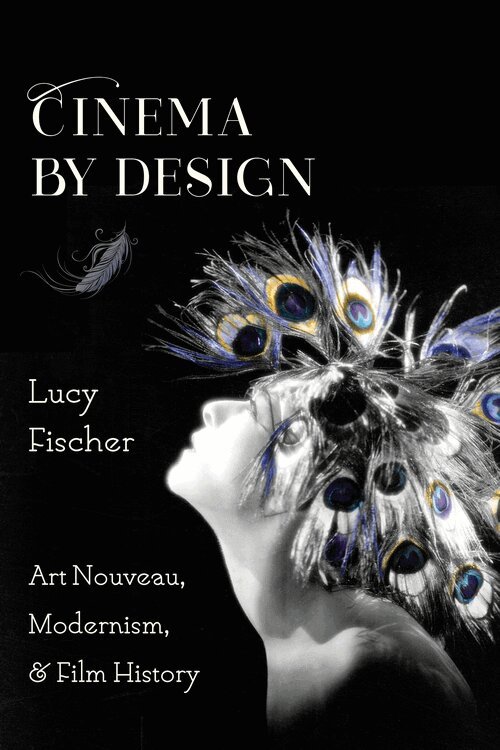
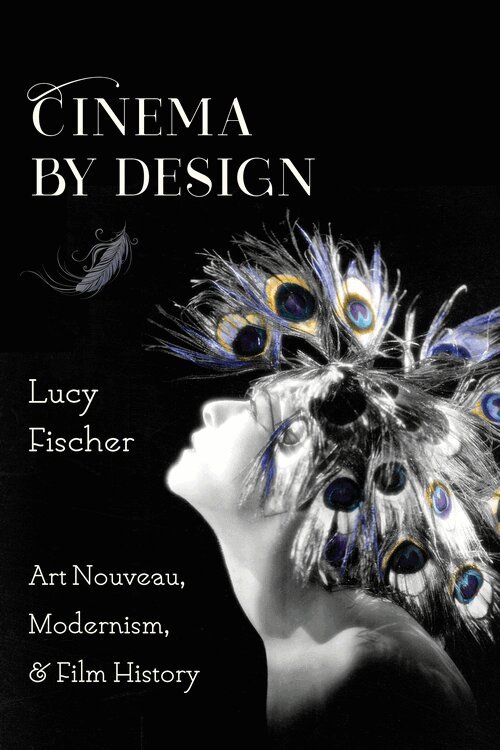
Art Nouveau thrived from the late 1890s through the First World War. The international design movement reveled in curvilinear forms and both playful and macabre visions and had a deep impact on cinematic art direction, costuming, gender representation, genre, and theme. Though historians have long dismissed Art Nouveau as a decadent cultural mode, its tremendous afterlife in cinema proves otherwise. In Cinema by Design, Lucy Fischer traces Art Nouveau's long history in films from various decades and global locales, appreciating the movement's enduring avant-garde aesthetics and dynamic ideology. Fischer begins with the portrayal of women and nature in the magical "trick films" of the Spanish director Segundo de Chomon; the elite dress and decor design choices in Cecil B. DeMille's The Affairs of Anatol (1921); and the mise-en-scene of fantasy in Raoul Walsh's The Thief of Bagdad (1924). Reading Salome (1923), Fischer shows how the cinema offered an engaging frame for adapting the risque works of Oscar Wilde and Aubrey Beardsley.Moving to the modern era, Fischer focuses on a series of dramatic films, including Michelangelo Antonioni's The Passenger (1975), that make creative use of the architecture of Antoni Gaudi; and several European works of horror-The Abominable Dr. Phibes (1971), Deep Red (1975), and The Strange Color of Your Body's Tears (2013)-in which Art Nouveau architecture and narrative supply unique resonances in scenes of terror. In later chapters, she examines films like Klimt (2006) that portray the style in relation to the art world and ends by discussing the Art Nouveau revival in 1960s cinema. Fischer's analysis brings into focus the partnership between Art Nouveau's fascination with the illogical and the unconventional and filmmakers' desire to upend viewers' perception of the world. Her work explains why an art movement embedded in modernist sensibilities can flourish in contemporary film through its visions of nature, gender, sexuality, and the exotic.
Inbunden, Engelska, 2004
2 141 kr
Skickas inom 5-8 vardagar
From two distinguished academics, Stars: The Film Reader brings together key writings and new perspectives on stars and stardom in cinema including coverage of stars and star systems from Europe and Asia as well as Hollywood, such as Mario Lanza, Oprah Winfrey and Roseanne Barr.Including contributions from top scholars such as Richard Dyer, the book addresses questions of production, labour and circulation, and examines neglected areas of study such as the Avant-Garde star, the non-American stars, and the question of ethnicity.Grouped in thematic sections, the articles explore key issues and developments in the study of stardom, providing a comprehensive overview of stardom across the world and in different genres and media.
Häftad, Engelska, 2004
560 kr
Skickas inom 10-15 vardagar
From two distinguished academics, Stars: The Film Reader brings together key writings and new perspectives on stars and stardom in cinema including coverage of stars and star systems from Europe and Asia as well as Hollywood, such as Mario Lanza, Oprah Winfrey and Roseanne Barr.Including contributions from top scholars such as Richard Dyer, the book addresses questions of production, labour and circulation, and examines neglected areas of study such as the Avant-Garde star, the non-American stars, and the question of ethnicity.Grouped in thematic sections, the articles explore key issues and developments in the study of stardom, providing a comprehensive overview of stardom across the world and in different genres and media.
Häftad, Engelska, 2014
435 kr
Skickas inom 5-8 vardagar
Noting that motherhood is a common metaphor for film production, Lucy Fischer undertakes the first investigation of how the topic of motherhood presents itself throughout a wide range of film genres. Until now discussions of maternity have focused mainly on melodramas, which, along with musicals and screwball comedies, have traditionally been viewed as "women's" cinema. Fischer defies gender-based classifications to show how motherhood has played a fundamental role in the overall cinematic experience. She argues that motherhood is often treated as a site of crisis--for example, the mother being blamed for the ills afflicting her offspring--then shows the tendency of certain genres to specialize in representing a particular social or psychological dimension in the thematics of maternity. Drawing on social history and various cultural theories, Fischer first looks at Rosemary's Baby to show the prevalence of childbirth themes in horror films. In crime films (White Heat), she sees the linkage of male deviance and mothering. The Hand That Rocks the Cradle and The Guardian, both occult thrillers, uncover cultural anxieties about working mothers.Her discussion covers burlesques of male mothering, feminist documentaries on the mother-daughter relationship, trick films dealing with procreative metaphors, and postmodern films like High Heels, where fluid sexuality is the theme. These films tend to treat motherhood as a locus of irredeemable conflict, whereas History and Memory and High Tide propose a more sanguine, dynamic, and enabling view. Originally published in 1996. The Princeton Legacy Library uses the latest print-on-demand technology to again make available previously out-of-print books from the distinguished backlist of Princeton University Press. These editions preserve the original texts of these important books while presenting them in durable paperback and hardcover editions. The goal of the Princeton Legacy Library is to vastly increase access to the rich scholarly heritage found in the thousands of books published by Princeton University Press since its founding in 1905.
Häftad, Engelska, 2014
1 017 kr
Skickas inom 3-6 vardagar
Inbunden, Engelska, 2016
1 805 kr
Skickas inom 3-6 vardagar
Noting that motherhood is a common metaphor for film production, Lucy Fischer undertakes the first investigation of how the topic of motherhood presents itself throughout a wide range of film genres. Until now discussions of maternity have focused mainly on melodramas, which, along with musicals and screwball comedies, have traditionally been viewed as "women's" cinema. Fischer defies gender-based classifications to show how motherhood has played a fundamental role in the overall cinematic experience. She argues that motherhood is often treated as a site of crisis--for example, the mother being blamed for the ills afflicting her offspring--then shows the tendency of certain genres to specialize in representing a particular social or psychological dimension in the thematics of maternity. Drawing on social history and various cultural theories, Fischer first looks at Rosemary's Baby to show the prevalence of childbirth themes in horror films. In crime films (White Heat), she sees the linkage of male deviance and mothering. The Hand That Rocks the Cradle and The Guardian, both occult thrillers, uncover cultural anxieties about working mothers.Her discussion covers burlesques of male mothering, feminist documentaries on the mother-daughter relationship, trick films dealing with procreative metaphors, and postmodern films like High Heels, where fluid sexuality is the theme. These films tend to treat motherhood as a locus of irredeemable conflict, whereas History and Memory and High Tide propose a more sanguine, dynamic, and enabling view. Originally published in 1996. The Princeton Legacy Library uses the latest print-on-demand technology to again make available previously out-of-print books from the distinguished backlist of Princeton University Press. These editions preserve the original texts of these important books while presenting them in durable paperback and hardcover editions. The goal of the Princeton Legacy Library is to vastly increase access to the rich scholarly heritage found in the thousands of books published by Princeton University Press since its founding in 1905.
Inbunden, Engelska, 2016
2 594 kr
Skickas inom 3-6 vardagar
Häftad, Engelska, 1991
404 kr
Skickas inom 5-8 vardagar
Douglas Sirk (Claus Detler Sierck) was born in Hamburg, Germany, in 1900. He made nine films before fleeing Nazi Germany, eventually coming to America. His best-known films, made during the 1950s-all of them melodramas-were Magnificent Obsession, All That Heaven Allows, The Tarnished Angels, Written on the Wind, and Imitation of Life (made in 1958, released in 1959).Because of the special stamp he put on his melodramas, Sirk's best works transcend the constraints of their genre. In them, he both exemplified and critiqued postwar, conservative, materialistic life and its false value systems. There is much in Sirk, particularly in Imitation of Life, that is of interest to us today. The time seems to be right for a new look at the film, its reception amidst scandal over the affairs of its star-Lana Turner-the relationships between its mothers and daughters, the tensions between its men and its women, the friendships between its black and white women, and the ambiguous, controversial approach of Sirk to his material.This volume includes the complete continuity script of the film, critical commentary and published reviews, interviews with the director, and a filmography and bibliography. It also includes an excellent introduction by Lucy Fischer.
Häftad, Engelska, 2009
413 kr
Skickas inom 5-8 vardagar
During the 1920s, sound revolutionized the motion picture industry and cinema continued as one of the most significant and popular forms of mass entertainment in the world. Film studios were transformed into major corporations, hiring a host of craftsmen and technicians including cinematographers, editors, screenwriters, and set designers. The birth of the star system supported the meteoric rise and celebrity status of actors including Charlie Chaplin, Mary Pickford, Joan Crawford, Greta Garbo, and Rudolph Valentino while black performers (relegated to "race films") appeared infrequently in mainstream movies. The classic Hollywood film style was perfected and significant film genres were established: the melodrama, western, historical epic, and romantic comedy, along with slapstick, science fiction, and fantasy.In ten original essays, American Cinema of the 1920s examines the film industry's continued growth and prosperity while focusing on important themes of the era.
Inbunden, Engelska, 2019
1 003 kr
Skickas inom 10-15 vardagar
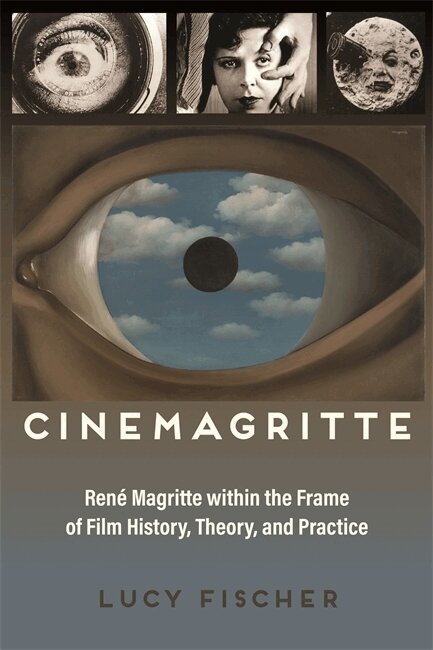
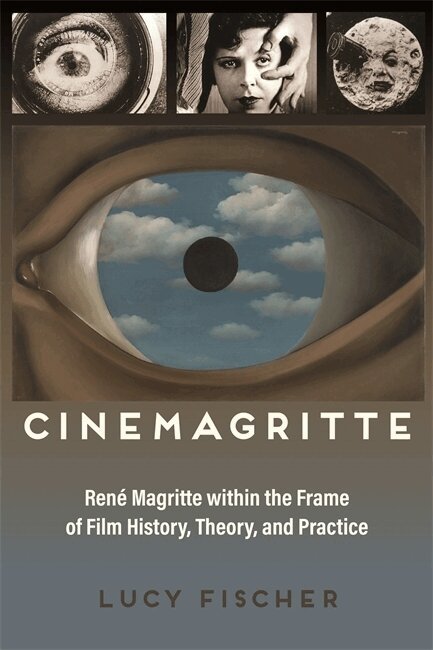
Cinemagritte: René Magritte within the Frame of Film History, Theory, and Practice investigates the dynamic relationship between the Surrealist modernist artist René Magritte (1898-1967) and the cinema-a topic largely ignored in the annals of film and art criticism. Magritte once said that he used cinema as ""a trampoline for the imagination,"" but here author Lucy Fischer reverses that process by using Magritte's work as a stimulus for an imaginative examination of film.While Fischer considers direct influences of film on Magritte and Magritte on film, she concentrates primarily on ""resonances"" of Magritte's work in international cinema-both fiction and documentary, mainstream and experimental. These resonances exist for several reasons. First, Magritte was a lover of cinema and created works as homages to the medium, such as Blue Cinema (1925), which immortalized his childhood movie theater. Second, Magritte's style, though dependent on bizarre juxtapositions, was characterized by surface realism-which ties it to the nature of the photographic and cinematic image. Third, Magritte shares with film a focus on certain significant concepts: the frame, voyeurism, illusionism, the relation between word and image, the face, montage, variable scale, and flexible point of view. Additionally, the volume explores art documentaries concerning Magritte as well as the artist's whimsical amateur ""home movies,"" made with his wife, Georgette, friends, and Belgian Surrealist associates. The monograph is richly illustrated with some forty images of Magritte's oeuvre as well as fifty film stills from such diverse works as The Eternal Sunshine of the Spotless Mind, Eyes Without a Face, American Splendor, The Blood of a Poet, Zorns Lemma, The Island of Dr. Moreau, The Draughtsman's Contract, and many more. Cinemagritte brings a novel and creative approach to the work of Magritte and both film and art criticism. Students, scholars, and fans of art history and film will enjoy this thoughtful marriage of the two.
Häftad, Engelska, 2019
428 kr
Skickas inom 10-15 vardagar
Cinemagritte: René Magritte within the Frame of Film History, Theory, and Practice investigates the dynamic relationship between the Surrealist modernist artist René Magritte (1898-1967) and the cinema-a topic largely ignored in the annals of film and art criticism. Magritte once said that he used cinema as ""a trampoline for the imagination,"" but here author Lucy Fischer reverses that process by using Magritte's work as a stimulus for an imaginative examination of film.While Fischer considers direct influences of film on Magritte and Magritte on film, she concentrates primarily on ""resonances"" of Magritte's work in international cinema-both fiction and documentary, mainstream and experimental. These resonances exist for several reasons. First, Magritte was a lover of cinema and created works as homages to the medium, such as Blue Cinema (1925), which immortalized his childhood movie theater. Second, Magritte's style, though dependent on bizarre juxtapositions, was characterized by surface realism-which ties it to the nature of the photographic and cinematic image. Third, Magritte shares with film a focus on certain significant concepts: the frame, voyeurism, illusionism, the relation between word and image, the face, montage, variable scale, and flexible point of view. Additionally, the volume explores art documentaries concerning Magritte as well as the artist's whimsical amateur ""home movies,"" made with his wife, Georgette, friends, and Belgian Surrealist associates. The monograph is richly illustrated with some forty images of Magritte's oeuvre as well as fifty film stills from such diverse works as The Eternal Sunshine of the Spotless Mind, Eyes Without a Face, American Splendor, The Blood of a Poet, Zorns Lemma, The Island of Dr. Moreau, The Draughtsman's Contract, and many more. Cinemagritte brings a novel and creative approach to the work of Magritte and both film and art criticism. Students, scholars, and fans of art history and film will enjoy this thoughtful marriage of the two.
Häftad, Engelska, 2023
392 kr
Skickas inom 5-8 vardagar
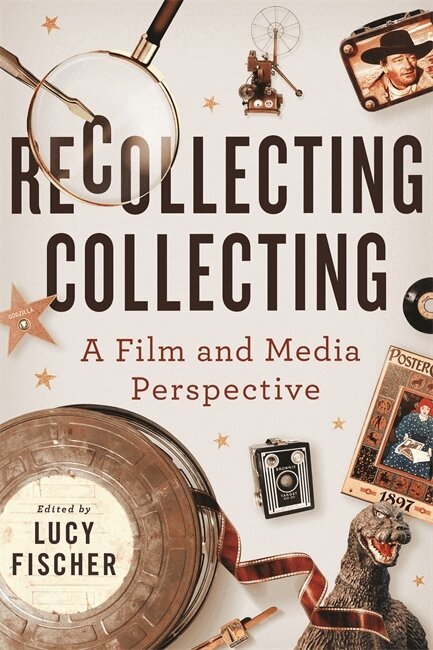
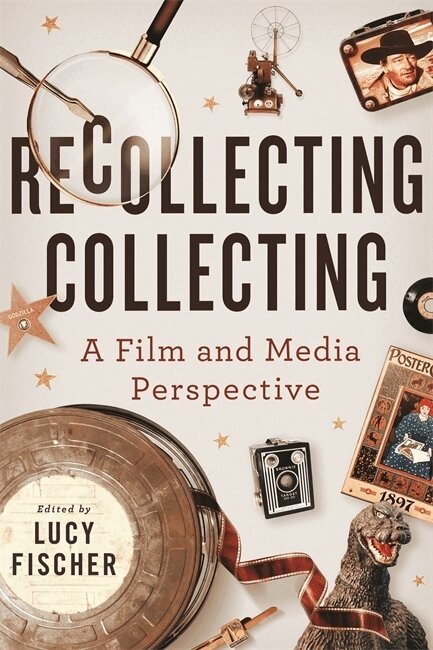
This intriguing volume sheds light on the diverse world of collecting film- and media-related materials. Lucy Fischer's introduction explores theories of collecting and representations of collecting and collections in film, while arguing that collections of film ephemera and other media-related collections are an important way in to understanding the relationship between material culture and film and media studies; she notes that the collectors have various motivations and types of collections. In the eleven chapters that follow, media studies scholars analyze a variety of fascinating collected materials, from Doris Day magazines to Godzilla action figures and LEGOs.While most contributors discuss their personal collections, some also offer valuable insight into specific collections of others. In many cases, collections that began as informal and personal have been built up, accessioned, and reorganized to create teaching and research materials which have significantly contributed to the field of film and media studies. Readers are offered glimpses into diverse collections comprised of films, fan magazines, records, comics, action figures, design artifacts, costumes, props– including Buffy the Vampire Slayer costumes, Planet of the Apes publicity materials, and Amazing Spider Man comics. Recollecting Collecting interrogates and illustrates the meaning and practical nature of film and media collections while also considering the vast array of personal and professional motivations behind their assemblage.
Inbunden, Engelska, 2023
1 066 kr
Skickas inom 10-15 vardagar
This intriguing volume sheds light on the diverse world of collecting film- and media-related materials. Lucy Fischer's introduction explores theories of collecting and representations of collecting and collections in film, while arguing that collections of film ephemera and other media-related collections are an important way in to understanding the relationship between material culture and film and media studies; she notes that the collectors have various motivations and types of collections. In the eleven chapters that follow, media studies scholars analyze a variety of fascinating collected materials, from Doris Day magazines to Godzilla action figures and LEGOs.While most contributors discuss their personal collections, some also offer valuable insight into specific collections of others. In many cases, collections that began as informal and personal have been built up, accessioned, and reorganized to create teaching and research materials which have significantly contributed to the field of film and media studies. Readers are offered glimpses into diverse collections comprised of films, fan magazines, records, comics, action figures, design artifacts, costumes, props– including Buffy the Vampire Slayer costumes, Planet of the Apes publicity materials, and Amazing Spider Man comics. Recollecting Collecting interrogates and illustrates the meaning and practical nature of film and media collections while also considering the vast array of personal and professional motivations behind their assemblage.
Inbunden, Engelska, 2022
1 931 kr
Skickas inom 10-15 vardagar
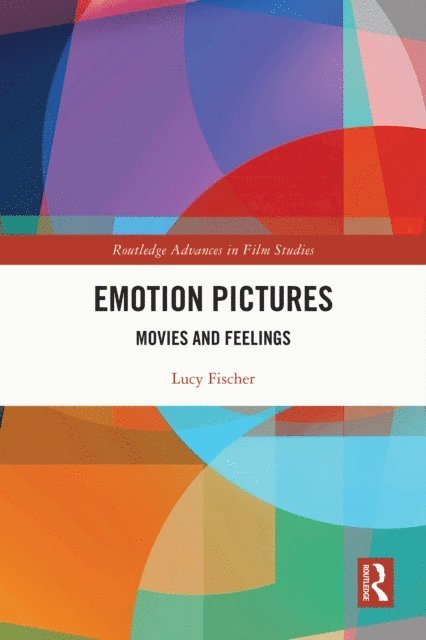
This book investigates a group of exceptional films that single-mindedly consider one particular emotion – be it pity, lust, grief, or anxiety – to examine cinematic emotion in depth.Drawing on philosophical and psychological approaches, Fischer’s unique analysis offers unparalleled case studies for comprehending emotion in the movies. The book provides the reader with an opportunity to contemplate what notion of a particular emotion is advanced onscreen; to describe how the unique tools and aesthetics of cinema are utilized to do so; to place such representations in dialogue with film theory as well as philosophical and psychological commentary; and to illustrate the important dichotomy between filmic portrayals and audience response.Beyond film and media scholars and students, this book will have resonance for academics and practitioners in several fields of psychology, including social work, psychiatry, and therapy.
Häftad, Engelska, 2024
584 kr
Skickas inom 10-15 vardagar
This book investigates a group of exceptional films that single-mindedly consider one particular emotion – be it pity, lust, grief, or anxiety – to examine cinematic emotion in depth.Drawing on philosophical and psychological approaches, Fischer’s unique analysis offers unparalleled case studies for comprehending emotion in the movies. The book provides the reader with an opportunity to contemplate what notion of a particular emotion is advanced onscreen; to describe how the unique tools and aesthetics of cinema are utilized to do so; to place such representations in dialogue with film theory as well as philosophical and psychological commentary; and to illustrate the important dichotomy between filmic portrayals and audience response.Beyond film and media scholars and students, this book will have resonance for academics and practitioners in several fields of psychology, including social work, psychiatry, and therapy.
Häftad, Engelska, 2012
424 kr
Skickas inom 5-8 vardagar
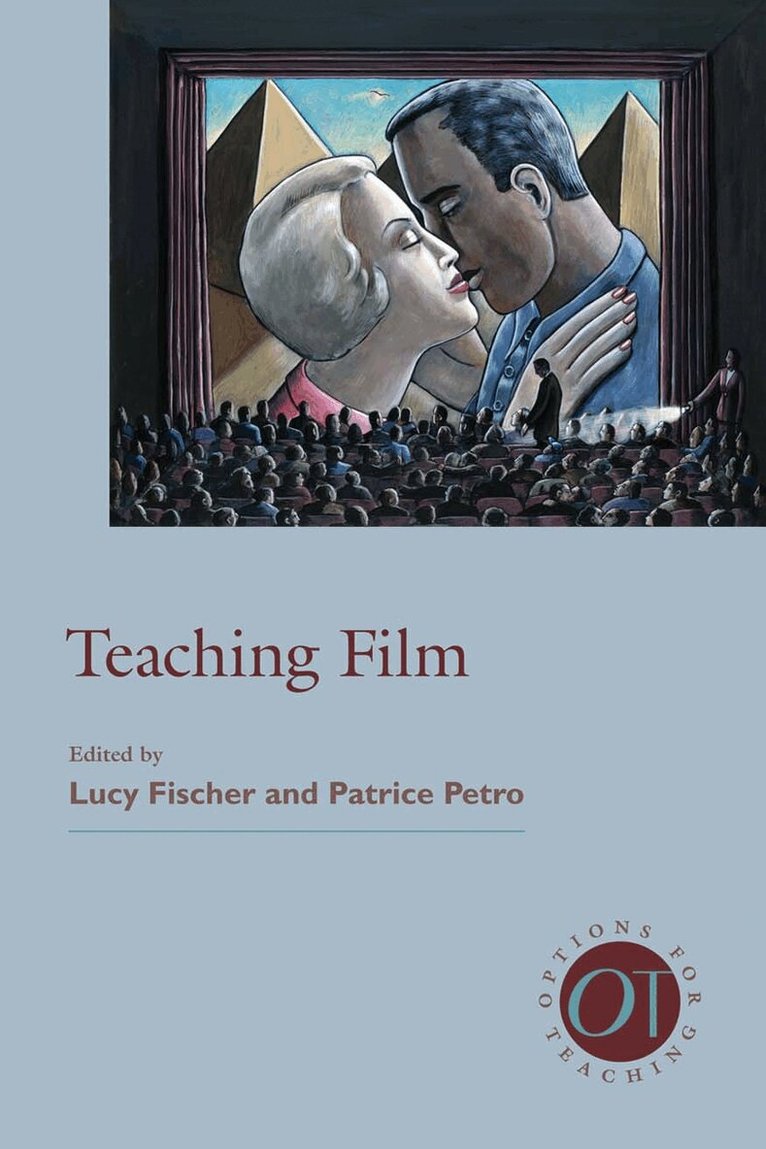
Film studies has been a part of higher education curricula in the United States almost since the development of the medium. Although the study of film is dispersed across a range of academic departments, programs, and scholarly organisations, film studies has come to be recognised as a field in its own right. In an era when teaching and scholarship are increasingly interdisciplinary, film studies continues to expand and thrive, attracting new scholars and fresh ideas, direction, and research.Given the dynamism of the field, experienced and beginning instructors alike need resources for bringing the study of film into the classroom. This volume will help instructors conceptualise contemporary film studies in pedagogical terms. The first part of the volume features essays on theory and on representation, including gender, race, and sexuality. Contributors then examine the geographies of cinema and offer practical suggestions for structuring courses on national, regional, and transnational film. Several essays focus on interdisciplinary approaches, while others describe courses designed around genre (film noir, the musical), mode (animation, documentary, avant-garde film), or the formal elements of film, such as sound, music, and mise-en-scène. The volume closes with a section on film and media in the digital age, in which contributors discuss the opportunities and challenges presented by access to resources, media convergence, and technological developments in the field.
Häftad, Engelska, 2020
166 kr
Skickas
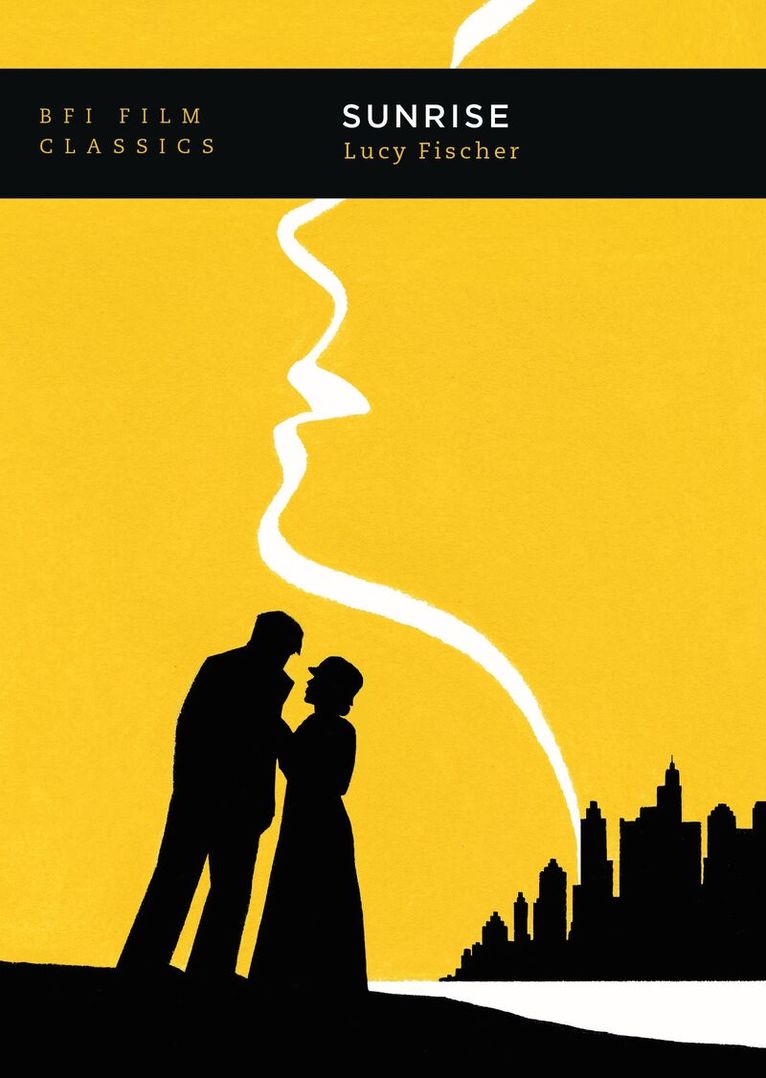
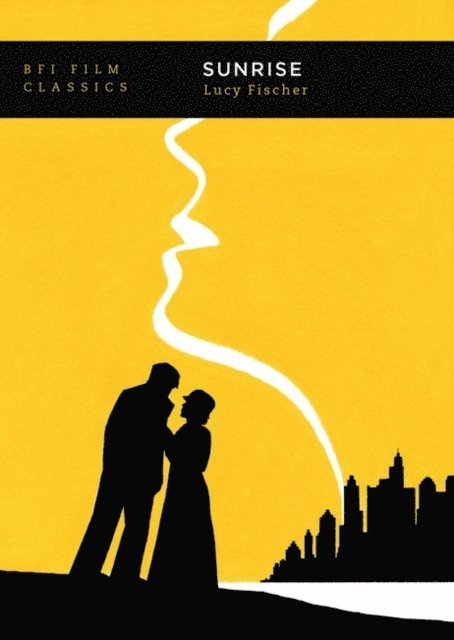
Sunrise: A Song of Two Humans (1927) is one of the most historically pivotal of all films. The first American film of the celebrated German director F.W. Murnau, Sunrise tells the story of a love triangle between characters named only as The Man, The Wife, and The Woman from the City.Lucy Fischer’s compelling study of the film shows how it mediates between German expressionism and American melodrama, the avantgarde and popular film, silent cinema and ‘talkies’. A lavish and sumptuous production famous for its vast, specially-constructed sets, and one of the first feature films with a synchronized musical score and sound effects soundtrack, Sunrise was one of early Hollywood's most ambitious undertakings. In her foreword to this new edition, Lucy Fischer considers the film as an abiding classic of world cinema.
Inbunden, Engelska, 2017
875 kr
Tillfälligt slut
Art Nouveau thrived from the late 1890s through the First World War. The international design movement reveled in curvilinear forms and both playful and macabre visions and had a deep impact on cinematic art direction, costuming, gender representation, genre, and theme. Though historians have long dismissed Art Nouveau as a decadent cultural mode, its tremendous afterlife in cinema proves otherwise. In Cinema by Design, Lucy Fischer traces Art Nouveau's long history in films from various decades and global locales, appreciating the movement's enduring avant-garde aesthetics and dynamic ideology. Fischer begins with the portrayal of women and nature in the magical "trick films" of the Spanish director Segundo de Chomon; the elite dress and decor design choices in Cecil B. DeMille's The Affairs of Anatol (1921); and the mise-en-scene of fantasy in Raoul Walsh's The Thief of Bagdad (1924). Reading Salome (1923), Fischer shows how the cinema offered an engaging frame for adapting the risque works of Oscar Wilde and Aubrey Beardsley.Moving to the modern era, Fischer focuses on a series of dramatic films, including Michelangelo Antonioni's The Passenger (1975), that make creative use of the architecture of Antoni Gaudi; and several European works of horror-The Abominable Dr. Phibes (1971), Deep Red (1975), and The Strange Color of Your Body's Tears (2013)-in which Art Nouveau architecture and narrative supply unique resonances in scenes of terror. In later chapters, she examines films like Klimt (2006) that portray the style in relation to the art world and ends by discussing the Art Nouveau revival in 1960s cinema. Fischer's analysis brings into focus the partnership between Art Nouveau's fascination with the illogical and the unconventional and filmmakers' desire to upend viewers' perception of the world. Her work explains why an art movement embedded in modernist sensibilities can flourish in contemporary film through its visions of nature, gender, sexuality, and the exotic.