Luigi Spina - Böcker
Visar alla böcker från författaren Luigi Spina. Handla med fri frakt och snabb leverans.
7 produkter
7 produkter
1 168 kr
Skickas inom 7-10 vardagar
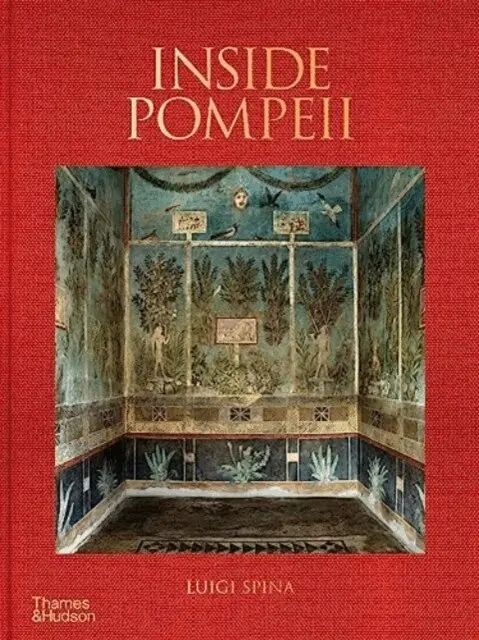
'Not just the best book of photographs of one of the greatest – and most photographed – places on earth but, amazingly (and appropriately), a book one can live in' Geoff Dyer 'Spina’s seductive photographs chronicle the lush interiors, the rich mosaics and frescoes and a vivid urban streetscape. A visual feast' Best books of 2023 - Edwin Heathcote, Financial Times A visually stunning, intimate photographic tour of Pompeii’s spaces, including many that have never been seen by the public. Pompeii, one of the most astonishing and well-preserved sites of classical antiquity, is also one of the world’s most visited architectural sites. This lavish volume takes readers on a tour of Pompeii through an array of visually compelling and original photographs by Italian artist Luigi Spina. Produced in partnership with the Parco Archeologico di Pompei, readers are expertly guided through the Roman city’s nine districts, including many hidden corners that are inaccessible to most visitors. Pompeii’s architecture is a central feature of the images, which were shot at all times of day, in all seasons, and in natural light. Lacy peristyles and rows of column fragments give way to intimate, atmospheric interior spaces. Mosaic floors and beautiful – albeit fragmentary – wall paintings are reproduced with stunning fidelity and sensitivity. The book also includes an essay by Gabriel Zuchtriegel, director of the Pompeii archaeological park, and several meditations on the history, architecture and natural beauty of the city. Inside Pompeii provides the wondrous experience of wandering through this remarkable site without ever leaving home.
1 175 kr
Skickas inom 3-6 vardagar
306 kr
Skickas inom 11-20 vardagar
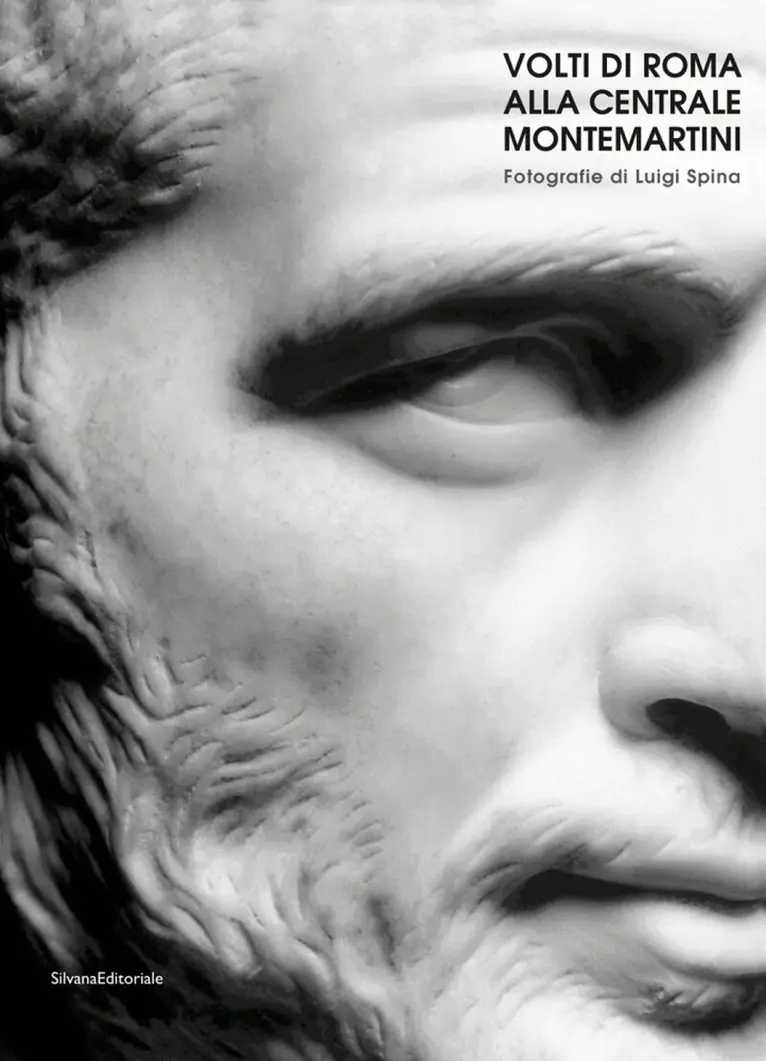
Faces of Rome presents refined photographic research by Lugi Spina on the subject of ancient portraiture, carried out on the sculpture collection of the Capitoline Museums, housed in the Centrale Montemartini in Rome. At over 600 statues, the collection is one of the most important in the world.The photographs of the pieces have not been ordered and classified according to style and chronological order: instead, the author has set them out according to a system of evocations and similarities between the assorted faces, which are identified after long observation and deep analysis, and revealed through the skilful use of light and shadow.Text in English and Italian.
653 kr
Skickas
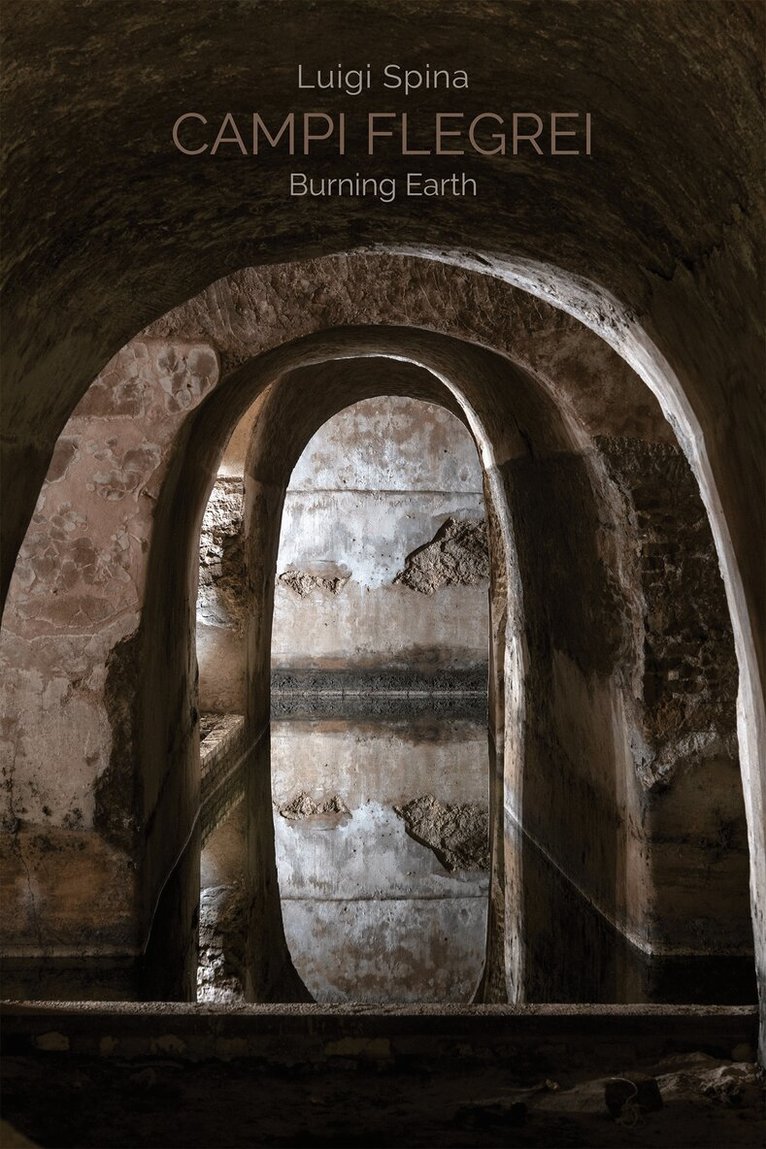
Campi Flegrei, near Naples, is a seismically active landscape that attracts, stimulates, and challenges. It seduces the soul, engages perception, and demands to be interpreted rather than merely registered.People have chosen to live amongst these unique geological and volcanic features, weaving the fabric of human occupation and taming a land in perpetual transformation, one of the harshest yet most enchanting environments. Mankind has matched its own impermanence against the earth’s inevitable and unrestrained convulsions, in the process hewing out some of the most glorious examples of human endeavour, such as Cumae, the oldest Greek colony in the Western Mediterranean, the bustling Roman port of Puteoli, and the “dolce vita” savoured in the baths and villas dotted around the Bay of Baiae.Luigi Spina has been exploring this land since 2020, delving into the complex, stratified geography. Key landmarks include places of memory (archaeological sites, monuments, landscapes), which, like true benchmarks of perception, outline the path towards an understanding of a world that links nature, ancient ruins, and the overwhelming presence of mankind. Balanced between mimicry and contradiction, the Campi Flegrei landscape is now blanketed by a dense urban sprawl, where the ancient and the contemporary coexist in a kind of precarious equilibrium, generating a complex socio-cultural state of affairs that is challenging to govern.Spina explores and photographs places such as the Dragonara Cave, the Piscina Mirabilis, the Theatre of Misenum, the Flavian Amphitheatre at Puteoli, the Temple of Apollo on the shores of Lake Avernus, and the Temples of Venus and Diana, as he wanders through the hills above Baiae, finally heading towards Cumae.
596 kr
Tillfälligt slut
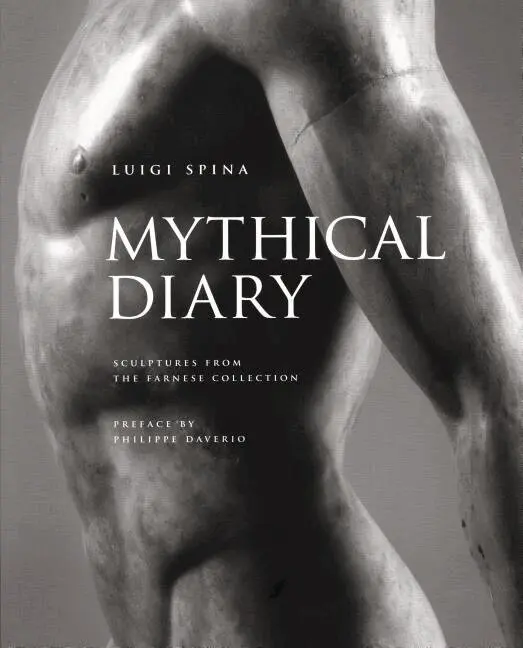
Mythical Diary is a visual journey through the classical sculpture of Museo ArcheologicoNazionale di Napoli. It is a physical engagement with the marble bodies of myth.Through his black and white photography, Luigi Spina disassembles the limbs of the sculptures,emphasising their curves and hidden eroticism, humanising them to establish a dialogue withthe observer.A sculpture is the sign of eternal, unchanging beauty: the only real evidence of the many livesthat have passed and come to an end leaving a profound mark in the story of many otherexistences. For Spina, with his own vision of sculpture, a statue of Aphrodite is not merely astereotypical portrayal of myth. In it are gathered the anxieties, dreams, hopes and joys of allthose who have set eyes on her and dreamed or studied her. In a way, classical sculpture isprofoundly present in our veins, in our very breath.The project takes the form of an imaginary diary covering fifteen days. But this is only anephemeral period of time, a convention. The whole work developed over a period of daysand months amounting to years, always in contact with the circumscribed space made ofmyriad lives and stories, which we call a museum.In Mythical Diary, Spina attempts to make classical sculpture interact with the viewer's desireto be a part of this ancient world that has always influenced our way of life, our culture andour society, proving itself to be contemporary with any period.
606 kr
Skickas
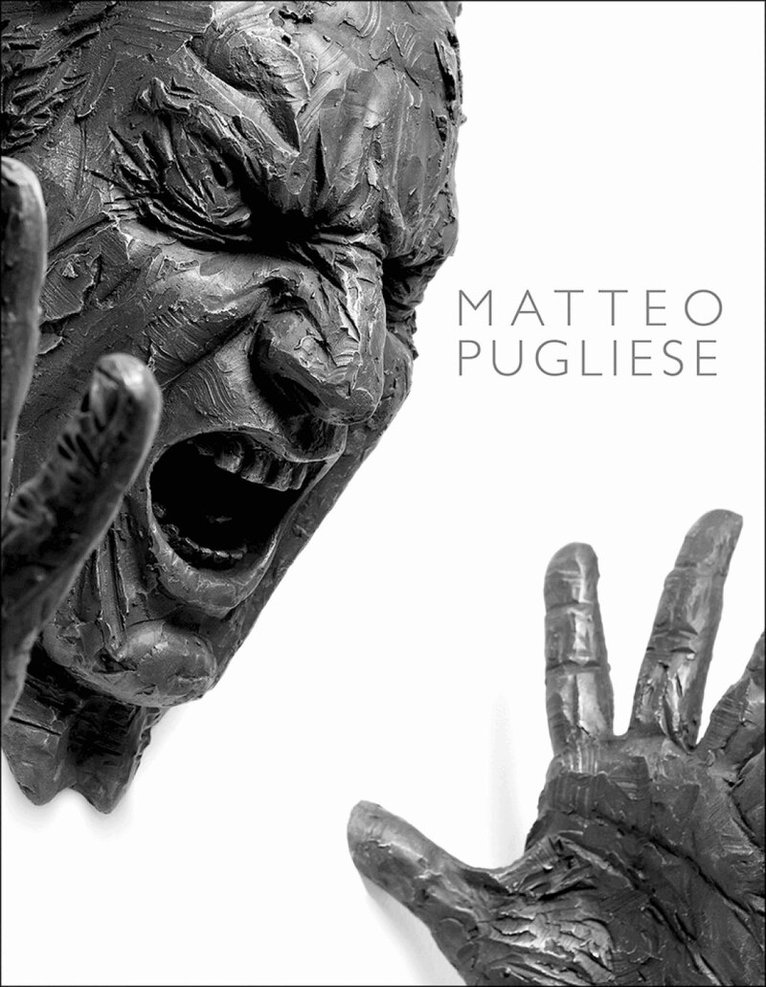
This book offers a review of Matteo Pugliese’s art over the past 20 years. The figures the Milanese sculptor creates are distinguished by their great power, revealing an inner torment that can no longer be disguised. The men depicted in his sculptures are all trying to break free of the wall that holds them, to throw off their limitations and assert their value as individuals in the hopes of escaping from dull uniformity and social and family expectations. These are people who are attempting to achieve a painful rebirth by struggling against materialised restraint — a wall — that seeks to prevent them expressing themselves, growing and therefore existing. The artist chooses to portray the moment of greatest effort, of supreme tension, the instant when a man regains control of his life and struggles against what is holding him trapped so as to restore a sense of purpose in his life. The carefully studied poses of his figures recall ancient models, in the same way as the material from which they are fashioned is also ancient. Luigi Spina’s lens knowingly lingers on these figures’ troubled birth and enables the reader, admirer, and art historian to acquire an intimate understanding of the sculpture and even to feel a part of the travails and manifest vulnerability that grip all of humanity.Text in English and Italian.
434 kr
Tillfälligt slut
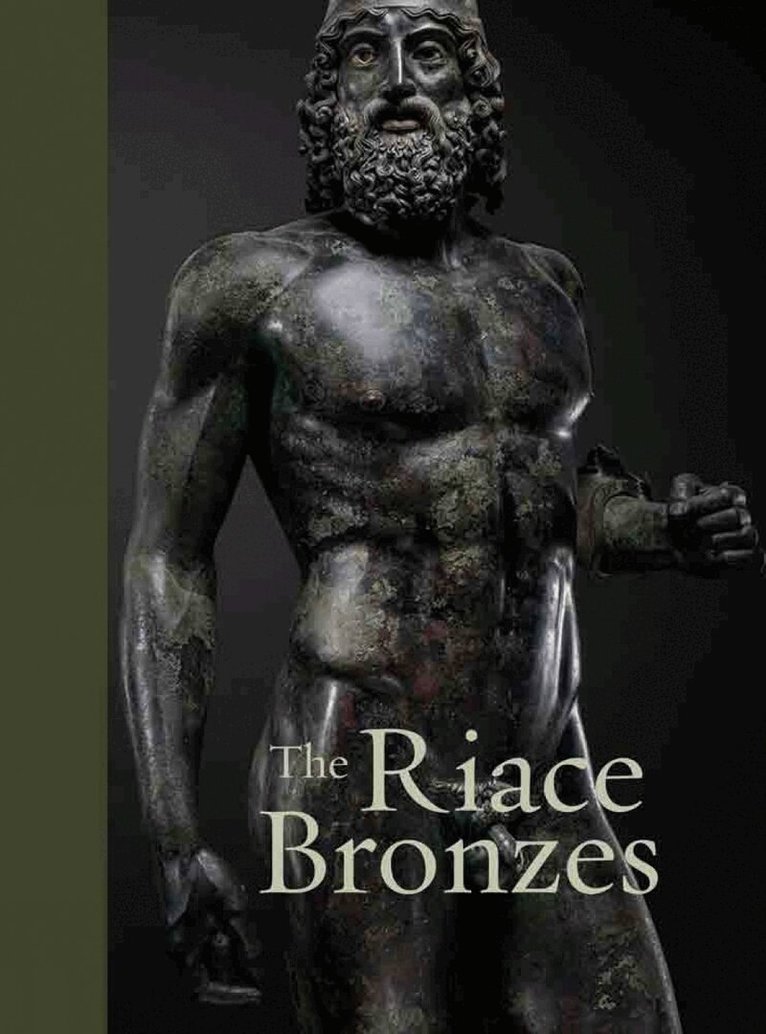
This publication was designed to celebrate the 50th anniversary of the discovery of the Riace Bronzes. In it, Luigi Spina’s photographic research dialogues with the texts written by Carmelo Malacrino.The photographer here develops a continued narrative, offering a direct comparison between the two sculptures, identified as A and B, exploring interpretations of the physicality of the two subjects as well as the three-dimensional quality of the bronze bodies, often concealed by the two-dimensional appearance of photographic images.Carmelo Malacrino analyses these famous 5th century BC masterpieces from two points of view: as ancient works of art on the one hand, and considering their significance for contemporary culture on the other. He retraces the story of the Bronzes beginning with their discovery in August, 1972, exploring the circumstances of their unearthing, the restoration they underwent, the exhibitions in which they were shown, as well as the impact they have had on the public, both nationally and internationally. Equally relevant is the reinterpretation of these two statues, beginning with their contextualisation in the sphere of ancient Greek art, the related stylistic issues, and the reflection upon the practices and the knowledge possessed by Classical sculpture workshops.This volume will be a pleasant surprise for those of you who love Classical sculpture, for archaeology enthusiasts, and for all those who aren’t satisfied with a quick glance when it comes to admiring a work of art.