Luís António Raio Vilela – författare
Visar alla böcker från författaren Luís António Raio Vilela. Handla med fri frakt och snabb leverans.
14 produkter
Partial Differentials with Applications to Thermodynamics and Compressible Flow
Av Luis Manuel Braga da Costa Campos, Luís António Raio Vilela
2022
2994 kr
Lägg i varukorg
This book is part of the series “Mathematics and Physics Applied to Science and Technology.” It combines rigorous mathematics with general physical principles to model practical engineering systems with a detailed derivation and interpretation of results. The book presents the mathematical theory …
Partial Differentials with Applications to Thermodynamics and Compressible Flow
Av Luis Manuel Braga da Costa Campos, Luís António Raio Vilela
2024
1690 kr
Lägg i varukorg
This book is part of the series “Mathematics and Physics Applied to Science and Technology.” It combines rigorous mathematics with general physical principles to model practical engineering systems with a detailed derivation and interpretation of results. The book presents the mathematical theory …
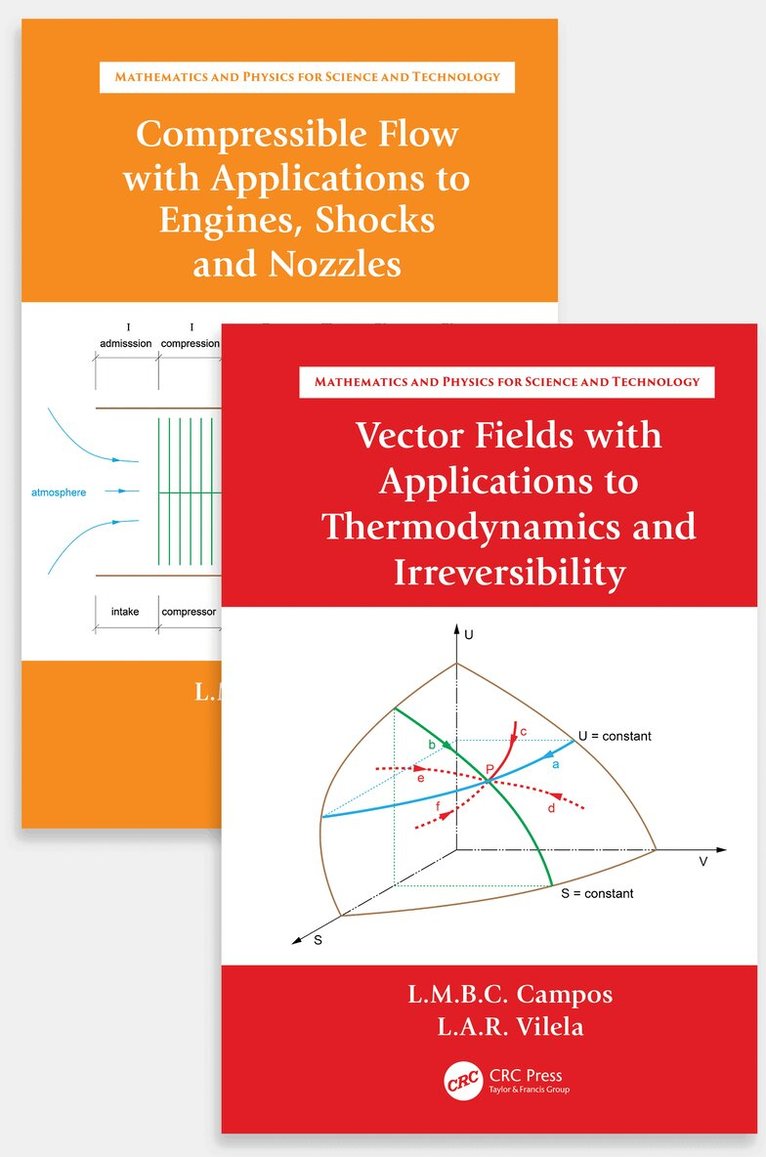
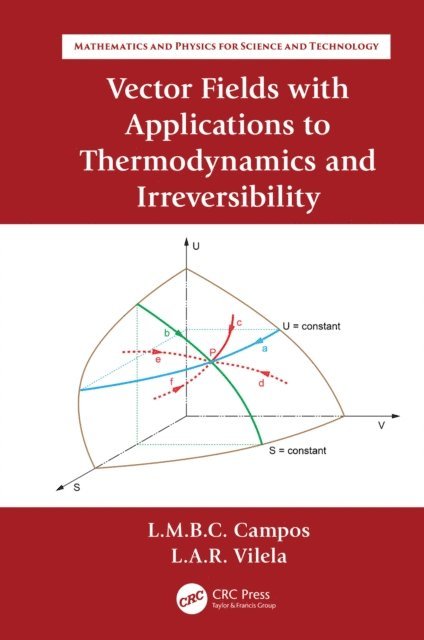
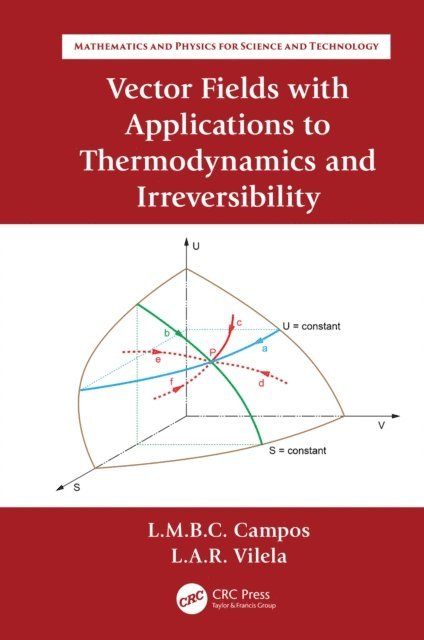
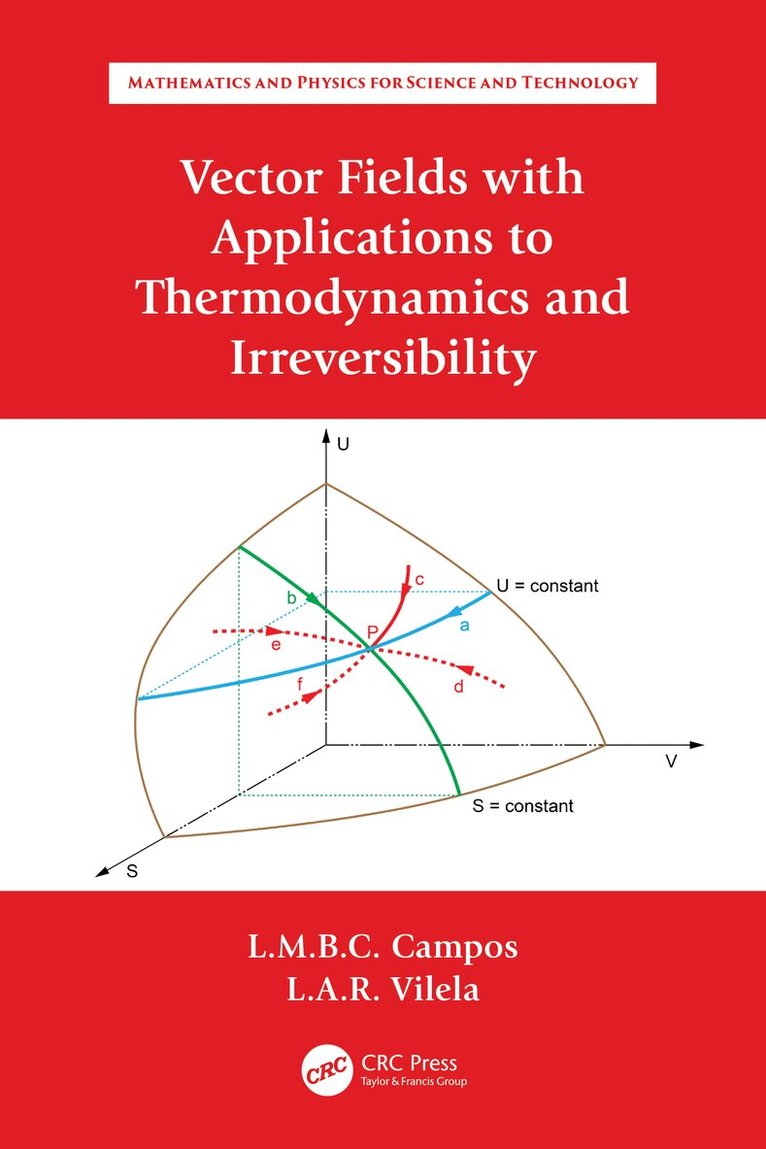
Vector Fields with Applications to Thermodynamics and Irreversibility
Av Luis Antonio Raio Vilela, Luis Manuel Braga da Costa Campos
E-bok, 2022
883 kr
Lägg i varukorg
Vector Fields with Applications to Thermodynamics and Irreversibility is part of the series "Mathematics and Physics for Science and Technology", which combines rigorous mathematics with general physical principles to model practical engineering systems with a detailed derivation and interpretation …
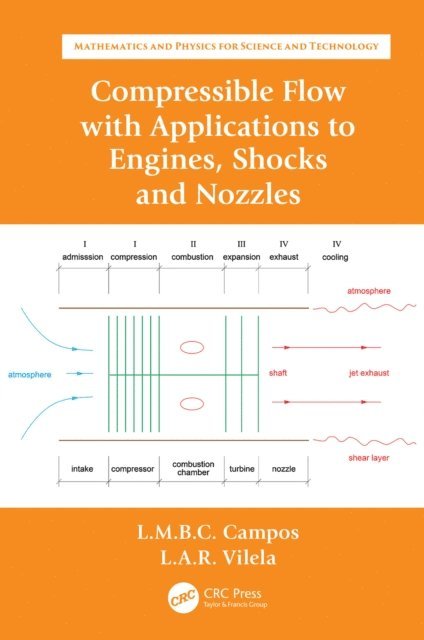
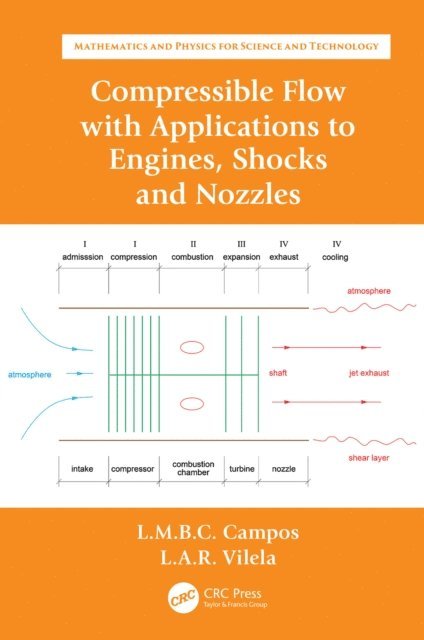
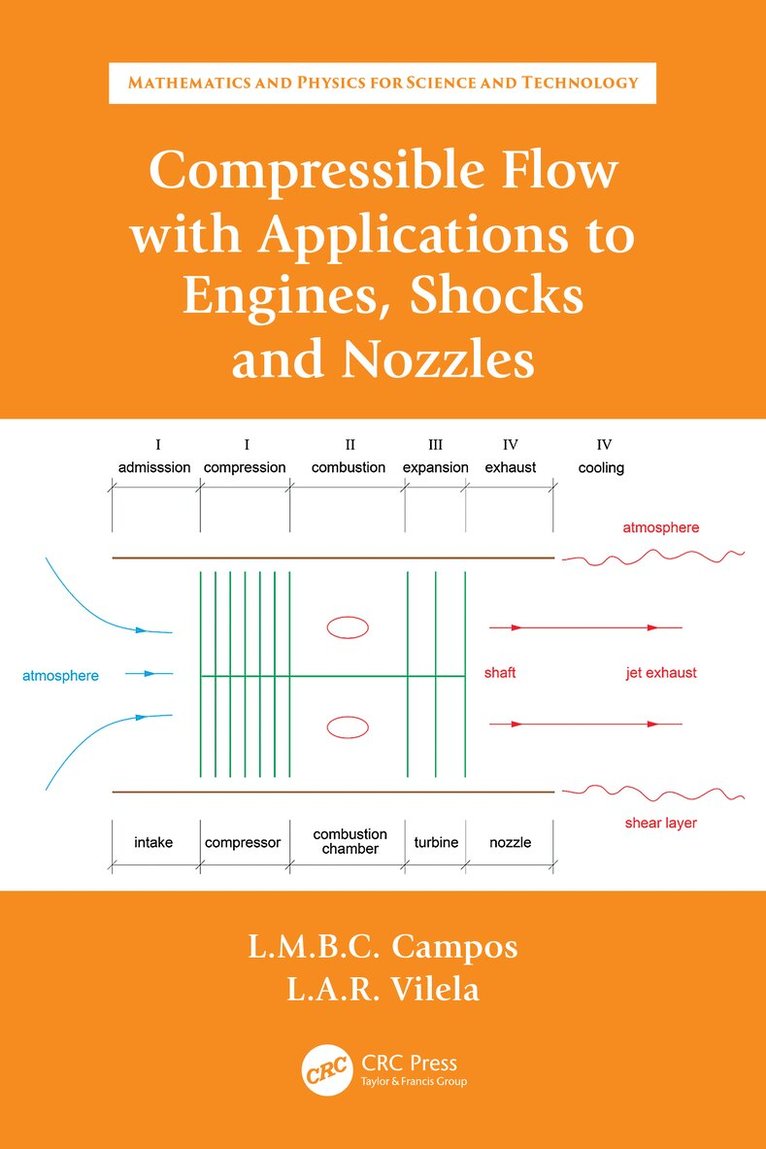
Compressible Flow with Applications to Engines, Shocks and Nozzles
Av Luis Antonio Raio Vilela, Luis Manuel Braga da Costa Campos
E-bok, 2022
883 kr
Lägg i varukorg
Compressible Flow with Application to Shocks and Propulsion is part of the series "Mathematics and Physics for Science and Technology", which combines rigorous mathematics with general physical principles to model practical engineering systems with a detailed derivation and interpretation of …
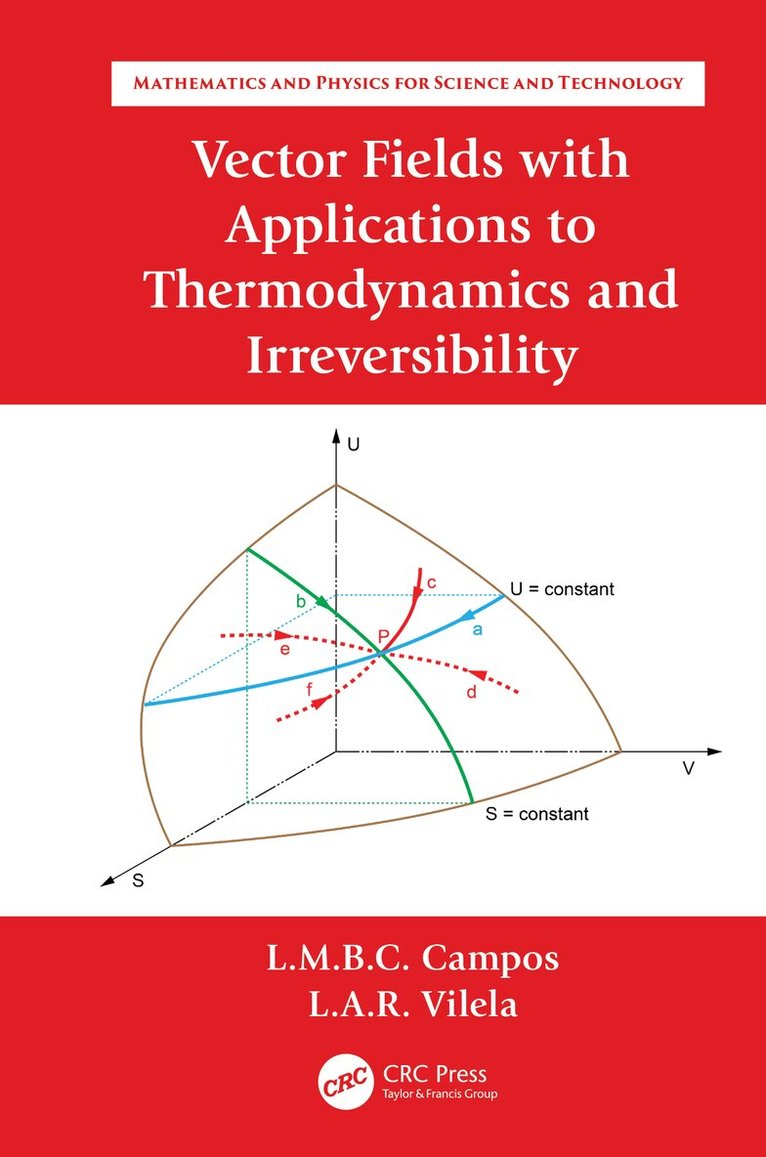
Vector Fields with Applications to Thermodynamics and Irreversibility
Av Luis Antonio Raio Vilela, Luis Manuel Braga da Costa Campos
E-bok, 2022
883 kr
Lägg i varukorg
Vector Fields with Applications to Thermodynamics and Irreversibility is part of the series "Mathematics and Physics for Science and Technology", which combines rigorous mathematics with general physical principles to model practical engineering systems with a detailed derivation and interpretation …
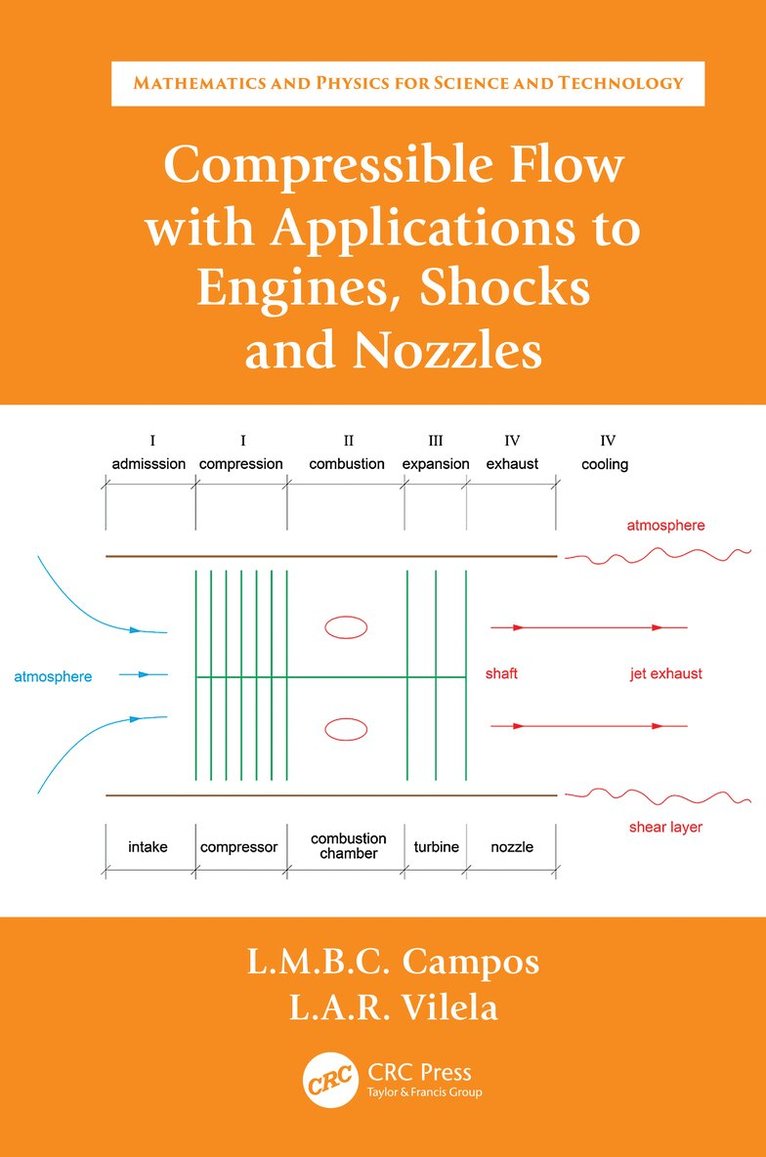
Compressible Flow with Applications to Engines, Shocks and Nozzles
Av Luis Antonio Raio Vilela, Luis Manuel Braga da Costa Campos
E-bok, 2022
883 kr
Lägg i varukorg
Compressible Flow with Application to Shocks and Propulsion is part of the series "Mathematics and Physics for Science and Technology", which combines rigorous mathematics with general physical principles to model practical engineering systems with a detailed derivation and interpretation of …
Vector Fields with Applications to Thermodynamics and Irreversibility
Av Luis Manuel Braga da Costa Campos, Luís António Raio Vilela
Inbunden, 2022
1520 kr
Lägg i varukorg
Vector Fields with Applications to Thermodynamics and Irreversibility is part of the series "Mathematics and Physics for Science and Technology", which combines rigorous mathematics with general physical principles to model practical engineering systems with a detailed derivation and interpretation …
Compressible Flow with Applications to Engines, Shocks and Nozzles
Av Luis Manuel Braga da Costa Campos, Luís António Raio Vilela
Inbunden, 2022
1520 kr
Lägg i varukorg
Compressible Flow with Application to Shocks and Propulsion is part of the series "Mathematics and Physics for Science and Technology", which combines rigorous mathematics with general physical principles to model practical engineering systems with a detailed derivation and interpretation of …
Compressible Flow with Applications to Engines, Shocks and Nozzles
Av Luis Manuel Braga da Costa Campos, Luís António Raio Vilela
Häftad, 2024
749 kr
Lägg i varukorg
Compressible Flow with Application to Shocks and Propulsion is part of the series "Mathematics and Physics for Science and Technology", which combines rigorous mathematics with general physical principles to model practical engineering systems with a detailed derivation and interpretation of …
Vector Fields with Applications to Thermodynamics and Irreversibility
Av Luis Manuel Braga da Costa Campos, Luís António Raio Vilela
Häftad, 2024
749 kr
Lägg i varukorg
Vector Fields with Applications to Thermodynamics and Irreversibility is part of the series "Mathematics and Physics for Science and Technology", which combines rigorous mathematics with general physical principles to model practical engineering systems with a detailed derivation and interpretation …
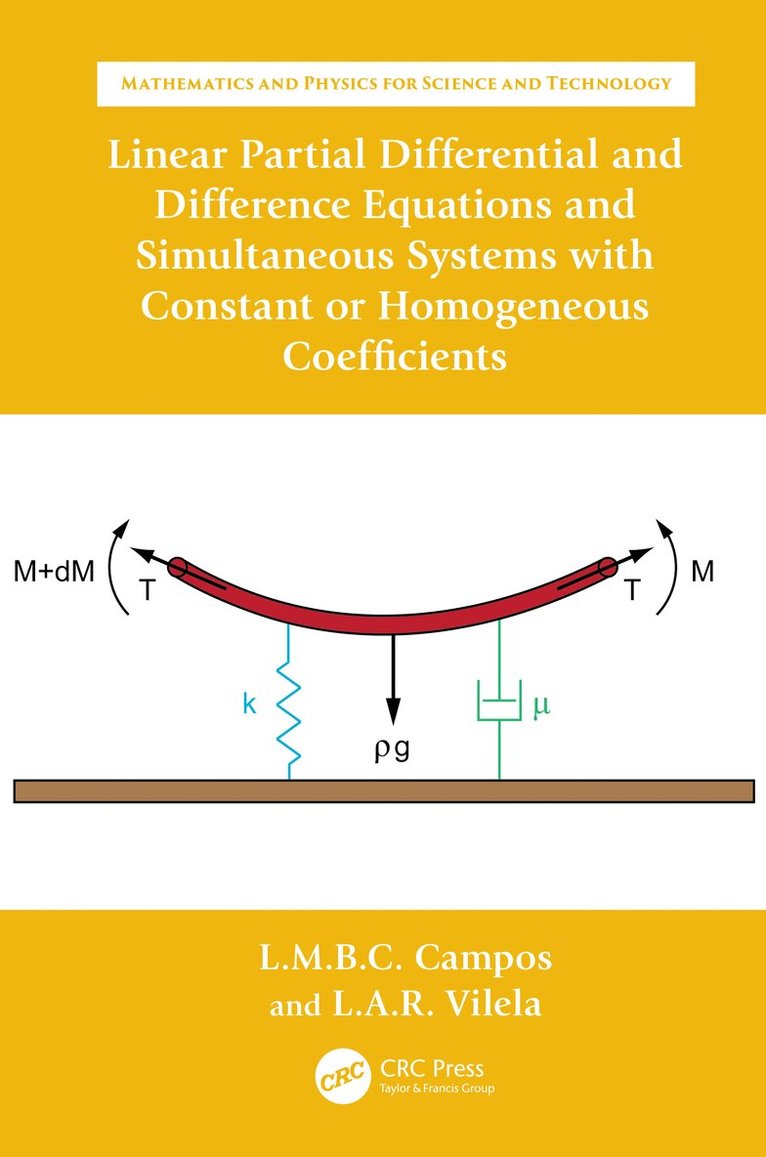
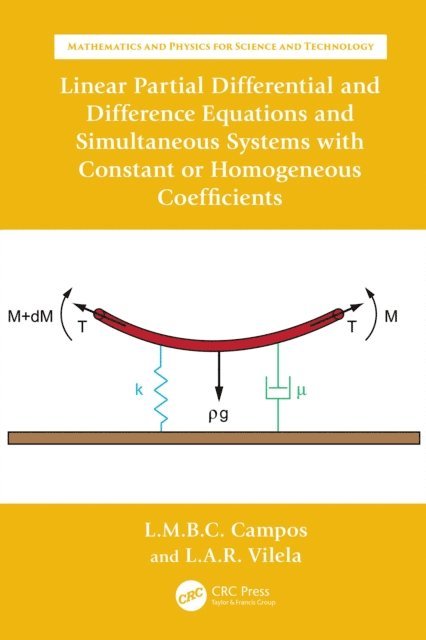
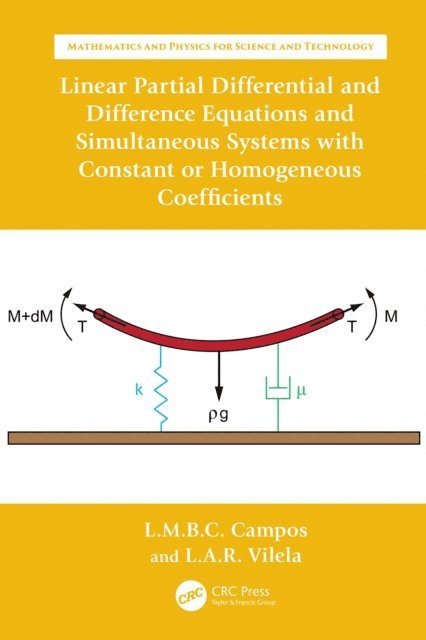
Linear Partial Differential and Difference Equations and Simultaneous Systems with Constant or Homogeneous Coefficients
Av Luis Manuel Braga da Costa Campos, Luís António Raio Vilela
Inbunden, 2024
1520 kr
Lägg i varukorg
Linear Partial Differential and Difference Equations and Simultaneous Systems: With Constant or Homogeneous Coefficients is part of the series "Mathematics and Physics for Science and Technology," which combines rigorous mathematics with general physical principles to model practical engineering …
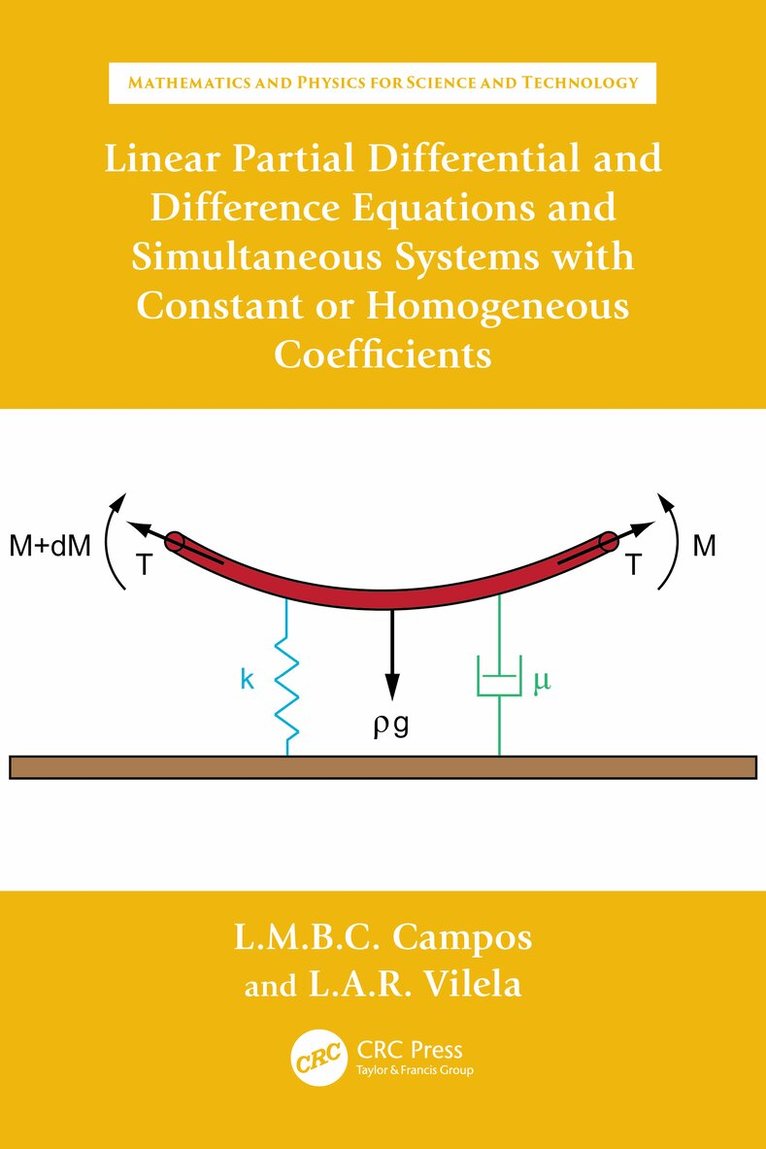
Linear Partial Differential and Difference Equations and Simultaneous Systems with Constant or Homogeneous Coefficients
Av Luis Manuel Braga da Costa Campos, Luís António Raio Vilela
Häftad, 2025
822 kr
Lägg i varukorg
Linear Partial Differential and Difference Equations and Simultaneous Systems: With Constant or Homogeneous Coefficients is part of the series "Mathematics and Physics for Science and Technology," which combines rigorous mathematics with general physical principles to model practical engineering …
Linear Partial Differential and Difference Equations and Simultaneous Systems with Constant or Homogeneous Coefficients
Av Luis Antonio Raio Vilela, Luis Manuel Braga da Costa Campos
E-bok, 2024
949 kr
Lägg i varukorg
Linear Partial Differential and Difference Equations and Simultaneous Systems: With Constant or Homogeneous Coefficients is part of the series "Mathematics and Physics for Science and Technology," which combines rigorous mathematics with general physical principles to model practical engineering …
Linear Partial Differential and Difference Equations and Simultaneous Systems with Constant or Homogeneous Coefficients
Av Luis Antonio Raio Vilela, Luis Manuel Braga da Costa Campos
E-bok, 2024
949 kr
Lägg i varukorg
Linear Partial Differential and Difference Equations and Simultaneous Systems: With Constant or Homogeneous Coefficients is part of the series "Mathematics and Physics for Science and Technology," which combines rigorous mathematics with general physical principles to model practical engineering …