Luis Felipe Mantilla – författare
Visar alla böcker från författaren Luis Felipe Mantilla. Handla med fri frakt och snabb leverans.
14 produkter
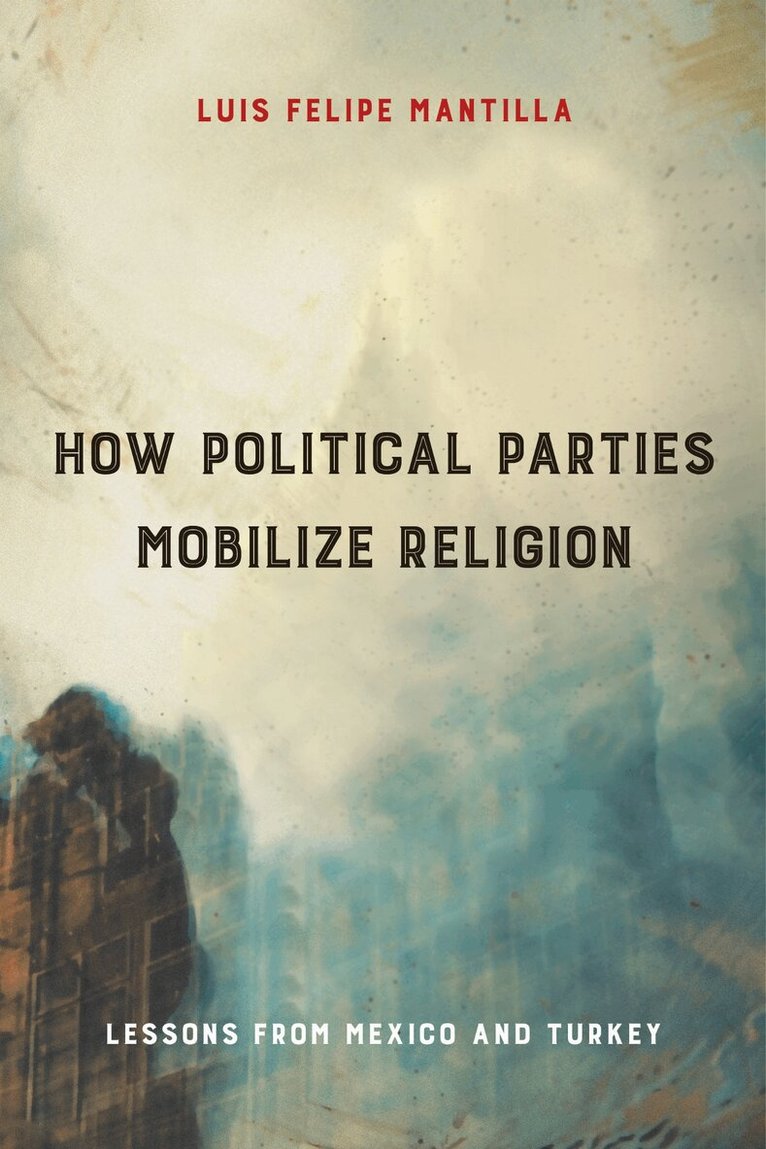
How Political Parties Mobilize Religion
Lessons from Mexico and Turkey
Inbunden, 2021
1238 kr
Lägg i varukorg
Political mobilization tends to take different forms in contemporary Catholic- and Sunni-majority countries. Luis Felipe Mantilla attributes this dynamic to changes taking place in religious communities and the political institutions that govern religious political engagement. In How Political …
How Political Parties Mobilize Religion
Lessons from Mexico and Turkey
Häftad, 2021
386 kr
Lägg i varukorg
Political mobilization tends to take different forms in contemporary Catholic- and Sunni-majority countries. Luis Felipe Mantilla attributes this dynamic to changes taking place in religious communities and the political institutions that govern religious political engagement. In How Political …
![Luis Felipe Mantilla - Libro De Lectura No. 1-[3], Issue 1..., Inbunden. Tillgänglighet: Lägg i varukorg](https://image.bokus.com/images2/9781017235869_766)
![Luis Felipe Mantilla - Libro De Lectura No. 1-[3], Issue 1..., Häftad. Tillgänglighet: Lägg i varukorg](https://image.bokus.com/images2/9781017240993_766)
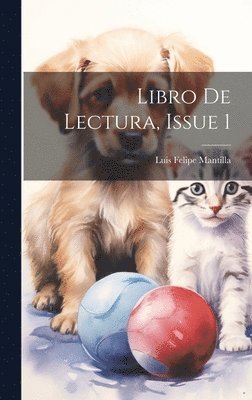
![Luis Felipe Mantilla - Libro De Lectura No. 1-[3], Volume 2..., Inbunden. Tillgänglighet: Lägg i varukorg](https://image.bokus.com/images2/9781019484449_766)
![Luis Felipe Mantilla - Libro De Lectura No. 1-[3], Volume 1..., Inbunden. Tillgänglighet: Lägg i varukorg](https://image.bokus.com/images2/9781019538876_766)
![Luis Felipe Mantilla - Libro De Lectura No. 1-[3], Volume 3..., Inbunden. Tillgänglighet: Lägg i varukorg](https://image.bokus.com/images2/9781019556313_766)

![Luis Felipe Mantilla - Libro De Lectura No. 1-[3], Volume 2..., Häftad. Tillgänglighet: Lägg i varukorg](https://image.bokus.com/images2/9781021245243_766)
![Luis Felipe Mantilla - Libro De Lectura No. 1-[3], Volume 1..., Häftad. Tillgänglighet: Lägg i varukorg](https://image.bokus.com/images2/9781021299499_766)
![Luis Felipe Mantilla - Libro De Lectura No. 1-[3], Volume 3..., Häftad. Tillgänglighet: Lägg i varukorg](https://image.bokus.com/images2/9781021308764_766)