Luisa Cortesi - Böcker
Visar alla böcker från författaren Luisa Cortesi. Handla med fri frakt och snabb leverans.
4 produkter
4 produkter
1 738 kr
Skickas inom 7-10 vardagar
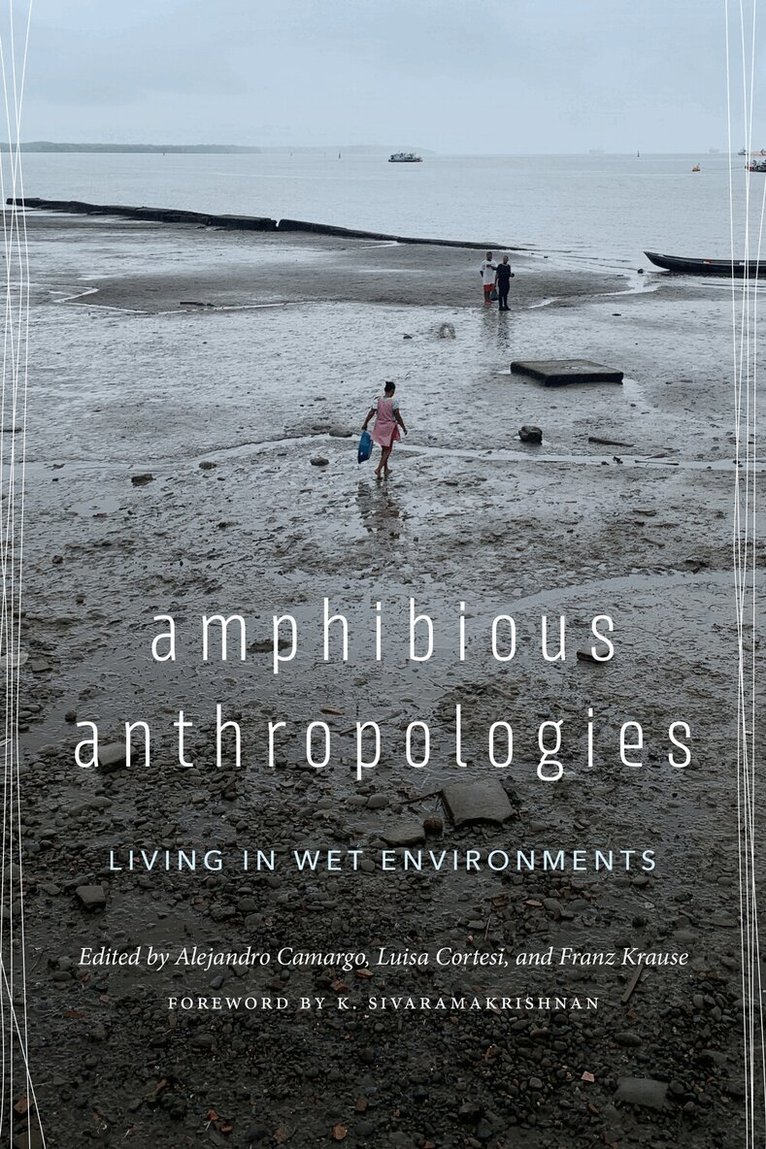
Muddying the divide between land and waterThis interdisciplinary collection delves into the experiences and meanings of life in environments where water levels and availability are in constant flux. Amphibious Anthropologies brings together a global set of case studies, from Italy’s historic marshes to the tidal pools of the Bahamas, to show how living with unpredictable wetness has become crucial in the age of climate crisis. The book introduces “amphibious anthropologies” as a framework to challenge the dichotomy of water and land and interrogate spaces marked by rapid and profound environmental change. It brings to light the everyday creativity and uncertainty in wet environments like California’s Salton Sea and India’s North Bihar floodplain. Engaging with disciplines like anthropology, geography, and STS, this work offers a timely discourse on environmental change and resilience.
441 kr
Skickas
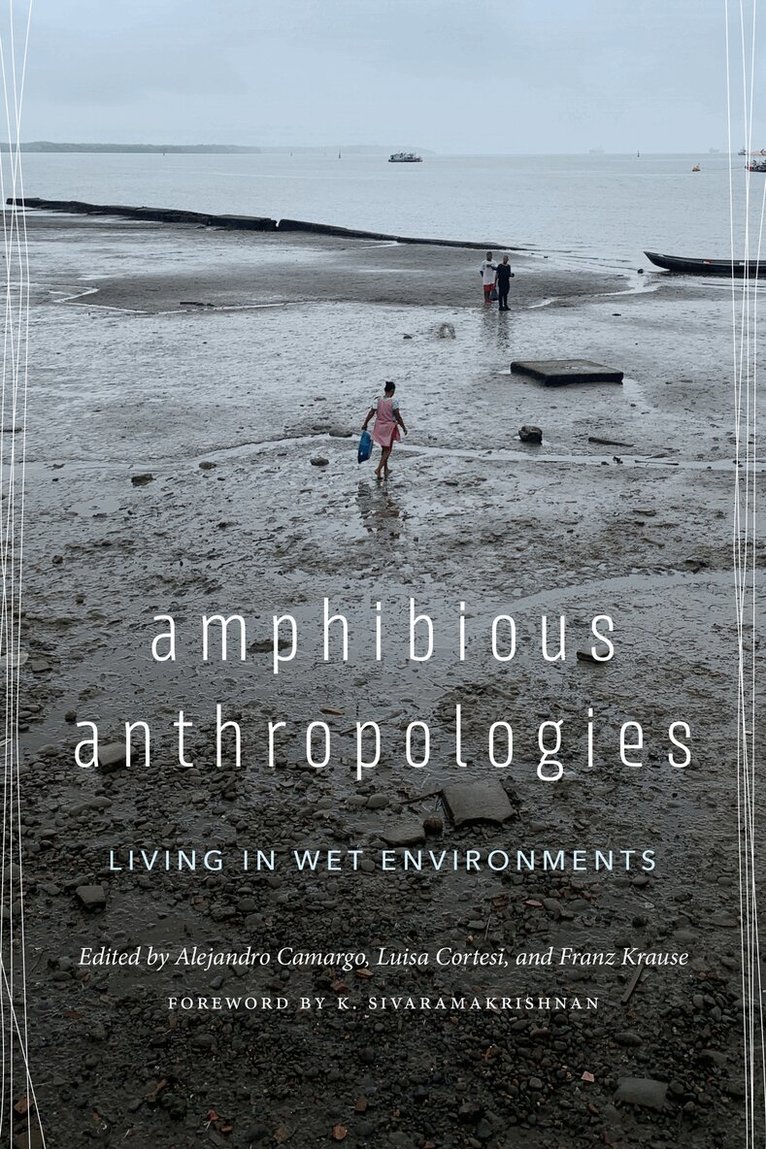
Muddying the divide between land and waterThis interdisciplinary collection delves into the experiences and meanings of life in environments where water levels and availability are in constant flux. Amphibious Anthropologies brings together a global set of case studies, from Italy’s historic marshes to the tidal pools of the Bahamas, to show how living with unpredictable wetness has become crucial in the age of climate crisis. The book introduces “amphibious anthropologies” as a framework to challenge the dichotomy of water and land and interrogate spaces marked by rapid and profound environmental change. It brings to light the everyday creativity and uncertainty in wet environments like California’s Salton Sea and India’s North Bihar floodplain. Engaging with disciplines like anthropology, geography, and STS, this work offers a timely discourse on environmental change and resilience.
2 223 kr
Skickas inom 10-15 vardagar
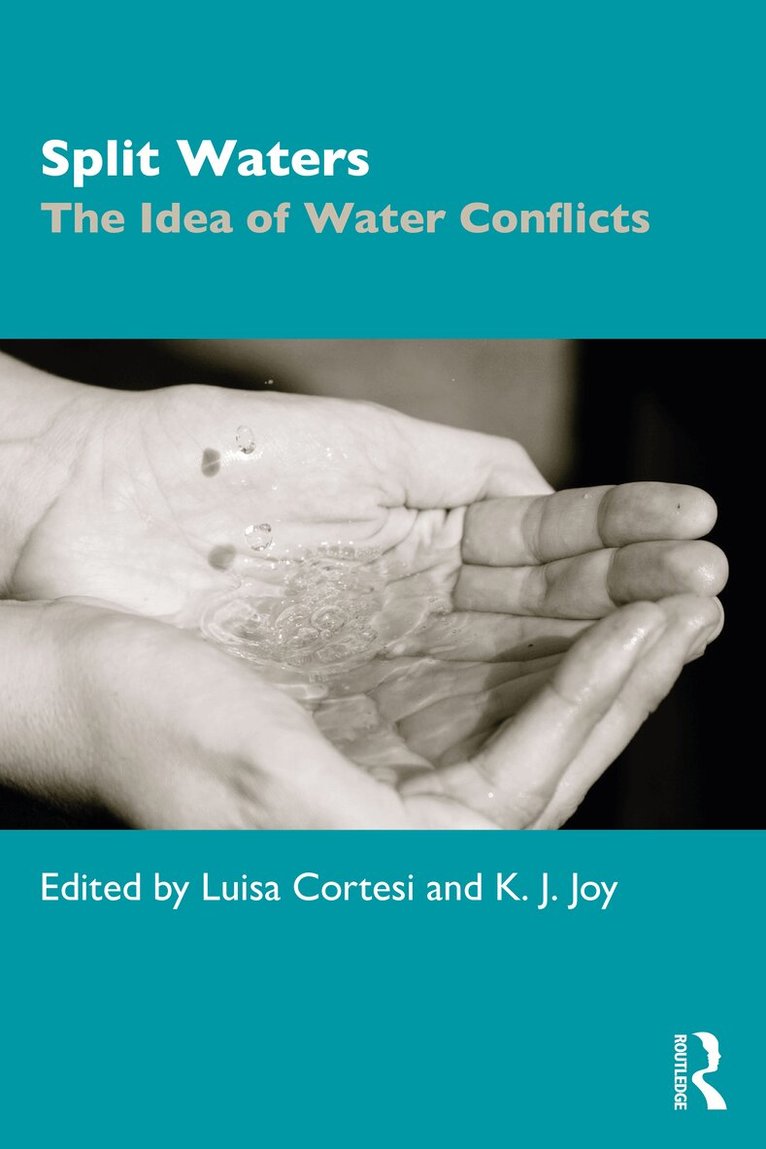
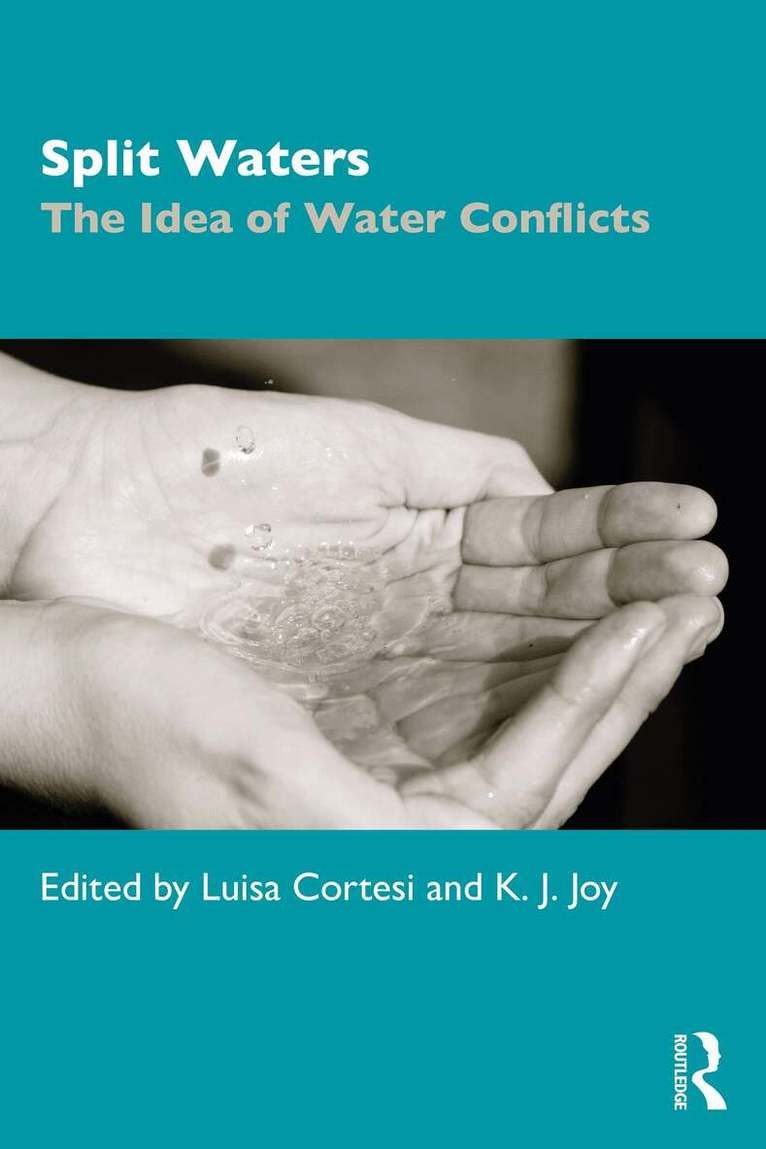
Limited, finite, contaminated, unavailable or expensive, water divides people all around the globe. We all cannot do without water for long, but can for long enough to fight for it.This commonsensical narration of water conflicts, however, follows a pattern of scarcity and necessity that is remarkably unvaried despite different social and geographical contexts.Through in-depth case studies from around the globe, this volume investigates this similarity of narration—confronting the power of a single story by taking it seriously instead of dismissing it. In so doing, it invites the reader to rethink water conflicts and how they are commonly understood and managed.This book:Posits the existence of the idea of water conflict, and asks what it is and what it produces, thus how it is used to pursue particular interests and to legitimise specific historical, technological and environmental relations;Examines the meaning and power of ideas as compared to other categories of knowledge, advancing theoretical frameworks related to environmental knowledge, discursive power, social constructivism;Presents an alternative agenda to deepen the conversation around water conflicts among scholars and activists.Of interest to scholars and activists alike, this volume is addressed to those involved with environmental conflicts, environmental knowledge and justice, disasters and climate change from the disciplinary angles of environmental anthropology and sociology, political ecology and economy, science and technology studies, human geography and environmental sciences, development and cooperation, public policy and peace studies.Essays by Gina Bloodworth, Ben Bowles, Patrick Bresnihan, Luisa Cortesi, Mattia Grandi, K. J. Joy, Midori Kawabe, Adrianne Kroepsch, Vera Lazzaretti, Leslie Mabon, Renata Moreno Quintero, Madhu Ramnath, Jayaprakash Rao Polsani, Dik Roth, Theresa Selfa, Veronica Strang, Mieke van Hemert, Jeroen Warner and Madelinde Winnubst.
563 kr
Skickas inom 10-15 vardagar
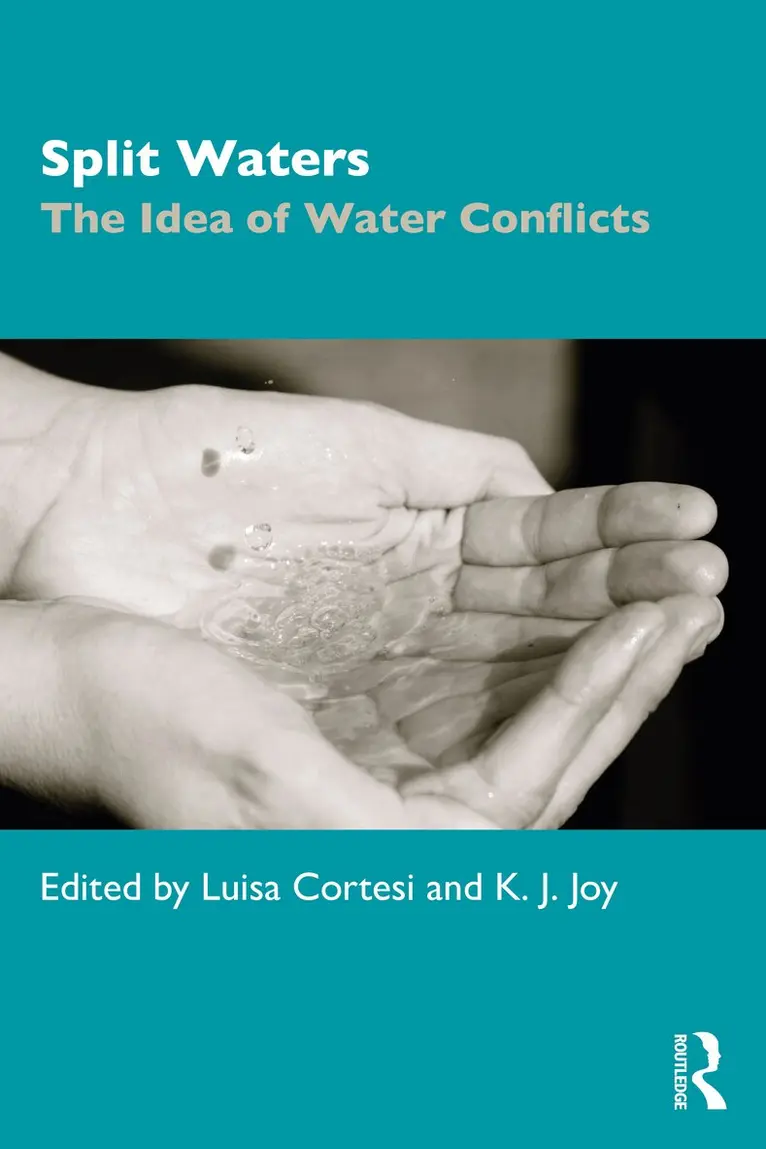
Limited, finite, contaminated, unavailable or expensive, water divides people all around the globe. We all cannot do without water for long, but can for long enough to fight for it.This commonsensical narration of water conflicts, however, follows a pattern of scarcity and necessity that is remarkably unvaried despite different social and geographical contexts.Through in-depth case studies from around the globe, this volume investigates this similarity of narration—confronting the power of a single story by taking it seriously instead of dismissing it. In so doing, it invites the reader to rethink water conflicts and how they are commonly understood and managed.This book:Posits the existence of the idea of water conflict, and asks what it is and what it produces, thus how it is used to pursue particular interests and to legitimise specific historical, technological and environmental relations;Examines the meaning and power of ideas as compared to other categories of knowledge, advancing theoretical frameworks related to environmental knowledge, discursive power, social constructivism;Presents an alternative agenda to deepen the conversation around water conflicts among scholars and activists.Of interest to scholars and activists alike, this volume is addressed to those involved with environmental conflicts, environmental knowledge and justice, disasters and climate change from the disciplinary angles of environmental anthropology and sociology, political ecology and economy, science and technology studies, human geography and environmental sciences, development and cooperation, public policy and peace studies.Essays by Gina Bloodworth, Ben Bowles, Patrick Bresnihan, Luisa Cortesi, Mattia Grandi, K. J. Joy, Midori Kawabe, Adrianne Kroepsch, Vera Lazzaretti, Leslie Mabon, Renata Moreno Quintero, Madhu Ramnath, Jayaprakash Rao Polsani, Dik Roth, Theresa Selfa, Veronica Strang, Mieke van Hemert, Jeroen Warner and Madelinde Winnubst.